Introduction to Patient Attendant Services: Why Home Care Is the Future of Healthcare in India
In today's fast-paced world, ensuring quality healthcare for our loved ones at home has become more important than ever. Whether recovering from surgery, managing chronic conditions, or needing assistance with daily activities, professional patient attendant services provide the perfect bridge between hospital-grade care and the comfort of home. At AtHomeCare, we understand the profound challenges families face when caring for patients at home — the physical exhaustion, the emotional anxiety, the constant worry about whether you are doing enough or doing things correctly. That is precisely why we have developed comprehensive patient attendant services designed to meet diverse healthcare needs with compassion, clinical rigor, and unwavering professionalism.
Our patient attendants are qualified General Duty Assistants (GDAs) who undergo rigorous training to handle various patient needs. They serve as the critical link between medical facilities and home-based care, ensuring continuity of care while providing comfort and support in familiar surroundings. With our services available across Delhi and Faridabad, families can access professional healthcare support without the stress, expense, and emotional toll of prolonged hospital visits or institutionalization.
The distinction between a trained GDA from AtHomeCare and untrained domestic help cannot be overstated. Professional patient care is fundamentally different from domestic help — our attendants understand body mechanics for safe patient transfers, they recognize early warning signs of clinical deterioration, they follow infection control protocols, and they document care activities meticulously. This is not glorified domestic service — it is structured, supervised, and clinically-informed personal care that directly contributes to patient outcomes.
At AtHomeCare, we believe that healing happens best in a comfortable, familiar environment. Our patient attendants are trained not just to provide physical support but to create a nurturing atmosphere that promotes recovery, preserves dignity, and enhances the overall quality of life for patients and peace of mind for families.
The Growing Need for Professional Home Care in Delhi and Faridabad
The healthcare landscape in India has evolved dramatically over the past decade, with a decisive shift towards home-based care. Several converging factors drive this transformation:
Recognizing these needs, AtHomeCare has developed specialized patient attendant services that bring professional healthcare to your doorstep. Our services in Faridabad and Delhi are designed to provide the same level of attentive, personalized care one would expect in a premium medical facility — but with the added comfort, emotional security, and cost advantages of home.
Elderly Monitoring: How Patient Attendants Serve as the First Line of Defense
Elderly monitoring is perhaps the single most valuable function that a trained patient attendant provides, and it is a function that untrained domestic help simply cannot perform. As people age beyond 65, their bodies become increasingly vulnerable to sudden, silent deteriorations — a slight change in mental status that could indicate a urinary tract infection, a gradual increase in respiratory rate that signals impending pneumonia, a subtle decrease in appetite that precedes a serious decline. These changes are invisible to an untrained eye but immediately recognizable to a GDA who has been trained in early warning sign recognition.
In Delhi and Faridabad, where adult children often work long hours and elderly parents may be alone for significant portions of the day, having a trained attendant who provides continuous safety checks and monitoring is not a luxury — it is a medical necessity. Living alone carries measurable medical risks for seniors, and professional monitoring transforms those risks into managed, observed, and rapidly-responded-to situations.
What Does GDA-Level Elderly Monitoring Include?
While GDAs do not perform clinical assessments at the level of a registered nurse, they are trained to observe, document, and report a wide range of indicators that are critical for early intervention:
- Vital sign observation: Many of our GDAs are trained to use basic monitoring devices — thermometers, pulse oximeters, blood pressure monitors — and to record readings at prescribed intervals. Home monitoring by patient care staff creates a longitudinal record that helps physicians track trends.
- Behavioral and mental status monitoring: Noting changes in alertness, confusion levels, responsiveness, and mood. GDAs trained for seniors with mild memory changes can detect early cognitive decline that families might attribute to "normal aging."
- Physical observation: Skin integrity checks for pressure sore prevention, swelling in limbs (which may indicate fluid retention in cardiac patients), breathing pattern changes, and signs of pain or discomfort.
- Intake and output monitoring: Tracking food intake, fluid consumption, urine output, and bowel movements — essential data for patients with kidney disease, diabetes management, or renal failure.
- Environmental safety monitoring: Ensuring the home environment remains safe — no loose rugs, adequate lighting, clear pathways, and fall prevention modifications are maintained.
Need reliable elderly monitoring for your parent in Delhi or Faridabad? Call 9910823218 for a free assessment — we can deploy a trained GDA within 24 hours.
Fall Prevention: The Most Critical Safety Function of a Patient Attendant
Fall prevention is not an optional add-on to patient attendant services — it is the most critical safety function they perform. Falls are the leading cause of injury-related hospitalization, hip fractures, traumatic brain injuries, and loss of independence among Indians aged 65 and above. In the homes of Delhi and Faridabad, where many residences have slippery bathroom floors, narrow doorways, traditional low Indian toilets, and inadequate lighting, the fall risk for elderly residents is amplified significantly. A single fall can result in a hip fracture that leads to bedridden status, which in turn causes bedsores, UTIs, and a cascade of decline that is extraordinarily difficult to reverse.
How Our GDAs Prevent Falls Every Day
Fall prevention by a trained attendant is an active, continuous process — not a passive presence. Our GDAs are trained in the following fall-prevention protocols:
- Continuous visual supervision: Unlike family members who check in periodically, a GDA provides eyes-on supervision during all waking hours — and for patients with nighttime dangers, our overnight care attendants maintain vigilance during the highest-risk night hours when falls often go undetected.
- Safe transfer techniques: Proper body mechanics for transferring patients between bed, chair, wheelchair, and commode. Two-attendant transfer support is available for heavier patients or those with severe mobility limitations.
- Environmental hazard management: Continuous identification and removal of tripping hazards, ensuring walkways are clear, mats are secured, and lighting is adequate — especially in bathrooms and stairways. Creating a senior-friendly home is an ongoing process, not a one-time setup.
- Assisted mobility: Walking with the patient, providing the right level of physical support, using gait belts when appropriate, and ensuring daily movement plans are followed safely.
- Toileting assistance: Many falls occur during rushed, unassisted bathroom trips, particularly at night. Our GDAs ensure patients never have to navigate the bathroom alone, especially those with urinary incontinence who may feel embarrassed and attempt to go independently.
Winter months in Delhi and Faridabad bring a particularly dangerous spike in fall risk. Cold temperatures cause muscle stiffness and joint pain — especially in patients with rheumatoid arthritis or frozen shoulder — reducing reaction time and mobility. Increased fall risk during winter is a well-documented clinical phenomenon that our attendants are specifically trained to counter through additional precautions, warm clothing assistance, and indoor exercise facilitation.
Nocturnal Confusion: Why Night-Time Attendant Support Is Non-Negotiable for Vulnerable Patients
Nocturnal confusion — encompassing sundowning in dementia patients, post-ICU delirium, and medication-induced nighttime disorientation — represents one of the most dangerous and distressing phenomena in home-based patient care. During episodes of nocturnal confusion, elderly patients may attempt to leave the house, become physically agitated, pull at medical devices such as tracheostomy tubes or feeding tubes, or wander into areas where they can sustain serious injuries. For families who are asleep and unaware, these episodes can be catastrophic.
Why Nocturnal Confusion Happens and Who Is at Risk
The causes are multifactorial. In patients with advanced dementia or Alzheimer's disease, the brain's internal circadian clock becomes disrupted, leading to day-night reversal. Post-ICU delirium can persist for weeks or months after hospital discharge — and early discharge from Delhi hospitals means patients arrive home still in a delirious state. Medication side effects, silent urinary tract infections, dehydration, pain, and poor sleep architecture all contribute to nighttime dangers in elderly patients.
How Professional Night Attendants Manage Nocturnal Confusion
- Continuous observation: Unlike family members who sleep, a night attendant maintains continuous nighttime observation, detecting the earliest signs of confusion and intervening before the patient becomes fully agitated or attempts to leave the bed.
- Calming de-escalation: Trained GDAs use evidence-based techniques — speaking in a low, calm voice, using familiar names, offering warm fluids, adjusting lighting, and providing gentle physical reassurance. For patients with agitation requiring calm supervision, this skill is invaluable.
- Environmental safety: Alzheimer's safety at home at night includes securing doors and windows, removing tripping hazards, using bed alarms, and ensuring the patient cannot access medications or sharp objects during confused episodes.
- Rapid medical communication: If confusion is new or suddenly worsening, the night attendant can perform a basic assessment and communicate findings to the family or on-call physician. Recognizing when confusion signals a medical emergency — such as a stroke, sepsis, or hypoglycemia — is a critical skill.
- Documentation: Every episode is documented with time, duration, triggers, interventions used, and patient response, creating a longitudinal record that helps physicians adjust treatment plans.
When to consider professional overnight care is a question many families wrestle with. Our clinical recommendation is straightforward: if your elderly parent has dementia, has been recently hospitalized, has a history of nighttime wandering or falls, or if you as a family caregiver are experiencing sleep deprivation that affects your own health — it is time. The essential role of 24x7 attendants in preventing nighttime tragedies cannot be overstated.
Our Qualified Patient Attendants: Training, Verification, and Clinical Supervision
At the heart of our patient attendant services are our highly qualified General Duty Assistants (GDAs). The integral roles of GDAs and nurses in patient care are complementary — while nurses handle clinical procedures, GDAs provide the essential layer of personal care, supervision, and emotional support that forms the foundation of any successful home care plan. Each attendant in our network is carefully selected through a rigorous screening process that evaluates not just their technical skills but their empathy, communication abilities, and genuine commitment to patient well-being.
Comprehensive Training Curriculum
Our patient attendants undergo extensive training programs aligned with professional GDA certification standards. This training includes:
Beyond initial certification, our GDAs participate in continuous education programs. Nursing supervision of home attendants ensures that skills remain sharp and care quality remains consistently high. This commitment to ongoing learning ensures that our patients receive care based on current best practices.
Rigorous Background Verification: Non-Negotiable Trust
When inviting someone into your home to care for a vulnerable loved one, trust is not optional — it is existential. At AtHomeCare, we have implemented a comprehensive background verification process that includes:
- Thorough identity verification through government-issued documents
- Previous employment reference checks with direct supervisor contact
- Criminal background verification through police records
- Health screening including tuberculosis, hepatitis, and COVID-19 status
- Physical and mental fitness assessment for the demanding role
100% background-verified home care staff is our non-negotiable standard. Background verification, daily reporting, and transparency form the three pillars of our trust framework. Only candidates who successfully clear all verification steps are inducted into our team.
The attendant provided by AtHomeCare was not just professionally competent but also incredibly compassionate. My mother felt comfortable and safe under their care. The daily reports gave me complete visibility even though I was at work all day. The virtual care monitoring system was a game-changer for our family.
Comprehensive Patient Attendant Services: What Our GDAs Actually Do
Our patient attendant services encompass a wide range of support functions designed to address the physical, emotional, and medical-adjacent needs of patients. Health support and medical assistance by GDAs is the practical foundation upon which all other home care services are built.
Personal Care and Hygiene Assistance
Maintaining personal hygiene is essential for patient comfort, dignity, and preventing complications. Our GDAs provide respectful assistance with:
Vital Signs Observation
Regular monitoring of temperature, blood pressure, pulse, and oxygen saturation levels to track patient health. GDAs document and report findings to supervising nurses and physicians.
Home Nursing vs. Patient Attendant Care: Understanding the Critical Difference
One of the most consequential decisions families make — and one they often get wrong — is choosing between a home attendant and a trained nurse for their elderly parent. This distinction is not about cost or convenience — it is about clinical safety. When families rely only on attendants for clinically complex patients, the medical risks are significant. Untrained attendants can directly cause hospital admissions through missed warning signs, improper positioning, delayed communication of deteriorating conditions, and inability to perform essential clinical tasks.
When a GDA Is Sufficient
A trained patient attendant is the right choice when the patient's needs are primarily personal care and supervision:
- Elderly patients who are relatively stable but need help with daily activities — bathing, dressing, eating, toileting
- Patients recovering from minor procedures who need temporary support
- Seniors with mild cognitive impairment who need supervision and companionship
- Bedridden elderly patients who need turning, hygiene, and feeding — but whose clinical parameters (vitals, medications, wounds) are managed by a visiting nurse
- Patients needing respite care to give family caregivers a break
When a Nurse Is Essential (and a GDA Is Not Enough)
At AtHomeCare, we frequently recommend a combined model — a nurse for clinical care (visiting or full-time depending on acuity) plus a GDA for personal care and continuous supervision. Our circle of care model ensures that every aspect of the patient's needs — clinical, personal, and emotional — is covered by the right level of professional.
Warning: The ayah bureau trap — hiring untrained, unverified domestic help through informal channels — is costing families millions in preventable hospitalizations, infections, and complications. Professional GDAs from AtHomeCare are certified, verified, trained, and supervised — the difference is not marginal, it is existential.
Caregiver Burden: Why Hiring a Patient Attendant Is an Act of Self-Care, Not Abandonment
Caregiver burden is a term that deserves far more honest discussion in Indian families. Culturally, caring for elderly parents at home is considered a sacred duty — and it absolutely is. But the physical, emotional, financial, and social toll of providing continuous care for a sick, elderly, or disabled family member can be overwhelming, unsustainable, and ultimately harmful to both the caregiver and the care recipient. Caregiver burnout in Faridabad families often reaches a crisis point before anyone recognizes it, because the cultural narrative does not permit caregivers to admit they are struggling.
Recognizing the Signs of Caregiver Burnout
Caregiver stress signs are easy to dismiss but dangerous to ignore:
- Chronic fatigue that sleep does not resolve
- Irritability and short temper with the patient, spouse, or children
- Withdrawal from social life, hobbies, and activities that once brought joy
- Persistent anxiety about the patient's condition, especially when away from home
- Neglecting one's own health — skipping check-ups, ignoring symptoms, not exercising
- Feeling trapped, resentful, or guilty about feeling resentful
- Relationship deterioration with spouse and children due to time and energy diverted to caregiving
Caregiver burnout also damages family dynamics, creating conflict between siblings about who bears more responsibility, tension between spouses, and resentment that can permanently damage relationships. The career vs. care conflict is particularly acute for working professionals in Delhi and Gurgaon who must choose between their livelihood and their parent's care.
How a Patient Attendant Relieves Caregiver Burden
Engaging a professional GDA is not an abdication of responsibility — it is a smart, compassionate, and clinically sound decision. Here is how AtHomeCare helps:
- Respite Care: Even if you want to be the primary caregiver, you need breaks. Our respite services provide professional coverage for a few hours, days, or weeks, allowing you to rest and recharge.
- 24/7 Care for High-Need Patients: For patients who need round-the-clock supervision, no single family caregiver can provide adequate coverage without destroying their own health.
- NRI Family Support: For families living abroad, caring for parents in Faridabad from abroad requires reliable ground staff. We act as your eyes, ears, and hands — providing daily reports and managing emergencies.
- Work-Life-Care Balance: For working professionals, our daytime attendants allow you to focus on your career without the constant anxiety about your parent's safety. Bridging the gap for working children is one of our most valued services.
Post-Discharge Care and Rehabilitation: The Critical Role of Patient Attendants in Recovery
Post-discharge care and rehabilitation represent the period where patient attendants deliver perhaps their most impactful contribution. The transition from hospital to home is notoriously dangerous — the discharge phase is the most dangerous period for elderly patients. Medications are changed, devices need managing, wounds need attention, and the patient is in a fragile, incompletely stabilized state. Post-hospital discharge care guidelines emphasize that the first 72 hours at home carry the highest risk of complications — which is exactly why a home nurse or attendant within the first 72 hours is strongly recommended.
How GDAs Support Post-Discharge Recovery
While clinical post-discharge care (wound dressing, medication administration, vital monitoring) is handled by nurses, GDAs provide the essential support layer that makes recovery possible:
Professional home care reduces hospital readmissions by up to 30%. Readmissions are not just medically harmful — they are financially devastating and emotionally exhausting. Leading hospitals now refer patients to AtHomeCare for post-discharge management because the outcomes are demonstrably better.
Oxygen Monitoring Support: How GDAs Assist Patients on Respiratory Therapy
Oxygen monitoring is increasingly relevant for patient attendants as more elderly patients are discharged home with oxygen therapy, CPAP/BiPAP machines, or nebulizers. While the clinical management of oxygen therapy at home is overseen by nurses and physicians, GDAs play a crucial supporting role — particularly during night hours when the risk of oxygen therapy night risks is highest.
GDA Responsibilities in Oxygen Monitoring Support
In Faridabad specifically, where winter pollution has an alarming impact on respiratory health, having a GDA who understands respiratory precautions — keeping windows closed during high-pollution hours, ensuring the patient uses their warm-air scarves and masks, facilitating indoor breathing exercises — can make a meaningful difference in preventing respiratory crises.
Specialized Care Scenarios Where Patient Attendants Make a Critical Difference
Beyond general personal care, our GDAs are deployed in numerous specialized care scenarios where their training and continuous presence directly impact patient safety and outcomes.
Bedridden Patient Care
Caring for bedridden patients is one of the most demanding and high-stakes applications of GDA services. Essential aspects include strict turning schedules (every 2 hours to prevent pressure sores), bowel management programs, catheter care, and passive limb physiotherapy to prevent contractures. Our GDAs are specifically trained for 24x7 bedridden elderly care, and their vigilance in maintaining turning schedules and skin integrity is the single most important factor in preventing the devastating complications of immobility.
Dementia and Alzheimer's Care
Dementia patients require 24x7 supervision that goes far beyond what family members can sustain. Our GDAs trained in memory care and dementia management provide structured daily routines, cognitive stimulation activities, behavioral management during agitation episodes, and safety supervision to prevent wandering and accidents. Dementia care dos and don'ts are integrated into every dementia-trained GDA's practice.
Post-Stroke Care
Stroke patients needing full-time care require GDAs who understand hemiplegia care — one-sided mobility support, catheter and bowel care, feeding assistance with aspiration prevention, and emotional support during the frustrating recovery process. From hospital discharge to walking again, the GDA's role in stroke recovery is indispensable.
Palliative and End-of-Life Care
For patients with terminal illnesses, our GDAs provide comfort-focused end-of-life care — maintaining hygiene, providing companionship, ensuring the patient is never alone, and supporting the family during an extraordinarily difficult time. Dignity in the final days is the guiding principle of our palliative GDA services. Understanding hospice and palliative care helps families make informed decisions about this delicate phase of care.
Having an AtHomeCare attendant for my elderly father after his stroke made all the difference. The professional care combined with genuine compassion helped him recover faster than we expected. The mobility rehab support was exceptional — within four months he was walking with a walker.
The AtHomeCare Difference: Quality Assurance, Supervision, and Zero-Compromise Standards
What sets AtHomeCare apart from every other attendant service provider in Delhi and Faridabad is our unwavering commitment to quality assurance and continuous supervision. Quality caregivers make all the difference — and we have built systems to ensure quality is not dependent on individual goodness but is structurally guaranteed.
Multi-Layer Quality Control
- Supervisory nurse visits: Our nursing supervisors conduct regular visits to observe the attendant's care practices, check documentation, and assess patient condition. Nursing supervision of home attendants catches issues before they become problems.
- Daily digital reporting: Families receive daily reports covering activities performed, food intake, behavior observations, and any concerns. Virtual care monitoring ensures complete transparency.
- Zero-absenteeism guarantee: Zero absenteeism means your attendant shows up every single day. In the rare event of illness, we provide an immediate replacement.
- 2-hour emergency deployment: Medical emergencies can't wait — our rapid deployment system ensures coverage gaps never persist.
- Performance reviews and feedback loops: Regular reviews with the family, the attendant, and our operations team ensure continuous improvement.
Customized Care Plans for Every Patient
Individualized elder care plans are developed for each patient based on detailed assessment, physician input, family preferences, and home environment. These care plans are living documents — even stable patients can suddenly deteriorate, and care plans must evolve accordingly. Our caregivers are trained to recognize false stability — the dangerous phenomenon where normal vital signs mask an underlying deterioration.
Our Service Areas: Comprehensive Patient Attendant Services in Delhi and Faridabad
Patient Attendant Services in Delhi
Our Delhi services cover all major residential areas. AtHomeCare is Delhi NCR's premier home care provider, offering 24/7 attendant services, specialized geriatric care, post-operative support, chronic disease management, and emergency care arrangements across all zones of Delhi including South Delhi, North Delhi, East Delhi, West Delhi, and Central Delhi. We also serve specific neighborhoods like Malviya Nagar and surrounding areas.
Patient Attendant Services in Faridabad
Our Faridabad services bring the same level of professional care to all sectors of Faridabad — from Old Faridabad to Neharpar, from Sector 15 to Sector 49. Revolutionizing elderly care in Faridabad means providing the same quality of patient care assistants for elders that was previously only available in major metro hospitals. Professional home healthcare in Faridabad through AtHomeCare includes comprehensive patient care, home nursing support, and senior citizen wellness programs.
We also serve surrounding regions including Gurgaon, Noida, Bhopal, Ranchi, Kanpur, Indore, Gorakhpur, and Banaras.
Getting Started: Your Journey to Professional Patient Attendant Care
Beginning your journey with AtHomeCare is straightforward. How to choose a GDA attendant is a question we help you answer through our structured onboarding process:
- Initial consultation: We discuss the patient's medical condition, specific care needs, family expectations, and home environment. Choosing patient care services starts with understanding.
- Care plan development: Based on assessment, we develop a customized plan covering care tasks, schedule, emergency protocols, and reporting procedures.
- Attendant matching: We match patients with attendants based on medical requirements, personality compatibility, language preferences, and specific experience. The AtHomeCare advantage in caregiver matching ensures better outcomes from day one.
- Ongoing support: Regular supervisory visits, open communication, flexible adjustments, and immediate replacement if needed.
The process of getting an attendant from AtHomeCare was surprisingly smooth. They took time to understand my father's needs and matched us with an attendant who was perfect for our family. The expert matching process really made a difference.
Frequently Asked Questions About Patient Attendant Services
What is the difference between a patient attendant (GDA) and a nurse?
This is the most important question families should ask. A home attendant vs. a trained nurse — patient attendants (GDAs) focus on personal care, daily assistance, mobility support, companionship, and basic monitoring. They cannot perform clinical procedures like administering injections, changing IV lines, or wound dressing. Nurses have advanced medical training and handle all clinical procedures. A medical attendant vs. a caretaker is another distinction — medical attendants have more training than basic caretakers but less than nurses. At AtHomeCare, we assess your needs and recommend the right level — or the right combination — of care. Relying only on attendants for clinically complex patients carries documented medical risks, and we will always advise you honestly.
How do you ensure the quality and reliability of your attendants?
Through a multi-layer system: 100% background verification, comprehensive training, nursing supervision, zero-absenteeism policies, daily digital reporting, and regular performance reviews. Untrained attendants are unsafe for elderly care — our systems exist to prevent the gaps that lead to harm.
Can I choose the gender of the patient attendant?
Yes, we accommodate gender preferences based on patient comfort and cultural considerations, subject to availability for your specific requirements and location in Delhi or Faridabad.
What if I am not satisfied with the assigned attendant?
Patient satisfaction is our top priority. If you are not satisfied for any reason, we will promptly provide a replacement after understanding your concerns. Why choose AtHomeCare for patient attendant services includes our no-questions-asked replacement policy.
Are your services covered by insurance?
Coverage varies by policy. We provide detailed documentation that may support insurance claims. We recommend checking directly with your insurance provider. The real cost of elderly care at home is typically 30-50% less than hospital care even without insurance coverage.
How quickly can I get a patient attendant in Delhi or Faridabad?
Standard requests: 24-48 hours. Urgent needs: we can deploy within 2-4 hours depending on your location and specific requirements. Emergency readiness at home is critical — do not wait until a crisis to establish care.
Do you provide 24/7 attendant services?
Yes. 24-hour GDA attendant services are available, typically using a 12-hour shift model with two attendants alternating. 24/7 elder care is recommended for patients with dementia, those at high fall risk, bedridden patients, and anyone recently discharged from hospital.
What happens if the attendant falls sick or needs time off?
Our zero-absenteeism guarantee means we provide an immediate replacement — your loved one is never left without coverage, even for a single shift.
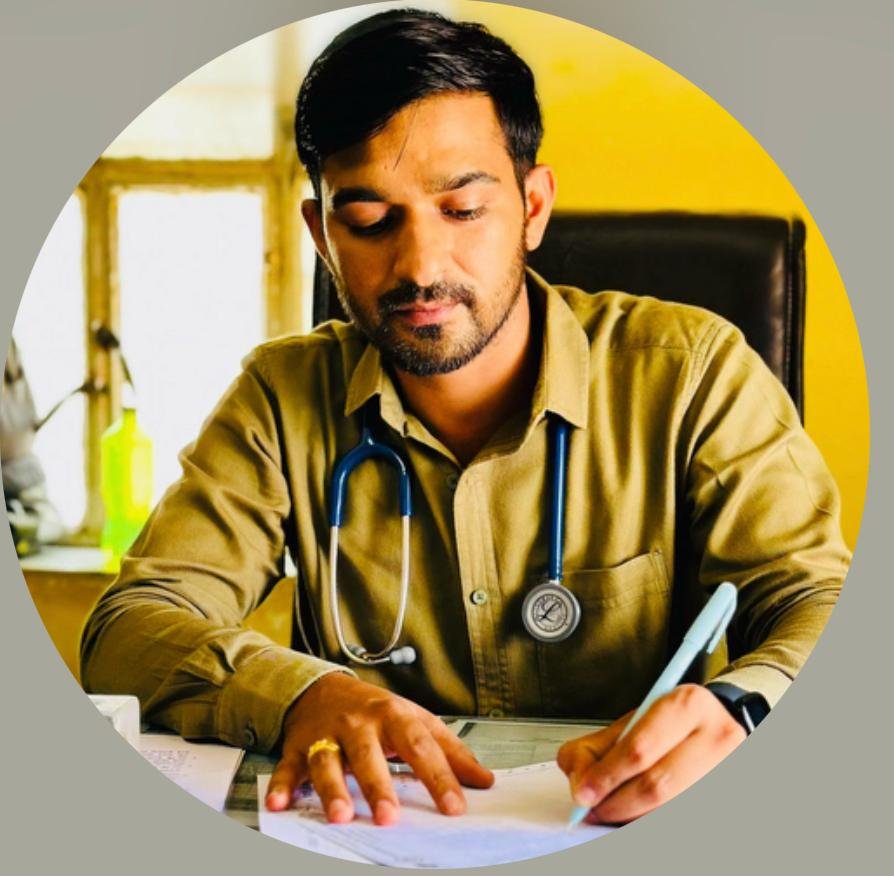
Registration No: RMC-79836 | Medical Director, AtHomeCare India
Dr. ANIL KUMAR
Dr. Anil Kumar is the Medical Director at AtHomeCare India and oversees all clinical protocols, care plan development, and quality standards for patient attendant services across Delhi, Faridabad, Gurgaon, and other cities. He brings over 15 years of clinical experience in home healthcare and geriatric medicine.
Dr. Kumar is a strong advocate for the principle that ageing is predictable but decline is not. He emphasizes that the distinction between a trained GDA and untrained domestic help is not a matter of cost optimization — it is a matter of patient safety. Under his leadership, AtHomeCare has developed the training curricula, supervision protocols, and quality frameworks that make patient attendant services a clinically credible component of home healthcare rather than a substitute for it.
Ready to Experience Professional Patient Attendant Care at Home?
Whether you need a 24/7 GDA for your elderly parent, post-surgery recovery support, respite care to prevent caregiver burnout, or specialized dementia care — our team in Delhi and Faridabad is ready to help.
Call Us: 9910823218
Email: care@athomecare.in
Knowledge Hub: Expert Guides on Patient Care & Elderly Home Healthcare
Explore our comprehensive library of clinically-reviewed articles on patient attendant care, elderly safety, and home healthcare management.
GDA & Attendant Care Guides
Roles of GDAs and Nurses
How attendants and nurses work together in patient care.
Benefits of Professional GDA
Why certified GDAs deliver better outcomes than untrained help.
Essential Role of 24x7 Attendants
When and why round-the-clock attendant care is necessary.
Who Needs Trained Attendants?
Identifying patients who require professional attendant support.
Understanding Bedside Attendant Services
Complete guide to bedside care at home.
24-Hour GDA Services
How shift-based 24-hour attendant care works.
How to Choose a GDA Attendant
Expert checklist for selecting the right attendant.
Why Choose AtHomeCare Attendants
What makes our patient attendants different.
Elderly Monitoring & Safety
Home Monitoring Services
How patient care staff conduct home monitoring.
Early Warning Signs in Elderly
Critical signs that require immediate medical attention.
Why Stable Patients Suddenly Crash
Understanding unexpected deterioration at home.
False Stability: Normal Vitals, Hidden Danger
Why normal readings can mask underlying deterioration.
First 30 Minutes of Home Emergencies
Common mistakes families make in medical emergencies.
Calling Ambulance Too Late
Why delays in emergency response cost lives.
Fall Prevention
Comprehensive Fall Prevention Guide
Everything you need to know to prevent falls at home.
Fall Prevention in Faridabad Homes
Location-specific strategies to avoid fractures.
Home Modifications for Fall Prevention
Structural changes that reduce fall risk.
Winter Fall Risk Increase
Clinical concerns about falls during cold months.
Daily Movement Plans for Fall Prevention
Structured mobility plans to maintain strength and balance.
Osteoporosis and Fall Prevention
Managing bone health to reduce fracture severity.
Post-Fall Nursing Observation
What to do after a fall occurs at home.
Nocturnal Care & Night Safety
Nighttime Dangers for Elderly
Why nighttime is the most dangerous period at home.
Understanding Overnight Care
What overnight care involves and who needs it.
When to Consider Overnight Care
Signs that nighttime professional support is necessary.
Types of Overnight Home Care
Different models of nighttime care explained.
Arranging Overnight Care Remotely
Guide for NRI families setting up night care.
Elderly Falls at Night: Neurodegeneration
Nighttime fall risks in patients with neurological conditions.
Caregiver Support
Caregiver Burnout in Faridabad
Signs you need professional elder care support.
Managing Caregiver Stress
Practical tips for prioritizing your own well-being.
Caregiver Stress Signs to Not Ignore
Physical and emotional warning signs of burnout.
The NRI Challenge
Caring for parents in India from miles away.
NRI Guide to Faridabad Elderly Care
Complete handbook for non-resident Indian families.
Career vs. Care Conflict
Finding balance without sacrifice.
Understanding the Caregiver Role
Defining who caregivers are and what they do.
Respite Care Options in Faridabad
Temporary relief for family caregivers.
Bedridden Patient Care
Comprehensive Bedridden Patient Care
Complete caregiver guide for immobile patients.
Essential Aspects of Bedridden Care
Key care components that prevent complications.
24x7 Care for Bedridden Elderly
Why bedridden patients need continuous attendant care.
Pressure Sore Prevention
Turning schedules and skin care protocols.
Bowel Management for Bedridden Patients
Structured programs for digestive health.
Bedsores and UTIs: The Unspoken Crisis
Addressing common complications in bedridden care.
Post-Discharge & Rehabilitation
Post-Discharge Care Guidelines
Medical guidelines for safe recovery at home.
Reducing Readmissions by 30%
How professional care prevents post-surgical complications.
Customized Rehabilitation Programs
Tailored exercise programs for recovery.
Importance of Physiotherapy
Why movement-based healing is essential.
Hospitals Refer to AtHomeCare
Why leading hospitals trust our post-discharge care.
Post-Surgery Recovery in Faridabad
Comprehensive post-surgical home care services.
Home Nursing & Clinical Care
Home Attendant vs. Trained Nurse
The critical difference and who you actually need.
Risks of Relying Only on Attendants
Medical risks when attendants replace nurses for complex care.
Untrained Attendants Cause Hospitalizations
Documented risks of unverified, untrained home help.
The Ayah Bureau Trap
Why cheap untrained help costs families millions.
Home Nursing vs. Patient Care in Faridabad
Understanding the service difference for informed decisions.
Medical Attendant vs. Caretaker
Clarifying the terminology and training differences.
Dementia & Specialized Care
Understanding Dementia: Complete Guide
Types, stages, symptoms, and management strategies.
Memory Care and Dementia Management
Home-based dementia care guide for Delhi families.
Dementia 24x7 Supervision
Why dementia patients require continuous observation.
Alzheimer's Safety at Home
Home safety strategies for Alzheimer's patients.
Dementia Care: Dos and Don'ts
Evidence-based guidance for family caregivers.
Respiratory & Oxygen Support
Oxygen Therapy at Home: Clinical Guide
Indications, equipment, safety protocols, and monitoring.
Long-Term Oxygen Therapy Night Risks
Nighttime dangers of home oxygen therapy.
Sleep Apnea BiPAP/CPAP Care
Helping seniors use sleep apnea devices at home.
Nebulizer Therapy: Clinical Guide
Proper technique and home management.
Palliative & End-of-Life Care
Hospice and Palliative Care Guide
What families need to know about end-of-life care.
Comfort-Focused End-of-Life Care
Dignity and comfort in the final days at home.
Dignity in the Final Days
Redefining compassionate end-of-life care.
Palliative Care in Faridabad
Managing pain, comfort, and dignity at home.