Home Healthcare for NRI Families in Ludhiana: How AtHomeCare Keeps Families Updated From Abroad
If your mother or father lives in Ludhiana and you live in Toronto, London, Melbourne or Dubai, this guide is written for you. It explains, in plain language, how professional home healthcare for NRI parents in Ludhiana actually works — who enters the home, what they do every day, how the care is supervised, and how AtHomeCare sends you honest, structured updates from thousands of kilometres away.
Why NRI Families in Ludhiana Need Structured Home Healthcare
Ludhiana has one of the largest NRI-origin populations in India, and most ageing parents there prefer to stay in their own homes. Professional home healthcare gives them daily supervision, nursing support and safety, while a structured reporting system gives children abroad the visibility they need to make good decisions from a distance.
Ludhiana is often called the “NR heartland” of Punjab. Whole neighbourhoods — Model Town, Civil Lines, Sarabha Nagar, Dugri, BRS Nagar and many housing societies along Ferozepur Road — are full of homes where one or both parents live alone or with a domestic helper, while their children manage careers and families in another country. This is not a small or temporary situation. For most of these families, the parent will age in Ludhiana, and the child will keep living abroad for years.
In this situation, love is not the missing ingredient — structure is. A parent living alone may be eating less, missing medicines, skipping doctor visits, hiding small falls, or quietly becoming weaker. Phone calls twice a week cannot detect these changes. A neighbour may help in an emergency, but neighbours cannot manage medicines, catheters, feeding tubes, wounds, oxygen or post-hospital recovery.
Professional home healthcare solves this by putting a trained, verified person inside the home every day, under a system that supervises that person and reports to you. It converts “I hope things are okay” into “Here is today’s report.” That single shift — from hoping to knowing — is the real product that NRI families in Ludhiana need.
If you are only beginning to explore this subject, our plain-language overview of home healthcare services in Ludhiana for beginners explains the basics of how care at home is organised in the city, and our article on home care versus hospital care in Ludhiana helps families decide where recovery is safest.
The Real Challenge: Distance, Not Willingness
The hardest part of NRI parent care in Ludhiana is not arranging help — it is verifying that help and staying informed. Parents often hide problems, local helpers are untrained and unsupervised, and time zones make communication hard. A structured care provider solves this with supervision, documentation and scheduled family updates.
Ask any NRI family and you will hear the same three worries:
- “Is someone actually there?” Local attendants sometimes stop coming, work irregular hours, or leave with little notice. There is no backup.
- “Are they telling me the truth?” Parents in Ludhiana — like parents everywhere — protect their children by saying “everything is fine.” Small health changes stay hidden until they become big ones.
- “Who takes charge at 2 a.m.?” A fall at night, a fever spike, low oxygen, chest pain. When the family is asleep in another time zone, someone competent must act immediately and correctly.
These worries are exactly why unmanaged arrangements fail. Hiring a helper directly, with no agency, no verification, no nurse supervision and no reporting, transfers 100% of the risk onto the family. The parent gets a body in the house, but nobody is responsible for quality, and nobody is watching.
Our broader article, The NRI Challenge: Caring for Parents in India From Miles Away, looks at this emotional and practical problem in depth. The rest of this page explains the practical machinery AtHomeCare uses to solve it in Ludhiana.
What Home Healthcare for NRI Parents in Ludhiana Includes
AtHomeCare in Ludhiana provides trained patient attendants, home nursing, physiotherapy, elderly companionship care, home ICU setups, medical equipment on rent, integrated medicine supply and doctor home visits — all coordinated by one team, so families abroad manage one point of contact instead of many strangers.
Families abroad rarely need “a caregiver” in the abstract. They need specific problems solved. Here is what our Ludhiana care network covers, and when each service is the right tool.
Elderly Care and Daily Supervision
For independent or semi-independent parents, the first layer of care is presence and observation. A trained attendant ensures the parent eats and drinks properly, takes medicines on time, moves safely around the house, and has company through the day. Just as important, the attendant is trained to notice — reduced appetite, new confusion, swelling in the feet, a change in sleep — and report it the same day. Our guide to elderly care at home explains what good daily elderly care looks like beyond cooking and cleaning.
Home Nursing Services in Ludhiana
When a parent has a clinical need — wound dressings, injections, IV fluids, catheter care, feeding tube management, oxygen support, sugar monitoring, post-surgery care — a qualified nurse is required, not just an attendant. Our home nursing services page explains the full scope of nursing procedures that can safely be done at home. In Ludhiana, nursing can be arranged as daily visits, 12-hour shifts or full 24×7 nursing teams depending on the condition. If you are unsure whether your parent has reached this stage, read our article on early signs that a family in Ludhiana needs a nurse at home.
Patient Attendant Support
A patient attendant handles the non-clinical but critical work: bathing, grooming, toileting, feeding support, safe transfers from bed to chair, repositioning every two hours for bed-bound parents, and gentle mobility practice. For NRI families, a dependable attendant is often the single biggest relief, because these tasks are physically impossible for a frail spouse and emotionally exhausting for relatives. Learn what this role involves in our guide to patient attendant care at home in Ludhiana.
Physiotherapy at Home
After a stroke, a fracture, a joint replacement or a long illness, weakness and stiffness set in quickly without movement. Home physiotherapy keeps recovery on track without repeated travel to a clinic — which matters enormously for an elderly parent in Ludhiana’s traffic and winters. Our article on at-home physiotherapy services covers what sessions involve and how progress is tracked.
Home ICU and Critical Care at Home
Some parents come home from hospital still needing ventilator support, tracheostomy care, BiPAP/CPAP, continuous oxygen or close vital-sign monitoring. A properly built home ICU — with ICU-trained nurses, a multipara monitor, suction, oxygen concentrator or cylinders, and an emergency plan — allows recovery at home under medical supervision. Our complete home ICU setup guide explains what is required, and myth versus reality of medical care at home in Ludhiana addresses the doubts families commonly raise.
Doctor Visits, Pharmacy and Medical Equipment
When a parent should avoid clinic queues — or when you, abroad, want a doctor’s eyes on the situation — a doctor home visit can be arranged. Medicines, including monthly chronic-disease refills, are managed through our integrated pharmacy and medication delivery service, so boxes and strips never run out in your absence. Hospital beds, air mattresses, wheelchairs, oxygen concentrators, suction machines and patient monitors are delivered, installed and maintained through our medical equipment rental network.
How AtHomeCare Keeps Families Updated From Abroad
AtHomeCare runs a structured communication system: a daily written report on WhatsApp, scheduled video calls with the care team, weekly supervisory summaries, monthly clinical reviews, and immediate alerts for any emergency — sent in your time zone, so families abroad follow their parent’s care in real time without depending on relatives.
This is the heart of this page, and the reason NRI families choose a structured provider over a local arrangement. Communication is not a courtesy we add on — it is a designed, monitored part of the service, with named formats and fixed timings.
1. The Daily Care Report
Every evening, the family receives a short, structured WhatsApp report covering the day: meals and water intake, medicines given on time, bowel and urine pattern, sleep, mood and activity, vitals where relevant (BP, sugar, pulse, oxygen saturation, temperature), any physiotherapy done, and anything unusual the caregiver noticed. Ten lines of honest information are worth more than two hours of anxious phone calls.
2. Scheduled Video Calls
Once a week (or more often if you prefer), a video call is scheduled in your time zone. You can see your parent, speak to the caregiver directly, and — on rotation — speak to the nurse supervisor or care coordinator who audits the case. Seeing your mother walk to the dining table does more for your peace of mind than any written report.
3. Weekly Supervisory Review
A nurse or care supervisor personally visits or reviews the case every week. They check the caregiver’s work, examine any wound or device, verify the medicine chart, and write a summary: what is stable, what is changing, what the plan is for the coming week. This is a genuine clinical audit — the same structure hospitals use, adapted for the home.
4. Monthly Clinical Summary
Once a month, families receive a written summary with trends: weight, blood pressure and sugar patterns, wound healing status, physiotherapy progress, and any doctor recommendations. This document is also exactly what you need for insurance claims, or when you plan your next visit to India.
5. Immediate Alerts — No Waiting
Anything urgent — a fall, a fever, breathing difficulty, refusal to eat for a full day, chest pain — is reported to the family immediately, along with the action already taken. You never learn about a problem days later. Our emergency protocol, described below, defines exactly who does what in the first minutes and hours.
6. A Shared Family Group
Most NRI families have brothers, sisters and cousins spread across cities and countries. We maintain one WhatsApp group with the family and the care team, so every sibling sees the same reports at the same time. No more “why didn’t anyone tell me?” — the information flow is uniform.
| Method | What you receive | How often | Best for |
|---|---|---|---|
| Daily WhatsApp report | Meals, hydration, medicines, vitals, bowel/bladder, sleep, mood, notable changes | Every day | Knowing the parent had a normal, safe day |
| Video call | Face-to-face with parent and caregiver; supervisor available on rotation | Weekly (or daily on request) | Seeing the parent’s condition and comfort with your own eyes |
| Weekly supervisory summary | Clinician’s written review of the week, wound/device checks, plan for next week | Every week | Clinical assurance and plan corrections |
| Monthly clinical review | Trend summary: vitals, weight, wounds, physio progress, doctor inputs | Monthly | Long-term decisions, insurance paperwork, visit planning |
| Emergency alert | Phone call + written note of what happened and what was done | Immediately, whenever needed | Any fall, fever, breathing issue, or hospital transfer |
Families who want a deeper look at how remote oversight works in practice can read our articles on how professional care bridges the gap for working children and on how families living outside India keep their elderly loved ones supported. The same coordination model is used for families in Ludhiana.
The First 90 Days: Care and Reporting Timeline
Care begins with a phone or video assessment, then moves to caregiver deployment within 24–72 hours, daily reporting from day one, a settled routine by week two, structured physiotherapy and nursing reviews through the first month, and trend-based clinical summaries from month two onward.
Families abroad often ask, “What actually happens after I say yes?” Here is the typical journey, shown as a timeline. The exact pace depends on the parent’s condition — an emergency post-hospital case moves faster, while a preventive elderly-care case may start more gently.
- Day 0 — Your call
You call or WhatsApp us from abroad. A care coordinator speaks with you (and, if you wish, directly with your parent on a video call). Medical history, current medicines, home layout and daily routine are noted. A written care plan and quotation are shared with you the same day or the next.
- Day 1–3 — Setup
A matched, verified caregiver is deployed. If nursing, equipment or a hospital bed is needed, installation happens in parallel. Baseline vitals are recorded, a medicine chart is created, and the daily report format is agreed with your family.
- Week 1 — Stabilisation
The caregiver learns the parent’s rhythm; the parent gets used to the caregiver. Daily reports flow to the family group. Any early problems — refusal of food, sleep disturbance, medicine timing issues — are corrected quickly. The first supervisory visit happens.
- Weeks 2–4 — Routine and recovery
Physiotherapy sessions (if prescribed) begin showing early gains. Wound or catheter care settles into a clean routine. The weekly summary shows what is improving and what needs attention. Your first scheduled video call confirms the parent looks more settled.
- Month 2 — Measured progress
The first monthly clinical summary arrives: weight trend, BP and sugar patterns, mobility notes, and any doctor’s recommendations. If the parent is post-stroke or post-surgery, this is usually the month of visible functional improvement.
- Month 3 and beyond — Steady state
Care becomes a dependable rhythm: daily reports, weekly oversight, monthly summaries. The family abroad shifts from “managing a crisis” to “monitoring a system.” Care level is upscaled or downscaled as the parent’s condition changes — with your written approval.
How Caregivers Are Selected, Verified and Trained
AtHomeCare recruits caregivers through a documented pipeline: identity and address checks, police verification, reference calls, health screening, practical skill testing and supervised trial shifts. Every caregiver works under nurse supervision, and families receive caregiver identity details in writing before deployment.
When you cannot stand in the doorway yourself, the only protection for your parent is process. This is exactly how our recruitment and quality system works — described as it operates, not as a slogan.
Recruitment and Screening
Candidates are sourced through established referral networks, nursing institutes and prior employer references — not street hiring. At application, we collect government photo ID, address proof, previous work history and at least two reference contacts. Reference calls are made and documented. Candidates with unexplained gaps, disputes with previous employers or reluctance toward verification are rejected at this stage.
Verification
Every caregiver deployed to a Ludhiana home undergoes police verification and identity confirmation. You, the family abroad, receive the caregiver’s name, photo, ID document type and verification status in writing before the first shift — so even from Canada or the UK, you can confirm exactly who is entering your parents’ home. Our detailed article on background-verified home nursing explains why this step is non-negotiable.
Training and Skill Testing
Attendants are trained and tested on bathing and grooming for frail elderly, safe bed-to-chair and bed-to-wheelchair transfers, feeding techniques that prevent choking, diaper and hygiene care, fall prevention, vital sign basics, and — critically — what to notice and report. Nurses deployed for clinical cases hold recognised nursing qualifications, and those handling tracheostomy, ventilator or ICU-level cases have specific ICU experience, verified before assignment.
Supervised Trial and Matching
Where the family prefers it, the first one to three days function as a supervised trial. The caregiver’s temperament is matched to the parent’s personality — a calm, slow-speaking attendant for an anxious parent, an energetic one for a parent who enjoys conversation. Matching matters: the best clinical skills fail if the human fit is wrong.
Ongoing Supervision and Quality Monitoring
Deployment is not the end of our involvement. A named nurse supervisor audits each case weekly. Spot visits are unannounced. Attendance is tracked by the coordination desk — if a caregiver is late or absent, a replacement is dispatched and the family is informed, usually before the family has noticed. Caregiver performance is reviewed monthly, and families are invited to give structured feedback.
Replacement Guarantee
If a caregiver is unsuitable — for any reason, including your parent simply not liking them — a replacement is provided without friction. Continuity of care matters, but the parent’s comfort and your confidence matter more. Our article on choosing the right caregiver explains the questions every family should ask any provider, including us.
- Government photo ID and address proof collected and documented
- Police verification completed before deployment
- Two reference calls made and recorded
- Health screening of the caregiver
- Practical skill test for the specific case (bed care, feeding, transfers, vitals)
- Caregiver’s photo, name and verification status shared with the family in writing
- Weekly supervisor audit and unannounced spot checks
- Replacement guarantee if the fit is not right
Remote Parent Monitoring: Devices and Daily Checks
Remote monitoring for parents in Ludhiana combines simple devices — BP monitor, glucometer, pulse oximeter, thermometer, weighing scale and, for complex cases, a multipara patient monitor — with caregiver-recorded daily charts that are shared with the family, giving NRI children objective numbers instead of vague reassurances.
Words can hide problems; numbers usually cannot. A parent who says “I’m fine” but whose weight has dropped 3 kg in a month is not fine. That is why structured monitoring is central to NRI elderly care. Devices stay at the parents’ home, the caregiver records readings on a daily chart, the chart goes to you, and the supervisor reviews trends.
| Device / record | What it tracks | Who checks it | How you see it from abroad |
|---|---|---|---|
| Digital BP monitor | Blood pressure, pulse | Caregiver daily; nurse reviews trend | Numbers in the daily report |
| Glucometer | Blood sugar (fasting/post-meal) | Caregiver per prescription | Sugar values flagged in daily report |
| Pulse oximeter | Oxygen saturation, heart rate | Caregiver, more often for lung/heart patients | SpO₂ values; alert if below set threshold |
| Digital thermometer | Fever | Caregiver as needed | Immediate alert for persistent fever |
| Weighing scale | Weight trend (nutrition, heart/kidney fluid status) | Weekly or per plan | Weekly value; monthly trend summary |
| Multipara patient monitor | Continuous vitals for complex cases | Home ICU nurse | Summarised in reports; alerts handled per protocol |
| Intake–output chart | Food, water, urine, stool patterns | Caregiver daily | Noted in daily report (e.g., “ate ½ meals, low urine today”) |
For families who want to understand device options in depth, our guide on remote patient monitoring devices for seniors is a practical reference, and our article on advanced patient monitoring for the elderly explains how monitoring data changes clinical decisions. The threshold logic is simple: readings are compared against limits agreed with the treating doctor, and any breach triggers a defined response — first a nurse review, then a doctor teleconsult if needed, then escalation.
Choosing the Right Level of Care (With Decision Tree)
Most NRI families in Ludhiana choose between five levels: day-time companion attendant, 12-hour or 24-hour patient attendant, live-in attendant, part-time or 24×7 home nursing, and home ICU care — with physiotherapy added when recovery of movement is the goal. The right level depends on how much help the parent needs with daily activities and how complex the medical condition is.
Ordering too much care wastes money; ordering too little puts your parent at risk. The comparison table below shows how the levels differ. After it, a simple decision tree helps you place your own parent.
| Level of care | Who provides it | Best suited for | Typical coverage | Family visibility |
|---|---|---|---|---|
| Companion / day attendant | Trained attendant | Independent parent, mainly needs safety, reminders and company | 8–12 daytime hours | Daily report + weekly video call |
| 12-hour attendant | Trained attendant | Needs help with bathing, toilet, meals, walking | Day or night shift | Daily report + supervisor checks |
| 24-hour attendant (two shifts) | Two attendants rotating | Frequent night toileting, fall risk, confused at night | Day + night shifts | Daily report + night log |
| Live-in attendant | One attendant residing (with accommodation support and relief roster) | Long-term daily help with a stable routine | Resident, with weekly rest cover | Daily report + weekly summary |
| Home nursing | Qualified nurse | Wounds, catheter, feeding tube, injections, oxygen, post-surgery | Visits, 12-hour or 24×7 shifts | Daily clinical report + weekly nurse review |
| Home ICU | ICU-trained nurses + equipment | Ventilator, tracheostomy, unstable vitals, post-ICU step-down | 24×7 nursing teams | Shift vitals logs + doctor coordination + escalation protocol |
Start here: How much help does your parent need each day?
- Mostly independent → Companion or day attendant for medicines, meals, safety and company.
- Needs help bathing, toileting, walking → 12-hour or 24-hour patient attendant; live-in for long-term stability.
- Has wounds, catheter, feeding tube, injections or oxygen → Home nursing (visits or shifts) alongside an attendant if needed.
- Recently out of ICU, on ventilator/tracheostomy, or unstable vitals → Home ICU with ICU-trained nurses and equipment.
- Main problem is weakness, pain or poor walking → Add home physiotherapy on top of the chosen level.
- Not sure at all → Ask for a free tele-assessment; the coordinator recommends a level in writing, and the level can change as the parent improves or declines.
If you are weighing whether your parent needs a full-time caregiver at all, our article how to recognise when a parent needs a full-time caregiver gives the honest signals, and the advantages of a professional full-time caregiver explains what structured care adds beyond basic help.
Equipment, Home ICU and Pharmacy Logistics
AtHomeCare delivers, installs and services medical equipment in Ludhiana — hospital beds, air mattresses, oxygen concentrators and cylinders, suction machines, patient monitors, BiPAP/CPAP and wheelchairs — and supplies medicines through an integrated pharmacy and refill service, so families abroad never chase multiple vendors.
A common NRI frustration: the parent needs a hospital bed, an air mattress and an oxygen concentrator, and the family abroad must coordinate three different shops, delivery times and technicians — from a different time zone, by phone, in a hurry. We remove that entire layer. Equipment is arranged as part of the care plan: delivered, installed, demonstrated to the caregiver, serviced when needed, and returned when no longer required. Renting instead of buying also suits most families, since needs change as recovery progresses — our article on why renting medical equipment is the smarter choice explains the logic.
Home ICU Deployment
For critical cases, deployment follows a defined sequence: doctor’s clearance and prescription are obtained, the room layout is assessed (power points, space for the bed and monitor, family sleeping arrangement), equipment is installed and tested, ICU-trained nurses are briefed on the specific case, an escalation plan is written with named hospitals and ambulance contacts, and the first 48 hours are monitored closely with frequent reporting. Families receive a written summary of the setup — what is in the room, why each device is there, and what the alarm thresholds are. Our home ICU setup guide covers the full checklist.
Integrated Pharmacy and Refill Management
Chronic medicines for BP, diabetes, heart disease and thyroid problems must never lapse. The caregiver maintains a medicine box filled weekly from the prescription, the coordinator tracks quantities, refills are delivered before the strip runs out, and any change in prescription from the doctor is updated in the chart the same day — and noted to you. For injections, IV therapy and special formulations, our medication delivery and refill management service keeps the supply chain closed, so a missed courier is never the reason a dose is skipped.
Transportation and Appointment Coordination
Hospital visits, lab tests, specialist appointments and follow-up scans are coordinated end to end: appointment booking, vehicle arrangement suitable for a wheelchair or stretcher, an escort who knows the case, carrying of reports and previous prescriptions, and a written summary of what the doctor said — sent to you the same day, in your WhatsApp group.
Shifts, Handovers and Long-Term Assignments
For 24×7 care in Ludhiana, AtHomeCare uses structured 12-hour shifts with a written handover between caregivers, or live-in placements supported by accommodation arrangements and a relief roster. This removes the single biggest risk in NRI households: one exhausted, unsupported person being the only carer.
Care quality collapses when one person works endless hours without relief. Families abroad often cannot see this from a distance, so we build it into the system instead.
Shift Handovers
Between the day and night caregiver, a short, structured handover happens at the bedside: what was eaten, medicines given, any disturbance in sleep, mood changes, pending tasks, and the plan for the coming shift. The same information is written in the case diary, which the supervisor reads on every audit. Nothing important lives only in one person’s memory.
Accommodation Support for Long-Term Assignments
For live-in, long-term assignments — common when NRI families want one consistent carer for months or years — we coordinate the practicalities that families abroad cannot easily arrange: suitable accommodation and food arrangements for the caregiver, defined weekly rest periods, a relief caregiver who covers rest days, and a written rotation so the parent is never left uncovered. You should never discover, from abroad, that “the caregiver went home for a wedding” and nobody replaced them.
Continuity With Redundancy
Every case has a named primary caregiver plus a trained backup who already knows the case notes. Leave, illness or emergency on the caregiver’s side never translates into a gap in your parents’ care — the backup steps in and the family is informed of the change, with the reason, on the same day. Our article on reliability and zero-absenteeism systems in home care explains this model in detail.
What your parent’s day looks like (typical attendant case)
6:30 a.m. Wake, freshen up, morning medicines, vitals if prescribed. 8:00 a.m. Breakfast, followed by a short supported walk. 11:00 a.m. Bath or sponge bath, grooming, dressing. 1:00 p.m. Lunch, medicines, short rest. 4:00 p.m. Tea, conversation, prescribed range-of-motion exercises. 7:30 p.m. Dinner, evening medicines. 9:30 p.m. Night routine, positioning, lights. Through the day: water intake encouraged, safety supervision, and constant quiet observation. Evening: the daily report is sent to your family group.
Infection Prevention and Home Safety
Home care teams in Ludhiana follow written infection prevention routines — hand hygiene, glove use for toileting and wound care, safe catheter and feeding tube handling, clean dressing technique, safe disposal of sharps — plus home safety measures such as bed rails, night lighting, clutter-free walkways and fall-proof bathrooms.
Elderly parents are vulnerable to infections that healthy adults shrug off — urinary infections from catheters, lung infections from lying in bed, wound infections after surgery. Prevention is a daily discipline, not a one-time instruction.
Daily Infection Prevention Routines
- Hand hygiene before and after every contact with the parent, food, or any device.
- Catheter care with clean technique, bag positioning below bladder level, and daily monitoring of urine colour and amount — early signs of infection are caught and reported.
- Feeding tube hygiene — flush protocols, position checks during and after feeds, and aspiration precautions for swallowing-risk parents.
- Wound dressing with sterile supplies, documented appearance checks (redness, swelling, discharge), and immediate reporting of changes.
- Bed sore prevention — two-hourly repositioning, skin inspection at pressure points, air mattress use, and keeping skin clean and dry.
- Oral and personal hygiene daily, which is one of the strongest defences against lung infections in frail elderly.
Home Safety for Ageing Parents
Ludhiana homes have their own hazards — wet bathroom floors in winter, loose rugs, dim stairways, thandi hawa through open windows at night. The care team conducts a simple safety walk-through during setup and suggests practical fixes: grab bars near the toilet, non-slip mats, a bedside night lamp, removal of trip hazards, and warm layering for Punjab’s cold months. Families may also find our guides on home modifications and fall prevention and fall prevention for loved ones useful, since the principles apply equally in Ludhiana homes.
Emergency Escalation Protocol
When a parent in Ludhiana shows emergency signs — chest pain, severe breathlessness, unconsciousness, a serious fall, uncontrolled bleeding — the caregiver alerts the nurse supervisor immediately, first aid and doctor teleconsult begin at once, an ambulance is called if needed, the family abroad is informed within minutes with a written note, and hospital admission is coordinated end to end.
The worst moment for an NRI family is a phone call that begins with “something happened” and no clear information. Our protocol exists to make sure that call — if it ever comes — brings facts and a plan, not panic.
- Chest pain, or pain spreading to arm/jaw, with sweating
- Severe breathlessness, or oxygen saturation falling below the agreed threshold
- Unconsciousness, a seizure, or new one-sided weakness / slurred speech (possible stroke — minutes matter)
- A fall with head injury, inability to get up, or severe pain (possible fracture)
- Uncontrolled bleeding, vomiting blood, or black stools
- High fever with confusion or shivering
- Complete refusal of food and water through the day
In any of these, the caregiver calls the care coordinator’s 24×7 line first, and emergency services in parallel where indicated. Nobody waits for instructions from abroad before starting the protocol.
The Escalation Ladder
- Level 1 — Immediate (first minutes)
Caregiver gives first aid per protocol, positions the parent safely, and calls the on-duty nurse/coordinator. If red flags are present, the caregiver also calls an ambulance without waiting.
- Level 2 — Clinical decision (minutes)
The nurse supervisor assesses over phone/video or reaches the home. A doctor teleconsult is arranged. Decision is made: manage at home with a plan, or transfer to hospital.
- Level 3 — Hospital transfer
If transfer is needed, the team calls the ambulance, sends all current medicines, the medicine chart, vitals record and previous reports with the parent, and an escort accompanies until family-arranged help or hospital admission completes.
- Level 4 — Family communication
The family is called immediately at whatever local time it is, followed by a short written note in the group: what happened, vitals, action taken, current status, and where the parent is. Updates continue at defined intervals until the situation resolves.
Families should also prepare their own side: keep a list of your parent’s medicines and allergies in your phone, know which hospital in Ludhiana your parent prefers, and read our guide on preparing families for medical emergencies at home and warning signs and emergency response in the elderly. For parents living alone, our emergency planning guide — what to do if your parents live alone — translates well to any city, including Ludhiana.
Costs and Payment From Abroad
Costs depend on the level of care, hours per day, clinical complexity, equipment needed and duration. AtHomeCare shares a written, itemised quotation before care begins, accepts international bank transfers and standard online payments, and issues proper GST invoices with monthly statements — so families abroad can plan and document expenses cleanly.
Families abroad rightly want cost clarity before committing. Rather than quoting numbers that change with case details, here is exactly what drives the monthly cost, so you can have an informed conversation with our team:
| Factor | How it affects cost | How to optimise |
|---|---|---|
| Level of care | Nursing costs more than attendant care; home ICU is the highest tier | Choose the correct tier — neither over- nor under-specified |
| Hours / shifts | 12-hour, 24-hour and live-in are priced differently | Reassess monthly; reduce hours as the parent improves |
| Clinical complexity | Ventilator, tracheostomy or wound-intensive cases need senior nurses | Ask what specifically the higher tier adds for your parent |
| Equipment | Beds, monitors, oxygen devices are rented monthly | Rent, don’t buy, for short or changing needs |
| Consumables | Diapers, gloves, dressings, catheters, feed | Bulk monthly supply arranged through the service |
| Add-on visits | Physiotherapy sessions, doctor home visits, lab sample collection | Bundle into the plan for better rates |
Paying From Canada, the UK, the USA, Australia or the Gulf
- International bank transfer to AtHomeCare’s account, with the invoice shared in advance.
- Online card payment through a secure payment link sent to you.
- UPI or local transfer if a relative in India handles payments on your behalf.
- Proper documentation — GST invoice and a monthly statement of services, which helps with family budgeting and, where applicable, insurance or employer healthcare-benefit claims.
For context on what home care costs in Indian cities and how to think about value, see our cost explainers such as understanding the real cost of elderly care at home and hidden costs of ICU care versus home care. The pattern is consistent: structured home care usually costs a fraction of prolonged hospital or ICU stay, while reducing complications.
Setting Up Care From Another Country: Step by Step
Setting up care from abroad takes one call and a few days: an assessment call, a written care plan and quotation, caregiver matching and deployment within 24–72 hours, equipment delivery if needed, the first daily report on day one, and your first video call within the first week.
Families often assume they must fly down to “set everything up.” In practice, nearly everything can be arranged remotely. Here is the exact sequence, and our companion article on arranging care from another city or country covers the logistics in more depth.
- Step 1 — First contact
Call 9910823218 or message WhatsApp. Say clearly: “I live abroad; my parents are in Ludhiana.” A coordinator responds in English, Hindi or Punjabi as you prefer, at a time that suits your time zone.
- Step 2 — Assessment
A 20–30 minute call (video if possible, including your parent) gathers medical history, current problems, medicines, home details and daily routine. For complex cases, a doctor’s tele-assessment is added.
- Step 3 — Written plan and quotation
You receive a written care plan: recommended level of care, caregiver profile, services included, equipment list, reporting schedule, escalation plan and itemised cost. Revise it with us until it feels right — there is no pressure to accept the first version.
- Step 4 — Deployment
The matched caregiver’s profile (photo, name, verification status) is shared with you, and deployment happens — typically within 24–72 hours, faster for post-hospital emergencies. Equipment installation runs in parallel if needed.
- Step 5 — First report and call
The first daily report reaches your family group on day one. Your first scheduled video call happens within the week. Adjustments are made from your feedback.
- Step 6 — Steady rhythm
Daily reports, weekly supervisor reviews, monthly summaries — and a team that treats your parents’ home as a supervised care setting, not an unwatched house.
Before Care Begins — Family Checklist
- Current medicine list with doses (photograph the strips)
- Recent hospital discharge summary or latest prescriptions
- Name of the family doctor or hospital your parent prefers
- A spare set of house keys or a trusted local contact for access
- Home basics confirmed: clean bedding, working bathroom, power supply
- Your preferred update timing and the family WhatsApp group created
- Any cultural or food preferences the caregiver should follow (language, veg/non-veg, prayer times)
- Emergency contact order — who we call first, second, third
Parents themselves sometimes resist outside help — a very common and very human reaction. Our article on elderly parents’ reluctance to accept care offers gentle ways families introduce a caregiver, and how parents themselves can set up a safe system for children abroad shows the arrangement working from the parents’ side too. For faridabad-based comparison reading, see the NRI guide to elderly care from abroad — the structure is the same one we follow in Ludhiana.
Frequently Asked Questions — NRI Families and Home Care in Ludhiana
These 20 answers cover the questions NRI families actually ask: arranging care from abroad, daily updates, caregiver verification, emergencies, payments, equipment, short visits, CCTV, refusals from parents, and long-term continuity of the same care team.
1. I live in Canada. How do I arrange home healthcare for my parents in Ludhiana from here?
Entirely by phone and WhatsApp. A coordinator speaks with you and your parent, prepares a written care plan and quotation, deploys a verified caregiver (usually within 24–72 hours), arranges equipment if needed, and sends the first daily report the same day care begins. You never need to fly down first.
2. How will I actually know my parents are being looked after properly?
Through structure, not promises: a daily written report, weekly supervisor audits of the case, your own scheduled video calls, monthly clinical summaries, and the caregiver’s identity and verification details shared with you in writing. You also have a 24×7 number for any question, at any time.
3. What exactly is written in the daily update?
Meals and water intake, medicines given on time, vitals as prescribed (BP, sugar, pulse, oxygen), bowel and urine pattern, sleep quality, mood and activity, physiotherapy done, wound or device status if relevant, and anything unusual noticed. It takes a minute to read and tells you the whole day.
4. Can I speak with the caregiver directly?
Yes. Scheduled video calls let you see and speak with your parent and caregiver together. For day-to-day matters, the coordinator remains your single point of contact so that clinical questions reach the right person — but direct contact with the caregiver during calls is part of the service, not an exception.
5. Who checks on the caregiver when no family member is present?
A named nurse supervisor reviews every case weekly, unannounced spot visits are conducted, attendance is monitored centrally, and the caregiver’s own daily report is itself a working record that the supervisor verifies against the case notes. The caregiver works inside a system, not alone in a house.
6. What happens if the assigned caregiver falls sick or wants leave?
Every case has a trained backup caregiver who already knows the case notes. The backup covers the gap, the family is informed the same day with the reason, and the primary caregiver returns per the agreed schedule. Your parent is never left without cover.
7. Can AtHomeCare manage my parents’ hospital visits, tests and appointments in Ludhiana?
Yes. Appointments are booked, suitable transport arranged for wheelchair or stretcher needs, an escort who knows the case accompanies the parent with all reports and medicines, and you receive a same-day written summary of what the doctor advised.
8. My father is bedridden after a stroke. Can he genuinely be managed at home in Ludhiana?
Yes, with the right structure: bed sore prevention through two-hourly repositioning, safe feeding (or tube feeding), catheter and bowel care, daily passive exercises, and regular nursing review. Many stroke survivors recover better at home than in hospital. Our post-stroke care at home guide explains the daily routine.
9. What is the difference between a patient attendant and a nurse?
An attendant helps with daily living — bathing, feeding, toileting, transfers, mobility, observation. A nurse performs clinical tasks — injections, IV, wound dressings, catheter and tube care, oxygen management, medicine administration. If your parent needs any clinical procedure, a nurse is required. Our nursing versus patient care explainer details this choice.
10. How quickly can care start after I call?
Standard cases: caregiver deployed within 24–72 hours of the assessment call. Post-hospital or emergency cases: same-day deployment is common, and equipment installation runs in parallel. The assessment call itself usually happens within hours of your first message.
11. Can we try the service for a short period before committing long-term?
Yes. Many NRI families start with a two- to four-week trial around a specific need — post-hospital recovery, a parent’s illness, or their own visit to India. The plan and reporting system are identical; you simply extend, reduce or stop at the end of the period.
12. How do I verify that the caregiver sent to my parents’ home is genuine?
Before deployment you receive the caregiver’s name, photograph, ID document type and police verification status in writing. On arrival, you or your parent can match the face and ID. If anything feels wrong, one call replaces the caregiver — no questions, no friction.
13. Is CCTV recording allowed in my parents’ home?
Yes — cameras in common areas are permitted and many NRI families use them alongside daily reports. We ask that bathrooms and the caregiver’s rest area remain private, and that the caregiver is informed cameras are present. CCTV complements, but does not replace, clinical supervision and reporting.
14. How do payments and invoices work from abroad?
You receive an itemised quotation first. Payments can be made by international bank transfer, secure online payment link, or UPI through a relative in India. Proper GST invoices and a monthly statement of services are provided for your records and any insurance needs.
15. My parents say they don’t need any help. What should I do?
This is very common and usually fades with the right introduction. Start small — a day attendant framed as “help for the house” or “company,” introduced when a family member is present. Reframe the decision: care protects their independence, it doesn’t remove it. Our guide on parents’ reluctance to accept care offers a gentle script.
16. Does the service cover medicines, oxygen cylinders and equipment?
Yes. Chronic medicines are supplied and refilled through the integrated pharmacy service before strips run out. Oxygen concentrators and cylinders, hospital beds, air mattresses, wheelchairs, suction machines and monitors are rented, delivered, installed and serviced by the same team.
17. What happens during a medical emergency at night in Ludhiana?
The caregiver immediately alerts the 24×7 coordinator line and, for red-flag symptoms, calls an ambulance in parallel. The nurse supervisor takes a clinical decision, a doctor teleconsult is arranged, and the family is called with facts plus a written note of what happened and what was done. Hospital transfer, if needed, is fully escorted and coordinated.
18. My parents live in a gated society in Ludhiana with guard and entry restrictions. Any issue?
No. Deployment paperwork and caregiver ID make society entry straightforward, and we coordinate with society offices where needed. For long-term live-in placements, society requirements such as tenant or staff documentation are handled before the caregiver’s first day.
19. Will the same caregiver stay for years, or will my parents keep seeing new faces?
Continuity is planned: a named primary caregiver, a trained backup who knows the case, and written case notes so knowledge never depends on one person. Long relationships are common and encouraged, with changes only when the parent’s condition needs a different skill level — and always with advance notice to you.
20. What should our family keep ready before care begins?
A current medicine list, recent prescriptions or discharge summary, your preferred hospital or family doctor, access arrangements (keys or a trusted local contact), your preferred report timing and a family WhatsApp group, plus any food or cultural preferences for the caregiver. The full checklist appears in the setup section above.
Final Word: From “I Hope They’re Fine” to “Here Is Today’s Report”
For NRI families, good care for parents in Ludhiana is not only about who enters the home — it is about who answers to you. AtHomeCare combines verified caregivers, clinical supervision, equipment, pharmacy support and a fixed reporting rhythm, so distance stops being a barrier to safe, visible, accountable parent care.
You cannot be in two places at once. But your parents’ care can be — supervised in Ludhiana, reported to you in Toronto or London or Melbourne, every single day. That is the honest promise of structured home healthcare for NRI parents in Ludhiana: not magic, not slogans, but a system of verified people, clinical oversight, equipment logistics and disciplined communication working quietly in your parents’ home.
If you are ready to discuss your parents’ situation, our team will listen first and recommend only what is genuinely needed. Start with a conversation — call 9910823218 or message us on WhatsApp. You may also find our related reading helpful: The NRI Challenge: Caring for Parents in India From Miles Away, early signs your family in Ludhiana needs a nurse at home, and understanding palliative care for families facing advanced illness.
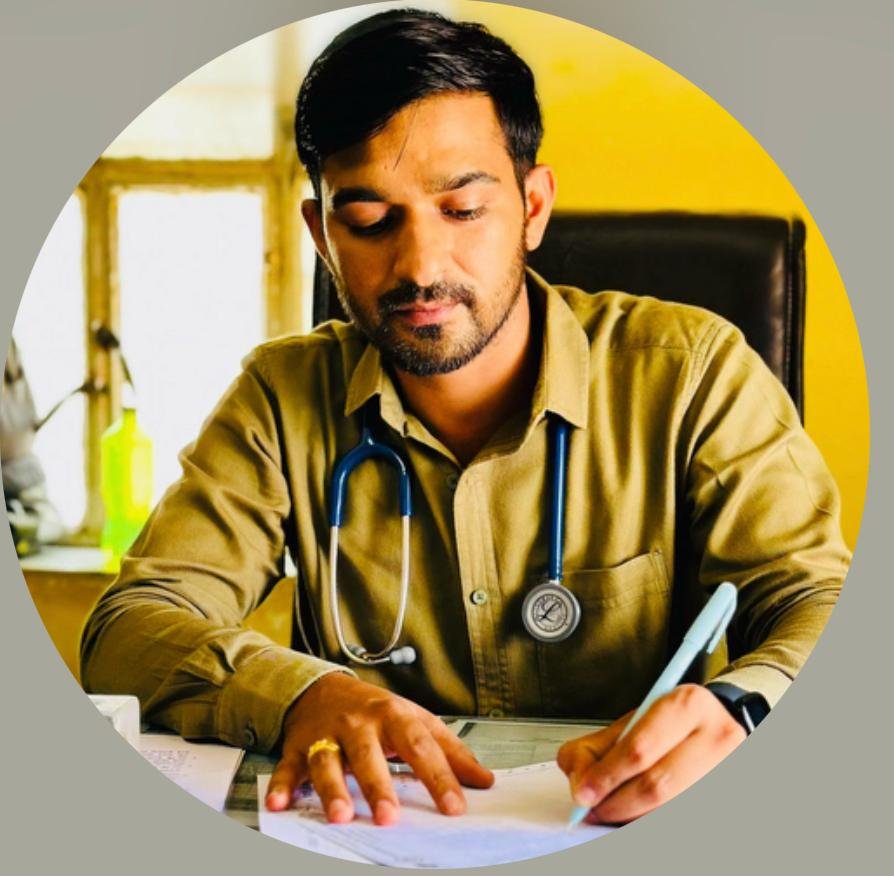
Dr. Anil Kumar
Author & Medical Reviewer — AtHomeCare
- Qualification: [Qualification — to be confirmed by publisher]
- Speciality: [Speciality — to be confirmed by publisher]
- Registration No.: RMC-79836
- Experience: 7 years
Dr. Anil Kumar reviews AtHomeCare’s home healthcare protocols — including elderly care, home nursing, home ICU and family communication standards — to keep our guidance medically accurate and safe for families.
Medical Review & Accountability
Why this matters for your family
Every clinical claim on this page — monitoring thresholds, escalation steps, infection prevention routines and care-level definitions — has been reviewed by a registered medical practitioner. AtHomeCare’s care plans in Ludhiana are executed under the same supervision structure described here, and our registered physician reviewer is accountable for the clinical standards we publish and practise.
This page is general health information for families and does not replace advice from your parent’s treating doctor.