Oxygen Therapy & Respiratory Care at Home in Kolkata
Comprehensive guide on oxygen therapy at home in Kolkata. Learn about oxygen concentrators, SpO₂ monitoring, specialist nursing support, and critical safety protocols.
For patients battling chronic respiratory diseases, maintaining adequate blood oxygen levels is critical. Oxygen therapy at home in Kolkata has become a vital service, allowing patients to receive prescribed breathing support in a familiar, comfortable environment without repeated hospital stays. AtHomeCare provides comprehensive home oxygen care in Kolkata, combining state-of-the-art medical equipment with expert clinical oversight.
This guide outlines everything families need to know about respiratory care at home in Kolkata, from equipment choices to safety guidelines and the role of skilled nurses.
When is Oxygen Therapy Needed at Home?
Doctors prescribe oxygen support at home in Kolkata when a patient cannot maintain adequate oxygen levels independently. It is a medical treatment, not a casual supplement. The treating physician determines the exact flow rate (liters per minute) and daily usage hours based on arterial blood gas (ABG) analysis or pulse oximetry.
Decision Guide: Who Needs Home Oxygen Support?
| Medical Condition | Indication for Home Oxygen |
|---|---|
| Severe COPD | Chronic low SpO2, breathlessness at rest |
| Post-COVID Fibrosis | Lung scarring causing persistent hypoxia |
| Heart Failure | Poor oxygenation due to cardiac dysfunction |
| Sleep Apnea (Severe) | Nocturnal desaturation (often with CPAP/BiPAP) |
Equipment: Oxygen Concentrator vs. Cylinder
Choosing the right equipment is a clinical decision. AtHomeCare assists families with oxygen concentrator rental in Kolkata, ensuring the machines meet medical specifications. We coordinate the Medical Equipment logistics, delivering and setting up the machines directly in the patient’s home.
| Feature | Oxygen Concentrator | Oxygen Cylinder |
|---|---|---|
| Power Source | Electricity required | No power needed |
| Oxygen Supply | Continuous (as long as powered) | Finite (empties with use) |
| Best Use Case | Long-term continuous therapy | Backup, travel, or short-term use |
| Maintenance | Regular filter checks | Refilling required |
💡 Tip: Power Backup is Essential
In Kolkata, power fluctuations can occur. We recommend keeping a fully charged small cylinder as a backup near the concentrator so the nurse can switch the patient immediately if the power fails.
The Role of a Home Nurse for Oxygen Patients
Administering oxygen is a clinical procedure. A home nurse for oxygen patient in Kolkata from AtHomeCare is trained to manage complex respiratory needs. Their duties extend beyond just turning on the machine.
- Continuous SpO2 and heart rate monitoring using pulse oximeters.
- Adjusting oxygen flow strictly according to the doctor’s prescription.
- Maintaining the oxygen concentrator (cleaning filters, checking tubing).
- Administering nebulization and inhaled medications as prescribed.
- Assisting with airway clearance techniques (chest physiotherapy).
- Educating the family on emergency procedures.
Our Home Nursing Services in Kolkata ensure that oxygen nursing care in Kolkata meets the highest clinical standards. For patients with highly complex needs, we can also deploy an ICU at Home setup with advanced ventilatory support.
AtHomeCare Operational Workflow & Transparency
1. Recruitment & Clinical Screening
Our nurses and Patient Care attendants undergo rigorous background checks and credential verification. For respiratory cases, we specifically screen for nurses with ICU or pulmonary department experience.
2. Specialized Training
Selected caregivers receive specialized training in COPD home care in Kolkata, oxygen toxicity prevention, and fire safety protocols related to compressed gases. They are trained to handle BiPAP, CPAP, and high-flow oxygen concentrators.
3. Shift Handovers & Supervision
For 24/7 care, we enforce structured shift handovers. The outgoing nurse documents the patient’s 24-hour SpO2 trends, medication compliance, and equipment status before transferring care. Our clinical supervisors conduct periodic quality audits.
4. Equipment Logistics & Pharmacy Integration
We handle the entire logistics of equipment delivery, setup, and maintenance. Furthermore, our Pharmacy integration ensures that respiratory medications, inhalers, and nebulizer solutions are delivered to the home without delay.
5. Emergency Escalation
If a patient’s respiratory status deteriorates, our nurses follow a predefined emergency escalation protocol. We coordinate immediate Doctor Visits at home or arrange hospital transfers if advanced tertiary care is required.
Home Oxygen Safety Precautions
⚠ CRITICAL FIRE WARNING
Oxygen itself is not flammable, but it makes materials burn much faster and hotter. NO SMOKING is allowed in the same room or adjacent rooms where oxygen is in use. Keep oxygen at least 5 feet away from gas stoves, candles, and firecrackers.
Safety Checklist for Families
- Post “No Smoking” signs at the entrance of the patient’s room.
- Secure oxygen cylinders upright in a stand or cart to prevent tipping.
- Ensure electrical outlets are grounded and avoid using extension cords for concentrators.
- Keep fire extinguishers easily accessible in the home.
- Avoid using petroleum-based products (like Vaseline) near the patient’s nose; use water-based lubricants.
- Ensure the room is well-ventilated; keep a window slightly open.
Respiratory Care Timeline at Home
Day 1: Assessment & Setup
Nurse evaluates the home environment for safety. Oxygen concentrator is installed, flow rate is set per prescription, and baseline SpO2 is recorded.
Week 1: Stabilization
Continuous monitoring of oxygen saturation. Nurse identifies the patient’s baseline and ensures tolerance to the prescribed flow rate. Family is trained on basic equipment troubleshooting.
Week 2-4: Rehabilitation
If stable, Physiotherapy is introduced for chest expansion and breathing exercises. Focus on improving functional tolerance and reducing breathlessness during daily activities.
Month 1+: Long-term Maintenance
Routine nursing care continues. Elderly Care protocols are integrated to manage comorbidities. The treating physician reviews the ongoing need for oxygen therapy.
When to Seek Urgent Medical Attention
Our nurses are trained to identify early deterioration, but families must also be vigilant. If any of the following occur, contact the doctor immediately or prepare for hospital transfer:
- Sustained drop in SpO2 below 88% despite oxygen at the prescribed flow rate.
- Visible cyanosis (bluish tint to lips, face, or fingertips).
- Severe, gasping breathlessness that does not improve with rest.
- Confusion, agitation, or inability to stay awake.
- Sudden chest pain or irregular heartbeat.
Frequently Asked Questions
What is oxygen therapy at home in Kolkata?
It is the provision of supplemental oxygen to patients in their homes to treat chronic hypoxemia. It involves using an oxygen concentrator or cylinder under medical supervision.
How do I arrange an oxygen concentrator rental in Kolkata?
You can call AtHomeCare. We require a doctor’s prescription specifying the flow rate. We handle delivery, setup, and provide instructions on safe usage.
What is the difference between an oxygen concentrator and a cylinder?
A concentrator extracts oxygen from room air using electricity and never “runs out” as long as there is power. A cylinder contains a fixed amount of compressed oxygen and is used as a backup or for portability.
Can a patient care attendant manage oxygen at home?
An attendant can help with basic positioning and alerting the nurse, but clinical management of oxygen therapy, including flow rate adjustments and SpO2 monitoring, must be done by a skilled nurse.
How often should SpO2 be monitored?
For patients on continuous oxygen, SpO2 should be checked regularly (e.g., every 2-4 hours or as clinically indicated) and recorded to ensure the therapy is effective.
Is it safe to use oxygen 24/7 at home?
Yes, if prescribed by a doctor. Continuous oxygen requires strict safety protocols, including fire safety, equipment maintenance, and monitoring for oxygen toxicity.
What are the fire safety rules for home oxygen?
No smoking near the patient or equipment. Keep oxygen away from open flames, gas stoves, and candles. Ensure electrical connections are safe and do not use aerosol sprays nearby.
Can oxygen therapy cure COPD?
No, oxygen therapy does not cure COPD, but it manages the symptoms, prevents complications of low oxygen, and significantly improves the patient’s quality of life and survival rates.
What flow rate should be used?
The flow rate (liters per minute) is strictly determined by the treating physician based on blood gas reports. Never adjust the flow rate without medical advice, as too much oxygen can be harmful.
What happens if there is a power cut?
AtHomeCare advises keeping a backup oxygen cylinder handy. The nurse or family can quickly switch the patient to the cylinder until power is restored.
Do you provide 24/7 nursing for oxygen patients?
Yes, we provide 24/7 home nursing services in Kolkata with structured shift handovers to ensure continuous monitoring for critical respiratory patients.
Can oxygen be used with a CPAP or BiPAP machine?
Yes, oxygen can be bled into CPAP or BiPAP machines if prescribed by the doctor. Our nurses are trained to manage these combined setups.
How do I know if the oxygen therapy is working?
The primary indicator is the SpO2 level, which should remain at or above the target set by the doctor (usually 90-92% for COPD). The patient will also show reduced breathlessness and improved activity tolerance.
What are the side effects of oxygen therapy?
If used improperly (high flow for long periods), it can cause oxygen toxicity or dry nasal passages. We use humidifiers to prevent dryness and monitor flow rates closely.
Does AtHomeCare provide emergency escalation for oxygen patients?
Yes. If a patient deteriorates, our nurses initiate emergency protocols, inform the treating doctor, and coordinate hospital transfers if advanced care is needed.
Can an elderly patient be left alone with an oxygen concentrator?
It is not recommended. Elderly patients on continuous oxygen should have a caregiver or nurse present to monitor them and handle emergencies or power outages.
How is the equipment sanitized and maintained?
Our nurses clean the concentrator filters regularly, change nasal cannulas as needed, and ensure the tubing is free of kinks. Equipment is deep-cleaned between patient assignments.
What is the process to start oxygen therapy at home with AtHomeCare?
Call us with the patient’s prescription. We will assess the requirement, deploy the equipment, and assign a trained nurse to initiate the care plan.
Do you provide home healthcare services across all of Kolkata?
Yes, AtHomeCare provides respiratory care, nursing, and equipment services across all major areas of Kolkata, including Salt Lake, New Town, Behala, and Howrah.
Is home oxygen therapy covered by insurance?
Coverage depends on your specific health insurance policy. We provide all necessary medical documentation and invoices required for insurance claims.
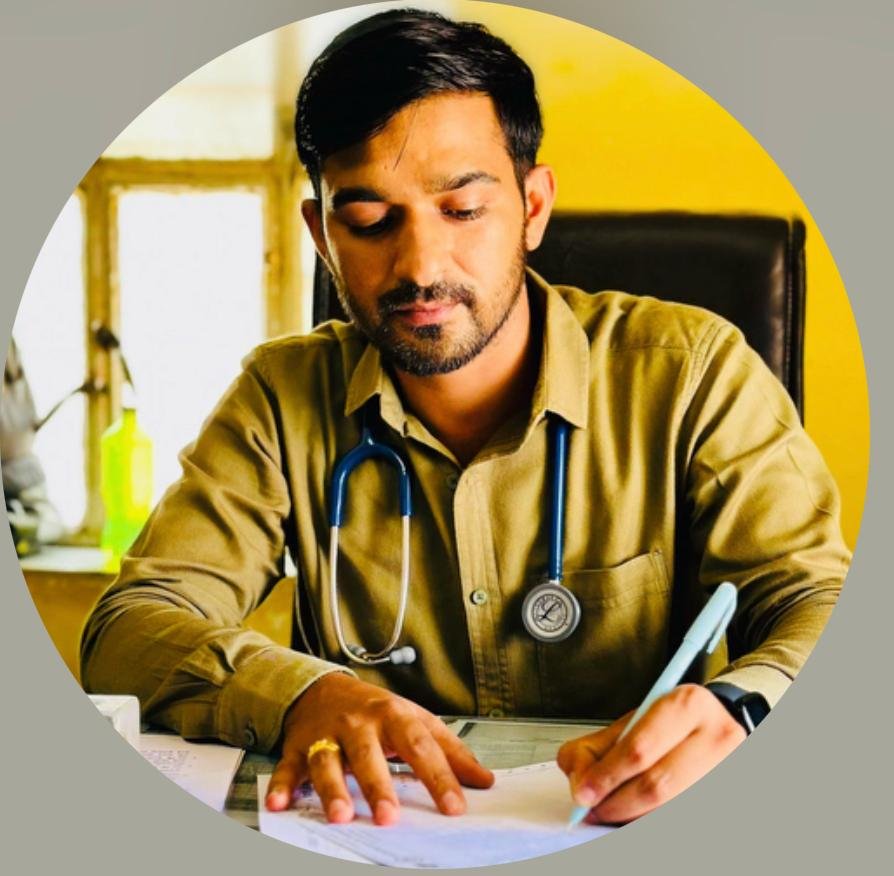
Medical Reviewer & Author
Need Oxygen Therapy Support in Kolkata?
Speak with our care team today to arrange concentrator rentals and skilled nursing.