Diabetes Care at Home in Amritsar: Complete Guide to Nursing Support
Comprehensive medical guidance on diabetes care at home in Amritsar. Learn about blood sugar monitoring, insulin assistance, diabetic foot care, and daily patient management.
What Is Diabetes Home Care?
Diabetes is a chronic metabolic condition requiring continuous, vigilant management. For families in Amritsar, accessing professional patient care services ensures that elderly or dependent diabetic patients receive medical-grade supervision without the stress of frequent hospital visits. Home care bridges the gap between medical treatment and daily lifestyle management.
Which Diabetes Patients Need Professional Home Care?
Not every diabetic patient requires home care, but specific clinical profiles benefit significantly:
- Elderly patients with mobility issues or cognitive decline.
- Patients recently discharged after a diabetic emergency (DKA or HHS).
- Patients with severe peripheral neuropathy or foot ulcers.
- Visually impaired patients who cannot self-administer insulin.
- Patients requiring complex medication regimens and frequent monitoring.
Importance of Regular Blood Sugar Monitoring
Our home nursing services in Amritsar utilize calibrated glucometers to ensure accurate readings. Consistent monitoring prevents silent organ damage and acute metabolic crises.
Target Blood Sugar Ranges
| Time of Test | Target Range (mg/dL) | Action Required if Out of Range |
|---|---|---|
| Fasting (Morning) | 80 – 130 | Adjust basal insulin or nighttime diet. |
| Pre-meal | 80 – 130 | Adjust rapid-acting insulin dosage. |
| Post-meal (2 hrs) | < 180 | Review carbohydrate intake and exercise. |
| Bedtime | 100 – 140 | Prevent nocturnal hypoglycemia with a snack if low. |
Medication and Insulin Assistance at Home
Insulin management requires precision. A trained diabetic patient caregiver ensures that insulin is stored correctly (refrigerated, not frozen) and administered at the exact same times daily. Our integrated pharmacy ensures uninterrupted supply of life-saving medications.
Diet and Hydration Support for Diabetic Patients
💡 Tip Box: Diabetic Plate Method
A simple way to manage portions: Fill half the plate with non-starchy vegetables, one quarter with lean protein, and one quarter with complex carbohydrates. Add a glass of water or unsweetened beverage.
Diabetic Foot Care and Skin Care
Neuropathy causes loss of sensation, meaning patients may not feel a pebble in their shoe. Our elderly care protocols mandate daily foot checks. If a foot ulcer is detected, we coordinate immediate doctor home visits to prevent sepsis.
Mobility and Exercise Support
For patients with joint pain or neuropathy, physiotherapy at home can design safe exercise routines. We also arrange necessary medical equipment like walkers or canes to support mobility.
Diabetes Care for Elderly Patients
Hypoglycemia in the elderly can mimic dementia or cause fatal falls. Our caregivers are trained to recognize subtle signs of low blood sugar, such as sudden confusion or shakiness, and act immediately.
Recognizing Warning Signs That Require Medical Attention
⚠️ Emergency Note
If a diabetic patient becomes unresponsive, experiences seizures, or has a blood sugar reading below 54 mg/dL that does not improve with oral glucose, call an ambulance immediately. Do not force food or drink into an unconscious patient’s mouth.
AtHomeCare Operational Workflow & Transparency
Recruitment & Screening
All nurses and caregivers undergo strict background checks, document verification, and skill assessments. For complex diabetic patients, we deploy staff specifically trained in endocrine care protocols.
Quality Monitoring & Shift Handovers
For 24/7 care, structured shift handovers are mandatory. The outgoing nurse briefs the incoming nurse on blood sugar trends, insulin doses given, and dietary intake. Field supervisors conduct random quality checks and review daily logs.
Emergency Escalation & Logistics
In case of a diabetic emergency, our clinical coordinator alerts the treating physician and coordinates ambulance transfer if needed. We also manage Home ICU deployment if critical care becomes necessary, handling all medical equipment logistics seamlessly.
Frequently Asked Questions About Diabetes Care at Home in Amritsar
1. What does a diabetes caregiver do at home in Amritsar?
A diabetes caregiver assists with blood sugar monitoring, insulin administration, medication reminders, meal preparation according to dietary guidelines, and daily foot inspections to prevent complications.
2. Can home nurses administer insulin injections?
Yes, qualified home nurses are trained to safely administer insulin, monitor for signs of hypoglycemia, and educate patients on proper injection site rotation.
3. How often should a diabetic patient’s blood sugar be monitored at home?
The frequency depends on the doctor’s prescription, but typically ranges from 1 to 4 times daily, especially before meals and at bedtime for patients on insulin.
4. Why is foot care so important for diabetic patients?
Diabetes causes poor circulation and nerve damage in the feet. Daily foot checks help identify cuts or blisters early, preventing severe infections that could lead to amputation.
5. Does AtHomeCare provide lab sample collection in Amritsar?
Yes, AtHomeCare coordinates home sample collection for HbA1c, lipid profiles, and other blood tests to ensure continuous monitoring without the patient needing to travel.
6. How much does diabetes home care cost in Amritsar?
The cost varies depending on whether you need a part-time attendant, a full-time nurse, or 24/7 live-in care. Contact us for a customized quote based on a free medical assessment.
7. Can a caregiver manage a patient with a diabetic foot ulcer?
Yes, our nurses are trained in wound care. They perform daily dressing changes, monitor for signs of infection, and ensure the patient offloads pressure from the affected foot.
8. What is hypoglycemia and how is it handled at home?
Hypoglycemia is low blood sugar (below 70 mg/dL). Caregivers treat it immediately with 15 grams of fast-acting carbohydrates (like glucose tablets or juice) and recheck blood sugar after 15 minutes.
9. Are the caregivers trained to handle diabetic emergencies?
Yes, our staff are trained to recognize the signs of diabetic ketoacidosis (DKA) and severe hypoglycemia. They follow a strict emergency escalation protocol to ensure the patient gets medical help fast.
10. Can home care help with diabetic diet planning?
While caregivers do not create medical diet plans, they are trained to cook meals according to the diet chart provided by your doctor or nutritionist, ensuring proper portion sizes and ingredient control.
11. How does AtHomeCare verify the identity of its nurses?
We conduct thorough background checks, verify government-issued IDs, and validate nursing licenses with the state nursing council before any staff is deployed to a patient’s home.
12. What happens if the nurse is sick or takes leave?
We have a backup roster system. If your assigned nurse is unavailable, our coordinator will arrange a replacement nurse with the same skill set to ensure uninterrupted care.
13. Is diabetes home care suitable for Type 1 diabetes?
Yes, Type 1 diabetes requires strict insulin management and frequent monitoring. Our skilled nurses are fully equipped to manage Type 1 patients, including pediatric cases.
14. Do you provide services in all areas of Amritsar?
Yes, we provide home healthcare services across Amritsar, including major localities like Ranjit Avenue, Lawrence Road, and the Cantonment area.
15. Can a caregiver assist with mobility for a weak diabetic patient?
Absolutely. Caregivers assist with safe transfers, walking, and prescribed exercises. We can also arrange for mobility aids like walkers through our medical equipment rental service.
16. How are medication refills managed?
Through our integrated pharmacy service, our team tracks your medication inventory and coordinates home delivery of refills so you never run out of critical medicines.
17. What is the minimum booking duration for a diabetes caregiver?
We offer flexible plans, but for chronic conditions like diabetes, we typically recommend a minimum of 12-hour or 24-hour shifts to ensure proper monitoring and care continuity.
18. How do you ensure infection prevention at home?
Our staff follows strict hygiene protocols, including regular hand sanitization, proper disposal of medical waste (like used needles and strips), and maintaining a clean environment for the patient.
19. Can the caregiver accompany the patient to hospital visits?
Yes, if required and pre-arranged, a caregiver or nurse can accompany the patient to hospital visits to assist with mobility and communicate medical observations to the treating doctor.
20. How do I arrange for diabetes care services in Amritsar?
Simply call us at 9910823218 or message us on WhatsApp. Our clinical team will conduct a free assessment and design a customized care plan for your loved one.
Doctor Review & Author Information
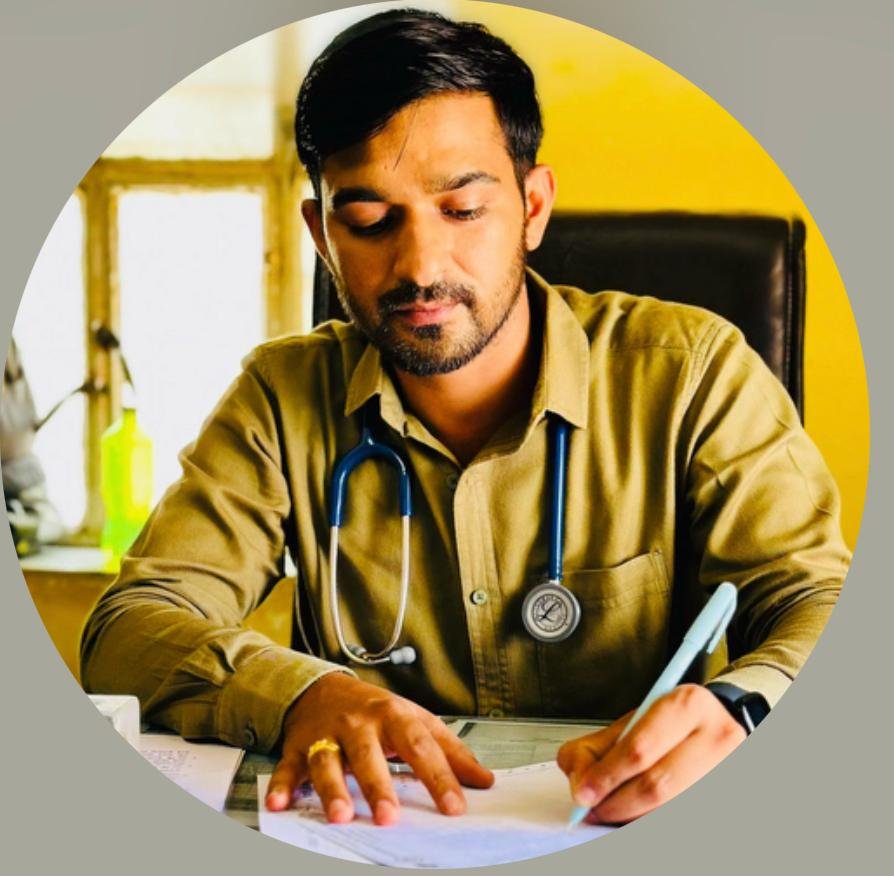
Dr. Anil Kumar
Qualification: MBBS, MD (Internal Medicine)
Speciality: Geriatric Medicine & Chronic Care Management
Registration Number: RMC-79836
Years of Experience: 7 Years
This article has been medically reviewed for clinical accuracy and relevance to home healthcare practices.