Caregiver Training for Families in Amritsar: Learning Safe Patient Handling at Home
A complete, doctor-guided guide for Amritsar families who want to learn safe patient handling themselves — transfers, lifting, positioning, hygiene and emergency readiness — with supervised, hands-on practice instead of guesswork.
Quick summary: Family caregiver training teaches you, step by step, how to move, lift, turn, bathe and feed a loved one safely at home. AtHomeCare’s caregiver training in Amritsar happens in your own home with a supervising nurse, so every skill is practised on your family member, with your furniture, in your real situation — not just demonstrated.
What Is Caregiver Training for Families in Amritsar?
Caregiver training for families is hands-on coaching that teaches relatives how to safely move, lift, turn, position, bathe and feed a loved one at home. A supervising nurse from AtHomeCare demonstrates each skill, then watches you practise it until you can do it confidently — usually over several sessions at your own home in Amritsar.
Most families in Amritsar learn patient care by trial and error. A mother needs help getting out of bed, so her son pulls her up by the arm. A grandfather cannot walk to the bathroom, so his grandson half-carries him down the corridor. It works for a while — until someone’s back gives out, or the patient’s skin gets bruised, or a fall happens in the bathroom.
Professional caregivers are taught a different way. They learn body positions, weight shifting, the correct grip, the right order of steps, and what to do when something goes wrong. This knowledge is not a secret. It can be taught to family members, and it changes daily life enormously.
Family caregiver education through AtHomeCare is exactly this: a structured program where a trained nurse or senior caregiver comes to your home in Amritsar and teaches you the same techniques used by professional attendants. You do not sit through a lecture. You learn by doing — on your own bed, with your own family member, under close supervision until each movement becomes safe and repeatable.
This is a caregiver support service, not a replacement for care. Many families use it alongside a professional attendant, so that everyone in the house — the attendant, the daughter, the son, even a helpful neighbour — follows the same safe method instead of three different risky ones.
Why Family Caregivers in Amritsar Need Patient Handling Training
Families need patient handling training because most home injuries during care happen during movement — transfers, lifting and bathing. Untrained helpers risk back injuries, shoulder strains and falls themselves, while the person being helped risks skin tears, bruising and serious falls. Structured patient handling training removes most of these risks in a matter of sessions.
In many Amritsar households, care is a family affair. Joint families share the work. Working children return in the evening and take over from whoever was home during the day. This is a beautiful part of our culture — but it has a hidden cost when nobody has been taught the correct techniques.
The three costs of untrained caregiving
- Cost to the caregiver’s body. Lower back strain is the single most common injury among family caregivers. A wrong lift — bending at the waist and pulling — puts hundreds of kilograms of pressure on the spine. One bad night of repeated wrong lifts can create pain that lasts for months, leaving two people needing care instead of one.
- Cost to the patient. Pulling someone up by the arms can bruise fragile skin, strain shoulders, and — when a grip slips — cause a fall. Repeated friction during dragging across bedsheets damages skin and is a leading cause of pressure sores in people who spend long hours in bed.
- Cost to the whole family. When the main caregiver is injured or exhausted, the care plan collapses. Hospital visits get missed. Medicines get delayed. Everyone becomes more stressed.
💡 Key point
Almost every “care accident” at home is not bad luck. It is a technique problem. And technique problems have teachable solutions. This is exactly why caregiver training in Amritsar exists — so that safety becomes a habit, not a hope.
Why this matters in Amritsar specifically
Amritsar families often manage care with limited outside help. Staircases are common in independent houses. Bathrooms are frequently small, with high thresholds and wet floors. Beds at home are usually softer and lower than hospital beds. None of these are problems by themselves — but each one changes how a transfer must be done safely. A technique learnt generically from a video may simply not fit your home.
That is why our training is delivered inside your home. Serving patients across Amritsar through our regional care network, our supervisors see your actual staircase, your actual bathroom, your actual bed — and teach you methods that work there.
Watching a Caregiver Is Not the Same as Learning
Watching a professional attendant transfer a patient looks easy, but it hides dozens of micro-decisions: where to stand, where to place the feet, how to grip, when to shift weight. Family members who only watch cannot reproduce those decisions. Hands-on training, where you perform each step under supervision and get corrected in real time, is what turns watching into ability.
Think about how people learn to drive. Watching someone drive for a hundred hours does not make you a driver. You need your hands on the wheel with an instructor beside you. Patient handling works the same way.
| Aspect | Watching an attendant | Supervised family training |
|---|---|---|
| Where knowledge lives | In the attendant’s hands only | In the whole family — attendant, son, daughter, spouse |
| When the attendant is off duty | Family improvises, often unsafely | Family continues with the same safe method |
| Mistakes | Not noticed, repeated daily | Corrected immediately during practice |
| Confidence in an emergency | Low — “wait for the attendant” | Higher — clear steps for the first 10 minutes |
| Caregiver back injuries | Common among family helpers | Greatly reduced with correct body mechanics |
| Skin injuries to the patient | Frequent friction and pulling | Minimised with slide, don’t drag principles |
This is the core idea behind AtHomeCare caregiver training: the skills should not leave the house when the professional does. A family that has been properly trained keeps the safety level high around the clock, including nights, weekends and the hours when no attendant is present.
⚠️ Warning
Do not attempt to copy techniques from short internet videos and apply them directly to your family member. Video demonstrations are usually performed on willing, able-bodied volunteers on adjustable hospital beds. Real homes in Amritsar — with fixed beds, narrow doorways and family members in real discomfort — need techniques adapted by a professional standing next to you. That is what supervised training provides.
What AtHomeCare Family Training Covers
AtHomeCare’s family training in Amritsar covers seven practical skill areas: safe bed-to-chair and chair-to-bed transfers, correct lifting and body mechanics, repositioning schedules for people who sit or lie for long hours, hygiene routines including bathing and diaper changes, safe feeding positions, fall prevention around the home, and basic emergency response. Each module includes demonstration, guided practice and a written routine for your home.
Training is always tailored. A family whose relative walks with support needs a different program from a family caring for someone who spends most of the day in bed. The supervisor assesses your situation first, then builds the session plan around it. Below are the modules most Amritsar families receive.
Module 1: Assessment & Home Safety Walkthrough
Before any skill is taught, the supervisor studies the home: bed height, floor surfaces, bathroom access, lighting, door widths and available helpers. You receive a written list of small changes that make every later skill safer.
Module 2: Safe Transfer Training
Bed to chair, chair to toilet, chair to bed, and supported walking. Includes gait-belt use, correct stance, weight shifting and the “count of three” coordination method for two helpers. See the full section on safe transfers below.
Module 3: Body Mechanics for Caregivers
How to protect your own back and shoulders: feet placement, bending at the hips and knees, keeping the load close, and using leg muscles instead of back muscles. Detailed in the safe lifting section.
Module 4: Positioning & Turning
Repositioning schedules every two hours, correct pillow placement for side-lying and back-lying, and how to move someone up in bed without friction burns. Read more in positioning and repositioning.
Module 5: Hygiene & Daily Routines
Bed bathing, sponge bathing, oral care, diaper changing with dignity, and safe feeding posture to prevent choking. Covered in the hygiene routines section.
Module 6: Fall Prevention
Removing household hazards, safe bathroom technique, footwear, lighting and the “never catch, guide down” principle if a fall begins. Explained in fall prevention.
Module 7: Emergency Response Basics
What to check first, when to call 108, how to keep someone safe and still while waiting, and the information ambulance crews need from you. Detailed in emergency readiness.
Module 8: Written Home Routine
At the end of training you receive a personalised, one-page routine sheet — timings, positions, reminders and escalation phone numbers — designed for your home and pinned where the family can see it.
| Module | Sessions needed (typical) | Practice format |
|---|---|---|
| Home assessment | 1 visit | Walkthrough + written recommendations |
| Safe transfers | 2–3 visits | Demonstration → guided practice → independent practice with checks |
| Body mechanics | Woven into every transfer session | Continuous correction during practice |
| Positioning & turning | 1–2 visits | Full 24-hour positioning plan built with the family |
| Hygiene routines | 1–2 visits | Supervised bath/diaper/feeding practice |
| Fall prevention | 1 visit | Room-by-room checklist completed together |
| Emergency response | 1 visit | Scenario practice + written escalation card |
| Follow-up review | After 1–2 weeks | Supervisor observes real routines, corrects drift |
Most families complete the core program in one to two weeks, with visits timed to the family’s availability — early morning before work, or evening after office hours. The pace is yours. Nobody is rushed, and no technique is signed off until you can perform it comfortably twice in a row without correction.
Safe Transfer Training: Moving Your Loved One Without Injury
A safe transfer moves a person from bed to chair, chair to toilet, or bed to wheelchair using a planned sequence: prepare the space, position yourself correctly, communicate clearly, and use a gait belt with your legs — not your back — to do the work. The single most important rule is to slide and pivot, never to lift with your arms alone or drag across surfaces.
Transfers are where most training time is spent, because transfers are where most real-life accidents happen. Below is the standard method our supervisors teach in Amritsar homes. Practise it only after a professional has watched you do it — the written steps support memory, they do not replace supervised practice.
The seven steps of a safe bed-to-chair transfer
- Prepare the chair first. Lock the wheelchair wheels. Place the chair at a 45-degree angle to the bed on the person’s stronger side. Remove rugs and slippers from the path.
- Raise the bed to working height if it is adjustable. The bed should be roughly level with the chair seat. A bed that is too low forces you to bend deeply — the exact position that injures backs.
- Bring the person to the edge of the bed and get them sitting upright. Roll them to their side, drop their feet off the edge, then help them push up to sitting with their hand. Let them rest here for 30–60 seconds; moving from lying to standing too fast causes dizziness.
- Put on the gait belt snugly around the waist, over clothing, with enough room to slide your fingers underneath but no more. The belt is your handle. Never hold onto arms or under the armpits — shoulders dislocate far more easily than people expect.
- Position yourself. Stand facing the person. Your feet shoulder-width apart, one foot slightly forward between their feet. Your knees slightly bent. Your back straight.
- Communicate and move together. Explain each step before doing it: “On the count of three, you push up with your hands, I will guide you, and we will turn and sit.” Count aloud together: one… two… three. Rock gently to build momentum if needed, then pivot — small steps — toward the chair.
- Lower slowly and confirm. Bend your knees as they sit. Check that hips are pushed to the back of the chair and posture is upright. Remove or loosen the belt only when fully settled and stable.
✅ Quick checklist before any transfer
- Wheels locked, path clear, floor dry
- Bed at working height, brakes applied if adjustable
- Gait belt on, snug and secure
- Both of you wearing non-slip footwear — no bare feet, no loose slippers
- Person has rested in sitting position and reports no dizziness
- You know which side is their stronger side — and you stand there
- Your phone is in your pocket in case you need help mid-transfer
| Situation | One trained person | Two trained people |
|---|---|---|
| Person can bear some weight on their legs and follow instructions | ✔ Usually safe with a gait belt and correct technique | ✔ Extra safety for the first attempts |
| Person needs full support to stand | ✘ Not safe alone — high injury risk for both | ✔ Standard: one person stabilises the knees, the other guides the trunk |
| Person spends nearly all day in bed and cannot stand | ✘ Never lift alone | ✔ Use a slide sheet, or arrange equipment support |
| Narrow bathroom doorway | ✘ Risky if the helper cannot stand beside properly | ✔ One guides from behind, one receives in front |
Families caring for someone with very limited mobility often benefit from reading our guide on two-attendant transfer support and our notes on when a second trained person is genuinely required. If your home situation needs equipment — slide sheets, a raised toilet seat, a transfer board — our team arranges it; see our notes on medical equipment rental and logistics.
⚠️ Never do these during a transfer
- Never pull a person up by the arms or under the armpits.
- Never grab clothing as a handle — seams tear and grips slip.
- Never drag a person up the bed by pulling the sheets under them; use a slide or repositioning sheet instead.
- Never attempt a transfer when you are tired, unwell, or the person is in sudden pain — wait, get help, or let a professional attendant step in.
Safe Lifting Techniques and Body Mechanics for Caregivers
Safe lifting for caregivers means letting your leg muscles do the work instead of your back. Keep your spine straight and upright, bend at the hips and knees, hold the load close to your body, and avoid twisting while holding weight. Combine this with a gait belt, good footwear and planned movements, and the “lift” becomes a controlled shift of shared weight rather than a strain.
Your spine is strongest when stacked vertically. The moment you bend forward at the waist while holding weight, the pressure on your lower back multiplies several times. Caregivers do not usually get injured because they are weak — they get injured because they repeat a bent-back pull dozens of times a day until something gives way.
The five body-mechanics rules
- Feet first, always. Shoulder-width stance, one foot forward, toes pointing in the direction you will move. Wide, planted feet are your base of support.
- Bend knees, not waist. Squat down to reach low objects like footrests. Keep the natural curve of your lower back.
- Keep the load close. The further a person is from your body, the heavier they become for your spine. Hold the gait belt close, with elbows tucked in.
- Turn with your feet, never twist your trunk. If you must change direction during a transfer, move your feet. Twisting while holding weight is the fastest route to a back injury.
- Use momentum and coordination. A gentle rock before the lift, a clear count of three, and smooth continuous movement cost less energy than sudden jerky strength.
What to do when a person is heavier than you can lift
This is not a failure — it is information. If a safe transfer needs more strength than you have, the correct response is to change the system, not to try harder. Options include a second trained helper, a slide sheet for bed moves, a transfer board for chair-to-chair moves, raising the toilet seat height, and adjusting bed height. Our supervisors help you choose, and equipment logistics are handled by AtHomeCare so that setup happens at your home without you chasing suppliers. For deeper reading, our teams have documented walker-assisted transfer practice and wheelchair transfer and hygiene support used in daily home care.
💡 Caregiver self-protection habit
Before every transfer, silently run the phrase: “Feet wide, knees bent, load close, no twist.” Four beats, two seconds. It sounds trivial, but trained caregivers who use a pre-movement phrase keep correct posture under stress far more consistently than those who rely on memory alone.
Positioning and Repositioning: Protecting Skin, Comfort and Breathing
Repositioning means changing a person’s body position on a fixed schedule — commonly every two hours for someone in bed, and every hour of pressure shifts for someone in a chair — to protect skin from constant pressure, keep joints comfortable and help the lungs stay clear. Families learn three core positions, correct pillow placement and a written turning timetable for their home.
Skin is remarkably tolerant of movement and remarkably intolerant of constant pressure. Where bone sits close to the surface — the back of the head, shoulder blades, elbows, tailbone, hips, heels — unrelieved pressure slowly cuts off blood supply, and a pressure sore begins, often invisibly. Regular repositioning is the simplest, most powerful prevention, and it is a skill every family member can learn.
| Time | Position | Why this position |
|---|---|---|
| 8:00 AM | Upright in bed or chair for breakfast | Safe swallowing, digestion, social interaction |
| 10:00 AM | Left side-lying, pillow between knees, pillow behind back | Relieves tailbone and heel pressure |
| 12:00 PM | Right side-lying, repositioned pillows | Relieves left-side pressure points |
| 2:00 PM | Upright for lunch, back supported | Safe feeding position |
| 4:00 PM | Back-lying with small pillow under calves (heels floating) | Redistributes pressure across the back |
| 6:00 PM | Right side-lying | Pressure relief cycle continues |
| 8:00 PM | Upright for dinner | Safe swallowing |
| 10:00 PM / 12 AM / 2 AM / 4 AM | Alternate side-lying through the night | Nighttime turning matters as much as daytime turning |
Every position change is also a chance to check the skin. Our supervisors teach the “look and lift” habit: at every reposition, look at the pressure points, gently lift the person rather than sliding them across the sheet, and straighten wrinkled bedding — wrinkles act like small, constant pressure points of their own. For families who want the full prevention system, our detailed guides cover the two-hour turning routine used to prevent pressure sores, repositioning schedules in elderly care, and skin care and moisture management.
⚠️ Early warning signs on skin
Redness that does not fade within 20–30 minutes after pressure is removed is no longer simple blushing — it is an early pressure injury. Report it at your next supervision call and increase turning frequency on that area. Do not massage red areas over bone; it worsens the underlying tissue damage.
Hygiene Routines: Bathing, Diaper Changes and Safe Feeding
Home hygiene routines are taught as repeatable systems: a bed bath done top-to-bottom in sections with warm water and immediate drying; a diaper change done with the person rolled safely to one side, cleaned front-to-back, and skin-barrier cream applied; feeding done with the person upright, at a slow pace, with pauses to check comfort. Each routine protects dignity as much as it protects health.
Hygiene tasks are where family caregivers most often feel unsure, embarrassed or overwhelmed. Structured training removes the guesswork and — just as importantly — protects the person’s dignity, which matters enormously to how they feel about being cared for at home.
Bed bathing and sponge bathing
Wash in sections: eyes and face first with plain water, then arms, chest, legs and back, always drying thoroughly before moving to the next area, and always keeping the person covered with a towel except for the section being washed. Warm water, mild soap, short nails on your hands, and a steady room temperature make the difference between a comforting routine and an ordeal. Full technique, including water temperature and modesty management, is covered in our guide to the daily sponge bath routine for bedridden patients.
Diaper changing with dignity
The taught sequence: gather all supplies before starting; explain what you are doing; roll the person gently to one side using the log-roll principle; clean front-to-back with fresh wipes each pass; dry fully; apply barrier cream; and use the rolling technique to place the fresh diaper so the person is never lifted unnecessarily. We teach this exactly as described in our complete guide to diaper changing, with the small variations needed for different homes and body types.
Safe feeding posture
Feeding is a positioning skill before it is anything else. The person sits as upright as possible — at least 60 degrees if in bed — chin slightly tucked, small spoonfuls, unhurried pace, and 30 minutes of staying upright after the meal. Coughing, a wet-sounding voice, or food pocketing in the cheek are signs to pause and adjust; persistent difficulty needs a professional review. Our teams follow the methods detailed in safe feeding positioning for caregivers and feeding without choking.
💡 The dignity rule
Talk to the person, not over them. “I am going to wash your left arm now — is the water warm enough?” takes three seconds, keeps them in control of their own body, and reduces resistance that makes every task harder. Families who adopt this habit early report calmer routines within days.
Preventing Falls While You Help Someone Move
Most home falls happen in three places: beside the bed, on the way to the bathroom, and inside the bathroom itself. Training covers removing loose rugs, adding night lighting and non-slip mats, wearing proper footwear, keeping frequently needed items within arm’s reach, and — critically — the “guide down” technique if a fall begins, rather than trying to catch a falling adult.
An adult falling cannot be caught by holding an arm — the forces involved dislocate shoulders and injure both people. The trained response is to stay low, stay close, guide the person’s body downward in a controlled way toward the nearest soft landing, and protect the head. This counter-intuitive technique is one of the most valuable things a family learns, and it can only be taught properly with practice under supervision.
✅ Home safety checklist completed with your supervisor
- Loose rugs removed or fixed flat with non-slip backing
- Night path from bed to bathroom lit with plug-in night lamps
- Non-slip mat inside the bathroom; grab bar installed if possible
- Well-fitting, non-slip footwear used all day — never socks on tile
- Water, phone, glasses, medicines and remote kept within arm’s reach of bed and chair
- Floor clutter, wires and low stools cleared from walking paths
- Staircase has a working handrail; top and bottom steps clearly visible
- A bell or phone always within the person’s reach to call for help
Families can extend this with our fuller resources on comprehensive fall prevention and creating a senior-friendly home. If a fall does happen, knowing exactly what to check in the first ten minutes matters — our step-by-step guide covers the first 10 minutes after a fall at home.
How the Amritsar Training Program Works, Step by Step
The program runs in five stages: a phone assessment, a home visit and safety walkthrough, skill sessions delivered at your home, a written home routine, and a follow-up review visit. Most families complete core training in one to two weeks, with each session lasting 60–90 minutes and scheduled around your availability.
Your training journey
-
Step 1 — Phone or WhatsApp assessment (Day 1)
Call 9910823218 or message us. A care coordinator asks about your family member’s mobility, daily routine, who helps at home and what worries you most. This call shapes the training plan.
-
Step 2 — Home visit and assessment (Day 1–3)
A supervising nurse visits your home anywhere in Amritsar, walks through the house, watches a typical transfer and routine, and lists exactly what to change and what to teach. You receive this as a written plan.
-
Step 3 — Skill sessions (Week 1–2)
Modules are delivered in the order your family needs most. Every session ends with you performing the skill independently while the supervisor observes. Nothing is marked complete until it is done correctly twice.
-
Step 4 — Written home routine (End of Week 2)
You receive a personalised one-page routine: turning times, transfer reminders, feeding posture notes, emergency numbers and equipment list — designed for your house, not a template.
-
Step 5 — Follow-up review (Week 3–4)
The supervisor returns, watches your real morning routine, corrects any drift from the taught techniques, answers new questions and updates the routine. Families can request additional reviews any time.
📋 What to prepare before your first training visit
- List all current helpers in the house — everyone who touches the daily routine should attend at least one session.
- Note the times of day when transfers and meals happen, so the supervisor can observe real routines.
- Keep current medicines and any hospital discharge papers on the table for review.
- Have a notebook or phone ready — families who write things down retain techniques far better.
Training is also available as a shorter format for families who only need one or two skills — for example, a single focused session on safe transfers before a hospital discharge. Speak with the coordinator on 9910823218 about what fits your situation.
Inside AtHomeCare’s Care and Training Operations
Family training is delivered through the same operational system AtHomeCare uses for professional caregiving: structured recruitment and background screening of caregivers, verification of documents, supervised practical training, ongoing quality monitoring, infection prevention protocols, coordinated equipment logistics and transport, accommodation support for long-distance attendants, documented shift handovers, integrated pharmacy support, home ICU deployment when needed, and a defined emergency escalation chain. These are working practices, not promises on a brochure.
Families in Amritsar often ask a fair question: who exactly is coming into our home, and how do we know they are qualified? Here is how the system behind your trainer and any attending caregiver actually runs.
Recruitment, screening and verification
Caregivers and nurses join only after document verification (identity, address and qualification papers), reference checks on prior work, and a practical skills assessment — not just an interview. Background verification is treated as a safety requirement for every placement, mirroring the standards described in our guide to caregiver background checks.
Structured caregiver training and supervision
Professional attendants complete practical training in transfers, positioning, hygiene, feeding and observation before deployment, and then work under nurse supervision with periodic reassessment. The supervisor who trains your family holds the same standards used to train and audit our own staff — which is why family training and professional service stay consistent with each other. Our approach is described in nursing supervision of home attendants.
Quality monitoring and documentation
Supervisory visits follow defined checklists. Care notes and shift reports are maintained for ongoing assignments, so that any two people providing care — professional or family — work from the same current picture. Quality issues are logged, reviewed and corrected; the family is kept informed rather than left to discover problems.
Infection prevention in the home
Hand hygiene before and after every care contact, safe handling of used linens, correct glove use for hygiene tasks, and clean storage of care supplies are taught as standard habits to both staff and families. These practices follow the same prevention logic documented in our infection prevention protocols for home care.
Equipment logistics and transport coordination
When training reveals a need — a hospital bed, an air mattress, a wheelchair, a slide sheet, a raised toilet seat — AtHomeCare coordinates delivery, installation and demonstration at the home, along with servicing and replacement, so equipment never becomes a family’s side project. Hospital visits and follow-ups are supported through planned transport coordination.
Shift handovers and accommodation support
For families using professional attendants alongside training, day and night shifts end with a structured handover: what changed during the shift, what was eaten, how the skin looked at the last turning, and anything the next person must watch. For long-term or outstation assignments, AtHomeCare arranges accommodation support for attendants so continuity of care is not broken by housing problems.
Integrated pharmacy and home ICU deployment
Medicines can be organised through AtHomeCare’s integrated pharmacy coordination — refills, delivery timing and reconciliation against the prescription — reducing the daily medication errors described in our medication monitoring guide. When a family member’s condition needs a higher level of support at home, the same network can deploy a home ICU setup with trained nursing, following the frameworks in our home ICU setup guide and critical care at home model.
Emergency escalation
Every family under AtHomeCare support receives a clear escalation chain: who to call first, the supervisor’s contact, the ambulance number, and which hospital the family prefers. Families trained in first-response steps — see our first-response guide before the ambulance arrives — are never left guessing in a crisis.
Who Should Do What: Deciding Between Family Care and Professional Support
A simple rule guides most families: family members learn and perform skills that need one safe, steady pair of hands and emotional closeness — transfers with partial support, repositioning, meals, companionship. Tasks needing clinical judgement, continuous observation, or strength beyond the family’s capacity belong to trained professionals. Most Amritsar families do best with a trained attendant or nurse for the heavy clinical load and trained family for everything in between.
Start here: Can your family member bear weight on their legs and follow simple instructions?
Yes → One trained family member can usually manage transfers with a gait belt. Attend training Module 2, practise under supervision, and keep a professional for reviews and backup.
No, or not reliably → Plan for two trained people per transfer or equipment-supported moves. Strongly consider a professional patient care attendant — see our service guide on patient attendant services.
Next: Does your relative need help for more than a few hours a day?
Under 6 hours/day → Family training plus a part-time attendant for the heaviest hours is usually enough.
Most of the day and night → A full-time trained attendant protects the family’s own health. Read our honest comparison in the advantages of a full-time caregiver.
Finally: Is any part of the routine clinical — tubes, catheters, complex medicines, wounds?
Yes → Those tasks belong to a nurse, not family members. Family training continues for comfort, positioning and emotional support while nursing handles clinical care — our guide on home nursing vs patient care explains the split clearly.
| Task | Trained family member | Professional attendant | Nurse |
|---|---|---|---|
| Supported transfers (partial weight-bearing) | ✔ After training | ✔ | ✔ |
| Repositioning and turning schedule | ✔ After training | ✔ | ✔ |
| Meals, feeding posture, companionship | ✔ | ✔ | — |
| Diaper changes, bed bathing | ✔ After training | ✔ | ✔ |
| Full-lift transfers, non-weight-bearing person | ✘ | ✔ (two-person) | ✔ |
| Medicines, injections, IV, catheters, wound care | ✘ | ✘ | ✔ |
| Recognising early clinical deterioration | Alert & report | Alert & report | ✔ Assess & act |
If you are unsure where your family sits on this spectrum, that uncertainty is exactly what the assessment visit resolves. The coordinator on 9910823218 can also help you compare service levels using our general guide to complete home care services as a reference point for what full support includes.
Caring for the Caregiver: Support for Families in Amritsar
Caregiver burnout is physical and emotional exhaustion from sustained caring without rest. Warning signs include constant tiredness, disturbed sleep, irritability, withdrawing from friends, and neglecting your own health. Training helps by making tasks safer and faster, but rest still must be planned — through shared duties, respite care and honest conversations within the family.
There is a quiet truth in many Amritsar homes: the person giving care slowly disappears from their own life. Sleep shortens. Friendships pause. Back pain becomes normal. This is not weakness or lack of love — it is the predictable result of caring without a system.
Structured training attacks burnout at its root: correct technique means less pain and less fear; a written routine means fewer decisions to make at midnight; an escalation plan means fewer 3 AM panics. But families should also plan rest deliberately:
- Rotate the heavy tasks. Transfers and night turning should not belong to one person by default. Build a rota — even a simple one on the fridge.
- Use respite hours. A trained attendant covering a few hours weekly gives the main caregiver time for their own doctor visits, errands and genuine rest. See our overview of respite care options for families.
- Watch for the signs. Our detailed guides on managing caregiver stress and caregiver burnout and family dynamics list what to look for and when to act.
💡 A sentence worth saying out loud
“I am helping because I love you — and to keep helping, I also need to be looked after.” Families where the caregiver says this openly, and the family responds, sustain care for years. Families where it goes unsaid often reach crisis. Saying it early is an act of care, not complaint.
Emergency Readiness Every Trained Family Should Have
Emergency readiness means three things: knowing the immediate checks to perform (response, breathing, bleeding, visible injury), knowing exactly who to call — 108 for ambulance and your AtHomeCare escalation number — and keeping a written emergency card by the bed with the person’s medicines, conditions and hospital preference. Practice scenarios during training make these steps automatic under stress.
In a real emergency, people do not rise to the occasion — they fall to the level of their preparation. That is why our emergency module is practised, not just explained. The family runs through scenarios out loud: the person collapses during a transfer; the person cannot be roused; the person falls in the bathroom. Each scenario has a fixed first-minute sequence.
🚨 Emergency note — when to call 108 immediately
- The person is unconscious or cannot be woken
- Breathing has stopped, is irregular, or the person turns blue/grey
- Bleeding that does not stop with 10 minutes of firm pressure
- Suspected fracture after a fall, especially of the hip — do not attempt to make them stand
- Sudden weakness on one side, slurred speech, or facial droop
- Severe chest pain or pressure lasting more than a few minutes
Call 108 first, then your AtHomeCare escalation number. Unlock the main door, clear the path, keep the person still and warm, and keep the medicine list in your hand.
✅ Emergency kit checklist for the care room
- Written emergency card: conditions, medicines with doses, allergies, blood group, doctor and hospital preference
- AtHomeCare escalation number and supervisor contact, printed large
- Working torch and fully charged power bank
- Thermometer, clean gauze, medical tape, antiseptic solution
- Spare diapers, wipes and gloves
- List of two neighbours or relatives who can reach you in 10 minutes
Common Mistakes New Family Caregivers Make (and the Trained Alternative)
The most frequent mistakes are: pulling a person up by the arms, bending at the waist during lifts, dragging instead of sliding in bed, skipping nighttime turning, standing on the weaker side during transfers, rushing the move from lying to standing, and trying to catch a falling person. Every one has a trained alternative that is easier, not harder, once learnt.
| Common mistake | Why it happens | Trained alternative |
|---|---|---|
| Pulling up by the arms | Feels natural in the moment | Gait belt + person pushes up with their own hands |
| Bent-waist lifting | Nobody corrected it before | Knees bent, spine straight, load close |
| Dragging across sheets | Bed feels too low to lift properly | Raise bed, use slide/reposition sheet, roll don’t drag |
| Skipping night turning | Everyone is asleep and tired | Fixed night turning times on the written routine; alternate helpers |
| Standing on the weaker side | Habit, not plan | Always assist from the stronger side unless a nurse advises otherwise |
| Standing up too fast after lying | Rushing routine tasks | Rest 30–60 seconds in sitting; ask about dizziness before standing |
| Catching a falling person | Pure instinct | Guide-down technique, protect the head, then assess before moving them |
None of these mistakes mean a family cares any less. They simply mean nobody ever taught the alternative. That is precisely the gap home care training closes — one corrected repetition at a time, in your own home, until the safe way becomes the automatic way.
Frequently Asked Questions: Caregiver Training in Amritsar
1. What exactly is caregiver training for families?
It is hands-on coaching that teaches you and your relatives how to safely move, lift, turn, position, bathe, feed and monitor your loved one at home. An AtHomeCare supervisor demonstrates each technique, then watches you practise it until you perform it correctly on your own — using your own bed, bathroom and daily routine in Amritsar.
2. Who in the family should attend the training?
Everyone who regularly helps with daily care — the main caregiver, working children who take evening shifts, a spouse, and anyone who might help in an emergency. Techniques only stay safe when the whole household uses the same method. Elderly grandparents who help with light tasks can also attend and learn safer ways to assist.
3. How long does the full training program take?
Most families complete the core program in one to two weeks — typically 6 to 10 visits of 60–90 minutes each, scheduled around your availability, including evenings. Families who need only one or two skills, such as safe transfers, can opt for a shorter focused format.
4. Is real hands-on practice included, or is it only a demonstration?
Real practice is the heart of the program. Every session follows the pattern: the supervisor demonstrates, you perform the skill with guidance, and finally you do it independently while being observed. A skill is only signed off after you complete it correctly twice in a row without correction.
5. Can older family members learn safe lifting too?
Yes. Body mechanics — feet wide, knees bent, load close, no twisting — work at any age and are especially valuable for older helpers. The supervisor adjusts techniques to each trainee’s strength and comfort, and identifies which tasks should shift to a professional attendant instead.
6. What is safe transfer training in simple words?
It is the safe, planned way to move a person from bed to chair, chair to toilet, or bed to wheelchair — including where you stand, how you grip the gait belt, how you count together, and how you pivot rather than lift with your arms. Poor transfers cause most home care injuries, which is why they receive the most training time.
7. How do I lift someone without hurting my back?
Keep your spine upright, bend at the hips and knees, hold the person close through the gait belt, use your leg muscles, and never twist your trunk while holding weight. If a move needs more strength than you have, the answer is a second helper or equipment — never “trying harder.”
8. Does the training happen in our own home in Amritsar?
Yes. Serving patients across Amritsar through our regional care network, our supervisors train families in their own homes — from the main city areas to surrounding localities. Training in your actual home is essential, because techniques must match your bed height, bathroom layout and available space.
9. What if our family member is heavier than we can safely lift?
This is common and completely solvable. The supervisor assesses the situation and recommends two-person transfer technique, a slide sheet, a transfer board, bed height adjustments, or professional attendant support for heavy moves. Equipment logistics are arranged by AtHomeCare, delivered and demonstrated at your home.
10. How often should a person who stays in bed be turned?
The standard taught schedule is repositioning every two hours in bed, with weight shifts roughly every hour for someone sitting in a chair for long periods. Your supervisor builds a personalised 24-hour timetable — including nighttime turning — and teaches the correct side-lying pillow positions for each change.
11. Can family members learn diaper changing and bathing safely?
Absolutely — these are core modules. You learn the complete sequence: preparing supplies first, safe rolling to one side, front-to-back cleaning, thorough drying, barrier cream, and dignity-preserving communication throughout. Bathing is taught section by section with proper water temperature and modesty management.
12. What equipment should we have at home before training starts?
Nothing is mandatory to begin — the assessment visit identifies what would genuinely help. Common recommendations include a gait belt (provided for training), non-slip mats, a night lamp, a slide sheet, and sometimes a raised toilet seat or hospital bed. AtHomeCare coordinates rental and purchase with installation at your home.
13. Is training still useful if we already have a professional attendant?
Yes — it is one of the best combinations. The attendant handles the heavy clinical hours; trained family members maintain the same safe techniques during the attendant’s off hours, nights and leaves. Supervisors also align the attendant’s routine with your family’s written plan so everyone works as one team.
14. Does family training really prevent falls?
Training reduces fall risk in two ways: it removes hazards through a completed home safety checklist, and it teaches the “guide down” response — protecting the head rather than trying to catch a falling adult, which prevents secondary injuries to both people. Consistent safe transfer technique also removes the moments of imbalance that lead to falls.
15. What emergency skills are taught to families?
You learn the first-minute sequence: check response, check breathing, control visible bleeding, and keep the person still and warm. You learn exactly when to call 108, what information ambulance crews need, and how to use your written emergency card and AtHomeCare escalation number. Scenarios are practised aloud during the session.
16. How much does family caregiver training cost in Amritsar?
Cost depends on the number of modules and visits your situation needs — a single focused skill session costs far less than the full program. Call 9910823218 or message on WhatsApp; the coordinator will assess your needs on the phone and give you a clear, itemised quote before anything is booked.
17. Will we get written instructions to keep at home?
Yes. At the end of training you receive a personalised one-page routine sheet — turning times, transfer reminders, feeding posture notes, emergency contacts and escalation numbers — written for your home and your family member, designed to be pinned where everyone can see it.
18. How is this different from learning from YouTube videos?
Videos show willing volunteers on adjustable beds in spacious rooms; they cannot see your staircase, your bathroom or your family member’s actual comfort and pain. More importantly, a video cannot correct your posture mid-movement. Supervised training gives real-time correction, techniques adapted to your real home, and accountability — a video gives none of these.
19. What support is available after the training ends?
A follow-up review visit is included in the standard program, where the supervisor observes your real routines and corrects any drift. After that, families can request additional reviews, refresher sessions, professional attendant or nursing support, equipment upgrades, and doctor home visits through the same AtHomeCare network.
20. How do we book caregiver training in Amritsar?
Call 9910823218 or message us on WhatsApp. A coordinator will ask a few questions about your family member’s mobility and daily routine, explain the visit schedule and costs clearly, and book your assessment visit — usually within a few days, at a time that suits your family.
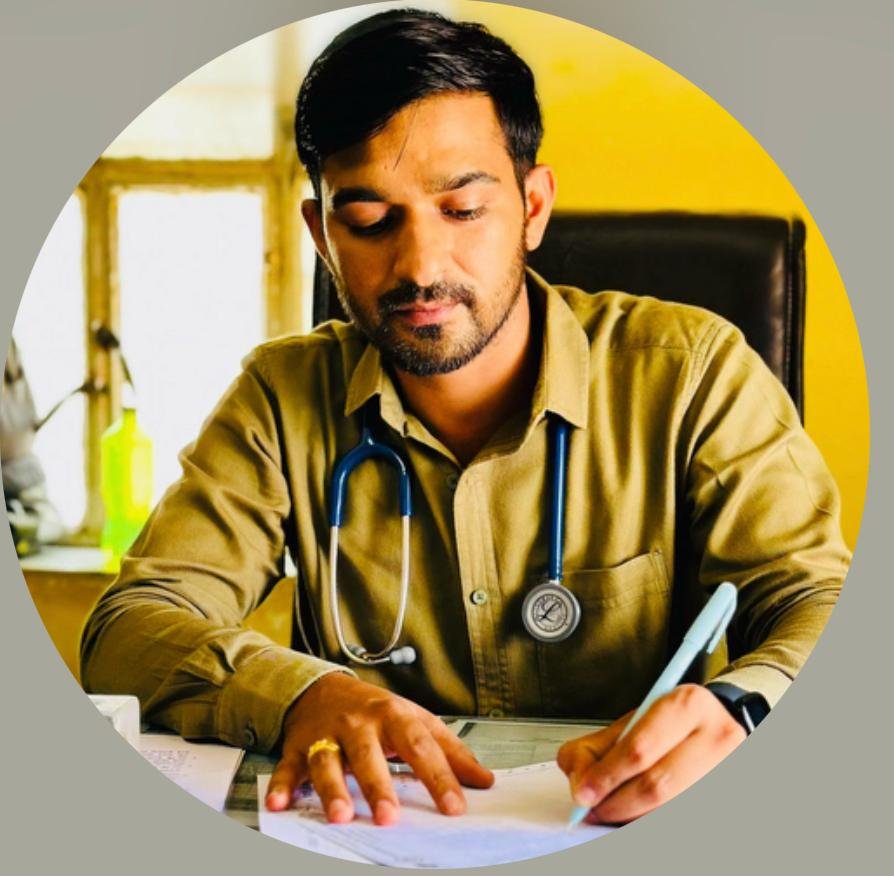
About the Author
Dr. Anil Kumar reviews AtHomeCare’s family education content to ensure every technique taught to families reflects safe, current home-care practice. He is a practising physician with seven years of clinical experience and a strong interest in safe home-based patient care and caregiver education.
- Name: Dr. Anil Kumar
- Qualification: [To be added from verified credentials]
- Speciality: [To be added from verified credentials]
- Medical Registration No.: RMC-79836
- Years of Experience: 7 years
Medical Review
Reviewed by Dr. Anil Kumar — Medical Registration No. RMC-79836, 7 years of clinical experience.
“Family members who are taught correct transfer and positioning techniques protect two people at once — the person receiving care, and themselves. This guide reflects the same hands-on standards our supervisors use during home training. Families in Amritsar should never have to learn patient handling by accident.” — Dr. Anil Kumar
Last medically reviewed: 5 January 2026. This page is for general education and does not replace advice from your own doctor about your family member’s specific condition.
Ready to Learn Safe Patient Handling in Your Own Home?
Book a family caregiver training assessment in Amritsar today. A supervising nurse will visit your home, understand your routine, and build a hands-on training plan around your family.
💬 WhatsApp: Book Training 📞 Call 9910823218