Telehealth Follow-Up Support at Home in Mohali: When a Video Consultation Can Help
Telehealth Follow-Up Support at Home in Mohali: When a Video Consultation Can Help
Quick Summary: The Honest Answer
This page is written for two kinds of people: patients recovering at home in Mohali, and the family members — often children living in other cities or abroad — who coordinate their care. It explains, in plain language, when a video consultation is genuinely enough, when a nurse’s home visit adds safety, and when you should stop everything and go to a hospital.
Key takeaways
- Telehealth follow-up support in Mohali works best as a team effort: the doctor on video, the family at home, and — when needed — a trained nurse beside the patient.
- Numbers matter more than words. Blood pressure, pulse, oxygen level, temperature, sugar and weight recorded correctly at home give the doctor real information.
- Video is not a replacement for examination. New wounds, falls, severe pain, breathing difficulty or confusion need in-person care — never a video call first.
- Escalation must be built into the plan. Every good telehealth follow-up has a clear next step: what we do if the answer is “this needs to be seen.”
What Is Telehealth Follow-Up Support at Home in Mohali?
A follow-up is any planned check after a hospital stay, surgery, or a change in treatment. Traditionally, that meant travelling to the outpatient department (OPD), waiting in a queue for hours, and getting maybe ten minutes with the doctor.
Telehealth changes the setting, not the standard of care. The doctor still reviews your history, your reports, your medicines and your progress. The difference is that the consultation happens through a home video consultation — usually on a smartphone or tablet — supported by real measurements taken in your own home.
AtHomeCare’s telehealth and doctor-visit services in Mohali are built around this idea. A typical follow-up includes:
- Preparation before the call: recording blood pressure, pulse, oxygen saturation, temperature and sugar; collecting the latest lab reports and the discharge summary.
- The consultation itself: a video or phone conversation between the doctor, the patient (where possible), and the family or attending nurse.
- Review of reports: blood tests, X-rays, scans and monitoring charts are read on screen and explained in simple language.
- Clear instructions after the call: updated medicine plan, warning signs to watch, and the date of the next follow-up.
- Escalation when required: if the doctor needs to see or examine the patient, an in-person visit — at home or at the hospital — is arranged without delay.
For families who want a deeper step-by-step walkthrough of preparing an elderly parent for online consultations, our separate guide on teleconsultation for the elderly covers the basics. This page goes further: it focuses on follow-up care after hospital discharge and during long recovery — the phase where most avoidable complications actually begin.
Do You Really Need to Visit the Hospital for Every Follow-Up?
Families in Mohali often tell us the same story. The hospital is 40 minutes away. Parking takes another 20. The OPD queue eats the morning. And by the end of it, the doctor says: “You’re doing fine. Continue the same medicines. Come back in two weeks.”
That trip had value — reassurance and a doctor’s confirmation. But not every follow-up needs the full journey. What the doctor actually needs each time falls into three groups:
- Information — how the patient feels, sleeps, eats, walks, passes urine and stools.
- Numbers — blood pressure, pulse, temperature, oxygen level, sugar, weight, wound photographs.
- Examination — listening to the chest, feeling the abdomen, checking wound healing by touch, testing joint movement.
Groups 1 and 2 travel beautifully over a video call. Group 3 does not. So the honest answer is: use telehealth for the checks that depend on information and numbers; use in-person visits for the checks that need hands. Many hospitals and senior-care teams now openly say that for stable patients, OPD-only follow-ups are not enough on their own and must be paired with monitoring at home — a point we explain in detail in our article on why OPD follow-ups alone are not enough for recovering seniors.
What a Video Consultation Can Handle Well
In our experience supporting families across Mohali and the wider Tricity, these follow-up tasks are handled reliably through virtual healthcare consultation:
1. Medicine review and dose adjustment
The doctor sees the full medicine list — names, doses, timings — and matches it against the latest reports. Many patients return home with 8–12 medicines, some started in the hospital and some continuing from before. A video call is the right place to sort out duplicates, stop medicines that are no longer needed, and explain why each one matters. Our guide on medication monitoring and management at home explains how we keep this list under control between consultations.
2. Report and test interpretation
Blood counts, kidney and liver values, sugar charts, scan images — all can be read on screen. The doctor explains what has improved, what needs watching, and which test to do next. Families no longer wait weeks to understand a report they are holding in their hands.
3. Wound monitoring through photographs
A surgical wound photographed in good light, with a scale reference (like a coin beside it), tells the doctor a lot: is the edge clean, is there redness spreading, is there discharge? A nurse can re-photograph the wound every few days so the doctor sees the trend, not just one picture. Deeper checks — smell, tenderness, drainage under the skin — still need hands.
4. Diet, activity and physiotherapy progress
Questions like “Can he eat normal food now?”, “When can she climb stairs?”, “Is this knee-bending exercise correct?” are well suited to video. The physiotherapist or nurse can demonstrate the movement on camera and correct it immediately. For structured recovery plans, see our service for physiotherapy at home in Mohali after stroke and surgery.
5. Family briefings — especially for relatives abroad
Mohali has a large number of families whose children live in Canada, Australia, the UK or metro cities. A video consultation lets everyone hear the plan at the same time, from the doctor directly. Questions asked by a daughter in Toronto are often the questions the patient was too polite to ask.
6. Emotional and mental check-ins
Recovery is not only physical. Low mood, poor sleep, fear of falling, and loneliness after discharge are common — and they respond better when noticed early. A relaxed video conversation at home often reveals these things a busy OPD never has time to hear.
7. Prescription refills and lab planning
Regular, long-term medicines rarely need a fresh examination every month. A video review plus a home-recorded vitals chart is often enough for a safe refill, with lab tests scheduled at home through our medicine delivery and refill support.
For a broader view of how virtual monitoring supports seniors between hospital visits, read our guide on virtual care and remote monitoring at home.
What Telehealth Cannot Do: The Honest Limits
We say this clearly because trust in telehealth only survives on honesty. Here is what a remote doctor consultation genuinely cannot do:
- Physical examination. Auscultation (listening to lungs and heart), palpation (feeling for tenderness, lumps, swelling), neurological testing (reflexes, muscle power, sensation) all require a doctor’s hands.
- On-the-spot procedures. Stitch removal, dressing changes under sterile conditions, catheter changes, injections, IV lines and suctioning are hands-on tasks. They belong to a home visit — by a nurse or doctor — not a video call.
- Reliable assessment of an emergency. Chest pain, breathlessness, stroke symptoms, uncontrolled bleeding, seizures and sudden confusion are medical emergencies. Time spent arranging a video call is time lost.
- Definitive answers when video quality is poor. A wound seen through a shaky camera in a dim room tells the doctor almost nothing. Bad video can create false reassurance — the most dangerous outcome of telehealth.
- Tests. An ECG, blood test, X-ray or ultrasound cannot happen through a screen. Telehealth decides whether a test is needed; the test itself still happens in person.
Understanding these limits is not a weakness of the system — it is exactly what makes it safe. A telehealth follow-up that knows when to say “this must be seen in person” is doing its job perfectly.
Why Telehealth Follow-Ups Make Sense for Mohali Families
Local reality shapes what good follow-up care looks like. In Mohali, four patterns come up again and again:
Long travel to major hospitals
Specialist follow-ups often happen at large hospitals in and around the Tricity — including facilities in Mohali such as Fortis Hospital Mohali and Max Super Speciality Hospital Mohali, and PGIMER in Chandigarh. A single round trip can consume half a day for the patient and a full day for the escort. For a patient recovering from surgery, that journey itself is a risk: crowded waiting areas carry infection exposure, and travel is tiring precisely when the body needs rest.
Elderly parents managing alone
Many seniors in Mohali’s sectors live independently while their children work elsewhere. For them, an OPD visit involves stairs, autos, queues and paperwork. With telehealth plus a trained patient attendant in Mohali, the doctor’s guidance reaches the home instead — and someone is present to help carry it out.
Winter fog, cold and pollution
December to February brings poor air quality and dense fog across the Tricity. Elderly patients with breathing problems are the first to suffer from unnecessary outdoor trips. Follow-ups that can happen over video genuinely protect the lungs during these months.
Families split across cities and countries
When a parent in Mohali is recovering and a son or daughter is abroad, the biggest fear is being blind to daily reality. A structured telehealth routine — nurse takes vitals at 9 am, doctor reviews on video, a written summary reaches the family by evening — replaces anxiety with a system. Our article on integrated monitoring for elderly care in Mohali homes describes how this fits together.
None of this means hospitals are avoidable. It means hospital visits should be chosen deliberately — for examination, tests and procedures — while the routine rhythm of follow-up happens at home. Families who organise care this way, as our guide on the complete home healthcare spectrum for the Tricity explains, recover with fewer emergency surprises.
How to Prepare for a Video Consultation: The Family Checklist
Doctors consistently say the same thing after teleconsultations: the useful calls were the prepared ones. Use this checklist before every home video consultation:
Documents
- Discharge summary from the hospital (the most important single document)
- All lab reports, scan reports and ECGs, in date order — newest on top
- Current medicine list: name, strength, dose, timing, since when
- Any previous prescription being followed, including insulin or inhaler plans
Home readings (recorded over the past 3–7 days)
- Blood pressure and pulse, morning and evening
- Temperature, if fever has occurred
- Oxygen saturation (SpO2), if the problem involves breathing
- Blood sugar readings — fasting, post-meal, as advised
- Weight (daily for heart or kidney patients)
- Wound photographs, same angle and distance each time, in daylight
Questions
- Top three concerns, written down, most important first
- Specific “can I…?” questions — driving, bathing, stairs, fasting, air travel
- Date of the next follow-up and what should happen before it
Technology and setting
- Phone or tablet charged, or kept on the charger during the call
- Stable internet — test the video before the appointment time
- Quiet room, patient seated upright, window light facing the patient (not behind)
- Headphones or earphones if hearing is weak
- One person leading the call; others can join in listen mode
See example: a well-prepared follow-up question list
1. “His ankle swelling is back since Tuesday — is this expected after discharge, or should we test anything?”
2. “Should the morning sugar tablet continue, given his fasting readings are now 105–115?”
3. “He wants to attend a family function in ten days. Is a two-hour outing safe?”
4. “When is his next blood test due, and can it be done at home?”
5. “Who should we call first — your clinic, our home nurse, or an ambulance — if breathing worsens at night?”
For seniors who find apps and screens difficult, our guide on digital literacy for elderly patients offers simple family-tested tricks for making video calls comfortable.
How an AtHomeCare Telehealth Follow-Up Works, Step by Step
Here is exactly how a telehealth follow-up runs in a Mohali home — written as our operating practice, not as a promise.
Step 1 — Booking and case intake
The family calls 9910823218 or messages on WhatsApp. Our coordinator records the patient’s age, condition, hospital of treatment, discharge date, current complaints, and the follow-up needed. Documents — discharge summary and reports — are shared as photographs or PDFs at this stage.
Step 2 — Clinical review and matching
The case details go to our clinical team, which decides the right support level: telehealth alone, telehealth plus a nurse visit on the day, or an in-person doctor visit first. This decision is medical, not commercial. If the team feels video is not enough, the family is told so directly.
Step 3 — Staffing: recruitment, screening and verification
Every nurse or attendant who enters a home has passed our standard screening before deployment: identity and address verification, police background verification, reference checks from previous employers, and verification of nursing registration or caregiver certification. Skills are tested, not assumed — wound care, vitals measurement, injection technique and emergency response are checked before a caregiver is sent on a case.
Step 4 — Home-side preparation
On consultation day, the attending nurse or trained attendant arrives ahead of the call to: record and write down all vitals; lay out the reports in order; photograph any wound in good light; test the internet and camera; and sit the patient upright, dressed and comfortable. Ten minutes of this preparation changes the quality of the entire consultation.
Step 5 — The consultation
The doctor joins by video or phone. The patient, family, and nurse are present. The nurse reads out recorded vitals, shows the wound on camera, and relays observations the patient may forget — appetite, sleep, bathroom pattern, mood. Instructions from the doctor are repeated back in simple language to confirm understanding. Family members in other cities join the same call.
Step 6 — Documentation and handover
After the call, we prepare a written summary: what the doctor advised, the updated medicine plan, warning signs to watch, and the next follow-up date. The family receives this on WhatsApp. If a caregiver is posted in the home, a structured shift handover follows — the outgoing caregiver briefs the incoming one on the new instructions, so care does not change at shift change.
Step 7 — Medicines and equipment logistics
If the doctor changed any prescription, our integrated pharmacy support arranges the new or refilled medicines at home through medicine delivery and refill management. If the doctor advised monitoring devices — a BP monitor, oximeter, glucometer, or hospital bed — our equipment team handles delivery and setup, as described in our guide to medical equipment rentals in Mohali.
Step 8 — Escalation when needed
If the doctor wants an examination, we arrange it: a doctor home visit, or coordination with the treating hospital for an OPD slot. If the patient’s condition has worsened to the point of needing continuous monitoring, our clinical team discusses home ICU deployment in Mohali — oxygen, monitors, suction, and ICU-trained nurses — with the family and the treating doctor.
Support systems behind every case
- Supervision and quality monitoring: nurse-supervised care plans, periodic supervisor visits, and daily reporting to the family.
- Infection prevention: hand hygiene, glove and mask discipline, safe dressing technique, and safe handling of catheters and feeding tubes are part of routine training — not extras.
- Transportation coordination: when a hospital visit or test is needed, we help plan the transport, timing and paperwork so the trip is short and safe.
- Accommodation support for long-term assignments: for 24×7 live-in caregivers on extended recovery cases, we manage rotation, rest and replacement so that care does not depend on one exhausted person.
- Emergency escalation: every case has a written escalation path — whom to call, at what threshold, and which hospital to approach — agreed with the family in advance.
Families who want to see how nursing fits around the call can read about professional home nursing services in Mohali.
The Home Nurse’s Role During a Video Consultation
A video call between an elderly patient and a doctor can work. A video call supported by a trained nurse works far better. Here is why the difference is so large:
Before the call
The nurse measures blood pressure on the correct cuff size, with the patient rested and seated, rather than rushed after climbing stairs. She takes the pulse, temperature and oxygen level properly. She photographs the wound against the same reference each time. She has the reports open on screen before the doctor joins. Garbage in, garbage out — the call is only as good as the data.
During the call
- Clinical translation: “His breathing is faster than yesterday — around 24 per minute” carries more information than “he seems a little unwell.”
- Camera work: showing a wound from the correct distance and angle, moving the light, zooming where the doctor asks.
- Demonstration checks: the doctor can watch, live, as the nurse gives an insulin injection, applies a dressing, or helps the patient use an inhaler — and correct technique on the spot.
- Voice for the patient: many elders answer “everything is fine” out of politeness. A nurse who has spent the morning with the patient can honestly report appetite, sleep, pain and mood.
After the call
The nurse updates the medicine box with the new plan, sets reminders, performs any dressing or injection advised, records everything in the daily chart, and knows exactly which sign should trigger a call back to the doctor. Families who rely only on attendants without this nursing layer often miss early changes — a pattern we describe in our article on how delayed monitoring causes recovery failure in Mohali.
Measuring Vitals at Home: Numbers Doctors Can Trust
During any home healthcare follow-up, the doctor’s first question is: “What are the numbers?” Here is how families in Mohali can record them correctly.
| Vital | How to measure correctly | Typical adult range | When to contact the doctor promptly |
|---|---|---|---|
| Blood pressure | Seated, back supported, 5 minutes rest, feet flat, correct cuff on bare upper arm; no tea/coffee 30 min before | Around 120/80 mmHg or as advised | Consistently above 140/90, or below 90/60, or a sudden big change |
| Pulse | Count at the wrist for 60 seconds, or read the BP machine’s pulse | 60–100 beats/minute | Below 50, above 120, or irregular “skipping” beats |
| Oxygen (SpO2) | Warm fingers, still hand, wait for a steady number on the pulse oximeter | 95% or above (COPD patients may have a lower target set by the doctor) | At or below 94%, or falling across readings, or with breathlessness |
| Temperature | Digital thermometer under the tongue or in the armpit, after 15 min without hot/cold drinks | Below 100°F (37.8°C) | 100.4°F (38°C) or higher, or fever with shivering or confusion |
| Blood sugar | Glucometer with a fresh strip; wash and dry hands first; record the time of the reading and the last meal | Fasting roughly 80–130 mg/dL; under 180 mg/dL after meals (targets vary) | Below 70 mg/dL (treat low sugar immediately), or repeated readings well above target |
| Weight | Same scale, same time each morning, similar clothing, after using the toilet | Stable | Gain of about 2 kg in 3 days (heart/kidney patients), or ongoing loss in recovering patients |
Three habits make home numbers trustworthy:
- Same time, same conditions. A BP taken after climbing stairs tells you about the stairs, not the patient.
- One written chart. Notebooks, phone notes or a printed sheet — but one place, dated, with times.
- Record the trend, not the moment. Doctors care about direction: falling oxygen across three days matters more than one low reading.
For detailed technique, see our guides on daily blood pressure and pulse monitoring and managing diabetes at home. Patients on oxygen support should also read our clinical guide to oxygen therapy at home.
Devices, Apps and Internet: Making the Call Work
Telehealth fails for practical reasons far more often than medical ones. Remove those reasons in advance:
- Choose the simplest app. WhatsApp video works for most families and needs no new account. Some hospitals use their own telemedicine apps — whichever is used, do one test call the day before.
- Position the device. Prop it at eye level with books or a stand, about an arm’s length away. A phone lying flat on a bed shows a ceiling and a chin.
- Fix the light. Sit facing a window during the day. Evening calls need a lamp in front of the patient, never behind.
- Plan for weak hearing. Earphones or a Bluetooth speaker, the doctor speaking slightly slower, and the nurse repeating key numbers aloud.
- Have a phone fallback. Every teleconsultation has a phone number behind it. Video failing mid-call is an inconvenience, not a lost consultation.
- Do not over-trust apps. Smartwatch and fitness-app data can support the story, but measured BP, sugar and SpO2 on proper devices are what doctors act on. Our article on why app data alone is not enough for monitoring elderly parents explains the difference.
For seniors who resist screens, keep the first call short, involve a grandchild’s familiar face, and let the nurse hold the phone — comfort grows with the second and third call.
Follow-Up Timeline After Hospital Discharge
The first month home is when most readmissions are born — quietly, in missed signs. This is the general structure we follow and recommend for families in Mohali:
- Day 0 — Discharge day. Collect the discharge summary, prescriptions and test reports. Confirm the medicine list once with the ward team. Book the first home visit or telehealth check before leaving the hospital.
- Day 1–2 — First check. A nurse visit or video consultation confirms medicines are being taken correctly, vitals are being recorded, and the home setup (bed position, bathroom safety, food) supports recovery. Early problems — missed doses, wrong insulin technique, blocked medicine schedules — are caught here.
- Day 3–5 — First structured review. Video consultation with the doctor: review the first days of vitals, discuss appetite and sleep, adjust medicines if needed, plan any home tests.
- Week 1–2 — In-person checkpoint. Most surgical patients need a physical wound examination in this window; stitch or staple removal often happens here. This is a deliberate hospital or doctor-home-visit trip — scheduled, not rushed.
- Week 2–4 — Steady progress phase. Weekly video follow-ups. Physiotherapy sessions increase (see our Mohali physiotherapy at home service). Wound photographs go to the doctor every few days. Watch for infection signs daily — our Mohali guide on daily infection monitoring after hospital discharge lists exactly what to check.
- Month 2–3 — Consolidation. Video reviews every 2–4 weeks for most patients. Repeat blood tests as advised. The goal shifts from “surviving recovery” to rebuilding strength and routine.
- Beyond month 3 — Long-term rhythm. Chronic conditions — diabetes, heart failure, COPD, kidney disease — settle into a scheduled pattern: home readings daily, video review monthly, in-person review quarterly or as advised.
Video Consultation vs In-Person Visit vs Nurse Home Visit
| Video Consultation (Telehealth) | In-Person Visit (OPD / Doctor Home Visit) | Nurse Home Visit | |
|---|---|---|---|
| Best for | Medicine reviews, report discussions, progress checks, diet and activity questions, family briefings | Physical examination, wound assessment by touch, listening to chest, tests, procedures | Dressings, injections, catheter/tube care, vitals recording, daily monitoring, supporting the video call |
| Travel needed | None | Yes (OPD) / No (doctor home visit) | None |
| What it cannot do | No physical exam, no tests, no procedures, weak for emergencies | Time-consuming; exposure to crowded waiting areas; hard for immobile patients | Cannot prescribe or make diagnosis decisions |
| Time cost for family | 30–45 minutes | Half a day or more (OPD); ~45 minutes (doctor home visit) | 45–90 minutes per visit |
| Typical frequency | Weekly to monthly, as planned | At key checkpoints and as advised | Daily to weekly during active recovery |
| Strongest when | Paired with a nurse visit and correct home readings | Scheduled deliberately, with documents ready | Supervised by a doctor’s plan and reported to the family |
For families deciding between these options for an ageing parent, our guide to patient care services in the Chandigarh–Mohali region compares the support levels in more depth.
Decision Tree: Video Call, Home Visit or Emergency?
-
Are any emergency signs present?
- Chest pain or pressure; severe breathlessness; oxygen level at or below 94% and falling
- Sudden weakness or drooping on one side, slurred speech (possible stroke)
- Uncontrolled bleeding; a fall with injury or a suspected fracture
- New confusion, unresponsiveness, seizure; vomiting that will not stop; no urine for 8–12 hours
-
Does the problem need a doctor’s hands?
- Wound that is opening, draining pus, very painful, or not being assessed well on camera
- Severe or new pain; new swelling or lump; suspected infection
- Tests due: ECG, blood test, X-ray, ultrasound
- Procedure due: stitch removal, catheter change, dressing under sterile conditions
-
Does the patient need hands-on nursing at home?
- Daily dressing, insulin or injection support, tube feeding, catheter care, oxygen support
- Elderly patient needing help with bathing, mobility, feeding or medicines
- Is this a stable follow-up — reports, medicines, progress, diet? YES → A video consultation is appropriate. Prepare with the checklist above, record vitals for the preceding days, and write down the doctor’s advice after the call.
Keep this tree printed on the fridge or saved as a photo on the family phone. In a worrying moment, no one makes their best decisions from memory — and Mohali families who hesitate at night often lose precious hours, a pattern we describe in our article on why Mohali families delay hospital visits until morning.
Telehealth for Common Situations in Mohali Homes
After surgery
Surgical recovery is the classic telehealth use case. The video call reviews pain control, diet return, bowel movements and mobility, while the nurse handles dressings and photographs the wound on schedule. The in-person checkpoint — usually around day 7–14 — is kept firmly for wound examination and stitch removal. Families planning the full recovery window can follow our Mohali guide on complete home healthcare planning after hospital discharge.
Diabetes
Diabetes follow-up is almost telehealth-native: fasting and post-meal sugar logs, medicine and insulin dose review, diet questions, and photographs of any foot wound — which should always be treated as urgent. What video cannot see is the foot itself being examined for sensation and pulses, so scheduled in-person foot checks remain essential. Our guide on managing diabetes at home covers the daily routine.
Heart conditions and blood pressure
For hypertension and heart failure, the doctor wants trends: morning and evening BP, pulse, weight, swelling of the feet, breathlessness on exertion. Video consultations review these charts and adjust medicines; the in-person visits handle ECGs, echo reviews and pacemaker checks. Patients with implanted devices should keep their device card handy and follow the observation points in our guide to pacemaker observation in elderly patients.
Breathing problems — COPD, asthma, post-COVID weakness
Respiratory patients live and die by numbers: oxygen saturation, breathing rate, inhaler and nebulizer technique, and the colour of sputum. All can be assessed well on video — the nurse can demonstrate inhaler use live and the doctor can correct it. Winter is the danger season in the Tricity; our guides on COPD care in winter and remote monitoring devices every family should use are directly relevant here.
Elderly care and dementia
For seniors, the telehealth value is continuity: the same doctor seeing the same faces each month, noticing the small slide — walking slower, eating less, mixing up words — that a busy OPD visit never catches. Family members abroad join these calls, and the written summary becomes the shared record. When behavioural changes appear, our guide on small warning signs Mohali families commonly ignore is a good early-warning reference.
After ICU stays
Patients stepping down from intensive care need the tightest loop of all: daily nursing, monitored vitals, and frequent video reviews with the treating team. This is where telehealth, nursing and equipment must work as one system — described in our guide to home ICU care in Mohali.
Palliative and comfort-focused care
For patients in the comfort-focused phase, telehealth reduces the burden of travel completely. Reviews happen at home, medicines are adjusted for comfort, and the family is supported through the call. Our guide to palliative care at home explains this pathway with sensitivity.
Medicines, Reports and Pharmacy Support Between Consultations
Medicine reconciliation after discharge
The most dangerous week of any hospital admission is the first week after it. Hospital prescriptions overlap with old medicines; doses change; brands differ. Within the first home visit or call, our team reconciles the list: what continues, what stopped, what changed, what each medicine is for. The result is one clean written list — the single most effective medicine-safety tool in a home.
Refills and delivery
Long-term medicines — BP tablets, sugar medicines, thyroid, cardiac and respiratory drugs — follow a rhythm. When the doctor renews a prescription on a video call, our pharmacy coordination delivers the refill home before the current strip runs out. Families no longer discover an empty strip at 10 pm. See our service for medicine delivery and refill management.
Reminder systems that actually work
- A weekly pill organiser filled every Sunday, checked against the written list
- Phone alarms named by the medicine, not just “tablet”
- The nurse or attendant confirming each dose in the daily chart
- A monthly list review during the video consultation — expired or duplicate items removed
For families struggling with compliance — the skipped dose, the doubled dose, the “I felt better so I stopped” pattern — our article on medication compliance in Tricity homes addresses the real reasons doses get missed, and how to fix them without nagging.
Reports: one folder, in date order
Keep one physical folder and one phone album for reports. Photograph every new report the day it arrives. Before each consultation, share the last three — the trend line tells the doctor far more than the latest number alone.
Red Flags: When Telehealth Is Not Enough
Every telehealth plan must end the same way: with a clear, memorised list of signs that bypass the call and go straight to emergency care. Print this section.
Call 112 (national emergency number) or 108 (ambulance) immediately if the patient has:
- Chest pain, chest heaviness or pressure — especially with sweating, nausea or pain moving to the arm or jaw
- Severe breathlessness, or oxygen saturation at or below 94% and falling (use your doctor’s threshold if it differs)
- Stroke signs — face drooping on one side, weakness of one arm or leg, slurred or confused speech (note the time symptoms began)
- Fainting, seizure, or new confusion or unresponsiveness
- Uncontrolled bleeding from any site; vomiting blood; black stools
- A fall with head injury, hip pain, or inability to stand
- Vomiting that will not stop, signs of severe dehydration, or no urine passed for 8–12 hours
- Fever with shivering (rigors) in a patient recently discharged, on chemotherapy, or with a catheter or IV line
While waiting for the ambulance: keep the patient sitting up if breathless, lying on the side if vomiting or unconscious, loosen tight clothing, unlock the main door for the paramedics, and keep the discharge summary and medicine list ready to hand over.
Serious — but same-day — signs (call the doctor, arrange in-person review today)
- Wound redness spreading, pus, foul smell, or the wound opening up
- Fever between 100–102°F without the emergency features above
- Foot wound in a diabetic patient — even a small one
- Weight gain of ~2 kg in 3 days with ankle swelling (heart patients)
- Repeated low sugar readings, or sugar consistently far above target
- Pain that suddenly worsens or pain medicine stops working
For a fuller clinical list, see our guides on warning signs and emergency response in the elderly, red flags after ICU discharge, and why Mohali families wait too long before calling for medical help. The pattern behind most tragedies is not missing knowledge — it is waiting one more night.
Common Mistakes Families Make With Telehealth Follow-Ups
Telehealth is safe when used within its limits. These are the errors we correct most often in Mohali homes:
- Using video for examination problems. A red, painful, discharging wound shown through a phone camera is a diagnosis waiting to go wrong. If hands are needed, book hands.
- Calling unprepared. Without the vitals chart and medicine list, the consultation becomes a vague conversation — and vague conversations produce vague plans.
- Accepting the polite answer. Elders say “theek hoon” (I’m fine) to protect their children from worry. The nurse’s honest observations, and specific questions (“Did you eat the full lunch yesterday?”), break through this.
- Adjusting doses on their own. “His sugar was high so we gave two tablets instead of one” is a sentence that ends in emergencies. Every dose change goes through the doctor.
- Skipping the scheduled in-person checks. Video success in months one and two tempts families to cancel the day-14 wound review or the quarterly heart check. Those appointments carry the examinations telehealth cannot provide.
- Letting monitoring lapse between calls. The chart filled enthusiastically in week one is abandoned by week three. Recovery monitoring only protects when it is boringly consistent — a point our article on how remote monitoring and home nursing prevent rehospitalization makes with data.
- No written record of the call’s advice. Memory is not a care plan. One WhatsApp summary after every consultation — ours is standard — keeps everyone aligned.
How AtHomeCare Keeps Follow-Up Care Safe and Supervised
Because this is healthcare delivered inside your home, we treat transparency as part of the service. Here is how the systems work:
Who enters your home
- Recruitment and screening: candidates are interviewed for both skill and temperament; anyone who will handle clinical tasks must hold valid nursing or caregiving credentials.
- Verification: identity documents, address proof, police background verification and references from previous employers are completed before deployment.
- Training: caregivers undergo structured training in vitals measurement, hygiene, safe transfers, feeding support, emergency first response, and — for nurses — wound care, injections, catheter and tracheostomy care.
How the care stays accountable
- Supervision: a clinical supervisor reviews each care plan; nurse-supervised cases get scheduled supervisor visits.
- Quality monitoring: daily notes, family feedback calls, and periodic audits of documentation and technique.
- Infection prevention: hand hygiene before and after every contact, glove and mask discipline for clinical tasks, sterile dressing practice, and safe handling of catheters, tubes and used dressings.
- Shift handovers: structured written and verbal handover between shifts, so nothing — including the doctor’s latest video-consultation advice — is lost at 8 am or 8 pm.
- Emergency escalation: every family receives a written escalation plan: first call, second call, threshold numbers, and the nearest agreed hospital.
Families who want to verify a provider before committing can follow the checks in our guide on background verification, reporting and transparency in home care — the same standards we apply across cities.
Cost, Availability and Booking Telehealth Support in Mohali
We do not publish a single fixed price for telehealth follow-up support in Mohali because the honest answer depends on the case: a routine monthly medicine review costs very different from a post-cardiac-surgery recovery with daily nursing. What we commit to instead:
- Assessment first, price second. A coordinator reviews the case, then quotes an exact price for the agreed scope — consultation, nurse visits, equipment, medicines — before anything begins.
- No lock-ins for one-time needs. A single video consultation with vitals support can be booked on its own.
- Transparent packages for ongoing care. For recovery lasting weeks or months, packages bundle telehealth reviews, nurse visits, pharmacy refills and equipment — usually costing far less than repeated emergency admissions.
- Availability. Telehealth consultations are scheduled through the day; nurse visits and urgent support are coordinated by our regional care network. Serving patients across Mohali through our regional care network.
Families comparing providers should ask any company the same four questions: Who exactly will enter the home, and how were they verified? Who supervises the care? What happens at 2 am if things worsen? What is included in the quoted price? The answers decide everything.
Frequently Asked Questions About Telehealth Follow-Up Support in Mohali
1. Can a doctor really understand my problem through a video call?
For follow-up care, yes — when the call is prepared well. The doctor works from your history, your home-recorded vitals, your reports and what can be seen on camera. What a video call cannot do is a physical examination, so it works best for stable reviews, medicine and report discussions, and progress checks — not for new or undiagnosed problems.
2. Do I need to travel to the hospital for every follow-up after surgery?
No. Most post-surgery follow-ups — pain review, diet progression, medicine adjustments, wound photo checks — can be handled through telehealth supported by a home nurse. You should still attend the scheduled in-person checkpoints, usually around day 7–14 for wound examination and stitch removal, and any time a new problem appears.
3. How soon after hospital discharge should the first follow-up happen?
Within 24–48 hours of coming home. The first check confirms medicines are being taken correctly, vitals are being recorded, and the home setup is safe. Early problems like missed doses or wrong insulin technique are caught in this window, before they cause harm.
4. What documents should I keep ready for a video consultation?
The discharge summary, all lab and scan reports in date order, your current medicine list with doses and timings, your home vitals chart for the past 3–7 days, wound photographs if relevant, and a written list of questions. Prepared calls produce clear plans; unprepared calls produce confusion.
5. Can the doctor prescribe or change medicines over a video call?
Yes. Indian telemedicine guidelines allow registered doctors to prescribe many medicines after a video or telephonic consultation, following the same professional standards as in-person care. Certain medicines and situations require an in-person examination first — the doctor will tell you honestly if that applies.
6. How do I take my blood pressure correctly at home?
Sit with your back supported and feet flat, rest for five minutes, use a correct-size cuff on the bare upper arm, and avoid tea, coffee or smoking for 30 minutes before. Take readings at the same times each day, note them in one chart, and share the chart — not memory — during the consultation.
7. Is a home nurse needed for a telehealth consultation?
Not always, but a nurse present during the call changes the quality significantly. She records reliable vitals, shows wounds properly on camera, reports honest observations, demonstrates techniques the doctor can correct live, and carries out the advice afterwards. For elderly or post-surgical patients, we strongly recommend it.
8. What if my parent cannot use a smartphone?
They do not need to. The family member or the home nurse holds the phone and leads the call; the parent only needs to be seated, visible and audible. Most elders who resist technology accept video consultations once the first call is short, familiar and comfortable.
9. Can wound checks really be done over video?
Partially. Photographs and live video show redness, swelling, discharge and healing edges — enough for the doctor to judge trends between visits. But depth, smell, tenderness and tissue under the surface need hands. Video monitors the wound; it does not replace the scheduled physical wound examination.
10. What internet speed do I need, and what if the call drops?
Standard home broadband or a 4G connection is enough for video consultation. If the call drops, the doctor simply switches to a phone call — no consultation is lost. Do one test video call the day before, keep the device on the charger, and sit near the router or window with better signal.
11. Is telehealth follow-up safe for elderly patients?
Yes, when it is paired with reliable home monitoring and clear escalation rules. For seniors, telehealth actually improves safety by removing stressful travel and enabling frequent, low-effort reviews. The safety comes from the system around the call: correct vitals, honest observation, and prompt in-person follow-through when advised.
12. Can family members living abroad join the video consultation?
Yes, and we encourage it. The doctor, patient, home nurse and family members in other cities or countries can join the same call. Everyone hears the plan directly from the doctor, questions are answered in real time, and the written summary afterwards becomes the shared family record.
13. How much does telehealth follow-up support cost in Mohali?
It depends on the case: a single supported video consultation, telehealth bundled with nurse visits, or a full recovery package with nursing, pharmacy and equipment. We assess the case first and quote an exact price before service begins — no hidden charges. Call 9910823218 for a same-day assessment and quotation.
14. What happens if the doctor says an in-person visit is needed?
The escalation is arranged immediately: either a doctor home visit for examination at home, or coordination with the treating hospital for an OPD slot — including documents, tests and transport planning. Telehealth’s job is precisely to detect when hands-on review is needed, early rather than late.
15. Which problems should never be handled over a video call?
Emergencies: chest pain, severe breathlessness, oxygen saturation at or below 94%, stroke signs, uncontrolled bleeding, seizures, new confusion, serious falls, and persistent vomiting. Also, any problem the doctor says needs examination. In these situations call 112 or 108 first — never wait for a video consultation.
16. Can lab tests be arranged at home between consultations?
Yes. Routine blood tests, sugar profiles and other samples can be collected at home, and reports are shared digitally with the doctor for the next video review. For imaging like X-rays or ultrasounds, we coordinate the visit at a facility and plan the transport so the trip is short and safe.
17. Can medicines be delivered and refilled at home in Mohali?
Yes. When the doctor renews or changes a prescription during the consultation, our integrated pharmacy support delivers the medicines to your home before the current supply runs out. This removes the most common reason doses get missed — the empty strip discovered too late.
18. How often should follow-ups happen during recovery?
A common rhythm is: first check within 48 hours of discharge, a structured review around day 3–5, an in-person checkpoint in week 1–2, weekly video reviews until week 4–6, then monthly reviews for chronic conditions. Your treating doctor’s schedule always takes priority; telehealth fills the gaps between their appointments.
19. What if my parent’s condition gets worse at night?
Do not wait for morning. Check the emergency red flags: breathing trouble, chest pain, confusion, fall, bleeding — these mean call 112 or 108 immediately. For urgent-but-not-emergency concerns, call our helpline; our regional care network coordinates night-time support and, where needed, an urgent nurse visit or hospital referral.
20. Does AtHomeCare provide nurses and equipment along with telehealth support in Mohali?
Yes. Telehealth follow-up support is part of an integrated service: trained nurses and attendants at home, medical equipment on rent — hospital beds, oxygen, monitors — medicine delivery, physiotherapy and doctor home visits. Families get one coordinated plan and one point of contact instead of managing multiple vendors.
About the Author
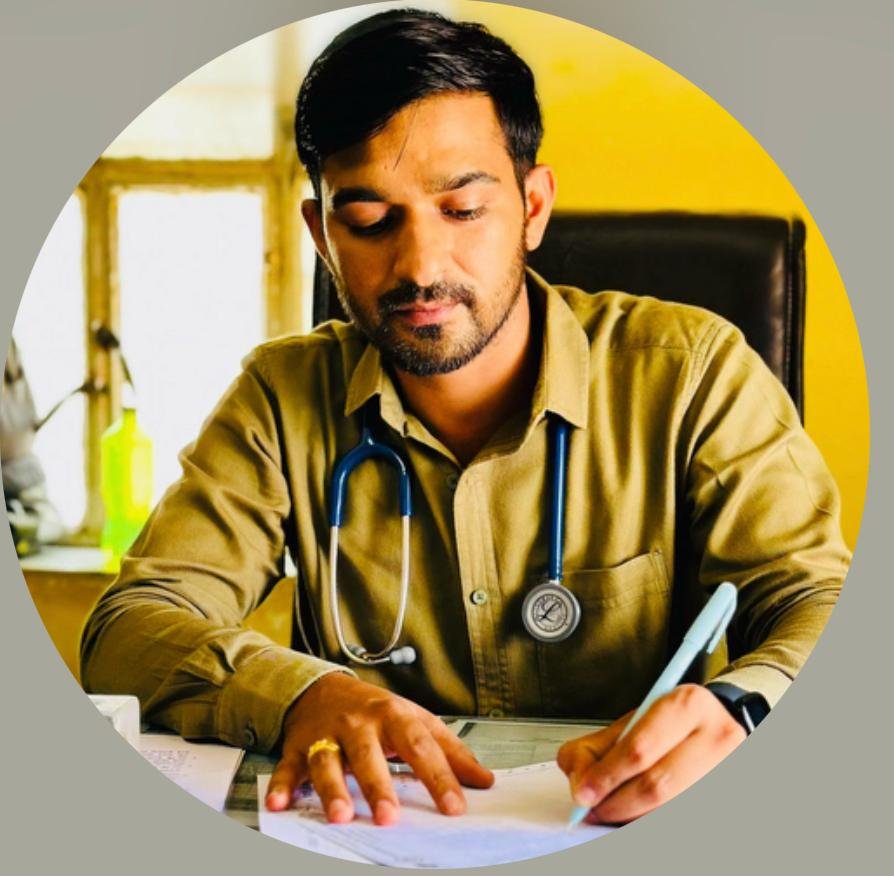
Dr. Anil Kumar
Author & Medical Reviewer — AtHomeCare- Qualification
- [Qualification — to be added from verified records]
- Speciality
- [Speciality — to be added from verified records]
- Medical Registration No.
- RMC-79836
- Years of Experience
- 7 years
- Focus Areas
- Home-based recovery, elderly care monitoring, and safe clinical follow-up after hospital discharge
Medical Review
🩺 Reviewed and Approved by a Registered Medical Practitioner
- Reviewed by
- Dr. Anil Kumar
- Qualification
- [Qualification — to be added from verified records]
- Speciality
- [Speciality — to be added from verified records]
- Registration No.
- RMC-79836
- Experience
- 7 years
- Review date
- 5 January 2026
- Review scope
- All clinical content on this page — including vitals guidance, red-flag lists, decision tree and follow-up timelines — was reviewed for medical accuracy and patient safety.
This article follows a doctor-guided review process. Clinical recommendations reflect standard home-care practice and are provided for education. They do not replace the advice of your treating doctor, who knows your specific condition.
Need a Telehealth Follow-Up at Home in Mohali?
Our clinical team will assess your case, arrange the right level of support — video consultation, home nursing, medicines and equipment — and stay with you until recovery is complete. One call starts everything.