Telehealth Consultation at Home in Mohali | AtHomeCare
- 📍 Serving Families in Mohali
- ✅ Medically Reviewed by Dr. Anil Kumar
- 🕒 31 min read
- 📅 Updated: 18 January 2026
Telehealth Follow-Up Support in Mohali: How Families Can Connect With Healthcare Professionals Without Repeated Travel
Quick Summary
- Telehealth consultation at home in Mohali lets families review reports, adjust medicines and track recovery through video calls — without travelling to hospitals again and again.
- Virtual doctor consultation works best for medicine reviews, lab report discussions, wound checks and post-discharge follow-ups. Emergencies always need in-person or ambulance care.
- With the right preparation — medicine list, recent vitals and reports ready — a 20-minute video call can replace a half-day hospital trip.
- AtHomeCare supports every step: a nurse can help at the bedside, medicines can be delivered after the call, and care escalates to home visits or hospitals when needed.
1. What Telehealth Follow-Up Support Means for Your Family
Telehealth follow-up support lets Mohali families speak with doctors and nurses through a healthcare video consultation from home. You can discuss reports, adjust medicines, check wounds and track recovery without travelling to a hospital for every small review. AtHomeCare arranges the virtual appointment and supports your family before, during and after each call.
When a loved one comes home from the hospital, the treatment does not end at the gate. Medicines need checking. Reports need reading. Wounds need watching. Questions come up at night that no one in the family can answer. In the past, every one of those questions meant one thing: another trip to the hospital.
Telehealth changes that. A telehealth consultation at home in Mohali is a scheduled video or phone appointment with a qualified doctor, supported by nurses and care coordinators. It is not a casual phone call. It follows the same structure as a clinic visit — identity check, history, review of findings, a written plan — only the “waiting room” is your living room.
At AtHomeCare, telehealth is one part of a full home healthcare system. It connects naturally with our other services. If the doctor on the call advises a wound dressing, a nurse can visit the same week. If a prescription changes, our pharmacy support can arrange delivery and refill management. If the doctor wants regular readings, a BP monitor, glucometer or pulse oximeter can be delivered to the home. This is what we mean by home telemedicine support — not just a video call, but the complete circle of care around it.
This guide explains, in simple language, when telehealth works well, how families in Mohali should prepare, what a video call can and cannot do, and how to know when an in-person visit is truly needed.
2. Why Telehealth Matters for Mohali Families
Most major hospitals serving Mohali families are across the city — from large private hospitals in Mohali itself to PGI in Chandigarh. A single follow-up can consume half a day in travel, parking and queues. Telehealth turns that into a 20-minute call at home, protecting recovery, saving money and reducing exposure to infections in crowded waiting areas.
Anyone who has taken an elderly parent for a routine follow-up in the Tricity knows the real cost of that appointment. It is rarely the consultation fee. It is the morning spent arranging transport, the drive through traffic, the hunt for parking, the crowded OPD, and the tired patient who needs a full day to recover from a 15-minute check-up.
The hidden burden of repeated travel
- Time: A follow-up that takes 15 minutes with the doctor often takes four to six hours door to door.
- Physical strain: For patients recovering from stroke, surgery, or living with heart or lung disease, the journey itself is exhausting — sometimes riskier than the condition being reviewed.
- Infection exposure: Hospital waiting areas concentrate people who are unwell. For elderly patients or those with low immunity, every visit carries a small but real infection risk.
- Caregiver absence: In many Mohali households, one working family member must take leave for each visit. Over weeks of recovery, this becomes unsustainable.
- Winter and pollution: During the smoggy months, travelling across the Tricity for a routine review is unpleasant and unhelpful for patients with breathing problems.
- Families spread across cities and countries: Many Mohali parents have children working in Delhi, Bengaluru, or abroad. Those children want to be part of medical conversations — and video consultations make that possible, as our guide on teleconsultation for the elderly explains in detail.
Telehealth does not remove hospitals from the picture. It removes the unnecessary hospital visits — the routine reviews, report discussions and medicine adjustments that do not need a physical examination every single time. Families who pair telehealth with home nursing often find, as our article on why OPD follow-ups alone are not enough explains, that the real problem is the gap between visits — and that gap is best closed at home.
Count what one hospital follow-up actually costs your family: transport, parking, lost work hours, medicines bought at premium hospital counters, and a day of the patient’s energy. Most families are surprised. That number is the real value of a well-run virtual follow-up appointment.
3. When a Virtual Doctor Consultation Is the Right Choice
A virtual doctor consultation is the right choice when your loved one is stable and the visit is mainly about information: reviewing medicines, discussing lab reports, checking visible wounds or recovery progress, or planning next steps. It is not right for emergencies, severe new symptoms, or any problem that needs the doctor’s hands, instruments or machines.
Telehealth is a tool, not a replacement for medicine’s basics. Used for the right situations, it is safe, quick and effective. Used for the wrong ones, it delays real care. This table shows where a remote doctor consultation fits best:
| Situation | Why Video Works | What You Should Keep Ready |
|---|---|---|
| Post-hospital discharge check-in | Doctor reviews recovery, medicines and warning signs | Discharge summary, medicine list, vitals log |
| Medicine review and dose adjustment | Based on reports and described effects, doses can be adjusted | All medicine strips, timing chart, side-effects noted |
| Lab report discussion | Reports can be shared as photos or PDFs before the call | Reports in date order, questions written down |
| Blood pressure and diabetes follow-up | Home readings give the doctor real daily data | 7-day BP/sugar log from home devices |
| Wound, bedsore or surgical scar check | Good lighting + camera + nurse assistance gives a clear view | Clean dressing area, bright lamp, nurse to assist |
| Physiotherapy progress review | Therapist and doctor watch movements live on video | Enough space to demonstrate exercises |
| Prescription renewal after review | Allowed after proper assessment per Indian telemedicine guidelines | Current prescriptions, pharmacy needs listed |
| Caregiver stress and guidance | Counselling and care planning work naturally over video | Family members who share the care duties |
| Second opinion on a treatment plan | Records can be reviewed in advance of the call | All reports and current prescriptions uploaded |
When telehealth is NOT the right choice
Book an in-person visit, a doctor home visit, or an ambulance instead when there is:
- Chest pain, pressure or tightness
- Severe breathlessness or oxygen saturation below 90%
- Sudden weakness on one side, facial droop or slurred speech (possible stroke — call an ambulance immediately)
- Fainting, unresponsiveness or a first-time seizure
- Uncontrolled bleeding, vomiting of blood, or black stools
- Severe or rapidly worsening pain anywhere
- A brand-new problem that has never been examined by a doctor
- Any situation where you feel genuinely scared — trust that instinct
Our guide on warning signs and emergency response for the elderly covers these red flags in greater depth, and families in Mohali can also read our article on why waiting too long before calling for help turns serious.
4. What Can and Cannot Be Assessed Over a Video Call
Over video, a doctor can see wounds, skin, swelling, movement, speech and facial expressions — and can hear everything you describe. What a doctor cannot do through a screen is listen to the heart and lungs, press the abdomen, or order an X-ray or blood test on the spot. Knowing this difference keeps telehealth safe.
Honest telehealth begins with honest limits. A good doctor on a video call will tell you plainly what can be judged remotely and what needs hands-on examination. Here is the realistic picture:
| Can Be Assessed Over Video | Cannot Be Assessed Over Video |
|---|---|
| Wounds, bedsores, rashes and surgical scars (with good lighting and a helper holding the camera) | Listening to heart sounds and lung sounds (auscultation) |
| How the patient walks, sits, stands and moves | Pressing or palpating the abdomen, joints and lymph nodes |
| Speech clarity, facial droop, eye movement, alertness | X-rays, CT scans, ultrasounds and most lab tests |
| Swelling of legs, injection sites, IV line appearance | Precise blood pressure — unless you have a home BP machine |
| Medicine effects: appetite, sleep, mood, side effects | Procedures such as dressing changes, catheter changes, injections |
| Vitals you measure at home: temperature, SpO₂, pulse, sugar | Detailed ear, throat and eye examination with instruments |
| Recovery progress against a discharge plan | Emergency stabilisation of any kind |
Notice the pattern: anything a camera can see or a home device can measure works well on telehealth. Anything that needs the doctor’s hands, instruments or machines needs an in-person visit. This is also why pairing telehealth with a home nurse or a doctor home visit service is so powerful — the nurse becomes the doctor’s “hands” in your home, and the doctor guides and interprets over video.
5. How an AtHomeCare Telehealth Consultation Works, Step by Step
A telehealth consultation at home in Mohali follows seven clear steps: booking, pre-call preparation, a technical check, the video consultation itself, a written summary with prescriptions where appropriate, follow-through actions like medicine delivery or nurse visits, and a scheduled next review. Nothing is left to memory or chance.
Families often worry that a video consultation will feel rushed or disorganised compared to a clinic visit. In practice, a well-run telehealth appointment is more structured, because preparation happens before the doctor joins. Here is the exact workflow:
-
Booking the consultation
The family calls 9910823218 or messages on WhatsApp. A care coordinator notes the patient’s condition, the reason for the consultation, the preferred doctor’s speciality, and the preferred time. The fee is confirmed upfront — there are no surprises after the call.
-
Pre-consultation preparation
Before the appointment, the coordinator confirms what should be ready: reports uploaded or photographed, the medicine list written out, and home vitals recorded for the past few days. If a nurse is already visiting the home for care, she gathers this during her shift and shares it with the care team.
-
Technical check
Five to ten minutes before the scheduled time, the family joins a test link or receives a call to confirm the camera, microphone and internet are working. This small step prevents the most common frustration in telehealth — wasted appointment time on technical trouble.
-
The video consultation
The doctor verifies the patient’s identity, confirms consent for the teleconsultation, reviews the history and reports, examines whatever can be seen on camera, answers questions, and explains the plan in plain language. Family members in other cities can join the same call.
-
Written summary and prescription
After the call, the family receives a written summary: what was discussed, what changed, and what to watch for. Where permitted under the Indian Telemedicine Practice Guidelines, the doctor issues a digital prescription. Verbal advice is never the only record.
-
Follow-through at home
This is where telehealth becomes real care. Medicines prescribed can be arranged through our medication delivery and refill management service. If dressings, injections or monitoring are advised, a home nurse visit is scheduled. If equipment such as a BP monitor, oximeter or hospital bed is needed, delivery is coordinated — see our guide to medical equipment rentals in Mohali.
-
Scheduled next review
Every consultation ends with a clear next step: another telehealth check-in on a specific date, a home nurse visit, or an in-person appointment if needed. The care plan moves forward on a calendar, not on hope.
6. How to Prepare for a Virtual Follow-Up Appointment: Family Checklist
Good preparation is the difference between a useful telehealth consultation and a wasted one. Before the call, gather the medicine list, recent reports, a week of vitals, and written questions. Set up a quiet, well-lit room, charge the device, and have one family member whose only job is to help the patient during the call.
Doctors often say that in telehealth, the family is the examination room. If the room is ready, the consultation flows. If it is not, the first ten minutes are spent searching for files and reading medicine strips upside down. Use this checklist the day before every virtual appointment:
📋 Telehealth Preparation Checklist
- Medicine list written down: name, dose, and time of every medicine — including over-the-counter items and supplements.
- Reports in date order: newest on top. Photograph paper reports clearly, or keep PDFs in one folder on the phone.
- Vitals log for the last 3–7 days: BP, pulse, temperature, sugar and oxygen readings as advised.
- Questions written down: number them. Ask the most important ones first, in case time runs short.
- New symptoms noted: when they started, how often they occur, what makes them better or worse.
- Device charged: phone, tablet or laptop — plus the charger within reach.
- Internet tested: join the test link five minutes early. Keep mobile data as backup.
- Room prepared: quiet, well-lit, face a window or lamp so the doctor can see clearly.
- Patient ready: glasses on, hearing aid on, comfortably seated, recent medicines taken or note of what was skipped.
- One helper assigned: a family member (or the home nurse) who holds the camera, reads out readings and takes notes during the call.
Do not wait for the doctor to ask “any questions?” — by then, half the appointment is over. Write questions in advance and start with the two or three that matter most to daily care: medicines, warning signs, and the next review date.
7. Keeping Health Information Ready: Medicines, Reports and Daily Vitals
The three things every telehealth consultation depends on are an accurate medicine list, organised reports, and regular home vitals. Keep them updated continuously — not on the morning of the call. A simple diary or phone note maintained daily gives the doctor far more useful information than memory ever can.
The medicine list: your most important document
Write every medicine in a fixed format: name — dose — how often — since when — why. Photograph the actual strips as well. When doses change after a consultation, update the same document instead of starting a new one. Over months of care, this single page becomes the most valuable health record in the house. Families managing many medicines will find our guide on medication monitoring and management helpful, especially for elderly patients on five or more medicines.
Reports: organised, not scattered
Keep one physical folder for paper reports and one phone folder for scans. Name files by date and test, for example “2026-01-10 CBC”. When a consultation is booked, the newest three to five reports are usually enough — send them ahead of the call so the doctor reviews them in advance rather than squinting at a photo mid-call.
Daily vitals: the data that drives decisions
Home devices turn family members into the doctor’s remote eyes. Here are general reference ranges — always follow the target ranges your own doctor has set:
| Reading | Typical Normal Range | Report to Doctor | Act Urgently |
|---|---|---|---|
| Blood pressure | Around 120/80 mmHg | Above 140/90 or below 90/60, repeatedly | Above 180/120 with symptoms; below 90/60 with dizziness |
| Pulse | 60–100 beats per minute | Regularly below 55 or above 100 at rest | Above 120 or below 50, or with chest discomfort |
| Oxygen (SpO₂) | 95–100% | Below 94% on room air | Below 90%, or breathlessness at rest — emergency |
| Temperature | 36.1–37.2°C | 38°C or above | 39.4°C or above, or fever with confusion/stiff neck |
| Blood sugar (fasting) | 80–130 mg/dL (common target) | Repeatedly above your doctor’s target | Below 70 mg/dL with sweating/confusion; above 300 mg/dL |
| Breathing rate | 12–20 breaths per minute | Above 22 at rest | Above 24 with distress — seek help now |
Note: These are general adult ranges for orientation only. A patient’s personal targets may differ — for example, a heart-failure patient may be asked to keep BP at a different level. Always record and discuss using your doctor’s plan.
Keep a small “vitals diary” next to the patient’s bed and measure at the same times each day. Patterns over a week tell the doctor more than any single reading. Our article on why app data alone is not enough for monitoring elderly parents explains how to combine device readings with human observation.
8. How Home Nurses Make Telehealth Consultations Stronger
A trained home nurse turns a simple video call into a genuine medical review. The nurse measures vitals accurately, holds the camera to show wounds in good light, helps the patient describe symptoms, documents the doctor’s instructions, and carries them out after the call ends. For elderly or bedridden patients, this support is often the difference between adequate and excellent telehealth.
Telehealth has one built-in weakness: the camera cannot replace a clinical professional at the bedside. AtHomeCare closes that gap by pairing telehealth with home nursing wherever appropriate. During a healthcare video consultation, the nurse can:
- Measure and report vitals live — BP, pulse, SpO₂, temperature and blood sugar, using properly maintained devices, so the doctor gets accurate numbers, not estimates.
- Present wounds and skin clearly — positioning the patient, adjusting light, and showing the exact areas the doctor asks about.
- Translate symptoms into clinical language — “the swelling appeared after the third day and pits when pressed” is far more useful to a doctor than “the leg looks odd”.
- Demonstrate physical findings — how the patient transfers from bed, how the joint moves during physiotherapy, how swallowing works during meals.
- Document the plan — the nurse writes down the doctor’s instructions during the call, so nothing depends on family memory.
- Execute immediately — dressing changes, injections, medicine administration and monitoring continue the same day, exactly as advised.
Families in Mohali who already use our home nursing services in Mohali can add scheduled telehealth reviews into the same care plan, so the nurse, the family and the doctor all work from one shared record. For patients needing higher levels of support, telehealth also connects the family to the clinical team managing ICU-level care at home in Mohali, where regular remote reviews are part of the protocol.
9. Telehealth vs Clinic Visit vs Doctor Home Visit: An Honest Comparison
Telehealth is fastest and easiest; clinic visits offer full examination and technology; a doctor’s home visit combines hands-on assessment with zero travel. Most recovering patients need a thoughtful mix of all three. Use this comparison to choose the right option for each stage of care.
| Factor | Telehealth (Video/Phone) | Clinic / OPD Visit | Doctor Home Visit |
|---|---|---|---|
| Travel needed | None | Full travel, parking, queues | None |
| Physical examination | Visual and reported findings only | Complete, with instruments and machines | Hands-on, in familiar surroundings |
| Tests on the spot | Only home devices | Lab, X-ray, ECG available | Basic point-of-care tests if carried |
| Time per visit (realistic) | 20–30 minutes | Half a day door-to-door | 30–45 minutes |
| Patient strain | Minimal | High for weak patients | Minimal |
| Best used for | Stable patients; medicine/report reviews; progress checks | New problems; procedures; detailed workups | Bedridden or weak patients needing examination without travel |
| Family abroad can join | Yes, easily | No | Only by video relay |
The practical answer for most families is a blended plan: telehealth for routine reviews, a doctor home visit when examination is needed without travel, and clinic or hospital visits for tests and procedures. This is the same hospital-home hybrid thinking described in our article on the hospital-home care hybrid model.
10. Devices, Internet and Room Setup for Home Telemedicine Support
You do not need expensive equipment for telehealth — a smartphone with a working camera and a reasonably stable internet connection is enough for the call itself. What truly upgrades care quality are four inexpensive home devices: an upper-arm BP monitor, a pulse oximeter, a thermometer and, when relevant, a glucometer and weighing scale.
For the consultation itself
- A smartphone or tablet with a front camera is enough. A laptop works well too, especially when family members join from different locations.
- Internet: a stable connection of roughly 2 Mbps or more gives smooth video. If home broadband fails, mobile data on the same phone is the backup.
- Audio backup: if video keeps breaking, continue the consultation on a voice call — most clinical decisions can still be made. Never cancel a needed review just because video is unstable.
For clinical accuracy (recommended for every recovering patient)
| Device | Why It Matters | Usage Tip |
|---|---|---|
| Upper-arm BP monitor | Gives the doctor trustworthy BP trends; wrist devices are less reliable | Measure after 5 minutes of rest, arm supported at heart level |
| Fingertip pulse oximeter | Tracks oxygen levels — critical for lung and heart patients | Warm the hand first; ignore readings taken with nail polish on |
| Digital thermometer | Fever tracking for infection monitoring | Record the time of each reading along with the value |
| Glucometer | Essential for diabetic patients adjusting medicines | Note whether each reading is fasting or post-meal |
| Weighing scale | Fluid retention in heart and kidney patients shows up as rapid weight gain | Weigh at the same time each morning, similar clothing |
If purchasing devices is a burden, rentals are a practical option — our Mohali equipment rental guide covers oxygen equipment, hospital beds and monitoring devices with delivery to the home.
Setting up the room
- Choose the quietest room; switch off the TV and ask others to give ten minutes of quiet.
- Seat the patient facing a window or lamp — light on the face, not behind the back.
- Place the device on a stand or stack of books at eye level so the doctor sees the patient properly, not the ceiling.
- For bedridden patients, a nurse or family member holds the camera and follows the doctor’s instructions to show specific areas.
Write the joining steps on a card kept next to the phone: “1. Tap the blue icon. 2. Tap AtHomeCare. 3. Press Join.” Practise once when there is no appointment. Our guide on helping seniors become comfortable with digital health tools walks through this in simple steps.
11. Privacy, Consent and Safe Video Habits
Telehealth in India is governed by the Telemedicine Practice Guidelines, which require the doctor to verify the patient’s identity and take consent before consulting and prescribing. Families should mirror that care at home: use private rooms, headphones where needed, secure links, and never share consultation links or records in public groups.
Medical information is deeply personal. Here is how both sides protect it:
- Identity and consent: at the start of every consultation, the doctor confirms who the patient is and that the patient (or the authorised caregiver) agrees to the teleconsultation. This is a standard requirement, not a formality.
- Prescription rules: doctors follow national telemedicine guidelines on which medicines can be prescribed remotely. Some medicines require a prior in-person consultation — a good doctor will say so plainly and guide the next step.
- Private space: hold the consultation in a room where household conversations cannot be overheard. Headphones help when other family members are present but should not join.
- Controlled links: join through links shared directly with your family, not links forwarded in large group chats. Do not post screenshots of prescriptions or reports in WhatsApp groups.
- Recording: do not record the consultation without the doctor’s explicit permission. If you want a recording for a relative, ask — most doctors will instead provide a written summary, which is safer and clearer.
- Document storage: keep reports in one folder on one device, and back it up. Scattered files in ten chats are both a privacy and a practical problem.
Be cautious of anyone offering “consultations” through random social media messages without a registered medical practitioner’s identity, without consent, and without records. Legitimate telehealth always leaves a trail: a booking, a named doctor, a written summary and, where given, a proper prescription.
12. How AtHomeCare Runs Telehealth Support Behind the Scenes
Reliable telehealth is not created on the day of the video call — it is built by the systems around it. AtHomeCare’s operational workflow covers caregiver recruitment and verification, structured training, clinical supervision, quality monitoring, infection prevention, pharmacy integration, equipment logistics, and clear emergency escalation from every virtual consultation.
Families trust a telehealth consultation only when they trust the people and processes behind it. Here is how our operations work, described as practices rather than promises:
Recruitment, screening and verification
Nurses and caregivers are recruited through structured hiring, not casual referrals. Screening includes identity verification, licence and registration checks for nursing staff, background verification, reference checks, and assessment of clinical skills before deployment. Every professional who enters a Mohali home — or supports a telehealth case remotely — is a verified employee of the system, with accountability that an informal arrangement simply cannot offer.
Training for the telehealth era
Our nursing and attendant training covers not only bedside skills — medication administration, wound care, mobility, feeding support, oxygen and monitoring equipment — but also the specific skills telehealth demands: accurate measurement and reporting of vitals, correct use of cameras to present findings, documentation during calls, and strict adherence to escalation protocols.
Supervision and quality monitoring
Care does not run on goodwill alone. Nurse supervisors review care plans and shift documentation. Telehealth-supported cases are tracked against defined parameters: whether vitals logs are maintained, whether post-consultation instructions were carried out, and whether the patient’s condition moved in the expected direction. Deviations trigger supervisory review — this is how problems are caught while they are still small. Families can read more about this approach in our article on integrated monitoring in elderly care for Mohali homes.
Shift handovers that feed the telehealth record
For patients with round-the-clock care, each shift ends with a written handover: what changed during the shift, what was measured, what was given, what the family was told. These notes flow into the case record, so when a telehealth consultation happens, the doctor reviews days of structured observation — not a rushed verbal summary at the doorway.
Infection prevention
Any home visit connected to a telehealth plan follows infection control practices: hand hygiene, clean technique for wound care, safe handling of equipment, and appropriate use of masks and gloves based on the patient’s condition. Prevention at home is quieter than treatment in a hospital, and far cheaper. Our Mohali-specific guide on daily infection monitoring after hospital discharge shows families what to watch between calls.
Integrated pharmacy and medication support
A prescription from a video call is only useful if the medicines actually reach the patient on time. Our medication delivery and refill management service coordinates sourcing, delivery, and refill reminders, and our nurses verify administration — closing the loop that most telehealth services leave open.
Equipment logistics and home ICU deployment
When a telehealth review concludes that a patient needs oxygen support, a hospital bed, a monitor or even full ICU-level care at home, our equipment and clinical teams coordinate delivery and setup. For long-term or high-dependency cases, this includes deployment of trained staff for extended assignments, with accommodation support arranged for live-in caregivers where families need it, so continuity of care is never broken by logistics. Patients on oxygen at home can also read our guide to oxygen therapy at home.
Transportation coordination and emergency escalation
Every telehealth case carries a written escalation pathway. If a virtual review reveals a problem that needs in-person care, we coordinate the next step: a doctor home visit, a diagnostic appointment, or ambulance transport to the hospital with a concise clinical summary in hand — so the receiving team starts informed, not from zero. And because deteriorations often happen at night, families should also read our article on night-time emergencies and delayed hospital visits in Mohali.
13. Common Mistakes Families Make During Virtual Follow-Ups
The most common telehealth mistakes are preparation mistakes: joining without reports or medicine lists, poor lighting that hides wounds, letting the patient stay silent, forgetting to mention new symptoms, and not writing down the doctor’s advice. Each of these is easy to fix — and fixing them dramatically improves the value of every virtual appointment.
- Joining empty-handed. Without reports, the medicine list and a vitals log, the doctor can only talk in generalities. Ten minutes of preparation the night before changes everything.
- Poor lighting and camera angle. A wound in a dim room, or the phone propped below the patient’s chin, hides exactly what the doctor needs to see. Face a window; keep the camera at eye level.
- Letting the patient disappear from the conversation. Sometimes a well-meaning relative answers every question while the patient sits silently. Doctors need to see and hear the patient — expressions, breathing, speech. Let the patient speak first; add details afterwards.
- Withholding “small” symptoms. Families sometimes skip mentioning a new swelling, a missed dose, or a night of poor sleep, assuming it is not important. Mention everything. Small details change medical decisions.
- Not writing down the plan. Memory fades within hours. Ask for the written summary, and stick it where the medicines are kept. Our article on how delayed monitoring causes recovery failure in Mohali shows what happens when plans drift.
- Skipping vitals for weeks, then expecting dose changes. Doctors adjust BP and sugar medicines based on trends, not single readings. An empty diary means an unchanged plan.
- Treating telehealth as a complete replacement, always. Telehealth is a powerful tool within a care plan — not a shield against every physical examination. When the doctor advises an in-person review, take it seriously.
- Waiting too long before the first call. Families often book a teleconsultation only after worrying for days. Earlier reviews catch smaller problems. Our article on small warning signs Mohali families commonly ignore explains why the first signal matters.
14. Warning Signs: When to Skip the Video Call and Act Immediately
Certain symptoms must never wait for a scheduled telehealth consultation. Chest pain, severe breathlessness, blue lips, unconsciousness, seizures, stroke signs, uncontrolled bleeding and sudden confusion all need emergency care right now. Call an ambulance first; inform your care team second. Telehealth is for planned care — emergencies need the real world.
Call 108 or 112 for an ambulance immediately if your loved one has:
- Chest pain, pressure or tightness — especially with sweating or pain spreading to the arm or jaw
- Severe breathlessness, or oxygen saturation below 90%
- Blue or grey lips, face or fingertips
- Sudden face droop, weakness on one side, or slurred speech (suspected stroke — every minute matters)
- Unconsciousness, unresponsiveness, or a seizure
- Uncontrolled bleeding, vomiting of blood, or black tarry stools
- Sudden severe headache — “the worst ever”
- New confusion or extreme drowsiness in an elderly patient
- Fever with stiff neck in any patient, or any fever in a baby under 3 months
While waiting for the ambulance: keep the patient calm and seated or lying as appropriate, gather all current medicines and reports into one bag, and unlock the main door. After the ambulance is arranged, inform your AtHomeCare care coordinator so our team can support the transition.
These red flags apply to every household, not just recovering patients. Families can keep our guide to early warning signs requiring immediate medical attention at home saved on their phones, along with our general elderly emergency response guide.
15. A Sample Follow-Up Timeline After Hospital Discharge
Recovery after hospital discharge follows a rhythm: frequent contact in the first two weeks, structured reviews through the first month, and gradually spaced check-ins after that. This sample timeline shows how telehealth, nurse visits and in-person reviews typically alternate — adjust the details with your own doctor.
- Day 1–2 after discharge
A home nurse visit establishes the baseline: medicines arranged, vitals recorded, home safety checked. A short telehealth check-in confirms the discharge plan is being followed and answers the family’s first questions. - First week
Daily vitals logging at home. One telehealth review mid-week covers early side effects, appetite, sleep, wound appearance and any new symptoms. Adjustments are documented, not improvised. - Week 2
A structured virtual follow-up appointment with the treating or a consultant doctor: report review if labs were repeated, wound photos assessed, medicine doses adjusted where needed. If anything looks uncertain, an in-person or home-visit examination is booked the same week. - Week 3–4
Physiotherapy progress is reviewed over video — patients demonstrate exercises while the therapist or doctor watches, as described in our guide to physiotherapy at home in Mohali. The follow-up rhythm begins to lengthen. - Month 2–3
Telehealth reviews move to fortnightly, then monthly for stable patients. In-person visits are reserved for scheduled tests and milestones. Home nursing tapers as independence returns, guided by the care team. - Ongoing
For chronic conditions — heart failure, COPD, diabetes, dialysis support — telehealth becomes the steady drumbeat of long-term care, with escalation pathways always ready. Our article on how remote monitoring with home nursing prevents rehospitalisation explains the evidence behind this rhythm.
Put every follow-up — virtual or in-person — into one shared family calendar the moment it is scheduled. Missed reviews, not missed medicines, are the most common reason recovery stalls quietly.
16. Decision Tree: Should You Book Telehealth or Go In-Person?
Use three questions to choose: Is it an emergency? Does the problem need the doctor’s hands, instruments or machines? Is the patient stable with an already-known condition? Emergency means ambulance now. Hands-on need means in-person or a doctor home visit. Stable and known means telehealth is appropriate. When unsure, book a triage call first.
- Is there an emergency symptom — chest pain, severe breathlessness, stroke signs, unconsciousness, heavy bleeding?
→ YES: Call 108/112 now. Do not wait for any appointment. - Is this a brand-new problem that has never been examined, or severe rapidly-worsening pain?
→ YES: Book a doctor home visit or an in-person clinic appointment. - Does the review mainly need reports, medicine adjustment, wound visuals or progress tracking in a stable patient?
→ YES: Telehealth consultation at home is appropriate. - Are you simply not sure which category this falls into?
→ Call AtHomeCare: a short triage call with our care team will route you correctly — video, home visit, or hospital.
17. Costs, Plans and What’s Included
Telehealth consultation fees in Mohali vary by the doctor’s speciality and the duration of the consultation — AtHomeCare confirms the exact fee before booking, with no hidden charges. Post-discharge care bundles that combine scheduled telehealth reviews, nurse visits and medicine delivery usually cost less than repeated standalone arrangements, and some health insurers reimburse teleconsultations.
We keep pricing simple and transparent:
- Per-consultation pricing: confirmed at the time of booking, before the call. The fee depends on the speciality and time slot — the coordinator tells you the exact amount upfront.
- Care bundles: for recovering patients, bundled plans combine a defined number of telehealth reviews with home nursing visits, vitals monitoring and pharmacy support — one plan, one coordinator, one record. Families comparing full care options in the region can start with our home healthcare services across Chandigarh, Mohali and Panchkula.
- Insurance: many Indian health insurers now reimburse teleconsultations, especially when linked to a covered hospitalisation. Keep the consultation summary and prescription — they are what insurers ask for. Check your specific policy, and our team will provide the documentation you need.
- No pressure: if a telehealth consultation concludes that you do not need further paid services right now, we say so. Honest triage is part of the service, not a sales tactic.
18. Frequently Asked Questions About Telehealth Consultation at Home in Mohali
1. Is a video consultation as effective as seeing the doctor in person?
For follow-up care of a known, stable condition, a well-prepared video consultation is highly effective — the doctor reviews the same reports, the same medicine list and the same home vitals a clinic visit would use. For new problems, emergencies, or anything needing hands-on examination, an in-person visit is necessary. Good telehealth includes honest triage: the doctor will tell you when the screen is not enough.
2. Can the doctor prescribe or change medicines during an online medical follow-up?
Yes. Under India’s Telemedicine Practice Guidelines, registered doctors can issue and modify prescriptions after a proper teleconsultation, depending on the medicine and the situation. Some medicines require a prior in-person consultation — if so, the doctor will explain why and arrange the next step. You always receive a written prescription and summary, not just verbal instructions.
3. How do we book a telehealth consultation at home in Mohali with AtHomeCare?
Call 9910823218 or message us on WhatsApp. A care coordinator will ask about the patient’s condition and reason for the consultation, suggest the right type of review, confirm the fee upfront, and book a convenient slot — often within 24 hours. Serving patients across Mohali through our regional care network, we coordinate everything else from there.
4. What if my elderly parent cannot use a smartphone for the video call?
This is common and fully expected. A family member can operate the device, or one of our home nurses can join the call at the bedside and handle the technology while the parent simply talks to the doctor. Practise the joining steps once beforehand, and keep a written instruction card next to the phone — most parents manage well after one rehearsal.
5. Can a nurse visit our home to help during the telehealth consultation?
Yes, and for elderly, bedridden or post-surgical patients we actively recommend it. The nurse measures vitals accurately, presents wounds and movement on camera in good light, helps the patient describe symptoms, and writes down the doctor’s instructions — then carries them out. It effectively converts a video call into a complete home medical review.
6. Which reports and tests can be discussed during a virtual follow-up appointment?
Nearly all of them: blood reports, X-ray and scan results, ECG summaries, discharge papers and prescription histories can all be shared as photos or PDFs and discussed over video. What telehealth cannot do is generate new tests on the spot — if the doctor needs fresh investigations, we coordinate the lab or diagnostic visit and review the results on a follow-up call.
7. Can wounds, bedsores or surgical scars really be checked properly over video?
Yes, when three conditions are met: good lighting facing the wound, a helper holding the camera close and steady, and a nurse or trained caregiver who can gently clean and reposition as the doctor directs. Doctors regularly assess wound healing, redness, discharge and dressing needs this way. Deep or rapidly worsening wounds will still be escalated for hands-on care.
8. How long does a typical telehealth consultation last?
Most follow-up consultations run 15 to 30 minutes. First reviews of a complex case, or discussions involving many reports and family members in different cities, may take longer — tell the coordinator at booking so adequate time is scheduled. Because there is no travel, even a “long” telehealth appointment costs your family far less total time than a short clinic visit.
9. What happens if the internet connection drops during the consultation?
The doctor or coordinator calls back immediately, and the consultation continues on voice if video cannot be restored. Nothing diagnostic is lost — most clinical decisions can be made on a clear phone call with the reports already shared. Keep your phone charged and mobile data ready as a backup, and rejoin the video link once your connection recovers.
10. Is my family’s medical information private and safe during a video consultation?
Yes. Consultations follow India’s telemedicine guidelines: the doctor verifies identity, takes consent, and maintains proper records. Join only through links shared directly with your family, use a private room and headphones where needed, and never forward consultation links or report photos in large group chats. You may request a written summary instead of recordings — it is safer and more useful.
11. Can telehealth replace hospital visits after discharge?
It replaces the unnecessary visits, not all of them. Typical post-discharge plans mix telehealth reviews for medicines, reports and progress with a smaller number of in-person visits for examinations and tests. Families following this blended approach — described in our Mohali discharge-to-recovery planning guide — recover with far less travel and fewer missed reviews.
12. How much does a telehealth consultation cost in Mohali?
Fees depend on the doctor’s speciality and consultation length, and are always confirmed before booking — there are no hidden charges. Bundled post-discharge plans that combine telehealth reviews with nursing visits and medicine delivery usually reduce total costs compared with arranging each service separately. Some insurers also reimburse teleconsultations; we provide the documentation your insurer needs.
13. Will the same doctor review my parent every time?
Wherever possible, yes — continuity matters clinically, and we prioritise assigning the same consultant across a recovery period. For specialist questions, a different expert may join for a specific review, always with your case record in hand. Every consultation, by any doctor, is documented in the same shared record, so nothing is lost between reviews.
14. Can medicines be delivered after the video consultation?
Yes. After the doctor issues a prescription, our medication delivery and refill management service coordinates sourcing and doorstep delivery, with refill reminders so treatment never pauses. Home nurses then verify that medicines are stored and administered correctly — closing the loop between prescription and daily practice.
15. What if the doctor says an in-person examination is needed?
The consultation is still successful — it has correctly triaged the problem. The doctor specifies what needs to be checked and why, and our team arranges the appropriate next step: a doctor home visit for hands-on assessment without travel, a diagnostic appointment for tests, or hospital care with a clear clinical summary prepared in advance. You are never left to figure out the next step alone.
16. Is telehealth suitable for a parent with dementia or hearing loss?
Yes, with adaptations. For hearing loss, use headphones, ask the doctor to speak slowly, and let a family member repeat key points. For dementia, keep consultations short, hold them at the patient’s best time of day, and have the caregiver describe changes with specific examples. Our guides on elderly care and confusion and weakness in elderly patients offer more support for these situations.
17. Which devices should we keep at home for telehealth follow-ups?
The essentials are an upper-arm BP monitor, a fingertip pulse oximeter, and a digital thermometer. Add a glucometer for diabetic patients and a weighing scale for heart or kidney patients. All are inexpensive and transform the quality of information your doctor receives. Rentals are available if purchasing is not practical — see our Mohali equipment rental guide.
18. Can family members living in another city or abroad join the consultation?
Yes — this is one of telehealth’s greatest gifts to Indian families. The consultation link supports multiple participants, so children in Delhi, Bengaluru, Toronto or Dubai can hear the doctor directly, ask questions and understand the plan first-hand instead of relying on second-hand summaries. Just inform the coordinator at booking so the doctor allocates time for additional participants.
19. Does AtHomeCare offer emergency support if something goes wrong after the call?
Every telehealth case carries a written escalation pathway. If the patient’s condition worsens after a consultation, the family calls the care line, the clinical team reviews immediately, and the plan is escalated — a nurse visit, a doctor home visit, ambulance coordination, or hospital transfer with a summary in hand. For true emergencies, always call 108/112 first, then inform us.
20. What is the difference between telehealth and remote patient monitoring?
Telehealth is the consultation itself — scheduled video or phone contact with a doctor. Remote patient monitoring is the continuous background: devices and nursing protocols that track vitals, oxygen, sugar and symptoms between consultations. The two work best together — monitoring generates the data, telehealth turns that data into decisions. Our guide to remote patient monitoring for seniors explains the devices involved.
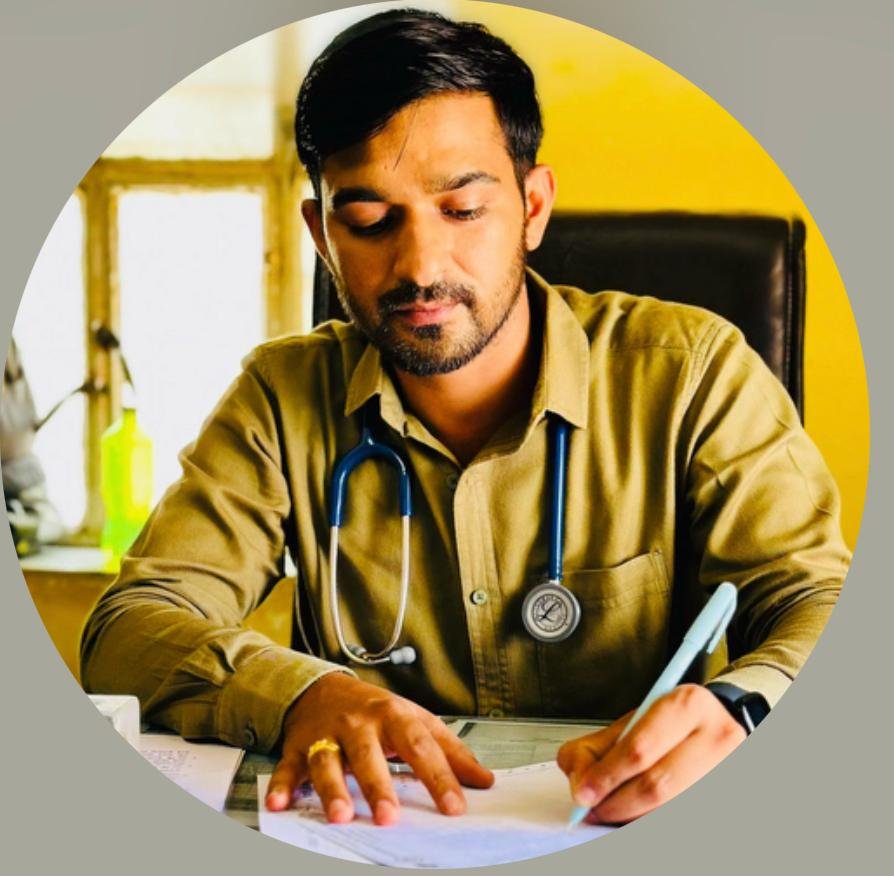
About the Author
Dr. Anil Kumar reviews AtHomeCare’s home healthcare and telehealth content to ensure every recommendation reflects current clinical practice and is safe for families to act on at home. With seven years of clinical experience, he focuses on practical, honest guidance for families managing recovery and chronic illness outside the hospital — including when home-based care is appropriate and when it is not.
Medical Registration No.: RMC-79836 · Experience: 7 years
Medical Review
| Reviewed by | Dr. Anil Kumar |
| Qualification | [Qualification — to be updated] |
| Speciality | [Speciality — to be updated] |
| Medical Registration No. | RMC-79836 |
| Years of Experience | 7 years |
| Review scope | Clinical accuracy of telehealth indications, contraindications, vital-sign reference ranges and emergency red flags |
| Last reviewed | 18 January 2026 |
This article is general health information for families, not a substitute for a personal medical consultation. Always follow the specific advice of your treating doctor.
Ready to Stop Travelling for Every Follow-Up?
Book a telehealth consultation at home in Mohali today. Our care team will prepare the call, support you during it, and handle everything the doctor advises afterwards — medicines, nursing visits, equipment and the next review.