- Medically reviewed by Dr. Anil Kumar
- Updated on 5 January 2026
- ⏱ About 30 min read
- Ludhiana, Punjab
Preparing for a Doctor’s Home Visit in Ludhiana: Records and Questions Families Should Keep Ready
A clear, doctor-guided preparation checklist for families arranging a doctor home visit in Ludhiana — which medical records to gather, how to build a correct medicine list, what to write about symptoms, and the questions worth asking.
Quick summary
- Keep prescriptions, reports and a written medicine list in one folder, newest papers on top.
- Write a short, dated symptom diary instead of a long story from memory.
- Prepare 5–10 questions and ask the most important ones first.
- Record recent BP, sugar, weight and temperature if you have the devices at home.
- Bathe and dress the patient, and set up a quiet, well-lit room with clear space.
- The doctor decides which examination and investigations are appropriate — preparation supports that decision, it does not replace it.
- Know the red-flag symptoms that need an ambulance, not a scheduled visit.
📞 Call 9910823218 WhatsApp Us About Doctor Home Visits
Serving patients across Ludhiana through our regional care network.
Why preparing for a doctor’s home visit in Ludhiana matters
In a hospital, a doctor opens a file that nurses, lab technicians and previous doctors have already filled. In your home, that file does not exist — until you build it. For the thirty to forty-five minutes the doctor spends in your living room, the family becomes the record-keeper. If papers are scattered, doses are guessed and symptoms are described vaguely, the doctor spends precious time collecting facts instead of thinking about treatment.
Preparation changes the whole visit. A neat folder of prescriptions lets the doctor see what has already been tried. A written medicine list prevents dangerous overlap between two similar tablets. A dated symptom diary turns “he has been unwell for weeks” into “fever spikes every evening since the 12th, worst at 7 pm, paracetamol helps for four hours.” Those details move a diagnosis forward faster than anything else.
Preparation also protects the patient. Elderly people in Ludhiana often take five or more medicines a day, sometimes prescribed by different doctors who have never seen each other’s prescriptions. A home consultation is the best chance to lay every strip on a table and sort it out safely — but only if the family brings all of them.
How a doctor’s home visit works, step by step
Families prepare better when they know what will actually happen. AtHomeCare follows a fixed operational process for every doctor home visit:
- First contact. The family calls 9910823218 or messages on WhatsApp. The care coordinator asks basic questions — the patient’s age, main problem, how long it has been going on, the address in Ludhiana and the preferred time. If the description sounds like an emergency, the team immediately redirects the family to an ambulance instead of booking a visit.
- Doctor assignment and verification. A doctor is matched to the case. As standard practice, medical registration and credentials are verified before any doctor is deployed, and the case type — an elderly review, a post-hospital check, a wound assessment — is shared with the doctor in advance.
- Scheduling and route planning. The team plans routes across the city and shares an arrival window. This transportation coordination is a routine part of the service, because predictable timing matters to families waiting with a sick relative.
- Pre-arrival call. The doctor or coordinator usually calls shortly before arriving. This is your signal to seat the patient, open the record folder and switch the television off.
- The consultation. The doctor takes the history, examines the patient using basic tools such as a stethoscope, BP apparatus, torch and pulse oximeter, reviews your records and medicines, and discusses the plan with the family.
- Documentation. The doctor writes down the assessment, advice and prescriptions. Keep this paper safely — it becomes the first page of your home record folder.
- Next steps. If tests, medicines, nursing care or equipment are advised, the care team helps arrange them — from integrated pharmacy delivery and equipment logistics to nursing support in Ludhiana.
- Follow-up and quality monitoring. A follow-up call checks whether the advice was clear and the patient is stable. If anything worsens, the escalation protocol moves the case to the doctor on call or directs the family to emergency care.
The complete home doctor appointment checklist
Documents
- Current prescriptions (latest first)
- Hospital discharge summaries
- Recent blood, urine and other lab reports
- X-ray, CT, MRI or ultrasound reports and films or CDs
- Vaccination records, especially for children and elderly patients
- Insurance, TPA or cashless card documents
- Aadhaar or ID proof and any hospital patient ID (MRD number)
Medicines
- Every prescription strip, bottle, inhaler and injection the patient uses
- Over-the-counter items: painkillers, antacids, vitamins, cough syrups
- Ayurvedic, homeopathic or herbal remedies the family is giving
- A written list with doses and timings (see the medicine list section)
Patient notes
- Symptom diary with dates
- Recent BP, sugar, weight and temperature readings
- Allergy list — medicines, foods, anything else
- Your written questions, most important first
The room and the people
- A quiet room with daylight and space around the bed or chair
- A chair and small table for the doctor’s bag and papers
- Soap and towel or sanitiser for hand hygiene
- Patient bathed, dressed and comfortable; bladder emptied
- One main spokesperson and one note-taker among the family
- Pets and television away from the consultation area
Medical records for home consultation
Doctors read records the way you read a map — they want to know where the patient has been before deciding where to go. The table below shows which papers matter most and where families usually find them.
| Record | Why it matters | Where families usually find it |
|---|---|---|
| Current prescriptions | Shows the active treatment plan and doses | Chemist’s counter, patient’s medicine box, last clinic file |
| Discharge summary | The complete story of the last hospital stay — diagnosis, treatment, follow-up plan | Hospital file; can be re-issued from the hospital records desk with the MRD number |
| Blood and urine reports | Baselines for diabetes, kidney, liver and infection status | Lab folders, WhatsApp images from the lab, lab app |
| Imaging reports (X-ray, CT, MRI) | Confirms fractures, chest and brain findings | Films or CDs from the diagnostic centre; digital copies on the centre’s portal |
| Vaccination records | Needed for children, elderly flu and pneumonia shots | Anganwadi card, paediatrician’s file, CoWIN record |
| Insurance / TPA documents | Speeds up admission if the doctor advises hospital care | Policy file, insurer’s app, employer HR |
How to organise the folder
Use one simple order: most recent on top. Put today’s prescription first, then the last discharge summary, then reports in reverse date order. Attach a sticky note on anything important. If you keep records on your phone, keep the phone charged and the files named with dates — “BP report 28-12-2025” beats “scan (3)”.
Show originals but do not hand them over permanently unless the doctor asks and you are comfortable. Ask first if the doctor wants to keep a copy. Anything the doctor writes during the visit should be added to the same folder as soon as the visit ends.
Building a correct medicine list for the doctor
Elderly patients commonly take medicines prescribed by two or three different doctors. Nobody — not the cardiologist, not the family physician, not the orthopaedic surgeon — sees the full list. That is how families end up giving two blood thinners together, or two painkillers of the same family, or continuing a course that should have stopped weeks ago. The medicine review is often the most valuable part of a home visit.
What a good medicine list looks like
| Medicine | Strength | Dose and timing | Since when | Why it was given |
|---|---|---|---|---|
| Amlodipine (example) | 5 mg | 1 tablet after breakfast | 2023 | High blood pressure |
| Metformin (example) | 500 mg | 1 tablet after lunch and dinner | 2022 | Type 2 diabetes |
| Calcium + vitamin D (example) | — | 1 tablet after dinner | 2024 | Recommended after a fall |
Do not forget these
- Over-the-counter medicines — painkillers, antacids, ORS, cough syrups, Digestive pills
- Inhalers, eye drops, nasal sprays, skin creams — families often forget these are medicines too
- Insulin and injections — note the dose in units and the timing
- Ayurvedic, homeopathic and herbal remedies — always mention them; they can interact with other medicines or hide symptoms, and doctors ask about them without judging
- Medicines that were stopped recently — and why they were stopped
Writing down the patient history
A patient history for a doctor visit does not need medical language. It needs dates and facts. Keep one notebook as the family’s permanent health diary and write in it whenever something changes. Before the visit, copy the last two or three pages onto a fresh sheet for the doctor.
The symptom diary
| Date and time | What happened | How long | Severity (1–10) | What helped or worsened it |
|---|---|---|---|---|
| 3 Jan, 7 pm | Fever, shivering | About 5 hours | 6 | Paracetamol helped for 4 hours |
| 4 Jan, 2 am | Cough waking from sleep | 20 minutes | 4 | Warm water helped a little |
| 4 Jan, 9 am | Felt dizzy on standing | Seconds | 3 | Worse after missing breakfast |
Background the doctor will ask about
- Past illnesses: diabetes, blood pressure, thyroid, asthma, TB, kidney or heart disease, stroke — with the year of diagnosis if known
- Surgeries and hospital stays: what, when, any complications
- Allergies: especially medicine allergies — name the drug and the reaction (rash, swelling, breathlessness)
- Family history: diabetes, heart disease, cancer in close relatives
- Lifestyle: smoking, tobacco, alcohol, diet pattern, sleep
- Changes: weight loss or gain, appetite, bladder and bowel habits, mood or memory
When describing pain or discomfort, use plain words and structure: where it is, what kind it is (burning, aching, stabbing), where it spreads, when it comes, what triggers it, and what relieves it. “Burning pain in the upper stomach, starts two hours after dinner, settled by cold milk” tells a doctor more than an hour of vague conversation.
Questions for a home visit doctor
In a clinic, patients remember their best questions in the car park on the way home. At home, time is friendlier — but memory still fails. So write the questions down, and number them. Start with the big three:
- What is the most likely cause of the problem?
- What warning signs should we watch for in the next 48 hours, and which ones mean we should call again or go to hospital?
- What is the single most important next step — a medicine change, a test, rest, or a review?
Good questions by category
About medicines
- What does this new medicine do, and how will we know it is working?
- What side effects should make us stop and call you?
- Which of the current medicines should we continue, reduce or stop?
- What happens if a dose is missed?
About tests
- Do we need tests now, or can we wait and watch?
- What will each test change about the treatment?
- Can sample collection happen at home, and when will results arrive?
About daily care and follow-up
- Is normal food, bathing and walking safe right now?
- Does the patient need nursing care, an attendant, or equipment at home?
- When should the next visit happen — and is a phone follow-up possible for small questions?
| If the doctor says… | Good questions to ask | Why it matters |
|---|---|---|
| “We’ll start a new medicine” | How long? What side effects? Does it replace anything? | Prevents overlap and overdose |
| “Get some tests done” | Which ones, where, roughly what will they change? | You understand the purpose before spending money |
| “This is common at this age” | What can still be improved — strength, balance, sleep, diet? | “Normal for age” should not end the conversation |
| “Admission may be needed” | How urgent? What happens there? Can any part be done at home? | Helps the family plan transport and documents calmly |
| “Call me if it gets worse” | Exactly which signs? Who do we call first — you or the care team? | Removes confusion during a frightening moment |
Preparing the home and the patient
Home medical consultation preparation is mostly about removing friction. The doctor needs light to look at eyes, skin and throat; space to reach both sides of the patient; and a surface for the bag, notes and your folder of records.
The room
- Pick the room with the best daylight — it genuinely helps examination. Switch on all lights anyway.
- Clear a path around the bed or chair. Move stools, wires and rugs that could trip anyone.
- Keep a firm chair and a small table for the doctor.
- Keep soap and a clean towel or sanitiser within reach — hand hygiene before and after examination is standard practice, and it protects the patient.
- Turn the television off. Keep other rooms available if a private conversation is needed.
The patient
- A bath and clean clothes make examination easier and more comfortable for the patient.
- Empty the bladder before the doctor arrives — a full stomach and bladder both make abdominal examination harder, so keep meals light in the two hours before the visit.
- Keep the patient sitting up in a chair if they are breathless; lying flat only if they are weak or the doctor asks.
- Keep spectacles, hearing aids with fresh batteries, and dentures in place.
The people
- Main spokesperson: the person who knows the full story — usually the daily caregiver, not the relative who flew in yesterday.
- Note-taker: writes down everything the doctor says, including medicine changes.
- Everyone else can listen from another room and join briefly if the doctor asks. Too many voices create a confused history and frighten the patient.
- Keep your phone on silent but reachable, and be at home at least thirty minutes before the arrival window.
Extra preparation for elderly patients
Most home visits in Ludhiana involve elderly parents, often while their children manage care from other cities or from abroad. A few extra steps make these visits far more productive.
Communication aids
A patient who cannot hear the question cannot answer it. Insert hearing aids and check the batteries, fit spectacles, and seat the patient facing the doctor. After the visit, write the doctor’s key instructions in large letters and stick the sheet near the bed. Repeat instructions back to the doctor in your own words — “so we stop the blue tablet and start this new one after food, correct?” — before the doctor leaves.
Bring the daily caregiver
The daughter-in-law who cooks, gives medicines and helps with bathing knows details no one else does — that he eats only half a roti now, that she needs two people to shift him to the toilet, that he wakes confused at 3 am. That person must be present, not “called if needed.”
For patients with dementia or memory loss
- Book the visit at the patient’s calmest time of day, usually late morning.
- Keep one familiar room tidy; do not move furniture just before the visit.
- Do not force the patient to answer. Let the caregiver describe the daily routine.
- Keep a familiar family member holding the patient’s hand throughout.
If the patient recently left hospital
The discharge summary is your most important document, followed by the medicine chart. Mention every device already at home — hospital bed, air mattress, oxygen concentrator, catheter, feeding tube — so the doctor can plan around them. Families often find it useful to read about night monitoring after ICU discharge in Ludhiana before a post-hospital review.
What the doctor decides — tests and examinations
This point protects patients, so it deserves its own section. Preparation is not self-diagnosis. The family’s job is to supply accurate information; the doctor’s job is to examine, weigh possibilities, and choose what is medically appropriate. Tests are not free of cost or risk — an unnecessary CT scan exposes an elderly patient to radiation and worry, while a missed basic test can delay a diagnosis. That balancing act is the doctor’s responsibility, based on years of training.
What a home visit can and cannot do
- Can: history, physical examination, vital checks, medicine review, wound assessment, prescriptions, advice on care at home, and planning the next step.
- Usually cannot: X-rays, ultrasounds, CT scans, ECG in most cases, blood sample collection by the doctor, and any procedure needing a sterile setup. For these, the doctor will advise where to go and how urgently.
If the doctor says a hospital visit or admission is safer, accept the advice and ask the planning questions listed earlier. Refusing hospital care because “the home visit went fine” is one of the most dangerous mistakes families make.
Recording vitals before the visit
Home readings are often better than clinic readings because the patient is relaxed. A pattern — “BP runs 150/95 every morning but 128/84 in the evening” — can change a doctor’s entire approach to blood pressure medicines.
| Reading | Rough general range for adults | How and when to record |
|---|---|---|
| Blood pressure | Around 120/80 mmHg, or the target your doctor has set | Morning and evening, seated, after 5 minutes of rest |
| Pulse | 60–100 beats per minute | With the BP reading, or count for 30 seconds and double it |
| Temperature | About 36.1–37.2 °C | Whenever fever is suspected, note the time |
| Oxygen level (SpO₂) | 95% or above | When there is cough, breathlessness or fever |
| Blood sugar | Fasting roughly 70–100 mg/dL; follow your doctor’s personal targets | Label every reading clearly as fasting or after food |
| Weight | Stable compared with last month | Same time of day, similar clothing |
Write every reading with the date, time and whether it was fasting or after food. A scribbled list is fine — clarity beats beauty. Bring the devices themselves; doctors often re-check calibration or measure the patient directly.
Your preparation timeline
- 48 hours before — Book the visit and share the patient’s basic details. Start the vitals log. Begin collecting prescriptions, reports and discharge summaries into one folder. Photograph every paper.
- 24 hours before — Lay out every medicine strip, bottle, inhaler and remedy. Finish the written medicine list. Draft 5–10 questions, most important first. Plan which room the visit will happen in.
- Morning of the visit — Patient bathed if possible. Light tidy of the consultation room. Folder, medicine bag and devices kept on the table. Phone charged; keep the doctor’s number visible.
- 1 hour before — Patient dressed, seated comfortably, bladder emptied. Pets away, television off. Confirm who is the spokesperson and who takes notes. Note any medicine already taken today.
- During the visit — Hand over the folder, show the medicines, present the diary. Ask the top three questions first. Repeat the plan back in your own words. Write everything down.
- After the visit — Update the folder with the doctor’s notes. Separate new medicines from stopped ones. Arrange refills, tests and the follow-up. Share a summary with the wider family.
Common mistakes families make
- Hiding or softening facts. Smoking, alcohol, missing doses, past treatments in another city, mental health struggles — doctors have heard everything and keep it confidential. Hidden facts lead to wrong plans.
- Bringing half the medicines. “The rest are at the other house” is a common sentence that blocks a safe review. Fetch all of them, or photograph everything.
- Letting the patient sleep through the visit. Wake the patient an hour early if needed. The doctor needs to examine the person whose health is being discussed.
- Too many voices. Five relatives narrating five different stories confuses the history. One spokesperson, one note-taker, others on standby.
- No written questions. The visit ends, and everyone realises the main worry was never mentioned. Write questions down; cross them off as you ask.
- Expecting a hospital inside the home. A home visit cannot perform scans or emergency procedures. Ask the doctor what the right next setting is instead of requesting it all at home.
- Not writing down the advice. Memory fades by evening, especially for elderly caregivers. Notes and a photo of the prescription prevent dangerous guesswork at night.
- Booking only during a crisis. Families who wait until a patient is very unwell often need an ambulance, not a visit. Book reviews early and keep regular check-ups scheduled — see our guide on why regular check-ups matter.
When a home visit is not enough
While waiting for the ambulance: keep the patient calm and still, unlock the main door, clear the path for stretchers, and keep the document folder ready to travel. Do not give food or water to someone unconscious or vomiting. For a fuller list of danger signs at home, read warning signs and emergency response for the elderly and early warning signs that need immediate medical attention.
Home visit, clinic, or emergency? A decision guide
- Is the problem life-threatening right now? Chest pain, stroke signs, severe breathlessness, unconsciousness, heavy bleeding → Stop. Call 108 / 112 now.
- Can the problem safely wait for a scheduled visit? A two-day fever, a wound check, a BP or sugar review, an elderly weakness assessment → A doctor’s home visit works well.
- Will the problem likely need machines or procedures? Suspected fracture, planned surgery discussion, ECG, scans → Book a home visit for advice first; the doctor will direct you to the right lab or hospital.
- Is the patient recovering at home after hospital discharge? → Home visit plus nursing support gives the safest recovery — see home care vs hospital care in Ludhiana.
- Does the patient need daily medical care at home? Injections, dressings, tube feeding, oxygen → Ask about home nursing alongside doctor visits.
| Situation | Best first step | Why |
|---|---|---|
| Sudden severe symptoms | Ambulance — 108 / 112 | Treatment in the first minutes changes outcomes |
| New problem needing examination | Doctor’s home visit | Assessment at home, then a clear plan |
| Routine disease review (BP, diabetes) | Home visit or clinic | Either works; home visits suit patients with weak mobility |
| Problem dependent on imaging or procedures | Clinic or hospital after home-visit advice | Machines and sterile setups are not available at home |
| Post-discharge recovery | Home visit plus home nursing | Early detection of deterioration prevents readmission |
After the visit: making the advice work
The same-evening routine
- Write the plan on one page. Diagnosis as explained, medicine changes, tests ordered, activity and diet instructions, and warning signs to watch.
- Sort the medicines physically. Move stopped medicines out of the daily box immediately — this single step prevents most accidental double-dosing.
- Set reminders. Phone alarms labelled with the medicine name work better than memory at any age.
- Arrange the logistics. Medicine refills through pharmacy delivery and refill support, home sample collection for tests, and injections or dressings through home injection and nursing services if advised.
- Book the follow-up before the momentum of the visit fades — same-week slots are easier to get.
- Share a summary on the family WhatsApp group. For NRI families, a photo of the written plan is the fastest handover possible.
Keep watching for the warning signs the doctor mentioned. If any appear, call the number on the visit note rather than waiting for the next scheduled visit. As part of standard quality monitoring, expect a follow-up call from the care team to confirm the patient is stable and the instructions were clear — use that call honestly.
How AtHomeCare supports doctor home visits
Families often judge a home healthcare provider by a single visit. The safer test is what happens between visits. AtHomeCare runs the following as standard operating practices:
- Recruitment and screening. Doctors, nurses and attendants are recruited through a documented process with credential and experience checks. Medical registration details are verified before deployment.
- Caregiver verification. Identity documents, background checks and reference checks are completed before any staff member enters a patient’s home.
- Training. Staff receive training in elderly handling, infection prevention, medication safety and emergency response, refreshed through periodic drills.
- Supervision and quality monitoring. Nursing care runs under clinical supervision, with care notes, follow-up calls and defined reporting lines.
- Infection prevention. Hand hygiene before and after examination, masks where clinically appropriate, and single-use disposables where indicated — protecting both patient and staff.
- Transportation coordination. Visits are scheduled into planned routes so arrival windows are realistic; where hospital transfer is needed, ambulance coordination is arranged as advised by the doctor.
- Equipment logistics. Hospital beds, air mattresses, oxygen concentrators, monitors, suction machines and wheelchairs are delivered, installed and explained at home. See the home ICU setup guide and medical equipment on rent for how this works.
- Integrated pharmacy. Prescriptions from the visit can be fulfilled through medicine delivery and refill management, reducing chemist trips for weak or bedridden patients.
- Home ICU deployment. Where the treating doctor advises ICU-level care at home, the team deploys the bed, oxygen, monitoring and suction setup together with ICU-trained nursing — for example after ICU discharge.
- Shift handovers. Written handover notes pass each patient’s plan, medicines and warning signs from one nurse or attendant to the next, so nothing lives only in one person’s memory.
- Accommodation support for long-term assignments. For long-duration cases where staff travel from other cities, accommodation support is arranged as part of standard deployment.
- Emergency escalation. Every care plan includes a clear escalation path: caregiver informs the supervising nurse, the nurse informs the doctor on call, and ambulance or hospital transfer is triggered by defined red flags — never by delay.
Where to go next on this site
- Doctor home visit service — what visits cover and how to book
- Home nursing services — skilled nursing care at home
- Patient attendant care in Ludhiana — daily bedside support
- Home ICU setup — ICU-level care at home, explained
- Physiotherapy at home — recovery through guided movement
- Elderly care guide — complete family reference
A note for families in Ludhiana
Life in Ludhiana has its own rhythm. Markets, factory shifts and traffic make even a short clinic trip a half-day affair — which is exactly why doctor visits at home suit so many households here, from the old city lanes to the newer residential sectors. When a parent is weak or recovering from surgery, saving the travel matters as much as the consultation itself.
Another pattern our care teams see often: one sibling in Ludhiana managing daily care, and one or more siblings abroad trying to help over video calls. The preparation habits in this guide — the folder, the medicine photographs, the symptom diary, the written visit summary — double as the perfect handover pack between them. A shared digital album means the doctor’s plan reaches the whole family the same evening, wherever they are.
Finally, a practical point: doctor visit coverage and timings can vary by area and by week. When you call or message, our team will confirm current availability for your locality in Ludhiana and help you choose a suitable time window for the patient.
Frequently asked questions
What should I keep ready before a doctor’s home visit in Ludhiana?
Keep one folder with current prescriptions, the latest discharge summary, recent blood reports and imaging reports. Put every medicine strip or bottle in a bag, write a short symptom diary, note recent BP, sugar, weight and temperature readings, prepare your questions, and keep the patient bathed, dressed and seated in a well-lit room.
How long does a doctor’s home visit usually last?
Most home consultations last between 20 and 45 minutes. A first visit, an elderly patient with several illnesses, or a post-hospital review can take longer. If the doctor needs a detailed examination or many records, a planned follow-up visit is often more useful than one very long visit.
Which medical records matter most for a home consultation?
The current prescriptions, the most recent hospital discharge summary, the latest blood and urine reports, and any recent X-ray, CT or MRI reports. For a patient recently discharged from hospital, the discharge summary is the single most useful document you can hand the doctor.
What if we cannot find old prescriptions or reports?
Do not panic. Give the doctor whatever you have and write down the hospital names, approximate dates and treatments. Hospital record sections can issue copies if you have the patient ID, and chemist purchase slips help rebuild the medicine history. Tell the doctor honestly what is missing.
How do we make a correct medicine list for the doctor?
For each medicine write the name, strength, dose, timing, when it was started and why. The easier method is to put every strip, bottle, inhaler and tube into one bag and show them directly. Photograph each strip so the list survives even if a box is lost.
Should we mention Ayurvedic, homeopathic or herbal medicines?
Yes, always. Home remedies, herbal tonics, Ayurvedic and homeopathic medicines can interact with other medicines or hide symptoms. Doctors do not judge these choices — they only need the complete picture to keep the patient safe.
Should the patient eat before the doctor arrives?
Eat light, and finish meals about two hours before the visit if a stomach examination is possible. Keep water nearby. If fasting blood tests are planned for the same morning, follow the lab’s fasting instructions. When you are unsure, a light meal is the safe choice.
What questions should we ask the visiting doctor first?
Start with three questions: What is the most likely cause of the problem? What warning signs should we watch for in the next two days? What is the single most important next step? Then move on to medicines, tests and follow-up plans.
Can blood tests or samples be collected at home?
Home sample collection is commonly available in Ludhiana through diagnostic services. The visiting doctor will advise which tests are actually needed and guide you on arranging collection or a lab visit. Share the reports with the doctor when they arrive so treatment can be adjusted.
Is a home visit the right choice in an emergency?
No. For chest pain, stroke signs, severe breathlessness, unconsciousness, seizures or heavy bleeding, call 108 or 112 immediately. Home doctor visits are for planned, non-emergency care. Keep ambulance numbers saved in every family member’s phone.
What should we do if the doctor advises hospital admission?
Ask why admission is needed, how urgent it is, and what will happen there. Keep your document folder ready because it speeds up admission paperwork. The AtHomeCare team can help coordinate transport and equipment as advised by the doctor.
My parent has dementia. Any special preparation needed?
Book the visit at the parent’s calmest time of day, keep one familiar room tidy, and have the caregiver who knows the daily routine present. Keep spectacles, hearing aids and dentures ready, and do not force the patient to answer questions if they become distressed.
Should we buy medical equipment before the visit?
No. Show the doctor whatever you already have, such as a BP monitor, glucometer or oximeter. If equipment is genuinely needed, the doctor’s advice will guide the choice, and AtHomeCare can arrange rental and delivery of beds, oxygen, monitors and similar items where available.
Does the visiting doctor bring instruments and equipment?
Doctors commonly carry basic examination tools such as a stethoscope, BP apparatus, torch and pulse oximeter. Tests like ECG, X-ray or ultrasound usually need a lab or hospital visit, and the doctor will advise you exactly where and how to arrange them.
Can the doctor prescribe medicines, and can medicines be delivered?
Yes, the doctor can write a prescription after examining the patient. Where pharmacy support is active, AtHomeCare can arrange medicine delivery and refills at home, so the family does not need repeated trips to a chemist. Confirm current availability when you book.
How far in advance should we book a doctor home visit?
Same-day or next-day slots are often possible, but 24 hours of notice helps scheduling. For planned reviews such as blood pressure, diabetes or post-surgery checks, booking two to three days ahead usually secures your preferred time window.
How many family members should be present during the visit?
Two are ideal — one main spokesperson who knows the full history, and one person who writes down the doctor’s advice. Too many people talking can confuse the history and worry the patient. Others can join briefly if the doctor asks specific questions.
What should we do immediately after the visit ends?
Write down the plan, separate new medicines from stopped ones, set phone reminders for doses, arrange refills or sample collection, book the follow-up, and share a short summary with family members, including those living abroad. Watch for the warning signs the doctor mentioned.
What details should the symptom diary include?
For each episode note the date and time, what happened, how long it lasted, severity out of ten, what made it better or worse, and any medicine taken. Short daily entries are far more useful to a doctor than one long, vague description written from memory.
Does AtHomeCare provide nursing or attendant care after the doctor visit?
Yes. Through our regional care network, AtHomeCare can arrange home nursing, patient attendants, physiotherapy, medical equipment and pharmacy support that follow the doctor’s advice. Call 9910823218 to confirm current availability and coverage for your area of Ludhiana.
Final word
None of the steps in this guide needs money or medical training — only a notebook, a folder, an evening and some honesty. Families who prepare this way routinely get clearer advice, safer medicine plans and fewer avoidable hospital trips. When you are ready to book, our care team will confirm coverage for your area of Ludhiana, fix a suitable time window, and answer any question from this page before the doctor arrives.
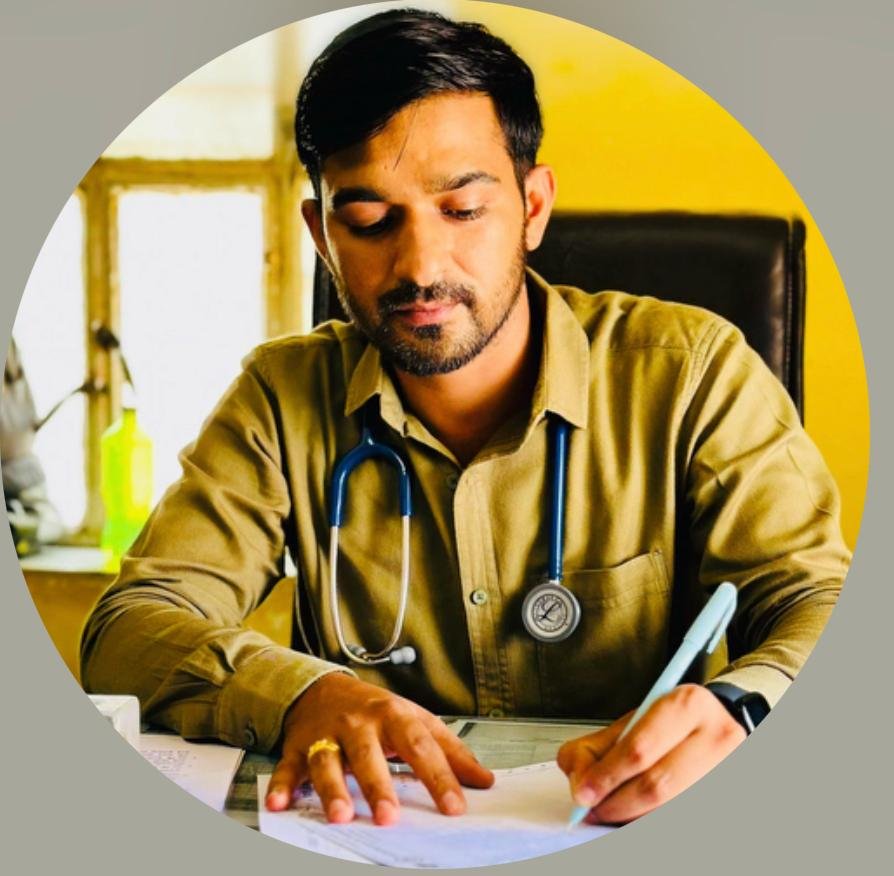
Dr. Anil Kumar
Medical Reviewer — AtHomeCare
Dr. Anil Kumar has clinically reviewed this article for medical accuracy, safety of the emergency guidance, and clarity for family caregivers. The emergency advice in this page — when to call an ambulance instead of booking a home visit — has been specifically checked.
Clinical accountability note: home visit advice in this article is educational. Diagnosis, examination and treatment decisions belong to the treating doctor who assesses the patient in person.