📍 Ludhiana, Punjab — Service City
Home Infection-Control Support in Ludhiana: Hygiene Protocols for Patients Receiving Professional Care
- ✔ Medically reviewed by Dr. Anil Kumar
- ⏱ 32 min read
- 🔄 Updated: 5 January 2026
- 🏥 Clinical hygiene · Home ICU · Nursing support
Quick Summary
Infection control at home in Ludhiana means protecting recovering, bedridden and device-dependent patients through disciplined hand hygiene, clean patient rooms, disinfected medical equipment, safe linen handling, correct biomedical waste disposal and early escalation of warning signs. This guide explains every protocol families need — and how AtHomeCare’s trained nurses and attendants apply them daily across Ludhiana through our regional care network.
What Is Infection Control at Home — and Why Does It Decide Recovery?
Quick Answer
Infection control at home is a set of simple, repeatable hygiene routines — hand washing, surface cleaning, equipment disinfection, safe linen and waste handling — that stop germs from reaching a weak patient. For people recovering at home in Ludhiana, these routines often decide whether recovery moves forward or a readmission happens.
When a patient leaves a hospital in Ludhiana — after surgery, after an ICU stay, or with a catheter, feeding tube, tracheostomy or oxygen support — the home becomes the treatment room. The family becomes part of the care team. And just like in a hospital, one thing quietly decides outcomes above almost everything else: whether germs are kept away from the patient.
In hospitals, this work is done by infection-control teams, protocols and audits. At home, it is done by whoever is present — a mother, a son, a hired attendant, or a trained nurse. The good news is that the science is the same, and it is simple. Infection prevention is not about expensive products. It is about doing a few basic things correctly, every single time.
What “clinical infection control” actually includes
A proper home infection-control routine covers seven pillars:
Hand hygiene
The correct way and the correct moments — the single most powerful protection.
Gloves & PPE
Using protection when handling wounds, bedpans, tubes and body fluids.
Patient room hygiene
Daily cleaning of surfaces, floors and high-touch points around the bed.
Equipment disinfection
Oxygen machines, nebulizers, suction units, beds, monitors and wheelchairs.
Linen handling
Safe changing, washing and drying of sheets, gowns and incontinence pads.
Biomedical waste
Separating sharps, dressings and contaminated waste from household garbage.
Early escalation
Recognising fever, confusion or wound changes and acting within hours, not days.
ℹ️ Good to know
Most serious home-care infections — urinary infections from catheters, lung infections in bedridden patients, wound infections after surgery — are preventable. They rarely start as bad luck. They usually start as a missed hand wash, a wet dressing left unattended, or a drainage bag placed above bladder level.
This guide walks through each pillar in plain language, with schedules, checklists and warning signs. It is written for families in Ludhiana who are caring for a loved one themselves, and for families who have hired help and want to know whether that help is doing things the right way.
Why Infection Control Matters So Much for Home-Care Patients in Ludhiana
Quick Answer
Ludhiana families increasingly bring higher-dependency care home — ICU-level equipment, catheters, feeding tubes and post-surgery recovery. Every device and every weak immune system adds infection risk. Punjab’s winters, dusty air and crowded households make disciplined hygiene protocols even more important for safe recovery at home.
Home healthcare in Ludhiana has changed. A decade ago, “care at home” usually meant help with bathing, feeding and medicines. Today, our regional care network regularly supports patients who were in an ICU a few days earlier — with oxygen concentrators, BiPAP machines, suction apparatus, patient monitors and hospital beds set up inside homes in Civil Lines, Model Town, Sarabha Nagar, Dugri, Ferozepur Road and across the city.
That shift is good news — recovery at home is calmer, more dignified and often faster. But it changes the risk profile completely.
Three reasons home-care patients carry higher infection risk
- Devices create doorways for germs. A urinary catheter, an IV line, a feeding tube or a tracheostomy tube bypasses the body’s natural defences. Germs that a healthy person shrugs off can travel along these devices straight inside.
- Recent hospital patients carry “hospital-hardened” bacteria. Patients discharged after ICU stays or long admissions often carry resistant organisms on their skin or in their gut. At home, hygiene discipline is the main defence against these turning into real infections.
- The home environment is shared. Unlike a hospital room, a Ludhiana home has visitors, cooking smells, dust from the street, children, pets and shared bathrooms. None of this is a problem for healthy people. For a weak patient, each one is a variable that must be managed.
Ludhiana’s season adds its own pressure
Punjab’s winters — roughly November to February — bring three things together: a rise in seasonal flu and chest infections, poorer air quality from regional crop-residue burning and industrial emissions, and closed windows as families seal their homes against the cold. For a patient on oxygen or recovering from a lung illness, this combination makes clean indoor air, humidifier hygiene and infection monitoring a winter priority, not an afterthought.
💡 Practical local tip
In Ludhiana’s winter, ventilate the patient’s room in short bursts — 10–15 minutes, two or three times a day — rather than keeping a window permanently open. Fresh air comes in; the room does not become cold enough to make an elderly patient shiver. Our caregivers follow exactly this pattern from December to February.
Families who manage home ICU setups, long-term catheter care or post-surgical recovery in Ludhiana should treat infection control as a clinical task with a protocol — not as ordinary housekeeping. The rest of this guide shows exactly what that protocol looks like.
Hand Hygiene: The Single Most Powerful Step in Home Infection Control
Quick Answer
Hands carry most germs from surfaces into a patient’s body. Washing with soap for 20 seconds — or using an alcohol-based rub until dry — before and after every care task removes them. Done at the right five moments, hand hygiene prevents the majority of home-care infections on its own.
If you read only one section of this guide, read this one. Decades of hospital research agree on one point: hand hygiene prevents more infections than every other measure combined. The same is true at home.
The five moments when hands must be cleaned
Caregivers in our Ludhiana network are trained on the internationally accepted “five moments” of hand hygiene. At home, they translate into these situations:
- Before touching the patient — before feeding, bathing, turning, giving medicines.
- Before any clean task — before touching a catheter, feeding tube, wound dressing, oxygen tubing or medicines.
- After body-fluid exposure — after bedpan changes, diaper changes, suctioning, cleaning vomit, urine or stool.
- After touching the patient’s surroundings — bed rails, side table, monitor, walker, remote.
- After removing gloves — gloves protect you; they do not clean your hands.
Soap wash vs alcohol rub: when to use which
| Situation | Soap & water (20 seconds) | Alcohol rub (until dry) |
|---|---|---|
| Hands visibly dirty or dusty | ✔ Required | ✘ Not enough alone |
| After toilet care, bedpan, stool or vomit | ✔ Required | ✘ Not a substitute |
| Before touching devices, wounds, food | ✔ Good | ✔ Good (60–80% alcohol) |
| Between quick tasks at the bedside | — | ✔ Fastest correct option |
| After removing gloves | ✔ Best | ✔ Acceptable |
The correct 20-second technique
Wet hands, apply soap, and cover every surface: palms, backs of hands, between fingers, around thumbs, fingertips against palms, wrists and under nails. Twenty full seconds — roughly the time it takes to hum a short song twice. Rinse and dry with a clean towel or single-use paper. Damp hands pick up germs faster than dry ones, so drying matters as much as washing.
⚠️ Common mistakes we correct during home visits
- Washing for 5 seconds and missing thumbs and fingertips.
- Using the same cloth towel for the whole family for days.
- Believing gloves replace hand hygiene — they never do.
- Keeping a sanitizer bottle that has run dry or is diluted.
💡 Set up a “hand-hygiene station” at the bedside
Keep a pump of 60–80% alcohol hand rub, a small soap dispenser and paper towels within arm’s reach of the bed. When cleaning hands takes 10 seconds instead of a walk to the bathroom, family members and visitors actually do it — every time.
Gloves and PPE: Using Protection the Right Way, Not All the Time
Quick Answer
Gloves are for tasks involving wounds, body fluids, bedpans, suctioning or soiled linen — not for ordinary touching, feeding or talking. Wearing the same gloves from task to task spreads germs instead of stopping them. Clean hands before gloves, fresh gloves for dirty tasks, clean hands after removal.
Many families believe a “safe” caregiver wears gloves constantly. Clinically, the opposite is true. Gloves are a targeted tool. Worn at the wrong moments — and reused across tasks — they become a germ taxi, carrying contamination from a bedpan to a feeding tube to a door handle.
When gloves are required
- Wound dressing changes and any contact with open skin.
- Bedpan, urinal, diaper and catheter-bag handling.
- Suctioning, oral care with secretions, cleaning vomit or stool.
- Handling soiled linen before it goes into the wash.
- Cleaning the room when there is a spill of body fluids.
When gloves are NOT needed
- Holding hands, hugging, combing hair, talking at the bedside.
- Feeding a patient with clean hands and clean utensils.
- Adjusting a blanket, fluffing a pillow, opening curtains.
- Giving oral medicines from a clean spoon or cup.
Correct glove technique in six steps
- Clean hands first — always.
- Pull gloves on without touching the outer surface with bare fingers more than needed.
- Do the dirty task; do not touch the phone, face, doorknob or clean surfaces meanwhile.
- Pull the first glove off inside-out from the wrist, holding it in the gloved hand.
- Slide a bare finger inside the second glove’s cuff, peel it off over the first glove, enclosing both.
- Dispose in the clinical waste bag and clean hands immediately.
Beyond gloves, masks and gowns have specific roles. A mask is used when the patient has a cough-producing illness, when immunity is very low, or when the caregiver themselves has a cold. Gowns or aprons are used for heavy soiling tasks or when caring for a patient with draining wounds. Our nursing team decides PPE levels during the initial assessment, and it is written into the care plan rather than guessed.
Patient Room Hygiene: Cleaning and Disinfecting That Actually Works
Quick Answer
Cleaning removes dirt; disinfecting kills germs — both matter. For a home-care patient, the bed rails, side table, switchboard, remote and bathroom grab bars need daily cleaning, the floor needs daily mopping, and disinfectant should be used where the care team advises. Always ventilate while cleaning and keep patients away from strong fumes.
A patient’s room is not just a bedroom — for weeks or months it is a clinical space. The good news: hospital-grade room hygiene needs no exotic products. It needs a schedule, the right concentration, and consistency.
Clean first, disinfect second — always in this order
A disinfectant sprayed on a dusty surface does very little. Organic matter — dust, dried spills, skin flakes — shields germs from the chemical. So the routine is: wipe with soap/detergent solution first to remove dirt, then apply disinfectant and allow the listed contact time (usually 1–10 minutes of staying visibly wet) before wiping dry.
The daily and weekly room schedule we follow
| Area / item | Frequency | Method |
|---|---|---|
| Bed rails, bed controls, over-bed table | Daily + after any spill | Detergent wipe, then disinfectant; dry with clean cloth |
| Switchboard, door handles, remote, phone | Daily | Disinfectant wipe (alcohol-based is fine for electronics) |
| Floor around the bed | Daily | Damp mop with detergent; disinfect if spills of body fluids |
| Commode, bedpan, urinal | After every use | Wash with detergent, rinse, disinfect; store clean and dry |
| Bathroom grab bars, toilet seat used by patient | Daily | Detergent + disinfectant |
| Fan blades, window sills, behind the bed | Weekly | Wet-dust (never dry-dust near the patient) |
| Walls and ceiling corners | Monthly check | Spot-clean damp patches; report mould to the care team |
⚠️ Safety notes on disinfectants
- Never mix bleach with acid-based toilet cleaners or with ammonia — the gases are dangerous.
- Open windows for 10–15 minutes after using strong disinfectants.
- Never spray aerosol disinfectants toward a patient using oxygen.
- Follow the dilution printed on the label. “More” is not safer — it is harsher on lungs and skin.
💡 Keep a written cleaning log
A simple chart on the wall — date, surfaces cleaned, by whom — keeps the routine honest when different family members and staff take turns. Our supervisors audit these logs during home visits in Ludhiana.
Equipment Disinfection at Home: Oxygen Machines, Beds, Monitors and More
Quick Answer
Medical equipment touches the patient directly, so it needs a written cleaning calendar — not guesswork. Wipe frames and controls daily, wash filters on schedule, disinfect nebulizer parts after every use, change suction tubing as advised, and let our team service machines periodically. Clean equipment is invisible protection.
Families in Ludhiana commonly receive medical equipment on rent — concentrators, hospital beds, air mattresses, suction machines, patient monitors. Each machine is safe at delivery because it arrives sanitized and tested. Keeping it safe is a daily partnership between the caregiver and the equipment provider.
Equipment cleaning calendar
| Equipment | Task | Frequency |
|---|---|---|
| Oxygen concentrator | Wipe cabinet; wash/replace gross-particle filter per manual; keep vents clear | Weekly wipe · filter per manual |
| Oxygen mask / nasal cannula | Wash with soap, rinse, air-dry; replace when stiff or discoloured | Every 2–3 days · replace as advised |
| Nebulizer mask & cup | Wash after every session, air-dry upside-down; disinfect weekly per manual | After every use · weekly deep clean |
| Suction machine | Empty and clean collection bottle; single-use catheters discarded after each suction; tubing changed per nurse instruction | Daily · tubing per protocol |
| Hospital bed frame & rails | Detergent wipe + disinfectant, all rails and controls | Daily |
| Air mattress | Wipe surface with mild disinfectant; check for leaks; use a breathable sheet over it | Twice weekly |
| Patient monitor (BP, pulse-ox, multipara) | Wipe body and cuffs with alcohol wipes; never immerse | Daily touch-points · cuff weekly |
| Thermometer | Wipe with alcohol swab before and after each use | Every use |
| Wheelchair & walker | Wipe hand grips and frame; wash seat cushion cover | Weekly (grips daily) |
🚨 Oxygen safety — non-negotiable rules
- No flame, no smoke, no incense, no camphor (kapoor) anywhere near the oxygen source — this includes the whole room during use.
- Keep oxygen tubing away from door edges and foot traffic to prevent kinks and trips.
- Never apply oil, petroleum jelly or oily creams to the patient’s face near the cannula.
- If the machine’s alarm sounds, do not ignore it — call the equipment helpline and your nurse.
When AtHomeCare deploys equipment for home ICU setups, every device arrives sanitized, cables are routed safely, filters are new, and the nurse documents baseline function before the first shift begins. Scheduled maintenance and filter changes are then tracked by our team — families are not left to remember machine calendars alone. If you are planning a setup, our guide to renting medical equipment for home care explains how the logistics work.
Linen Handling and Laundry Safety for Bedridden and Post-Surgical Patients
Quick Answer
Soiled linen carries skin bacteria, body fluids and sometimes resistant germs. Roll used sheets inward without shaking them, wear gloves for soiled items, wash patient linen separately at the hottest safe temperature, and dry in direct sunlight when possible. Clean linen is stored covered, away from the laundry basket.
Bed linen in a care setting collects sweat, skin scales, cream residues and — with incontinence or wounds — body fluids. Handled casually, the laundry pile becomes one of the busiest germ exchange points in the house. Handled correctly, it is a minor task.
The safe linen routine
- Collect, don’t shake. Rolling soiled linen inward traps germs and skin flakes instead of spraying them across the room. Shaking a sheet releases them into the air the patient breathes.
- Gloves for wet or soiled items. Urine, stool or wound drainage on linen means gloves and, ideally, a dedicated laundry bag.
- Wash separately. Patient linen should not share a drum-load with kitchen cloths or healthy family members’ clothes — especially when there is a wound infection or known resistant bacteria.
- Hot where possible. 60°C washes kill far more organisms than cold cycles. For delicate fabrics, a good detergent plus sunlight drying is a reasonable compromise.
- Sunlight is a free disinfectant. Drying in direct sun adds real antimicrobial benefit — useful in Ludhiana’s bright months.
- Store clean linen covered. Folded linen kept in a closed cupboard or covered basket does not collect airborne dust.
How often should sheets be changed?
| Item | Standard | Change immediately if |
|---|---|---|
| Bed sheet & pillow cover | Twice weekly | Soiled with sweat, urine, stool or drainage |
| Patient gown / kurta | Daily or alternate days | Any dampness or soiling |
| Underpads / plastic sheets | Wipe daily; wash weekly | After every incontinence episode |
| Towels used by patient | Every 2–3 days | After bathing a soiled patient |
Bed hygiene and skin health are two sides of the same coin — damp, wrinkled, soiled sheets are a direct cause of pressure sores. Our guide to complete pressure ulcer prevention covers that link in depth, and our daily sponge-bath hygiene routine shows how our teams keep bedbound patients clean and comfortable.
Personal Hygiene for the Patient: Bathing, Mouth Care and Skin Protection
Quick Answer
Daily bathing or bed-bathing, twice-daily mouth care, clean nails and dry skin folds remove the germs patients carry on their own bodies. For bedridden patients, gentle sponge baths, frequent repositioning and moisture control also prevent bedsores — one of the most common and painful home-care complications.
The patient’s own skin and mouth are the largest reservoirs of bacteria in the room. Regular personal hygiene is therefore not just about dignity and comfort — it directly reduces infection risk, particularly lung and urinary infections.
Core daily personal-hygiene tasks
- Bathing or bed bath daily — or on the schedule the doctor sets for post-surgical patients with restrictions. Warm water, mild soap, thorough drying of skin folds.
- Mouth care twice daily — brushing or swabbing. A dirty mouth is a leading source of germs that reach the lungs in bedridden patients.
- Hand and nail care — trimmed nails on the patient and everyone in contact prevent scratches that can seed infection, especially in diabetic patients.
- Perineal hygiene — gentle cleaning front-to-back after every toilet episode, with thorough drying.
- Moisture control — change damp clothing quickly; use barrier cream where skin stays wet.
Special attention: the diabetic patient
Ludhiana has one of the highest diabetes burdens in Punjab, and diabetic skin is slower to heal and quicker to infect. Daily foot inspection, immediate attention to cracks or blisters, and never walking barefoot are small habits that prevent the worst complications. Our article on diabetic foot care at home details the routine.
💡 Make mouth care count
For a bedridden or tube-fed patient, mouth care is a clinical task: clean teeth or gums with a soft brush or foam swab, moisten lips, and clean the tongue. Families are often surprised how much fresher, more alert and more comfortable a patient becomes once mouth care is done properly twice a day.
Wound and Dressing Hygiene: Protecting the Body’s Open Doorway
Quick Answer
An open wound or surgical cut is a direct entry point for germs. Dressings must be changed with clean hands, sterile or clean instruments, and strict no-touch technique around the wound itself. Check the wound daily for redness spreading, swelling, heat, pus or smell — and photograph it daily so changes are caught early.
Post-surgical patients, pressure-sore patients and diabetic-foot patients in Ludhiana all depend on disciplined wound care at home. A dressing is a barrier; every time it is opened, technique decides whether the barrier stays protective.
Safe dressing-change routine
- Clean hands; lay out all supplies on a clean cloth before starting.
- Wear clean gloves; remove the old dressing gently, peeling toward the wound, not away from it.
- Inspect: colour of the wound bed, amount and smell of drainage, surrounding skin.
- Clean as instructed — usually from clean areas toward dirtier ones, never scrubbing back and forth.
- Apply the prescribed dressing without touching the pad surface that will contact the wound.
- Dispose of the old dressing in the clinical waste bag; clean hands; log the change.
⚠️ Call the nurse or doctor the same day if you see
- Redness spreading outward from the wound edges.
- Increasing swelling, warmth or new pain.
- Pus — yellow, green or thick drainage.
- An unpleasant smell that was not there before.
- Dressing repeatedly soaked — drainage volume is changing.
Professional wound management goes further than dressings — debridement decisions, dressing selection per wound type, and offloading for pressure areas are clinical judgements. Read our detailed guides on wound cleaning and dressing technique and personalized wound care and infection prevention, or ask for a nurse-led wound assessment visit.
Catheter, Feeding Tube and Tracheostomy Hygiene: The Highest-Risk Devices at Home
Quick Answer
Catheters, feeding tubes and tracheostomies bypass the body’s defences, so they cause most serious home-care infections. Strict hand hygiene, keeping drainage bags below bladder level, upright feeding with clean equipment, and humidified, sterile tracheostomy care each cut risk dramatically. Small technique errors matter more with devices than anywhere else.
Urinary catheter hygiene
- Clean hands and gloves for every contact with the system.
- Keep the drainage bag always below bladder level and off the floor.
- Empty the bag into a dedicated clean container at two-thirds full; wipe the outlet with an alcohol swab before and after.
- Never disconnect the closed system except during scheduled bag changes by trained hands.
- Daily gentle washing of the area where the tube enters — soap and water is enough; routine antiseptic application is not needed unless advised.
- Ensure good fluid intake (if the doctor allows) so urine keeps flowing.
Learn the early signs in our guide on catheter infection symptoms at home and practical errors to avoid in catheter-care mistakes that lead to infections.
Feeding tube (NG/PEG) hygiene
- Head of bed raised 30–45° during the feed and for 30–60 minutes after — this single habit prevents both aspiration and lung infection.
- Flush the tube with clean/sterile water before and after every feed and medicine.
- Wash syringes and feeding containers with soap after each use; air-dry; never share them.
- Give medicines separately, never mixed into the feed, and flush between each.
- Check tube position as taught before feeding.
Our detailed walkthrough of hygiene mistakes in tube feeding lists the errors our nurses most often correct in homes.
Tracheostomy hygiene
- Hand hygiene and gloves before every suction or inner-cannula task.
- Suction only when needed — not on a rigid clock — using sterile or single-use catheters.
- Clean or replace the inner cannula as trained; never let secretions crust.
- Maintain humidity — dry air thickens secretions and raises blockage risk, especially in Punjab’s dry winters.
- Keep a spare trach tube, suction catheters and manual resuscitator within reach; know the emergency steps.
For a deeper protocol, see our guides on infection prevention for tracheostomy patients at home and the sterile tracheostomy tube change protocol our ICU-trained nurses follow.
🚨 Device emergency — act now, don’t observe
Tracheostomy tube blocked or out, sudden breathing difficulty, feeding tube pulled out with abdominal pain, or catheter completely blocked with no urine for 6–8 hours: call your nurse helpline immediately and, for breathing problems, call 108/112 for an ambulance while help is arranged.
Biomedical Waste Support at Home: Sharps, Dressings and Contaminated Items
Quick Answer
Care at home produces clinical waste — needles, syringes, gloves, dressings, catheters — that must never go into regular household garbage. Keep a hard puncture-proof container for sharps, a sealed strong bag for contaminated items, and hand both over through authorized channels. Our care teams coordinate safe disposal as part of the service.
India’s Bio-Medical Waste Management Rules exist because clinical waste can injure and infect — a stray needle in household garbage is a genuine hazard for family members, waste collectors and the community. Home care in Ludhiana needs a simple, honest disposal plan.
Home segregation: three bins, three rules
| Category | Examples | How to handle at home |
|---|---|---|
| Sharps | Needles, lancets, broken ampoules, stylets | Hard plastic container with a lid (a thick detergent bottle with screw cap works); never recap needles; seal and hand over when full |
| Contaminated soft waste | Used gloves, dressings, cotton, masks, catheters, feeding sets | Strong bag, tied securely, kept away from kitchen waste; hand over via clinical disposal channel or as your care team advises |
| General waste | Food waste, packaging, clean paper | Normal household garbage |
⚠️ Never do this
- Never throw loose needles or syringes into household garbage bins.
- Never let children handle clinical waste bags or the sharps container.
- Never burn clinical waste at home — it releases toxic fumes.
- Never mix expired medicines into general waste; return them via the pharmacy.
Where AtHomeCare provides active nursing or attendant care, our teams manage segregation at source and coordinate hand-over through authorized biomedical waste channels as part of the operational plan. Patients on long-term injections or insulin also benefit from our medication delivery and refill management, which includes take-back of used sharps and expired stock through our pharmacy coordination.
Caregiver Hygiene and Health: The Person Is Part of the Protocol
Quick Answer
A caregiver with unwashed hands, long nails, a cold, or soiled clothing becomes the main infection carrier in the room. Professional standards include short clean nails, daily fresh uniform, no jewellery during care tasks, staying away when ill, and annual health checks — standards our Ludhiana team applies to every caregiver we deploy.
Infection control is not only about the patient’s environment — it is about the people moving through it. Every professional caregiver in our network works to a personal-hygiene standard that families can check and hold us to.
- Short, clean nails — no nail polish, no artificial nails during clinical tasks; germs hide under long nails and chipped polish.
- Fresh uniform daily — uniforms washed separately at high temperature; an apron added for soiling tasks.
- Hair tied back; no loose jewellery during wound care, feeding or suctioning.
- Illness policy — a caregiver with fever, diarrhoea, vomiting or an active cold is replaced for the shift, not kept on duty “since it’s mild”.
- No eating or drinking at the patient’s bedside; food and medicines never share a preparation surface.
- Health screening — documented medical fitness and, where applicable, immunization status as part of recruitment.
ℹ️ For family members acting as caregivers
The same standards protect you. Wash hands at the five moments, keep your nails short, rest properly, and get your seasonal flu vaccination if your doctor advises it — a caregiver’s own health is the patient’s shield. If you feel unwell, let someone else cover the shift; arranging relief care is easier than managing an infection.
Visitor and Family Rules: Warmth Without Germs
Quick Answer
Visitors are welcome and healing — with simple rules. Anyone with fever, cough, cold or diarrhoea stays away. Everyone washes hands before touching the patient. During winter infection season or for very weak patients, limit crowd visits and consider masks. This protects the patient without isolating them emotionally.
Punjabi households are warm and social — neighbours drop in, relatives visit after discharge, and that human connection genuinely helps recovery. Infection control does not mean isolation. It means channeling that warmth safely.
House rules we recommend for care homes in Ludhiana
- Hand wash at the door or bedside station before touching the patient — every person, every time.
- No visits from anyone with fever, cough, cold, sore throat or stomach upset, however minor.
- Keep gatherings away from the patient’s room during the first 1–2 weeks after hospital discharge.
- During December–February flu season, shorten visits and space them out; masks for visitors if the patient is immunosuppressed or on oxygen.
- Children who have just recovered from an infection wait a few days before close contact.
- No flowers or plants with wet soil on the bedside of severely immunocompromised patients (mould risk) — dried, clean items instead.
💡 The two-week rule after ICU or major surgery
For the first fortnight at home after serious illness, we suggest families treat visitors like weather: pleasant in small doses, best kept at a distance during storms. A short, cheerful, hand-washed visit is welcome; a long crowded gathering in the patient’s room is how chest infections begin.
Clean Air, Ventilation and Ludhiana’s Seasonal Challenges
Quick Answer
Indoor air quality directly affects a weak patient’s lungs. Ventilate in short bursts even in winter, control dust with damp cleaning, keep humidity comfortable in Punjab’s dry cold, and never allow smoke or incense near a patient on oxygen. During Ludhiana’s polluted season, keep windows closed at peak times and rely on filtered air where possible.
Ludhiana’s air tells a seasonal story: relatively cleaner months, then the October–November stubble-burning period when regional air quality worsens sharply, followed by cold, often still winter air that traps pollutants over the industrial belt. For a healthy person this is discomfort. For a patient recovering from pneumonia, living with COPD, or depending on oxygen, it is a clinical factor.
Practical clean-air routine for a care room
- Burst ventilation: open windows fully for 10–15 minutes, 2–3 times daily, then close — fresh air without a cold room.
- Damp dusting: never dry-dust or sweep vigorously in the patient’s room; use damp cloths and mops.
- No smoke zone: absolutely no cigarettes, incense, camphor, havan smoke or mosquito coils in the patient’s room — and none near oxygen ever.
- Humidity in winter: dry winter air thickens airway secretions. A clean humidifier (washed daily to prevent mould) helps, particularly for tracheostomy patients.
- Peak-pollution caution: during visible smog days, keep windows closed at peak times, avoid indoor sweeping, and discuss a room air purifier with your care team if the patient has lung disease.
- Keep the AC/filter clean: dirty filters recirculate dust — clean or service them on schedule.
ℹ️ For oxygen and ventilator patients specifically
Clean air is a treatment component. Our respiratory care articles on clinical oxygen therapy at home and indoor air quality for elderly patients explain how air quality, humidification and equipment maintenance work together for lung patients.
How AtHomeCare Ludhiana Builds Infection Control Into Everyday Care
Quick Answer
Infection control at AtHomeCare is an operating system, not a slogan. It runs through recruitment checks, caregiver health screening, hygiene training, nurse supervision, quality audits, structured shift handovers, sanitized equipment logistics, integrated pharmacy support, biomedical waste handling and 24×7 escalation — so hygiene is verified daily, not promised once.
Families often ask what actually changes when a professional team takes over care. This section describes our operational practices in Ludhiana plainly — how people are selected, trained, supervised and supported — so you can judge the system, not the marketing.
-
Careful recruitment and verification
Caregivers and nurses join our Ludhiana network only after identity, address, reference and background verification, including police verification. Qualification documents for nurses are checked and retained. Families receive details of the assigned caregiver before care begins.
-
Staff health screening
Before deployment, caregivers complete medical fitness screening, and immunization status (such as hepatitis B and seasonal flu, where available and advised) is recorded. Unwell staff are replaced for the shift — attendance is never placed above patient safety.
-
Structured hygiene training
Every caregiver completes hands-on training in the five moments of hand hygiene, glove technique, room cleaning schedules, linen handling, waste segregation, safe equipment cleaning and personal hygiene standards. Skills are refreshed and re-checked — training is not a one-time certificate on a wall.
-
Nurse-led supervision
Nurse supervisors visit homes on schedule and on demand to observe technique, correct drift, review skin and device status, and update care plans with the treating doctor. For home nursing and home ICU cases, supervision is continuous and documented.
-
Quality monitoring and audits
Daily hygiene checklists, cleaning logs, device-check records and family feedback are reviewed. Random audits — of glove technique, catheter-bag positioning, dressing changes — keep standards honest between visits.
-
Structured shift handovers
Every shift change includes a documented handover: patient condition, skin status, urine and stool pattern, device status, tasks completed and pending, and anything the family raised. Infection-related details never fall through the gap between two caregivers.
-
Equipment logistics and sanitization
Machines and beds are delivered cleaned and tested, filters and tubing are changed on schedule, and maintenance is tracked centrally. Our home ICU deployment follows a clean-pack setup protocol with baseline documentation before the first shift.
-
Integrated pharmacy support
Medicines and consumables — gloves, dressings, catheters, feeds — are coordinated through our pharmacy network with scheduled refills, expiry checks and take-back of used sharps and expired stock, so families are never improvising with supplies.
-
Biomedical waste coordination
Clinical waste is segregated at source in the home and handed over through authorized disposal channels wherever the service is active — keeping sharps and contaminated items out of household garbage entirely.
-
Transportation coordination
Staff movement and equipment transport follow cleanliness protocols — clean packaging for equipment, protected transport for consumables, and careful planning so deliveries never interrupt a sterile task in progress.
-
Accommodation support for long-term assignments
For live-in and long-term cases, we help families plan proper accommodation for caregivers — a separate sleeping and resting space, meal arrangements and adequate rest. A rested, healthy caregiver is a safer caregiver; exhaustion is itself an infection risk factor.
-
Emergency escalation
A 24×7 helpline, nurse-on-call access, doctor home visits and ambulance coordination form the escalation ladder. Fever, wound changes or confusion trigger defined steps — never a “wait and see” default.
Everything above is visible to families in practice: the logs on the wall, the supervisor’s visit notes, the handover at every shift change, and the care manager who answers the phone. If any part of this workflow is not happening in a home we serve, that is exactly what our quality audits exist to find and fix.
Warning Signs of Infection: When to Escalate at Home
Quick Answer
Fever at or above 100.4°F (38°C), new confusion, spreading wound redness, cloudy or smelly urine, increasing breathlessness, or shivering with chills are escalation triggers. Fever plus confusion, very fast breathing, bluish lips, mottled skin or almost no urine suggests sepsis — treat it as an emergency and call 108/112 immediately.
In hospitals, monitors catch deterioration. At home, the “monitor” is the person watching — a family member or caregiver who knows which changes matter. These tables are the escalation logic our nurses follow, written for families.
Fever: what each range means
| Temperature | What it may mean | Action |
|---|---|---|
| 99–100.3°F (37.2–37.9°C) | Low-grade; watch pattern | Hydrate, recheck in 4–6 hours; inform nurse/doctor if it persists beyond 24 hours or rises |
| 100.4–102°F (38–38.9°C) | Needs evaluation | Call doctor or care team the same day; check wound, urine, lungs as advised |
| Above 102°F (39°C+) | Significant | Contact doctor urgently; prepare for possible hospital visit |
| Any fever + confusion / fast breathing / blue lips / no urine | Possible sepsis | Emergency — call 108/112 now |
🚨 Sepsis — know these signs by heart
Sepsis is the body’s extreme response to infection and moves fast, especially in elderly patients. Watch for: confusion or unusual sleepiness · shivering with chills · very fast breathing · skin that is mottled, pale or clammy · lips turning blue · passing little or no urine · extreme weakness. Do not wait for morning. Call an ambulance (108/112) and inform your care team. For post-hospital patients, our post-sepsis infection monitoring protocol is designed exactly for this window.
Site-specific red flags
Urinary catheter
Cloudy or smelly urine, new confusion, belly pain, leakage, fever.
Wound
Spreading redness, pus, smell, increasing pain, dressing soaked.
Lungs / airway
Fast or laboured breathing, new cough with discoloured sputum, low oxygen reading, tracheostomy secretions thickening.
Feeding tube site
Redness or discharge around the tube, abdominal pain, vomiting after feeds.
In elderly patients, infection often announces itself quietly — new confusion, reduced appetite or a fall may be the first sign, before any fever appears. Our guide to early warning signs that need immediate medical attention at home covers this in depth.
Your Family Infection-Control Routine: Checklist, Timeline and Decision Tree
Quick Answer
A safe home-care routine fits on one page: daily hand hygiene at five moments, room and equipment tasks on a fixed schedule, linen and waste handled by rule, and escalation triggers everyone knows. The checklist, week-by-week timeline and decision tree below turn this guide into a usable household plan.
The one-page daily checklist
- Hands cleaned at all five moments by every person entering care tasks.
- Bed rails, over-bed table, switchboard, remote wiped and disinfected.
- Floor around the bed mopped; spill cleaned immediately.
- Oxygen/nebulizer/suction parts cleaned per the equipment calendar.
- Patient bathed or bed-bathed; mouth care twice; skin checked at every turn.
- Wound inspected and logged; dressing changed as scheduled.
- Catheter bag below bladder level; emptied on time; urine appearance noted.
- Temperature logged once daily (or as advised) in the care diary.
- Clinical waste segregated into correct bags/containers.
- Room ventilated in bursts; no smoke or sprays in the room.
A recovery-week timeline: how the routine evolves
- Day 0 — Setup day. Equipment placed and tested, hand-hygiene station installed, cleaning schedule posted, escalation numbers written on the wall, first hygiene assessment done.
- Days 1–3 — Highest-vigilance window. Early days after discharge or new devices carry the highest infection risk. Daily nurse contact, strict visitor limits, temperature and wound checks logged twice daily.
- Week 1 — Stabilizing. Routine beds in; first supervisor audit of technique; family trained on the tasks they will take over; waste and linen systems running.
- Weeks 2–4 — Building independence. Care frequency adjusted to progress; caregiver tasks increase; physiotherapy and mobility goals join the plan; infection-monitoring continues but with growing confidence.
- Ongoing — Maintenance mode. Weekly deep-clean, scheduled equipment servicing, monthly supervisor review, and seasonal adjustments (winter humidification, summer hydration) applied.
Decision tree: does your family need professional infection-control support?
-
Yes — one or more
Nurse-led infection-control care is strongly recommended. A trained nurse (or nurse-supervised attendant) should run the hygiene protocol, device care and monitoring. For multiple devices or home ICU, nurse-led care is essential, not optional. Start with an assessment via our patient care services.
-
Partly — bedridden, elderly, or repeated infections before
Trained attendant with a written hygiene protocol, plus periodic nurse visits fits best here. The attendant handles daily hygiene tasks; the nurse audits technique, checks skin and devices, and updates the plan. Our patient attendant care guide for Ludhiana explains this option.
-
No — generally well, short recovery
Your family can manage with this guide. Follow the daily checklist, keep the hand-hygiene station stocked, and call a professional if devices, wounds or frequent infections enter the picture. Guidance calls are always welcome.
Long-term bedridden care adds pressure-sore prevention, turning schedules and bowel-care routines to this framework. Our two-hour turning routine and bedsore-and-UTI prevention guide connect those dots, and our complete elderly care guide places hygiene within the wider picture of care at home.
Infection-Control Home Care Services in Ludhiana: What’s Included and How to Start
Quick Answer
AtHomeCare Ludhiana provides trained attendants, qualified nurses, home ICU support, medical equipment on rent, physiotherapy and pharmacy coordination — all operating on the hygiene protocols in this guide. Starting is simple: one call triggers an assessment, a written care plan with hygiene protocols, and staff deployment at the earliest confirmed time.
Services that carry the infection-control protocol
Home nursing
Registered nurses for wounds, injections, IV support, catheter and tube care — with clinical hygiene standards. Explore home nursing
Patient care attendants
Trained, verified attendants for bedridden and dependent patients, following the same hygiene protocols. Explore patient care
Home ICU support
Nurse-led critical care setups with monitors, oxygen, BiPAP and suction — deployed with clean-pack protocols. Explore home ICU
Medical equipment
Sanitized hospital beds, air mattresses, concentrators and monitors, maintained on schedule. Explore equipment
Physiotherapy at home
Rehabilitation that prevents the stiffness and chest complications of immobility. Explore physiotherapy
Elderly care
Long-term senior support with hygiene, nutrition, mobility and companionship built in. Explore elderly care
How care begins — step by step
- Step 1 — You call. Phone 9910823218 or message on WhatsApp. A care coordinator notes the patient’s condition, devices, recent hospital history and your concerns.
- Step 2 — Clinical assessment. A nurse assesses the patient at home — devices, skin, wounds, room layout, hygiene risks — and discusses goals with the family and, where relevant, the treating doctor.
- Step 3 — Written care plan. You receive a plan covering staffing, timings, hygiene protocols, equipment needs and escalation rules, with transparent pricing.
- Step 4 — Deployment. Verified, trained staff and any equipment arrive as scheduled — urgent cases are prioritised, and the earliest confirmed start time is communicated honestly.
- Step 5 — Supervised care. Daily logs, supervisor visits, audits and a care manager on call keep quality verifiable, week after week.
Serving patients across Ludhiana through our regional care network, our teams bring hospital-grade hygiene discipline into ordinary homes — in apartments, independent houses and family homes alike. If you are weighing home care against another hospital stay, our comparison of home care vs hospital care in Ludhiana may help, and new families can start with our beginner’s guide to home healthcare in Ludhiana.
Frequently Asked Questions About Infection Control at Home in Ludhiana
These are the questions families in Ludhiana actually ask our care coordinators and nurses — answered plainly.
Can infections really be prevented when a patient is cared for at home?
Yes — most home-care infections can be prevented with simple, repeatable habits: correct hand hygiene, clean equipment, safe linen handling, proper waste disposal and early attention to warning signs. Hospitals prevent infections the same way. When a trained caregiver follows a written hygiene protocol every day, the home becomes nearly as safe as a hospital room for most patients.
How often should the patient’s room be cleaned?
Clean high-touch surfaces — bed rails, remote, switchboard, side table, walker handles — once daily and after any spill. Mop the floor daily in the patient’s area. Do a deeper weekly clean of fans, window sills and behind the bed. Use disinfectant where your care team advises, and keep the room ventilated while cleaning.
Which disinfectant is safe to use around a patient?
A mild detergent with water is enough for most daily cleaning. For disinfection, a correctly diluted household bleach solution (about 1 part bleach to 100 parts water) or a hospital-grade surface disinfectant works well. Never mix bleach with other cleaners, keep the patient out of the room until surfaces dry, and never spray disinfectants near a patient using oxygen.
How do I clean an oxygen concentrator safely?
Wipe the cabinet weekly with a damp cloth, and wash or replace the intake filter as the manual advises. Keep air vents clear and the machine away from curtains and dust. Never use petroleum-based products or aerosols near it, and never allow smoking, incense or any flame in the room while oxygen is running.
How often should bed sheets be changed for a bedridden patient?
Twice weekly in normal conditions, and immediately when soiled with sweat, urine, stool or wound drainage. Roll soiled linen inward without shaking it, wear gloves for handling, wash separately at the hottest temperature the fabric allows, and dry in direct sunlight where possible. Always wash your hands afterwards.
What should I do with used gloves, dressings and syringes at home?
Keep three separate containers: one for general waste, one strong bag for contaminated items like gloves and dressings, and one hard, puncture-proof container for sharps such as needles and lancets. Never recap needles. Seal bags securely and hand clinical waste over through your care provider’s biomedical waste channel where available.
Can family members touch and hug the patient?
Yes — affection and touch are part of healing. Follow simple rules: wash hands before touching the patient or their devices, stay away when you have fever, cough or cold, and wear gloves only for wounds, bedpans or body fluids. For patients with very weak immunity, the care team may advise masks for visitors during infection season.
What hand hygiene should a caregiver follow before touching a catheter?
Wash hands with soap for at least 20 seconds, or use an alcohol-based rub until fully dry. Wear clean gloves, touch only the parts you must, then remove gloves and wash hands again. This clean-hands → gloves → clean-hands cycle prevents most catheter-related urinary infections.
How do I know if a urinary catheter is causing infection?
Watch for cloudy or smelly urine, fever or chills, new confusion (especially in elderly patients), leaking around the tube, or lower-belly pain. Keep the bag below bladder level at all times and never let the tube kink. Call your nurse or doctor at the first change in urine appearance, smell or the patient’s alertness.
How often should a catheter drainage bag be emptied and cleaned?
Empty the bag when it is about two-thirds full — usually three to four times daily — into a clean container used only for this purpose. Wipe the outlet with an alcohol swab before and after emptying, and wash hands before and after the task. Change leg bags as your care team advises, and never place the bag on the floor.
How can I prevent pneumonia in a bedridden patient at home?
Keep the head of the bed raised 30–45 degrees during feeds and for an hour after, turn the patient every two hours, encourage breathing exercises and assisted coughing, and do mouth care twice daily. For tube-fed patients, feed slowly and upright. A trained attendant following this routine dramatically lowers pneumonia risk.
Is daily nebulizer use safe? How do I keep the machine clean?
Daily nebulisation is safe when a doctor has prescribed it. Wash the mask or mouthpiece and medicine cup after every session with warm soapy water, rinse and air-dry upside down on a clean cloth. Disinfect weekly as the manual advises, never share parts between patients, and replace parts when they look worn or cloudy.
What temperature should trigger a call to the doctor?
For most adults, 100.4°F (38°C) or above needs a same-day call to the doctor or care team. If fever comes with confusion, very fast breathing, shivering, blue lips or almost no urine, treat it as an emergency and call an ambulance. In elderly patients, even a low-grade fever with new confusion matters — call early.
Are room fresheners, incense sticks or camphor safe near a patient on oxygen?
No. Anything that burns or sprays — incense, camphor (kapoor), agarbatti, room fresheners, perfumes, cleaning sprays — is both a fire hazard and a breathing hazard around oxygen. Keep the oxygen zone completely smoke-free and flame-free, use unscented cleaning products, and point sprays away from the machine and the patient.
How does a professional caregiver reduce infection risk compared with family-only care?
Trained caregivers follow a written protocol: hand hygiene at set moments, glove discipline, scheduled cleaning, correct linen and waste handling, and daily checks of skin, wounds and devices. Just as importantly, they document changes and escalate early. Families do their best, but a supervised routine catches small problems before they become infections.
Does AtHomeCare provide hygiene supplies in Ludhiana?
Our teams coordinate the supplies a care plan requires — gloves, masks, sanitiser, cleaning agents, catheters, dressings and related consumables — largely through our integrated pharmacy and equipment network. Specific brands may vary, so your care manager confirms exactly what is included before care begins.
What does infection-control supervision include in an AtHomeCare care plan?
A nurse supervisor sets the hygiene protocol for your home — hand-hygiene points, cleaning schedule, equipment disinfection calendar, linen routine, waste plan and escalation rules. Supervision visits include checking the caregiver’s technique, reviewing logs, examining skin and devices, and updating the plan with the treating doctor.
How are AtHomeCare caregivers in Ludhiana trained and verified for hygiene?
Caregivers join only after document, reference and background verification. They then complete structured training in hand hygiene, glove use, cleaning schedules, linen handling, waste segregation and safe equipment use — with refreshers and supervisor audits. Nurses hold recognised qualifications, and everyone follows the same clinical hygiene standards.
What should I do if the patient develops fever and confusion at night?
Do not wait for morning. Check breathing, keep the patient calm and hydrated if able, note the temperature, and call our 24×7 helpline immediately. If there is fast or laboured breathing, blue lips, mottled skin or no urine, call 108/112 for an ambulance right away — these can be signs of sepsis, which needs hospital care fast.
How quickly can AtHomeCare start infection-control-focused care in Ludhiana?
Call our helpline and we will arrange an assessment of the patient’s condition, devices and home setup, then confirm the earliest start time for staff and equipment — urgent cases are prioritised. Because nursing, attendants, equipment and pharmacy run as one network, care usually begins without your family coordinating multiple vendors.
Written and Reviewed by a Medical Professional
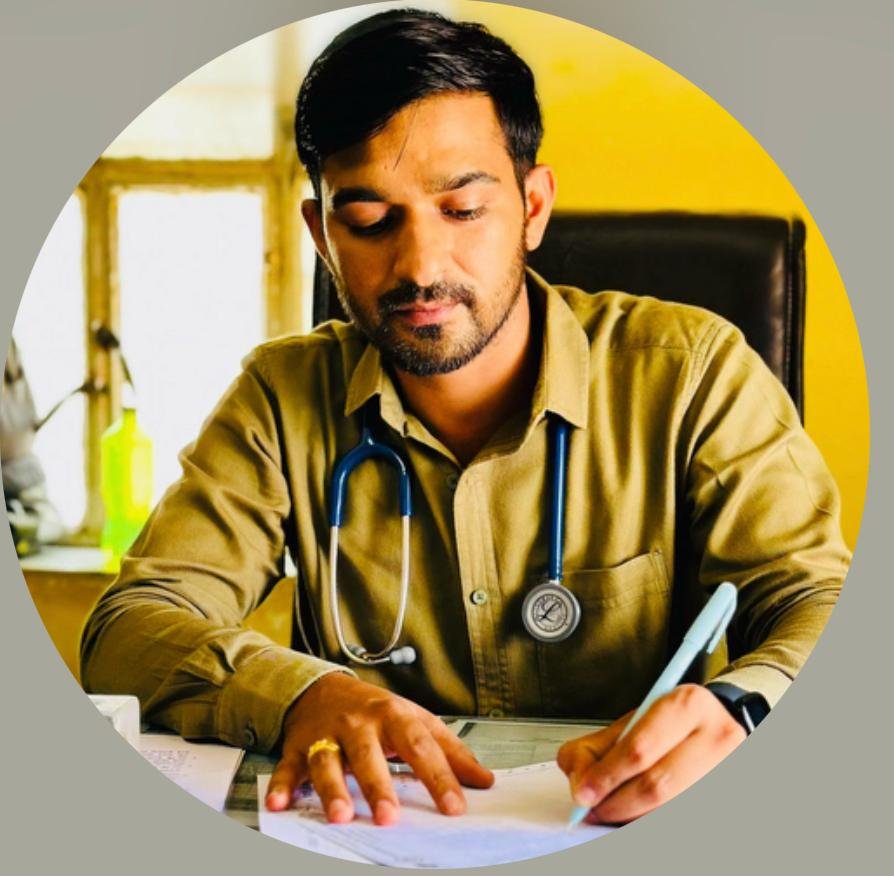
Author · Medical Content
Dr. Anil Kumar
- Qualification: [To be confirmed by editorial team before publishing]
- Speciality: [To be confirmed by editorial team before publishing]
- Medical Registration No.: RMC-79836
- Years of Experience: 7 years of clinical practice
This guide was prepared by the AtHomeCare clinical content team based on standard hospital infection-prevention practices adapted for home settings, and reviewed for medical accuracy by Dr. Anil Kumar. It follows our editorial policy: no disease-specific claims, plain language at a Grade 6–7 reading level, and clear separation between medical guidance and service information.
Doctor Review Statement
Reviewed By
Dr. Anil Kumar
- Doctor Name: Dr. Anil Kumar
- Qualification: [To be confirmed by editorial team before publishing]
- Speciality: [To be confirmed by editorial team before publishing]
- Registration Number: RMC-79836
- Years of Experience: 7 years
🩺 Reviewer’s note
“Infection control is the quiet backbone of safe home care. This article reflects the same principles hospitals use — hand hygiene, device discipline, early escalation — in language families can act on today. Follow the checklists, trust the escalation tables, and never hesitate to call for help early. Early calls save lives; late ones complicate them.”
Medical disclaimer: This page provides general health information for families in Ludhiana and is not a substitute for personal medical advice. Always follow the instructions of your treating doctor regarding your specific condition, devices and medications. In any emergency, call 108/112 or go to the nearest hospital.
Bring Hospital-Grade Hygiene Home to Your Loved One
Speak with a Ludhiana care coordinator today. We will assess the patient’s needs, share a written hygiene-protocol care plan, and confirm the earliest start time — with trained, verified staff and sanitized equipment from one accountable team.