Everyday Assistance
The first week of care is easier to discuss when the family has a clear list of practical questions. Use this checklist to organise an enquiry and record what has been agreed. It is a planning resource, not a treatment plan; clinical instructions should come from the responsible healthcare professional.
Start with a typical day. Which tasks can the patient manage, which need assistance and which are difficult for family members to cover? A short list gives the coordinator a clearer picture than a general request for someone to help. Separate clinical tasks from everyday support.
Keep the latest instructions from the treating team together. Ask which documents the care provider needs to review and how to share them. Avoid mixing old and current advice, and ask the responsible clinician to clarify anything that is unclear.
Choose a person who can answer routine questions and communicate agreed changes. Note a backup contact as well. This helps prevent conflicting requests when several relatives are involved and gives the care worker a clear route for practical questions.
Record the proposed start time, finish time and handover arrangements. Include meals, rest periods and appointments that affect the routine. Discuss the hours when help is needed most, rather than assuming that the longest available shift is the right choice.
Tell the team about stairs, lift access, parking restrictions and the room where care will take place. If equipment is being considered, confirm its dimensions and installation requirements before delivery. Ask the responsible professional about any necessary preparation.
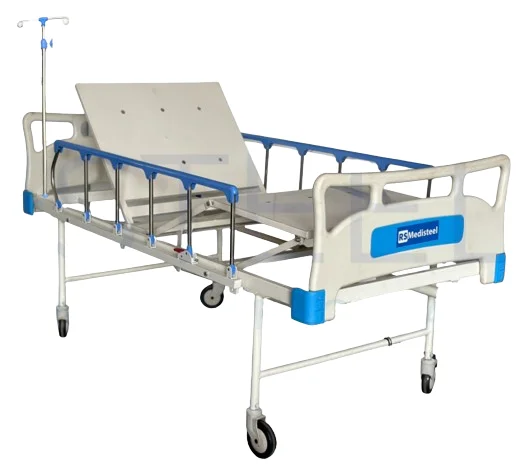
Make a list of what is already at home and what still needs to be arranged. Confirm which items are included in the service and which the family must obtain separately. For rentals, write down the delivery, maintenance and return contacts.
Ask how the patient prefers to be addressed, what privacy arrangements matter and which routines they would like to keep. Include language, food and cultural preferences in the conversation. Discuss what can be accommodated without assuming a particular staffing option is guaranteed.
Check the service description, hours, start date and exclusions. Ask how extensions or changes are handled and whether additional charges apply. Keep the confirmed terms together so the family can refer to the same information later.
Before care starts, know whom to contact about scheduling, equipment and clinical concerns. These may be different people. Ask how routine updates will be shared and how changes in the patient’s requirements should be reported.
After care begins, discuss what is working and what needs attention. Consider the patient’s comfort, the clarity of handovers and whether the hours match the actual need. Record questions for the next conversation rather than letting uncertainty build.
Keep Medical Decisions With the Treating Team
This checklist helps with organisation. If the patient needs urgent medical attention, contact local emergency services. Do not wait for an email enquiry or a scheduled home visit.
For a planned home-care discussion in Lucknow, contact AtHomeCare with the patient’s locality, required support and preferred start date. Availability and service arrangements must be confirmed directly.

Family care planning resources
This resource explains practical questions families can prepare before discussing a service. It does not diagnose conditions, recommend treatment or replace advice from the patient’s clinician.
Who will explain the home routine and introduce the patient’s preferences to the person providing support?
Does the arrangement still meet the patient’s needs, and which questions should be discussed at the next review?
Send your question to the Lucknow team. Include the service you are considering and your preferred contact details.