Building a Safe Healing Environment at Home: A Family’s Guide to Better Patient Recovery in Kolkata
Recovery depends on far more than medicines alone. This comprehensive guide helps Kolkata families create a home environment that actively supports healing — covering safety modifications, infection prevention, nutrition, emotional support, mobility, hygiene, and when professional home healthcare in Kolkata becomes essential.
Why the Home Environment Directly Impacts Patient Recovery
A patient’s home surroundings influence healing speed, complication risk, and emotional wellbeing as much as their medical treatment. Clean air, safe floors, proper lighting, calm spaces, and correct bedding each play a measurable clinical role in recovery outcomes.
Research consistently shows that patients recovering in a prepared, safe home environment experience fewer readmissions, lower infection rates, and better medication adherence compared to those returning to unmodified homes. For families in Kolkata, where post hospital care often transitions rapidly from institutional to home settings, this preparation is not optional — it is a clinical necessity.
⚠ Critical Reality for Kolkata Families
Many Kolkata hospitals discharge patients within 48–72 hours of surgery or ICU stay. The first week at home carries the highest risk of complications — infections, falls, medication errors, and dehydration. Without a prepared environment and trained support, families unknowingly expose recovering patients to preventable dangers.
Consider what happens when a patient returns home without preparation:
- Wet bathroom floors become fall hazards for post-surgical patients
- Poor ventilation increases respiratory infection risk for COPD or asthma patients
- Incorrect bed height makes transfers dangerous for stroke survivors
- Unrefrigerated medications lose potency in Kolkata’s humid climate
- Lack of hand hygiene supplies spreads infection to vulnerable immune systems
Each of these factors can independently derail recovery. Together, they create a compounding cycle of setbacks that families often misattribute to the disease itself rather than the environment.
Home Safety Modifications: The Foundation of Healing at Home
Home safety modifications reduce falls by 30–40% and prevent the most common cause of hospital readmission for elderly and post-surgical patients. In Kolkata’s older homes — with narrow corridors, steep stairs, and tiled floors — these modifications are especially critical.
Floor and Surface Safety
Kolkata homes commonly feature marble or tiled floors that become extremely slippery when wet, particularly during monsoon season. Address this proactively:
- Apply anti-slip coatings to bathroom and kitchen floors
- Remove loose rugs and mats, or secure them with double-sided tape
- Wipe spills immediately — designate one family member for this during recovery
- Place non-slip rubber mats inside bathtubs and shower areas
- Ensure carpet edges are flat and not curling at transitions
Bathroom Modifications
The bathroom is the single most dangerous room for a recovering patient. Falls here frequently cause fractures, head injuries, and wound reopening.
| Modification | Purpose | Priority | Cost Estimate (Kolkata) |
|---|---|---|---|
| Grab bars (wall-mounted) | Support transfers and prevent falls | Critical | ₹500–1,500 per bar |
| Raised toilet seat | Reduce hip/knee strain post-surgery | Critical | ₹800–2,000 |
| Shower chair/bench | Sit safely during bathing | High | ₹1,000–3,000 |
| Handheld showerhead | Bathe without standing/turning | High | ₹500–1,500 |
| Non-slip mat (inside & outside tub) | Prevent slips on wet surfaces | Critical | ₹300–800 each |
| Night light (motion-sensor) | Visibility for nighttime visits | Medium | ₹200–500 |
| Bathroom door — remove lock or replace with slip latch | Emergency access if patient falls | Critical | ₹200–500 |
Lighting and Visibility
Adequate lighting prevents falls and helps patients with limited mobility navigate safely, especially at night.
- Install motion-sensor night lights in bedroom, hallway, and bathroom
- Replace flickering or dim bulbs immediately
- Ensure light switches are reachable from bed (not across the room)
- Keep a torch/flashlight at the bedside table
- Mark the edge of steps and thresholds with contrasting tape
Bedroom and Bed Setup
The bed is where a recovering patient spends most time. An improper setup causes pressure sores, back pain, breathing difficulty, and unsafe transfers.
💡 Bed Setup Best Practice
The patient’s bed should be at a height where their feet touch the floor when sitting at the edge — typically 18–22 inches. If using a hospital bed, ensure side rails are properly locked. For standard beds, a firm mattress with a pressure-relief overlay is essential for patients who are bedridden or have limited mobility. Consider renting a premium hospital bed and air mattress from AtHomeCare for recovery periods.
Stairway and Corridor Safety
Kolkata’s older homes often have steep, narrow staircases. If the patient must use stairs:
- Install handrails on both sides of all staircases
- Add non-slip treads to each step
- Ensure adequate lighting at every step
- Remove objects from corridors and stairways
- If possible, move the patient’s primary room to the ground floor during recovery
🚨 Emergency Note
If the patient is on blood thinners (post-surgery, cardiac patients), even a minor fall can cause internal bleeding requiring emergency surgery. Fall prevention is not a comfort measure — it is a life-saving intervention. Professional home nursing services in Kolkata include fall risk assessment as part of initial patient evaluation.
Infection Prevention at Home: A Kolkata-Specific Guide
Kolkata’s climate — high humidity, monsoon waterlogging, and urban dust — creates elevated infection risk for recovering patients. Hand hygiene, surface disinfection, air quality management, and wound protection protocols must be established before the patient arrives home.
Hand Hygiene Protocol
Hand hygiene is the single most effective infection prevention measure. Establish these rules for everyone entering the patient’s room:
- Wash hands with soap and water for 20 seconds before touching the patient
- Use alcohol-based hand sanitiser (60–70% ethanol) if soap is unavailable
- Wash hands after using the bathroom, before preparing food, and after handling waste
- Keep hand sanitiser dispensers at the room entrance and bedside
- Visitors with cough, cold, or fever must not enter the patient’s room
Surface Disinfection Schedule
| Area / Surface | Frequency | Method |
|---|---|---|
| Bedside table, call bell, phone | Twice daily | Damp cloth + 70% isopropyl alcohol |
| Bed rails, commode chair | Twice daily | Disinfectant wipe or spray |
| Bathroom surfaces | Daily | Bleach solution (1:100) or phenyl |
| Floor (patient room) | Daily wet mopping | Disinfectant solution — do not dry sweep |
| Kitchen counters | Before & after food prep | Soap + hot water, then sanitise |
| Door handles, light switches | Daily | Disinfectant wipe |
| Remote controls, keyboards | Daily | Alcohol wipe |
Air Quality in Kolkata’s Climate
Kolkata’s air quality, particularly during winter months, can severely compromise respiratory recovery for COPD, asthma, or post-COVID patients.
- Use an air purifier with HEPA filter in the patient’s room
- Keep windows closed during high-pollution hours (early morning, evening traffic)
- Run exhaust fans in bathroom and kitchen to reduce humidity and mould risk
- Service AC filters monthly — Kolkata’s dust clogs filters rapidly
- Use a humidifier during dry winter months; dehumidifier during monsoon
- Never allow smoking inside the home
ℹ️ AtHomeCare’s Infection Prevention Practice
AtHomeCare’s home healthcare in Kolkata follows a structured infection prevention protocol. Every nurse is trained in aseptic technique, hand hygiene auditing, biomedical waste segregation, and surface disinfection. For patients with open wounds, catheters, or compromised immunity, the nurse establishes a peri-patient clean zone on day one of care.
Nutrition and Hydration: Fueling Recovery at Home
Proper nutrition and hydration accelerate wound healing, maintain immune function, prevent muscle loss, and reduce constipation in bedridden patients. Without structured meal planning, recovering patients in Kolkata frequently eat insufficient protein and forget to drink enough water.
Protein Priority for Healing
Wound healing and tissue repair demand significantly more protein than normal maintenance. A recovering surgical patient needs 1.2–1.5 grams of protein per kilogram of body weight daily — roughly 70–90 grams for a 60 kg adult.
| Food | Protein (per serving) | Serving Size | Notes |
|---|---|---|---|
| Egg (whole, boiled) | 6–7 g | 1 egg | Easily digested; 2–3 daily if cholesterol allows |
| Fish (rohu/katla, steamed) | 20–25 g | 100 g cooked | Rich in omega-3; steamed for easy digestion |
| Chicken breast (soup/curry) | 25–30 g | 100 g cooked | Light curry or soup for post-surgical patients |
| Dal (moong/masoor) | 7–9 g | 1 cup cooked | Easiest dal to digest; add rice for complete protein |
| Curd / Yogurt | 4–5 g | 1 cup | Probiotic benefit; aids digestion |
| Paneer (fresh, soft) | 14–18 g | 100 g | Soft paneer for easier chewing |
| Soy chunks / Tofu | 10–15 g | 50 g dry / 100 g tofu | Good vegetarian option |
Hydration Protocol
Dehydration thickens blood (increasing clot risk), impairs kidney function, worsens constipation, and slows wound healing. Many elderly patients do not feel thirst naturally.
- Keep a 1-litre water bottle at bedside — refill each morning
- Target: 30–35 ml per kg body weight daily (1.8–2.1 litres for 60 kg adult)
- Offer small sips every 30–60 minutes rather than large glasses
- Include oral rehydration solution (ORS) if patient has diarrhoea or fever
- Limit caffeine (tea/coffee) — they are mild diuretics
- Monitor urine colour: pale yellow = well hydrated; dark = dehydrated
⚠ Diabetic Patient Nutrition Alert
For diabetic patients, increasing protein and calories for healing must be balanced with blood sugar control. A home nurse from AtHomeCare’s home nursing services monitors blood glucose before and after meals, adjusting insulin timing in coordination with the treating physician. Uncontrolled blood sugar directly impairs wound closure and increases infection risk.
Emotional and Psychological Support: The Overlooked Pillar of Recovery
Emotional wellbeing measurably impacts immune function, pain perception, sleep quality, and treatment adherence. Patients who feel supported, informed, and socially connected recover faster. Isolation, anxiety, and depression — common in homebound patients — actively delay healing.
Common Emotional Challenges After Hospital Discharge
- Fear of complications: “What if something goes wrong at home?”
- Loss of independence: Needing help with bathing, dressing, or eating
- Sleep disturbance: Pain, anxiety, medication side effects, or disrupted routines
- Body image changes: After surgery, amputation, or catheter/colostomy placement
- Social isolation: Being confined to one room or unable to go outside
- Financial worry: Cost of medications, equipment, and caregivers
- Grief and acceptance: Especially after stroke, cancer diagnosis, or chronic disease progression
What Families Can Do
- Listen without fixing: Let the patient express frustration without immediately offering solutions
- Maintain routine: Consistent daily schedules reduce anxiety — same wake time, meal time, activity time
- Include the patient in decisions: Ask about food preferences, comfort adjustments, and care choices
- Encourage safe social interaction: Video calls with family, short visits from friends (if infection risk allows)
- Limit negative news: Reduce exposure to distressing TV/news, especially for elderly patients
- Professional counselling: AtHomeCare can coordinate psychologist or counsellor visits at home for patients showing signs of clinical depression or anxiety
💡 The Family Caregiver’s Emotional Health Matters Too
Caregiver burnout is real and dangerous. If you are the primary caregiver in Kolkata, recognise these signs: chronic exhaustion, irritability, social withdrawal, sleep problems, or resentment toward the patient. AtHomeCare’s respite nursing services allow you to take breaks while ensuring your loved one remains under professional medical supervision. Read more about managing caregiver stress.
Mobility and Rehabilitation Support at Home
Early and safe mobilisation prevents blood clots, pneumonia, pressure sores, and muscle wasting. However, mobilising a recovering patient without proper technique or equipment causes falls, wound reopening, and joint injuries. Professional guidance is essential.
Safe Mobility Progression
Recovery mobility follows a clinical progression. Attempting to skip steps causes setbacks:
- Bed mobility: Rolling, bridging, moving up/down in bed — often needs two-person assistance
- Sitting tolerance: Dangling legs at bed edge, then sitting supported — starts at 5 minutes, increases gradually
- Standing with support: Using a walker or support bar — requires close guarding by trained person
- Walking with assistive device: Walker, cane, or crutches — supervised initially
- Independent ambulation: Walking without assistance — may take weeks
Mobility Equipment for Home Use
| Equipment | Best For | Monthly Rent (approx.) |
|---|---|---|
| Standard walker | Post-hip/knee surgery, stroke with hemiplegia | ₹500–800 |
| Wheelchair (foldable) | Patients who cannot walk safely yet | ₹800–1,500 |
| Commode chair (wheeled) | Bedside toileting for immobile patients | ₹500–1,000 |
| Bed rail / support rail | Bed transfers and repositioning | ₹400–800 |
| Knee brace / ankle support | Joint stabilisation post-surgery | ₹300–600 |
AtHomeCare provides rehabilitation at home in Kolkata with trained physiotherapists and nurses who guide safe mobilisation. Equipment can be rented alongside nursing care through an integrated equipment logistics service.
Medication Management: Preventing the Most Common Home Care Failure
Medication errors — missed doses, wrong timing, drug interactions, incorrect storage — are the leading preventable cause of complications in home recovery. Polypharmacy (5+ medications daily) is common in elderly patients and demands systematic management.
The Medication Safety System
Do not rely on memory alone. Build a system:
- Create a printed medication chart listing: drug name, dose, time, route, special instructions
- Use a weekly pill organiser (multiple compartments per day for complex regimens)
- Set phone alarms for each medication time — do not rely on “remembering”
- Store medications as directed: some need refrigeration (insulin, certain eye drops), others need cool, dry storage
- In Kolkata’s humidity (70–90% monsoon), keep medicines in airtight containers away from bathroom storage
- Never crush or open capsules without pharmacist/doctor confirmation
- Keep a list of all current medications — share with every doctor visit
- Dispose of expired medicines safely — do not flush; return to pharmacy if possible
🚨 High-Risk Medications Requiring Nursing Supervision
These medications carry significant harm risk if incorrectly administered and require professional home nursing services in Kolkata: Insulin (hypoglycaemia risk), Warfarin/Aclopit (bleeding risk), IV antibiotics (infection/anaphylaxis risk), injectable pain medications (respiratory depression), cardiac medications like Digoxin (toxicity with narrow therapeutic window), and steroids (immunosuppression, glucose spikes). AtHomeCare nurses are trained in safe injection administration and medication monitoring protocols.
Hygiene and Wound Care at Home
Proper hygiene prevents infection, maintains skin integrity, preserves dignity, and provides an opportunity to monitor the patient’s condition. Wound care at home demands aseptic technique that untrained family members often cannot maintain.
Daily Hygiene Checklist
- Bathe or sponge-bath daily (or as tolerated) — warm water, mild soap
- Change clothes daily, or more frequently if sweating
- Oral hygiene: brush teeth twice daily; dentures must be cleaned and stored properly
- Perineal care after every bowel movement — front to back for female patients
- Change bed linen every 2–3 days, or immediately if soiled
- Keep nails trimmed and clean to prevent self-inflicted skin scratches
- Apply moisturiser to dry skin — especially heels, elbows, and knees
- Hair wash at least twice weekly — more frequently in Kolkata’s humidity
Wound Care: Why Professional Dressing Matters
Surgical wounds, diabetic foot ulcers, pressure sores, and catheter sites each require specific dressing techniques. Improper wound care is a direct path to sepsis.
| Wound Type | Dressing Frequency | Key Risk | Who Should Dress |
|---|---|---|---|
| Clean surgical wound | Every 2–3 days or per surgeon order | Surgical site infection | Trained nurse |
| Diabetic foot ulcer | Daily or every 48 hours | Gangrene, amputation | Specialist wound care nurse |
| Pressure sore (Stage 2+) | Daily with assessment | Tissue necrosis, sepsis | Specialist wound care nurse |
| Catheter site | Daily cleaning | CAUTI (urinary tract infection) | Trained nurse |
| Tracheostomy site | Daily stoma care + inner cannula | Airway infection, blockage | ICU-trained nurse only |
AtHomeCare provides specialized wound care at home including sterile dressing changes, wound assessment, photographic documentation for doctor review, and negative pressure wound therapy coordination.
Caregiver Education: Equipping the Family to Support Recovery
Even with professional nursing, family members provide 60–80% of hands-on care at home. Without proper training, well-intentioned families cause harm — incorrect lifting injures both patient and caregiver, improper feeding causes aspiration, and delayed recognition of deterioration costs critical response time.
Essential Skills Every Family Caregiver Must Learn
| Skill | Why It Matters | Training Source |
|---|---|---|
| Safe transfer technique (bed to chair) | Prevents falls and back injuries | Nurse demonstration on day 1 |
| Positioning and turning schedule | Prevents pressure sores | Nurse sets schedule; family executes |
| Recognising deterioration signs | Enables early medical intervention | Written parameter card from nurse |
| Feeding technique (for dysphagia) | Prevents aspiration pneumonia | Nurse or speech therapist |
| Basic wound observation | Detects infection early (redness, swelling, discharge) | Nurse teaches visual markers |
| Medication administration schedule | Prevents missed or double doses | Printed chart + alarm system |
| Emergency response protocol | Know when and how to call for help | Written emergency plan |
| Catheter/ostomy bag care basics | Prevents infection and leakage | Nurse training; family does not change catheters |
ℹ️ AtHomeCare’s Caregiver Education Practice
When AtHomeCare deploys a home nursing service in Kolkata, the attending nurse conducts a structured family orientation on the first day. This includes hands-on demonstration of transfer techniques, a printed emergency parameter card, medication schedule training, and a 24/7 phone line for urgent queries. The nurse revisits training compliance during every shift handover.
Recovery Timeline: What to Expect Week by Week
Understanding typical recovery timelines reduces anxiety and helps families set realistic expectations. Every patient is different, but these general milestones provide a framework. Professional home nursing allows real-time adjustment of the care plan based on actual progress.
Week 1: Critical Stabilisation Phase
Highest risk period. Focus: pain management, wound protection, infection prevention, medication stabilisation. Patient is typically bed-bound or minimally mobile. Requires near-constant observation. Vital signs monitoring 2–4 times daily. Family should not attempt this alone.
Week 2–3: Early Recovery Phase
Pain decreases. Wounds begin closing. Patient starts sitting up and assisted standing. Physical therapy begins. Nutritional intake improves. Risk of constipation, urinary issues, and mild depression. Supervised mobility is essential.
Week 3–6: Rehabilitation Phase
Progressive mobility — walker, then cane. Wound may be fully closed. Physical therapy intensifies. Patient performs more ADLs (activities of daily living) with less assistance. Medication doses may be adjusted. Follow-up doctor visits scheduled.
Week 6–12: Functional Recovery Phase
Near-independent mobility for many patients. Return to light activity. Most wound care completed. Medication stabilised on maintenance regimen. Focus shifts to strength building, endurance, and chronic disease management. Professional nursing may transition to periodic visits.
Month 3–6: Long-Term Adaptation Phase
For chronic conditions or major surgery, full recovery continues. Focus on lifestyle modification, secondary prevention, and routine monitoring. For elderly patients with multiple conditions, ongoing professional elderly care in Kolkata provides safety and health maintenance.
Need a nurse for the critical first weeks of recovery at home in Kolkata?
Arrange Home Nursing Now 💬 WhatsApp UsDecision Tree: Can Your Family Manage at Home or Do You Need Professional Nursing?
Many families underestimate the complexity of home recovery care. Use this decision framework to assess honestly whether professional home nursing is needed.
Does the patient have any of these?
Surgical wound requiring dressing · Catheter (urinary/feeding) · IV medication or injections · Tracheostomy · Oxygen therapy · Blood thinner therapy · Post-ICU discharge within 7 days
Is the patient elderly (65+) with any chronic condition?
Diabetes · Hypertension · Heart disease · COPD · Kidney disease · Stroke history · Parkinson’s · Dementia
Is the patient fully mobile and able to perform all daily activities independently?
Bathing · Dressing · Toileting · Eating · Walking · Medication self-administration
How AtHomeCare Operates in Kolkata: Transparency in Every Step
Families entrusting a loved one’s care to a home nursing provider deserve complete operational transparency. Here is exactly how AtHomeCare delivers home healthcare in Kolkata — from your first call to ongoing care management.
1. Recruitment and Screening
AtHomeCare recruits nurses and patient care attendants through verified nursing colleges, hospital referral networks, and professional registries. Every candidate undergoes a structured screening: credential verification (GNM/ANM/BSc Nursing degree), registration validation with the West Bengal Nursing Council, clinical skill assessment, and a comprehensive background check including police verification and address confirmation.
2. Caregiver Verification
Before any caregiver is assigned to a patient in Kolkata, AtHomeCare completes: identity verification (Aadhaar/Voter ID), criminal background check, previous employment reference calls (minimum two), health clearance (no communicable disease), and competency testing specific to the care type required (wound care, catheter management, tracheostomy care, etc.).
3. Training and Skill Matching
Nurses receive ongoing training in: infection prevention and control, aseptic wound care technique, medication administration safety, patient assessment and early warning signs, fall prevention, and emergency first response. Critically, nurses are matched to patients based on clinical skill — an ICU-trained nurse is assigned to post-ICU patients; a wound care specialist is assigned to diabetic foot ulcer patients.
4. Supervision and Quality Monitoring
Every case is assigned a supervising nurse who conducts weekly clinical audits: reviews the patient’s vitals log, assesses wound healing progress, verifies medication compliance, evaluates the attending nurse’s technique, and adjusts the care plan in consultation with the patient’s treating physician. Families receive daily care reports via WhatsApp or app.
5. Shift Handovers
For 24-hour nursing care, shift handovers are structured and documented — not casual conversations. The outgoing nurse records: current vitals, last medication administration time, wound status, patient concerns, and any pending tasks. The incoming nurse reads and confirms the handover note before assuming care.
6. Integrated Pharmacy and Equipment Logistics
AtHomeCare coordinates medication delivery and refills through partnered pharmacies, ensuring no gap in the patient’s drug supply. Medical equipment — hospital beds, air mattresses, oxygen concentrators, suction machines, BiPAP, walkers — is rented, delivered, installed, and maintained through an integrated equipment logistics system. Families do not need to source anything separately.
7. Emergency Escalation Protocol
Every patient has a written emergency escalation plan. If the attending nurse detects deterioration beyond defined parameters, the protocol triggers: immediate notification to the supervising nurse and family, simultaneous call to the treating physician, ambulance coordination if hospital transfer is needed, and first-aid stabilisation while awaiting transport. AtHomeCare’s Kolkata network ensures ambulance access within 15–30 minutes across major residential areas.
8. Accommodation Support for Long-Term Assignments
For 24-hour and long-term nursing assignments, AtHomeCare assists with accommodation logistics for the nurse — ensuring they have a safe, clean rest area during night shifts and appropriate breaks. This is critical for sustained quality care and is a detail many agencies neglect.
9. Home ICU Deployment
For patients requiring ICU-level care at home, AtHomeCare deploys a complete Home ICU setup — multipara monitors, BiPAP and suction apparatus, real-time monitoring, syringe pumps, and ICU-trained nurses — all within 4–6 hours of confirmation.
When to Seek Professional Home Healthcare in Kolkata
Certain clinical situations absolutely require professional nursing at home. Attempting to manage these with family members or untrained attendants puts the patient’s life at risk.
Medical Situations Requiring a Qualified Home Nurse
- Post-surgical wound dressing: Sterile technique is non-negotiable for surgical site infection prevention
- Catheter care (urinary/feeding): Insertion, cleaning, and change require trained hands to prevent CAUTI and tube displacement
- IV medication administration: Injections, IV antibiotics, and drip management require a licensed nurse for anaphylaxis readiness
- Post-ICU transition: Patients discharged from ICU need step-down monitoring with vitals tracking every 2–4 hours
- Diabetic foot ulcer management: Improper dressing leads directly to gangrene and amputation
- Tracheostomy care: Suctioning, inner cannula change, and stoma care require ICU-trained nursing
- Palliative nursing: Pain management, symptom control, and dignity-preserving care at end of life
- Stroke rehabilitation nursing: Positioning, aspiration prevention, and neuro-observation require clinical skills
- Multiple chronic conditions in elderly: Polypharmacy, vital monitoring, and early deterioration detection
🚨 Do Not Wait for a Crisis
The most dangerous period is the first 72 hours after hospital discharge. If your loved one has any of the conditions above, arrange professional home nursing services in Kolkata BEFORE discharge day. AtHomeCare can deploy a qualified nurse within 2–4 hours of confirmation, with equipment delivered simultaneously if needed.
Frequently Asked Questions
Start preparation 3–5 days before discharge. Focus on: clearing the patient’s room of clutter, installing bathroom grab bars and non-slip mats, setting up the bed at correct height with firm mattress, stocking prescribed medications and medical supplies, placing night lights along the path to bathroom, ensuring a clean and disinfected room, and arranging a printed medication schedule. If professional home nursing is planned, AtHomeCare’s nurse conducts a home safety assessment on the first visit and recommends modifications specific to your home’s layout and the patient’s condition.
A home nurse (GNM/BSc Nursing) is a clinically trained, registered professional who can perform medical procedures: wound dressing, injection administration, catheter care, vital sign monitoring, medication administration, and clinical assessment. A patient care attendant (GDA) provides non-clinical support: bathing, feeding, toileting, companionship, and mobility assistance. If the patient has any wound, catheter, IV line, or medical device — or requires medication administration — a nurse is required. For purely personal care needs without clinical components, an attendant may suffice.
Costs vary based on the level of care required. 12-hour nursing care typically ranges from ₹1,200–1,800 per day; 24-hour nursing care from ₹1,800–2,800 per day. Specialised ICU-trained nursing, tracheostomy care, or palliative care costs more due to the advanced skills required. Patient care attendants cost less (₹700–1,200 per day for 24-hour care). AtHomeCare provides transparent pricing after a clinical assessment — there are no hidden charges. Contact us for a specific quote based on your loved one’s condition.
No, not for surgical wounds, diabetic ulcers, or any wound with infection risk. Wound dressing requires aseptic (sterile) technique: sterile gloves, sterile instruments, correct cleaning solution, appropriate dressing material selection, and wound assessment skills. A family member can observe the wound for visible changes (redness, swelling, discharge) and report them, but the actual dressing change must be done by a trained nurse. Improper technique directly causes surgical site infections, which can lead to sepsis and readmission.
Watch for: fever above 100.4°F (38°C), increased wound redness/swelling/discharge/pain, difficulty breathing or breathlessness at rest, sudden confusion or change in consciousness, inability to keep food or fluids down for 12+ hours, reduced urine output (none in 8 hours), new or worsening pain not controlled by prescribed medication, swelling in one leg (possible DVT), and persistent fast heart rate (>100 at rest). If any of these occur, contact the treating doctor immediately or call emergency services. AtHomeCare nurses monitor these parameters proactively and escalate before the situation becomes critical.
Pressure sore prevention requires three concurrent actions: (1) Reposition the patient every 2 hours using a written turning schedule — log the time and position; (2) Use a pressure-relief mattress (air mattress or foam overlay) — standard home mattresses create excessive pressure on bony prominences; (3) Keep skin clean and dry — moisture from sweat or urine accelerates skin breakdown. Also inspect the skin over the sacrum, heels, hips, shoulders, and back of head every shift for redness that doesn’t blanch when pressed. AtHomeCare provides comprehensive pressure sore prevention as part of bedridden patient nursing care.
Yes, when managed correctly. Home oxygen therapy requires: a prescribed flow rate from the treating physician (never adjust without medical order), an oxygen concentrator (rented or purchased) positioned away from heat sources and with adequate ventilation, nasal prongs or mask kept clean and replaced per schedule, no smoking or open flames near the oxygen source, fire safety awareness for all household members, and regular monitoring of oxygen saturation with a pulse oximeter. AtHomeCare nurses are trained in clinical oxygen therapy management and can set up and monitor home oxygen systems.
Do NOT immediately try to lift them. First, assess: Are they conscious? Can they move all limbs? Is there pain when moving? Is there visible bleeding or head injury? If they cannot move, have severe pain, hit their head, are on blood thinners, or are confused after the fall — call an ambulance immediately. If they are uninjured and can move, help them up slowly using proper technique (brace against a stable surface, do not pull by arms). After any fall, monitor for 24–48 hours for delayed symptoms (headache, dizziness, confusion, internal bleeding signs). Every fall in an elderly patient must be reported to their doctor, even if no injury is apparent.
Urinary catheter management at home includes: daily cleaning of the catheter entry site with sterile water or prescribed solution, ensuring the drainage bag stays below bladder level at all times (to prevent backflow), emptying the drainage bag when half-full, never kinking or pulling the catheter tubing, securing the catheter to the thigh (for ambulatory patients) or bed sheet (for bedridden) to prevent traction, monitoring urine output, colour, and odour (cloudy, foul-smelling, or bloody urine signals infection), and ensuring adequate fluid intake (2+ litres daily unless restricted). Catheter changes must only be performed by a trained nurse. AtHomeCare provides comprehensive catheter care as part of home nursing services.
Start with clear fluids (broth, coconut water, ORS) for the first 24 hours if the doctor recommends, then progress to full liquids (dal water, custard, thin khichdi), then soft diet (moong dal khichdi, steamed fish, curd rice, soft chapati with dal), and finally regular diet with high protein. Prioritise: protein at every meal (eggs, fish, dal, chicken, curd), vitamin C for wound healing (amla, guava, citrus), zinc (pumpkin seeds, legumes), and iron if there was blood loss (green leafy vegetables, jaggery). Avoid: fried foods, excessive sweets, raw vegetables initially, and very spicy food. Kolkata’s local diet adapts well — steamed fish, light dal, and soft rice are ideal recovery foods.
Yes. AtHomeCare provides complete Home ICU setup in Kolkata including: multipara patient monitors for continuous vital sign tracking, BiPAP/CPAP machines for respiratory support, oxygen concentrators, suction apparatus, syringe/infusion pumps, hospital beds with air mattresses, and ICU-trained nurses for 24-hour monitoring. Setup is typically completed within 4–6 hours of confirmation. The attending doctor’s prescription and care protocol guide the equipment and nursing configuration.
For urgent situations (post-discharge, emergency nursing need), AtHomeCare can deploy a qualified nurse within 2–4 hours in major Kolkata areas (North, South, Central Kolkata, Salt Lake, New Town, Howrah). For planned admissions, we recommend booking 24–48 hours in advance to allow clinical skill matching and care plan preparation. Emergency deployment includes simultaneous medication and basic equipment coordination.
Consider 24-hour care if: the patient is at fall risk when getting up at night, needs medication at night (pain, insulin, breathing treatments), has dementia and may wander, has a catheter or feeding tube requiring overnight monitoring, has sleep apnea using BiPAP/CPAP, or has shown nighttime deterioration. Daytime-only care may suffice if: the patient can safely transfer to bathroom at night, takes no nighttime medications, sleeps through the night safely, and can call for help if needed. An honest night-time safety assessment — not cost alone — should drive this decision.
NRI families should: (1) Get a clinical assessment done before arranging care — AtHomeCare can conduct this remotely with the local treating doctor; (2) Choose a provider with daily digital reporting (vitals, photos, care notes) — AtHomeCare sends daily WhatsApp reports; (3) Ensure background-verified caregivers with police clearance; (4) Establish an emergency protocol with a local family friend or relative as the first responder; (5) Set up a local power of attorney for medical decisions; (6) Plan for equipment needs in advance rather than last-minute; (7) Choose a provider that offers supervisory nurse visits, not just an unattended placement. Read more in our NRI caregiving guide.
AtHomeCare maintains a near-zero absenteeism policy through: a backup nurse roster for every active case (replacement is arranged before the scheduled nurse leaves), financial penalties for nurses who abandon shifts without notice, a 24/7 coordination desk that monitors attendance, and same-day replacement guaranteed if a nurse cannot attend for any reason. We understand that a gap in nursing care for a medically vulnerable patient is not an inconvenience — it is a clinical risk. Our operations team in Kolkata ensures coverage continuity at all times.
Yes. AtHomeCare offers flexible shift options: 12-hour day shift (7 AM – 7 PM), 12-hour night shift (7 PM – 7 AM), and 24-hour care with two nurses on alternating shifts. Night nursing is particularly important for patients who: are fall risks during nighttime bathroom visits, need pain medication or insulin at night, use BiPAP/CPAP that requires monitoring, or have confusion/agitation that worsens at night (sundowning in dementia). Night nurses also monitor for the deterioration patterns that commonly occur in early morning hours.
AtHomeCare has a structured emergency escalation protocol. The attending nurse: (1) Provides immediate first-aid/stabilisation within their scope of practice; (2) Calls the supervising nurse at AtHomeCare simultaneously; (3) Contacts the patient’s treating physician with a concise clinical handover (current vitals, changes, interventions done); (4) If hospital transfer is needed, coordinates ambulance dispatch through AtHomeCare’s emergency network; (5) Accompanies the patient to hospital if family is not present, ensuring the hospital receives the home care documentation. The entire escalation is logged for quality review. Families are called at every step.
Kolkata’s monsoon (June–September) brings: waterlogging (mould and bacterial growth), high humidity (wound maceration risk), mosquito-borne disease risk (dengue, malaria — dangerous for immunocompromised patients), and contaminated water supply (gastrointestinal infections). Specific precautions: use mosquito nets and repellents for the patient, drink only filtered/boiled water, keep the patient’s room dry with dehumidifier or AC, increase wound dressing frequency if maceration is observed, ensure all food is freshly prepared and properly stored, and avoid raw salads/street food entirely. Professional nurses monitor for early infection signs that families may miss.
Yes. AtHomeCare provides palliative nursing care at home in Kolkata for patients with terminal or advanced illness. This includes: pain and symptom management (oral, transdermal, or injectable medications as prescribed), comfort-focused positioning and skin care, emotional and psychological support for both patient and family, coordination with the palliative care physician, nutritional support aligned with the patient’s wishes and condition, dignity-preserving hygiene care, and 24/7 availability for urgent symptom management. Palliative care at home allows the patient to remain in familiar surroundings with family, which research consistently shows improves quality of life in the final stages.
You will need: the patient’s discharge summary or current medical records, treating doctor’s prescription for home nursing care (specifying the type of nursing and procedures required), list of current medications with dosages, patient’s identity proof (Aadhaar/Voter ID), and the family member/contact person’s identity proof. For insurance-covered home care, additional documents may include the insurance policy number, pre-authorization letter, and hospital bills. AtHomeCare’s coordination team guides you through the documentation process — it typically takes 30–60 minutes to complete all formalities before nursing can begin.
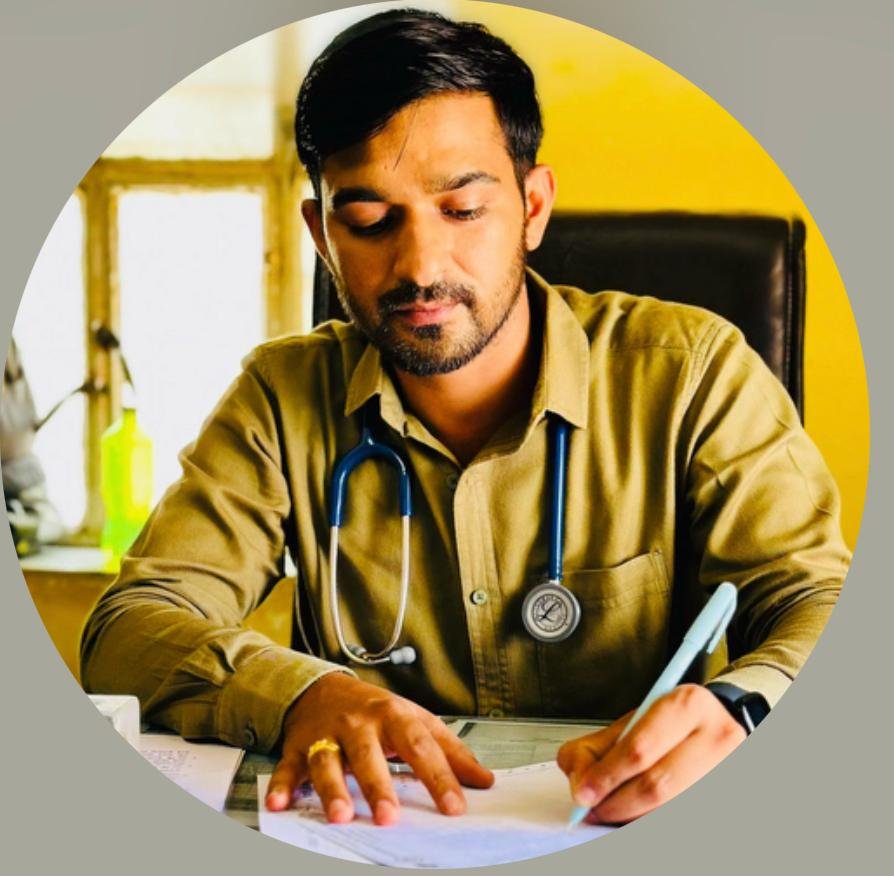
Author & Medical Reviewer
Ready to Create a Safe Healing Environment at Home in Kolkata?
Let AtHomeCare’s qualified, verified nurses provide the clinical care your loved one needs — while you focus on creating the emotional and physical environment that supports their recovery.
Book a Nursing Consultation 📞 Call: +91 98765 43210 💬 WhatsApp Us