Palliative Care at Home in Amritsar: Complete Guide to Pain Management & Comfort Care
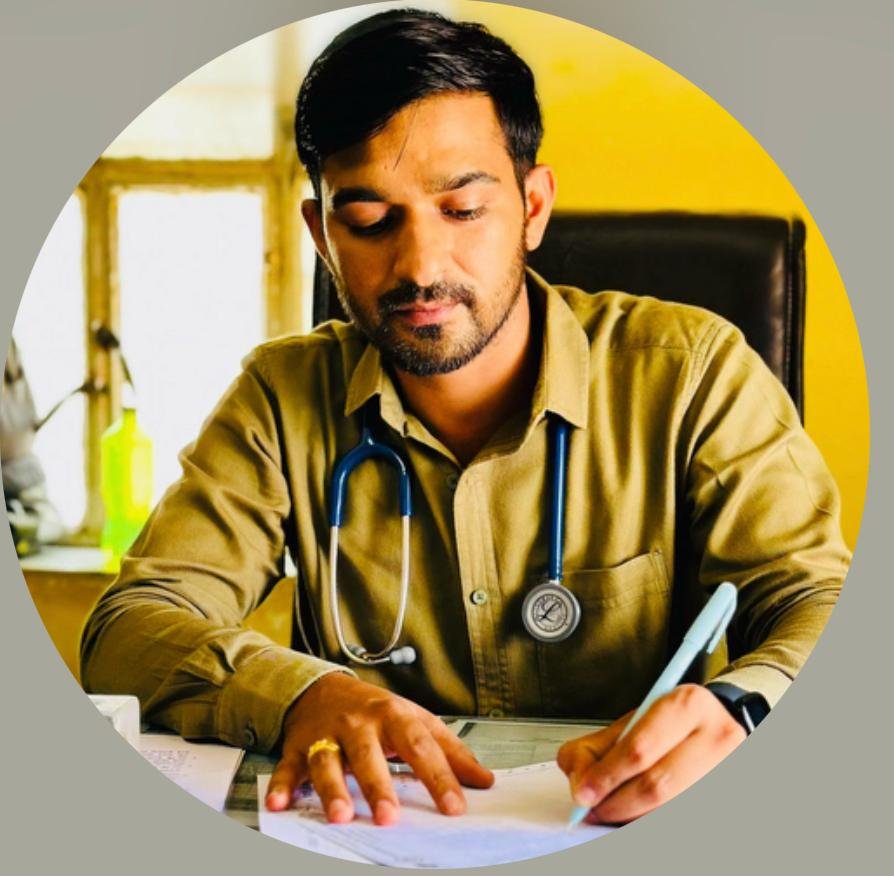
Medically Reviewed by Dr. Anil KumarAmritsar⏱ 12 min read📅 Updated: January 2026
A comprehensive resource for families seeking palliative care at home in Amritsar. Learn about pain management, comfort care, home nursing services, and emotional support for chronic and terminal illnesses.
Palliative care at home in Amritsar provides specialized medical support for patients with chronic or life-limiting illnesses. It focuses on pain management, symptom control, and improving quality of life in a familiar environment. AtHomeCare offers structured comfort care, bringing clinical excellence and compassionate support directly to your residence.
When a family member is diagnosed with a life-limiting or severe chronic illness, the focus of healthcare often shifts from curing the disease to ensuring comfort. Palliative care services in Amritsar are designed to bridge this gap, allowing patients to receive expert medical attention without the stress of frequent hospital visits.
AtHomeCare provides specialized home nursing services tailored for cancer care, elderly support, and chronic illness management. This guide outlines how professional home healthcare improves patient comfort and supports families during difficult times.
What is Palliative Care and Who Needs It?
Palliative care is specialized medical care for people with serious illnesses, focusing on providing relief from symptoms and stress. It is needed by patients with terminal illnesses, severe chronic conditions, or those requiring end-of-life care. The goal is to improve quality of life for both the patient and the family.
Who Benefits from Palliative Care at Home?
Patients in Amritsar suffering from the following conditions often require palliative care:
Patients recovering from massive strokes with severe deficits
[Infographic: Who Needs Palliative Care?]
Fig 1. Common conditions requiring specialized home palliative care.
Benefits of Receiving Palliative Care at Home
Receiving palliative care at home allows patients to remain in a comforting, familiar environment surrounded by family. It reduces hospital readmissions, lowers infection risks, and provides personalized pain management. Home healthcare ensures clinical safety while maximizing emotional and psychological well-being.
Hospitals can be stressful, noisy, and overwhelming. Transitioning to home care offers distinct clinical and emotional advantages.
Key Benefits of Home Palliative Care:
Familiar environment reduces patient anxiety and confusion.
Reduced risk of hospital-acquired infections.
One-on-one dedicated nursing attention.
Flexible visiting hours for family and friends.
Cost-effective compared to prolonged ICU stays.
Managing Pain, Symptoms, and Daily Challenges
Managing pain and symptoms at home involves regular clinical assessments, medication scheduling, and monitoring for side effects. Home nurses administer prescribed analgesics, track vitals, and use non-pharmacological methods to relieve discomfort. This ensures patients remain as comfortable and alert as possible.
Effective pain management at home in Amritsar is the cornerstone of palliative care. Our clinical team follows strict protocols for symptom control.
Common Symptoms Managed at Home
Symptom
Clinical Management Approach
Chronic Pain
Scheduled analgesics, PCA pumps, nerve blocks
Breathlessness (Dyspnea)
Oxygen therapy, positioning, nebulization
Nausea/Vomiting
Anti-emetics, hydration management, small meals
Constipation
Laxatives, dietary adjustments, suppositories
Warning: Medication Administration
Pain medications must be administered exactly as prescribed. Never skip a scheduled dose to “save it for later,” as this breaks the pain cycle and makes symptoms harder to control.
Role of Trained Home Nurses and Caregivers
Trained home nurses and patient attendants assist with daily hygiene, medication administration, and mobility. They monitor for changing symptoms and provide critical caregiver support. In Amritsar, our caregivers act as the clinical bridge between the patient, family, and treating physician.
The quality of palliative care depends entirely on the skill of the caregivers. Our patient care services team handles everything from medical tasks to emotional companionship.
Home Nurse Duties
IV/fluid management, wound dressing, catheter care, oxygen administration, vital monitoring.
Patient Attendant Duties
Bathing, feeding, toileting, repositioning to prevent bedsores, and emotional support.
Doctor Visit Role
Reviewing treatment efficacy, adjusting pain medications, and signing off on care plans.
Difference Between Palliative Care and Regular Home Nursing
Regular home nursing focuses on recovery and post-hospital medical tasks. Palliative care focuses on holistic comfort, symptom relief, and quality of life for life-limiting or severe chronic conditions. It involves a deeper emphasis on pain management, psychological support, and family guidance.
Deep psychological support and bereavement guidance
Emotional Support for Patients and Families
Emotional support in palliative care addresses anxiety, depression, and fear associated with severe illness. Our care teams provide compassionate communication, companionship, and bereavement support for families. This holistic approach ensures mental well-being is prioritized alongside physical health.
Palliative care is not just about the physical body. A terminal or chronic illness takes a heavy emotional toll on both the patient and the family.
Tip: Open Communication
Encourage family members to spend quality time talking, listening to music, or simply sitting with the patient. Our caregivers are trained to facilitate these moments respectfully.
AtHomeCare Operational Workflow & Transparency
AtHomeCare ensures quality through rigorous caregiver screening, clinical supervision, and structured shift handovers. We coordinate equipment logistics, integrate pharmacy deliveries, and establish clear emergency escalation protocols. Our Amritsar team maintains detailed clinical logs for continuous, accountable care.
We maintain hospital-level clinical standards in the home setting through strict operational protocols.
Recruitment, Screening, and Training
Our nurses and attendants undergo rigorous background checks and medical verification. For palliative cases, staff receive specialized training in pain recognition, infection prevention, patient handling, and dignity preservation. All caregivers are supervised by senior nursing coordinators.
Shift Handovers and Quality Monitoring
For 24/7 care, we mandate detailed clinical log updates. Shift handovers are conducted in front of the family, updating the incoming nurse on pain levels, medication given, bowel/bladder output, and emotional state. Our clinical supervisors conduct routine home visits in Amritsar to audit care quality.
Pharmacy, Equipment, and Home ICU Deployment
We coordinate medical equipment logistics like hospital beds and oxygen concentrators. Our integrated pharmacy ensures timely delivery of pain medications. For patients needing critical care, we deploy Home ICU setups with ventilators and cardiac monitors.
Emergency Escalation Protocols
While palliative care focuses on comfort, emergencies can arise. We establish a direct escalation line with local tertiary hospitals in Amritsar for immediate transfer if vital signs destabilize or if the family requests active resuscitation. Our staff are BLS certified.
Comfort Care Timeline: What to Expect
The palliative care timeline focuses on adapting to the patient’s changing needs. It begins with establishing a pain management baseline, transitions to intensive comfort care, and finally supports the family through bereavement. The timeline is driven by clinical symptoms rather than a fixed schedule.
Phase 1: Assessment & Setup
Clinical assessment of pain, home environment modification, equipment installation, and establishing medication schedules.
Phase 2: Active Symptom Management
Regular nursing care, adjusting analgesics for optimal pain control, preventing bedsores, and managing nutrition.
Phase 3: Intensive Comfort Care
Focusing entirely on dignity, pain relief, and emotional peace. Reducing non-essential interventions and maximizing family time.
Phase 4: Family Support
Bereavement support, clinical documentation completion, and safe discontinuation of medical equipment.
Frequently Asked Questions
What exactly does palliative care at home in Amritsar include?
Palliative care at home includes specialized nursing, pain management, medication administration, personal hygiene assistance, and emotional support for patients with life-limiting or chronic illnesses, delivered in the comfort of their own home.
How do I know if my family member needs palliative care?
If a family member has a serious chronic illness, frequent hospitalizations, uncontrolled pain, or a terminal diagnosis, palliative care is appropriate to improve their quality of life and manage symptoms.
Is palliative care only for cancer patients?
No, palliative care is for anyone with a serious or life-limiting illness, including advanced heart disease, kidney failure, COPD, Alzheimer’s, and severe neurological disorders.
How is pain managed at home for terminal illnesses?
Pain is managed through scheduled analgesics, nerve blocks if required, regular vital monitoring, and adjusting medications based on continuous clinical assessment by home nurses and doctors.
What is the difference between palliative care and hospice care?
Hospice care is specifically for patients in the final months of life who have stopped curative treatments. Palliative care can begin at any stage of a serious illness and can be provided alongside curative treatments.
Can a patient receive chemotherapy while under home palliative care?
Yes, palliative care can be provided alongside curative treatments like chemotherapy. The focus remains on managing side effects and pain while the primary treatment is ongoing.
How often will a doctor or nurse visit the home?
Visit frequency depends on the care plan. Nurses may be stationed 12 or 24 hours a day, while doctor home visits are typically scheduled weekly or on an as-needed basis for clinical review.
Does AtHomeCare provide 24-hour palliative care in Amritsar?
Yes, we provide 24/7 care options including dedicated day and night shifts for continuous monitoring, symptom management, and caregiver support.
How do you handle medical emergencies at home?
Our staff are trained in Basic Life Support (BLS). We establish an emergency escalation protocol beforehand, coordinating with local Amritsar hospitals for immediate transfer if required.
What medical equipment is typically required for palliative care?
Common equipment includes hospital beds, pressure-relieving mattresses, oxygen concentrators, suction machines, and mobility aids, which AtHomeCare helps coordinate.
How does AtHomeCare train caregivers for palliative support?
Our caregivers undergo specialized training in pain recognition, infection control, patient handling, and emotional support, supervised by our senior nursing team.
Can home palliative care help with breathing difficulties?
Yes, our nurses manage oxygen therapy, nebulization, and positioning techniques to relieve dyspnea (breathing difficulty) associated with conditions like COPD or heart failure.
What support is offered to family members and caregivers?
We provide family education, respite care to give primary caregivers a break, and emotional support to help families cope with the stress of a loved one’s illness.
How is nutrition managed for patients with difficulty swallowing?
If swallowing is difficult, our nurses manage Ryles tube feeding or IV nutrition support, ensuring the patient receives adequate calories and hydration safely.
Does insurance cover palliative care at home in Amritsar?
Many health insurance policies cover home healthcare, but coverage varies. We assist families by providing necessary medical documents and prescriptions for insurance claims.
How do you ensure infection prevention at home?
We follow strict infection control protocols including hand hygiene, sterile wound dressing techniques, safe disposal of medical waste, and regular sanitization of equipment.
What is the process for shifting a patient from hospital to home?
We coordinate ambulance transportation, set up required medical equipment at home beforehand, and ensure a smooth clinical handover from the hospital to our home care team.
How are medications and pharmacy needs managed?
AtHomeCare integrates pharmacy logistics, ensuring timely delivery of prescribed medications. Our nurses administer drugs exactly as prescribed and monitor for side effects.
Can palliative care improve a patient’s quality of life?
Absolutely. By focusing on pain relief, symptom management, and psychological comfort, palliative care significantly enhances the patient’s daily quality of life.
How quickly can AtHomeCare set up palliative care services?
We can typically deploy nursing staff and coordinate required medical equipment within 24 to 48 hours after the initial clinical assessment.
Medical Review & Authorship
Dr. Anil Kumar
Qualification: MBBS, MD (Medicine)
Speciality: Internal Medicine & Palliative Care
Registration Number: RMC-79836
Years of Experience: 7 Years
Dr. Kumar oversees the clinical protocols for palliative and elderly care at AtHomeCare, ensuring all comfort care plans meet rigorous medical and ethical standards.