Home Healthcare Subsidy Assistance in Amritsar: A Family’s Guide to Government Healthcare Schemes and Subsidies
Quick Summary
Long-term care becomes difficult when money runs out mid-recovery. Before your family pays for nursing care, equipment, or medicines in Amritsar, there are government healthcare schemes, subsidies, pensions, and relief funds worth checking — from Ayushman Bharat and Punjab’s own health cover to old-age pensions, employment-linked benefits, and low-cost medicine programmes. This guide explains each category in simple words, lists the documents to keep ready, shows where to verify benefits in Amritsar, and explains honestly what government schemes do not usually cover — so you can plan care with your eyes open.
1. Why Cost Planning Matters Before Long-Term Care in Amritsar
Short answer: Home healthcare subsidy assistance in Amritsar means helping families find out which government schemes, subsidies, and benefits may reduce their medical costs — before they commit to long-term care. Many Amritsar families are eligible for support they never claim, simply because nobody told them where to look or which papers to keep ready.
When a parent comes home after a stroke, a surgery, or a long hospital stay, the family usually thinks about two things first: recovery and safety. Money comes third — and that is exactly when trouble begins. Care bills arrive weekly. Equipment is needed “today, not tomorrow.” Medicines continue month after month. Within a few weeks, even a well-settled family starts feeling the pressure.
Here is the part that hurts the most: in many of these situations, the family was entitled to some form of support — a health insurance card they never activated, a pension they never applied for, an employer benefit nobody remembered, or a relief fund nobody knew existed. The money was there. The paperwork wasn’t.
We wrote this page because AtHomeCare coordinators in Amritsar hear the same sentence again and again: “If we had known this earlier, we would have planned differently.” This guide is our attempt to put everything in one place, in plain language, so that no family has to learn it the hard way.
One thing we will be honest about from the very first paragraph: in most cases, government schemes do not directly pay for private home nursing or patient attendants. Long-term home care in India is usually a self-paid service. But the total cost of caring for a sick family member is made up of many parts — hospital bills, medicines, equipment, doctor visits, diagnostics, pensions and reimbursements — and government support genuinely touches many of those parts. Reducing the surrounding costs often makes the whole care plan affordable.
This page is guidance, not a government announcement. Scheme rules, benefit amounts, and eligibility lists change from year to year. Everything written here should be verified with the concerned government department, hospital help desk, bank, or insurer before you make any financial decision. AtHomeCare does not approve, sanction, or guarantee any government benefit.
2. What “Government Healthcare Schemes and Subsidies” Actually Mean
Short answer: A “scheme” is any government programme that gives money, insurance, services, or discounts for health needs. Families often mix up five different types — insurance, subsidy, pension, relief fund, and free service. Knowing which type you are dealing with changes what you should expect and which office you should approach.
When people say “government healthcare schemes,” they usually mean one of five different things. Understanding the difference saves weeks of confusion, because each type has a different application process, different documents, and different limits.
| Type | What it means in simple words | Typical example for an Amritsar family |
|---|---|---|
| Health insurance scheme | The government pays an insurer to cover hospital treatment for your family, up to a yearly limit. | A family card that covers hospitalisation expenses up to a fixed amount per year. |
| Subsidy | The government reduces the price of something you need — a medicine, a device, or a service. | Buying low-cost generic medicines from a government-supported Jan Aushadhi Kendra instead of a branded pharmacy. |
| Pension / social security | A regular monthly amount paid to elderly, widowed, or disabled persons, which families often use for daily care costs. | An old-age pension deposited into a parent’s bank account each month. |
| Relief fund / grant | A one-time financial help given for a serious illness or emergency, applied for case by case. | Assistance applied for when a family faces very high cancer treatment bills. |
| Free public service | Services the government provides at no or very low cost — hospitals, ambulances, teleconsultations, vaccines. | Calling the free government ambulance number instead of a private one, or a free government teleconsultation for a follow-up. |
Why does this matter? Because a family that expects an insurance card to pay for a full-time attendant will feel cheated. A family that knows insurance covers hospital stays, pensions fund daily care, and Jan Aushadhi cuts medicine bills will build a realistic plan. Same information — different expectations — completely different experience.
When you hear about any scheme, ask three questions: Is it insurance, subsidy, pension, relief, or a free service? What exactly does it pay for? Which office or website is the final authority? Write the answers down. Three sentences of clarity prevent weeks of running around.
3. The Full Map of Support Available to Amritsar Families
Short answer: Families in Amritsar should check six broad categories of support before paying for long-term care: national health insurance, Punjab state schemes, free government services, employment-linked benefits, pensions and social security, and disease-specific relief. Most families qualify for at least one — many qualify for two or three without knowing it.
Instead of listing dozens of scheme names that change every year, it is far more useful to understand the categories. Categories stay stable even when scheme names change. Below is the map we share with families during care planning calls.
| Category | Who it may help | What to check first |
|---|---|---|
| National health insurance (Ayushman Bharat family of schemes) | Low and middle-income families; separate provisions for senior citizens | Is your family on the beneficiary list? Check via the official Ayushman portal, hospital help desk, or national helpline. |
| Punjab state health and welfare schemes | Punjab residents in listed categories — workers, small traders, farmers, elderly, widows | Nearest Sewa Kendra in Amritsar or the state services portal. |
| Free / low-cost government services | Everyone — regardless of income | Government hospitals in Amritsar, Jan Aushadhi medicine outlets, free ambulance and teleconsultation services. |
| Employment-linked benefits | Current and retired employees — government, rail, armed forces, insured workers, registered construction workers | Old service records, pension books, ID cards, welfare board registration. |
| Pensions and social security | Seniors, widows, persons with disabilities; small-premium insurance through banks | Parent’s age, bank account status, and any old pension records. |
| Disease-specific and relief support | Families facing very costly illnesses like cancer or kidney failure | Treating hospital’s social welfare office; district-level relief funds; registered charitable trusts in Amritsar. |
Do not try to pursue all six categories at once. In the next sections we go through each one, and later in this guide there is a step-by-step order of checking that takes most families one or two focused days — not weeks.
4. National Health Insurance: Ayushman Bharat, ABHA Cards and Senior Citizen Cover
Short answer: The Ayushman Bharat family of programmes is usually the first thing Amritsar families should check. It includes hospitalisation insurance for eligible households, a digital health account (ABHA) for every citizen, and separate health-cover provisions for senior citizens. None of these typically pays for private home nursing — but all of them can sharply reduce the hospital-side bills that surround a care plan.
Ayushman Bharat health insurance (PM-JAY)
Ayushman Bharat’s insurance arm — often called PM-JAY — is a national scheme under which eligible families receive hospitalisation cover, commonly described as up to five lakh rupees per family per year for secondary and tertiary care in empanelled hospitals. Eligibility is based on government socio-economic criteria, not on a first-come rule, so a family either is or is not on the beneficiary list.
For Amritsar families, the practical steps are simple:
- Check whether your family name appears on the official beneficiary list — through the official PM-JAY website, the national Ayushman helpline, or the help desk of any empanelled hospital in Amritsar.
- If listed, get the family card made and keep a copy with your medical file.
- Confirm that the specific hospital you plan to use is empanelled — empanelment differs from hospital to hospital.
- Ask the hospital’s Ayushman desk, before admission or discharge, which procedures are covered and what co-payments (if any) apply.
ABHA — the Ayushman Bharat Health Account
ABHA is a free digital health ID that links your medical records across hospitals. It is not insurance and pays for nothing by itself. Its value is practical: when your father moves from a government hospital to a private one and then to home care, records follow him instead of getting lost. Making an ABHA takes minutes with Aadhaar and a mobile number, and every adult in the family can have one.
Health cover for senior citizens
In recent years, the Ayushman framework has been extended to cover senior citizens — most notably a provision under which all citizens aged seventy and above can avail health coverage regardless of family income, sometimes called the Ayushman Vay Vandana card. For Amritsar families caring for elderly parents, this is among the most important checks on this page. Rules, age cut-offs, and card procedures are updated from time to time, so verify the current position at a hospital help desk or the national helpline before assuming eligibility.
Ayushman-type insurance is designed for hospital-based treatment. It generally does not cover long-term home nursing, patient attendants, physiotherapy packages at home, or rented equipment. Families who understand this upfront plan better — they use the insurance for the hospital phase and plan the home phase separately with the cost-saving strategies described later in this guide.
5. Punjab-Specific Schemes and State Benefits for Amritsar Residents
Short answer: Punjab runs its own health cover alongside national schemes, plus state welfare payments for elderly, widowed, and disabled residents. Amritsar families should check the state health insurance programme, the district’s social security pension schemes, and construction-worker welfare benefits — all of which are applied for through Sewa Kendras or official state portals.
State health insurance alongside Ayushman
Punjab operates its own health insurance programme — historically known as the Sarbat Sehat Bima Yojana — which works alongside the national Ayushman cover. Over the years, Punjab’s programme has been merged with or aligned to the national framework, and it has extended cover to categories beyond the standard national list, such as small traders, farmers, registered construction workers, and others as defined by the state government. The exact category list and coverage limits change with government notifications — so the honest advice is: treat the category lists as “check, don’t assume.” Your neighbourhood Sewa Kendra or the empanelled hospital’s help desk can tell you within minutes whether your household falls in a covered category.
State social security pensions
Punjab’s Social Security department administers monthly pensions for senior citizens, widows, and persons with disabilities, alongside the national social assistance pensions. Amounts are revised by the government from time to time, and there may be state and national components combined. The key point for care planning: even a modest monthly pension, flowing regularly into a parent’s account, meaningfully offsets the recurring costs of home care — medicines, adult diapers, glucose checks, transport for hospital visits.
Applications and renewals are handled through Sewa Kendras across Amritsar and through the state’s online citizen-service portals. An eligible parent who has never applied — often because “the queue is too long” — is leaving guaranteed monthly support unused.
Construction worker welfare benefits
Punjab’s Building and Other Construction Workers Welfare Board provides health-related benefits to registered construction workers and, in many cases, their dependents — including medical assistance and educational support. Amritsar has a large population of families with even one generation of construction work behind them. Registration is the entry gate: if a parent or spouse ever did registered construction work, check whether the family is registered with the board and what benefits remain claimable.
State schemes move fast when documents are ready and slowly when they are not. Before visiting a Sewa Kendra, prepare: Aadhaar of the applicant, a Punjab domicile or residence proof, the ration card, bank passbook, passport photos, and any old service or registration records. One prepared visit beats three empty ones.
6. Free and Low-Cost Government Services Every Amritsar Family Should Know
Short answer: Several government services cost Amritsar families nothing — government hospital OPDs, Jan Aushadhi generic medicine outlets, free teleconsultation, government ambulances, wellness centres, and geriatric health services under national programmes. Using these for the “surrounding” needs — refills, follow-ups, routine checks — can quietly save thousands of rupees every month in a long-term care plan.
These services are the easiest wins on this page because they need no eligibility proof beyond being a citizen. They work for every family, rich or poor.
Government hospitals and wellness centres in and around Amritsar
Amritsar is served by government medical college hospitals, district and sub-divisional hospitals, community health centres, and Ayushman Arogya Mandirs (the renamed Health and Wellness Centres) in neighbourhoods and villages. These facilities provide OPD consultations, basic diagnostics, vaccinations, and routine follow-ups at little or no cost. For a bedridden elder, the monthly blood-pressure and sugar check does not need a private clinic — a nearby wellness centre often does it free.
Jan Aushadhi Kendras — the medicine subsidy almost nobody uses fully
Jan Aushadhi Kendras sell government-quality generic medicines at a fraction of branded prices. For a family managing diabetes, blood pressure, heart disease, and pain medication simultaneously — which describes a large share of our Amritsar care cases — switching suitable medicines to generic equivalents can reduce the monthly medicine bill dramatically. Always make the switch with the treating doctor’s agreement, since some prescriptions genuinely need specific brands.
Free teleconsultation and ambulance services
The national eSanjeevani telemedicine service provides free doctor consultations by phone or video — useful for prescription renewals and follow-up questions that do not need a physical visit. Government ambulance services (commonly reached through the 108 number in Punjab) handle emergency transport, and dedicated services exist for maternal and child transport. Keeping these numbers saved in the family phone is part of the emergency planning we discuss later in this guide.
Geriatric care services
The National Programme for Health Care of the Elderly (NPHCE) has built dedicated geriatric services into the government system — specialised OPDs for older adults at district hospitals and training for staff in elderly care. For families noticing memory decline, repeated falls, or swallowing difficulty in a parent, the government geriatric OPD is a legitimate, low-cost first stop before private specialist consultations.
Free government services do not replace private home care — but they shrink its supporting bill. A care plan that uses Jan Aushadhi for refills, wellness centres for vitals checks, and teleconsultation for minor queries often costs noticeably less per month than the same plan built entirely on private services.
7. Job-Linked Benefits: ESI, CGHS, Railways, Ex-Servicemen Cover and Construction Boards
Short answer: Many Amritsar families hold job-linked health benefits they have forgotten — ESI for insured workers, CGHS for central government employees and pensioners, railway medical facilities, ECHS for ex-servicemen, and construction-worker board benefits. A single old ID card or pension book in a steel trunk can unlock years of medical support for the whole household.
Amritsar’s population includes a deep mix of serving and retired defence personnel, railway families, state and central government pensioners, insured factory workers, and registered construction workers. Each of these groups has its own medical support system. The tragedy is that these benefits are forgotten precisely when they are most needed — ten years after retirement, inside an emergency.
Employees’ State Insurance (ESI)
Workers covered under ESI — and their dependents — are entitled to medical care through the ESI system, including hospital services and, in defined situations, support during sickness and disability. If any earning member of the household currently works in a covered establishment, the whole family may be entitled. ESI cards should be active and renewed, not lying expired in a drawer.
Central Government Health Scheme (CGHS)
Central government employees and pensioners and their eligible dependents receive care through CGHS wellness centres and empanelled hospitals. Retired central government employees in Amritsar sometimes hold valid CGHS cards they have simply never used for private-hospital coordination. If a parent served the central government, locate the pension payment order and CGHS card before planning any expensive treatment.
Railway and defence-linked medical facilities
Railway employees and pensioners have access to railway health services. Ex-servicemen and their dependents fall under the Ex-Servicemen Contributory Health Scheme (ECHS) with polyclinics and empanelled hospitals. Given Amritsar’s strong defence presence, ECHS is one of the most under-used benefits we see — families default to private payments while a valid ECHS card sits at home. Note that each system has its own referral and empanelment rules, which change over time; the ECHS polyclinic or railway hospital itself is the authority on current procedures.
Welfare boards and other employer schemes
State welfare boards (as covered earlier), labour welfare funds, and some public-sector employer medical schemes add further possibilities. The unifying rule: employment history equals potential entitlement. Before a family pays for any major treatment, someone should spend one evening opening the old files — service books, pension orders, ID cards — and list every scheme the family’s work history touches.
Do not assume that holding a card means every private hospital will accept it. Each system — ESI, CGHS, ECHS — has its own list of empanelled facilities and referral rules. Always confirm with the specific scheme’s office or the hospital’s insurance desk before admission, not after the bill is generated.
8. Pensions and Social Security That Quietly Fund Long-Term Care
Short answer: Monthly pensions and small-premium insurance schemes are the most reliable funding sources for day-to-day home care costs. Amritsar families should check national old-age, widow, and disability pensions, Punjab’s state top-ups, Atal Pension, and the tiny bank-linked insurance schemes PMJJBY and PMSBY — claims under the last two are among the most frequently missed money in India.
Hospital insurance gets all the attention. But long-term home care is funded by monthly money, not one-time money. This is where pensions and micro-insurance matter far more than families realise.
National and state pensions for elderly, widows, and disabled persons
The national social assistance programmes provide old-age pensions, widow pensions, and disability pensions to eligible households below defined economic thresholds, and Punjab administers these alongside its own state pension schemes. Applications go through Sewa Kendras and the state’s citizen-service portals. Amounts are modest and revised periodically — but they are recurring, which is exactly what recurring care costs need.
Atal Pension and voluntary retirement savings
Atal Pension Yojana provides a fixed monthly pension after the age of sixty for subscribers who enrolled during working years. Younger family members caring for parents today should note this for their own future — and should also check whether an elder parent subscribed decades ago through a bank or post office.
PMJJBY and PMSBY — two small schemes with big payouts
Two bank-linked schemes deserve a special box because families forget them at the worst moment:
PM Jeevan Jyoti Bima Yojana (PMJJBY): a low-premium annual life insurance cover, typically around two lakh rupees, auto-linked to eligible bank accounts of account-holders in the eligible age band.
PM Suraksha Bima Yojana (PMSBY): a very low-premium annual accident insurance cover, also commonly around two lakh rupees, for eligible bank account-holders.
Premiums are tiny — roughly the cost of a restaurant meal per year. Yet when an earning member dies suddenly or suffers a major accident, families routinely discover the cover existed but the claim was never filed. If your family bank account shows these small annual deductions, the nominee can file a claim through the bank with the death or disability certificate. If the deductions are absent, enrolling eligible members is one of the cheapest financial protections a family can buy.
Tax deductions that soften the yearly bill
Indian income-tax rules allow deductions for health insurance premiums, and additional deductions for the care of a dependant with disability, and for a taxpayer with their own disability. These do not help families below the tax threshold — but for salaried Amritsar families paying tax, they reduce the real cost of insurance and care every financial year. Rules and limits change; a chartered accountant should confirm the current position.
9. Disease-Specific and Relief-Fund Support for Costly Illnesses
Short answer: For very expensive illnesses — cancer, kidney failure requiring dialysis, major cardiac and neuro conditions — separate support exists beyond general insurance: state cancer relief funds, chief minister’s relief funds, hospital welfare offices, dialysis support, and Amritsar’s strong tradition of charitable and gurdwara-run sewa services. These are applied for case by case and rarely advertised.
General schemes are built for common needs. Catastrophic illnesses have their own support layer, and families facing them should check it deliberately.
State cancer relief mechanisms
Punjab has historically operated cancer-relief mechanisms — including a dedicated cancer relief fund providing cash assistance to eligible patients undergoing treatment. The scheme’s name, rules, and application route have evolved over the years. The reliable way to check: ask the treating oncology department’s welfare or social work office, which handles these applications routinely and knows the current form and procedure.
Chief minister’s and district relief funds
Relief funds at the chief minister’s office and district administration level exist to help families in exceptional medical and financial distress. Applications are typically routed through the Deputy Commissioner’s office with a medical estimate, income proof, and a genuine hardship story. Success is case-by-case, and timelines vary — apply early, not after the hospital bill has already been paid from borrowed money.
Dialysis, thalassemia and chronic-condition support
Governments across India, including Punjab, have expanded free or subsidised dialysis programmes in government facilities for eligible kidney patients. Blood banks, thalassemia support groups, and chronic-condition associations also provide subsidised blood components, medicines, and peer guidance. If your family member’s condition involves recurring hospital procedures, ask the government hospital’s department directly what recurring-cost support exists — the answers are often simpler than families expect.
Amritsar’s charitable and sewa network
Amritsar is unusual in India for the depth of its sewa tradition. Gurdwara-linked langar services, charitable hospitals, free ambulance or hearse services, free dialysis camps, and volunteer organisations operate across the city. These are not government schemes, and quality and scope vary — but for transport, meals during hospital stays, and sometimes medicines, they provide genuine relief. AtHomeCare coordinators can point families toward well-known registered organisations, while advising families to verify any organisation’s credentials themselves.
Relief funds and charitable help are never guaranteed. Apply to them as a parallel track — never as the plan on which the treatment schedule depends. Treatment timing must follow medical advice, not funding hope.
10. Why Eligibility Differs Between Schemes — and Why Two Neighbours Get Different Answers
Short answer: Eligibility differs because each scheme was built for a different purpose — income support for the poor, insurance for listed households, benefits for specific occupations, age-based pensions, and disease-based relief. Two Amritsar families living on the same street can receive completely different answers, and both can be correct.
Families often feel frustrated when one neighbour’s application succeeds and theirs does not. The confusion disappears once you see the logic behind each scheme’s filter:
| Eligibility filter | What the scheme is really asking | Example |
|---|---|---|
| Income / economic category | “Is this family’s need financial?” | Pensions and relief funds look at declared income or socio-economic categories. |
| Domicile / residence | “Does Punjab owe this family support?” | State schemes require Punjab residence; a family that moved from Bihar last year may not yet qualify. |
| Occupation history | “Did the family earn entitlement through work?” | ESI, CGHS, railway and ECHS benefits exist only for those specific work histories. |
| Age | “Is this person in the protected age group?” | Senior-citizen health cover and old-age pensions start at defined ages. |
| Medical condition | “Does the illness itself trigger support?” | Cancer relief, dialysis support and disability benefits need certified diagnoses. |
| Documents and registration | “Can the family prove all of the above, today?” | The same eligible family can be rejected for a name mismatch on Aadhaar. |
The last row is the most important and the most tragic. A very large share of rejections in India are not about money or status — they are about paperwork: a father recorded as “Anil Kumar” on the ration card but “Anil Kumar Sharma” on Aadhaar, a bank account dormant for years, a disability certificate never applied for. Eligibility is a combination of circumstance and documentation. Families can control the second even when they cannot control the first.
Before applying anywhere, spend one evening doing a “name audit”: check that the applicant’s name, date of birth, and address appear exactly the same on Aadhaar, ration card, bank passbook, and any old certificates. Fix mismatches first. This single step prevents the most common rejections across almost every scheme on this page.
11. Document Checklist for Amritsar Families Pursuing Scheme Support
Short answer: Almost every health-related government scheme in Amritsar draws from the same core document set — identity, residence, income, bank details, and medical proof. Families who build one master file with scanned copies can apply to multiple schemes within days instead of restarting the paperwork chase every time.
The core file — needed by nearly every scheme
- Aadhaar card of the patient and, where required, of the earning family member
- Ration card / family identity document showing household members
- Punjab residence proof or domicile document (electricity bill, rent agreement, or official domicile certificate as the scheme requires)
- Income certificate where the scheme is income-linked (issued through the district’s designated channels)
- Bank passbook or cancelled cheque of the applicant’s account (schemes pay into Aadhaar-linked accounts)
- Recent passport-size photographs of the applicant
- Active mobile number registered in the applicant’s or family’s name
Medical file — the proof of need
- Discharge summary from the most recent hospital admission
- Current prescriptions and medicine list
- Diagnostic reports relevant to the claimed condition (for example, biopsy or imaging for cancer-relief applications)
- Disability certificate / UDID card where a disability is involved
- Treatment cost estimate on hospital letterhead, for relief-fund applications
Employment and pension file — only if work history applies
- ESI card / e-Pehchan number for insured workers
- Pension Payment Order (PPO) for government or railway pensioners
- CGHS card for central government families
- ECHS card for ex-servicemen families
- Construction worker welfare board registration, where applicable
Once assembled, scan every document into one folder — on a phone and on a pen drive — and keep one physical file with plastic sleeves. Bring this file to every Sewa Kendra visit, hospital help desk, and AtHomeCare planning meeting. The families whose applications move fastest are almost never the most eligible ones; they are the most organised ones.
12. Where to Apply and Verify in Amritsar — Official Channels Only
Short answer: Amritsar families should use four official routes only: Sewa Kendras and the state’s citizen-service portals for Punjab welfare schemes; hospital help desks for insurance and relief applications; bank branches for pension-linked and micro-insurance schemes; and national helplines for scheme information. No legitimate benefit requires paying an agent.
| Channel | Best for | Take with you |
|---|---|---|
| Sewa Kendra (Amritsar) | State pensions, certificates, welfare board matters, most Punjab government services | Core file (Aadhaar, ration card, bank, photos, residence proof) |
| Punjab citizen-service / e-District portals | Online applications and status tracking for state services | Scanned documents and a registered mobile number |
| Hospital Ayushman / insurance help desk | Checking beneficiary-list status, empanelment, admission and discharge procedures | Aadhaar and ration card of the patient |
| National Ayushman helpline (commonly 14555) | Scheme information, beneficiary status, complaint escalation | Family details and a pen to note the reference number |
| Bank branch | PMJJBY / PMSBY status and claims, pension account matters, Atal Pension records | Passbook, Aadhaar, nominee details |
| District Social Security Office | Pension grievances, pending applications, appeal routes | Application receipts and previous correspondence |
| Hospital social welfare / medical social worker office | Relief funds, dialysis support, cancer-relief route guidance | Diagnosis proof, cost estimate, income certificate |
No government health scheme in India requires families to pay an agent, broker, or “contact person” to get enrolled. If someone in Amritsar promises guaranteed Ayushman approval, instant pension sanction, or “special quota” in exchange for cash, that is fraud. Legitimate help exists free of cost at Sewa Kendras, hospital desks, and official helplines. When in doubt, ask for the official receipt of any fee and compare it against the government’s published fee list.
13. Step-by-Step: What to Check Before You Pay for Long-Term Care
Short answer: Follow an eight-step order: gather documents, check insurance first, then job-linked benefits, then senior and disability provisions, then pensions, then disease-specific relief, then free services, and finally plan the self-paid home-care portion with a right-sized, phased approach. One or two focused days of checking can change the entire cost picture.
Here is the sequence our Amritsar care coordinators walk through with families. It is deliberately ordered — the cheapest and fastest checks come first.
- Build the master file. Assemble the document checklist from Section 11, including scanned copies. Nothing moves without this.
- Check insurance and hospital cover. Verify Ayushman beneficiary status, any active private or employer policy, and senior-citizen provisions (Vay Vandana-type cover). Confirm the empanelled hospitals relevant to your treatment.
- Open the old work files. Look for ESI, CGHS, railway, ECHS, or construction-board records in the family. One valid card here can outweigh everything else combined.
- Check age-based and condition-based entitlements. Senior-citizen cards, disability certificates and UDID, widow status, and the specific disease’s relief routes (Section 9).
- Secure recurring money. Apply for or renew old-age, widow, or disability pensions; confirm PMJJBY/PMSBY status on the family bank accounts.
- Map the free services. Locate the nearest government hospital, wellness centre, Jan Aushadhi Kendra, and save the teleconsultation and ambulance numbers in the family phone.
- Apply for relief funds in parallel — never as the main plan. Where the illness is catastrophic, submit relief-fund applications while treatment continues per medical advice.
- Right-size the self-paid home-care portion. With AtHomeCare’s Amritsar team, plan nursing/attendant hours, equipment on rent versus purchase, and a phased schedule that matches the recovery timeline — then review it every thirty days.
Write down the outcome of every step — approved, pending, rejected, not applicable — with the date and the office or reference number. This one-page record becomes your family’s care-finance map, and it makes every future conversation with hospitals, insurers, and AtHomeCare coordinators dramatically faster.
14. Common Mistakes Amritsar Families Make with Healthcare Schemes
Short answer: The most damaging mistakes are paying middlemen, assuming insurance covers home nursing, letting small-premium policies lapse, ignoring name mismatches on documents, skipping the hospital social worker, waiting for an emergency to start paperwork, and trusting WhatsApp forwards over official sources. All seven are avoidable with the habits in this guide.
Mistake 1 — Paying agents for entitlements
Brokers promising “guaranteed scheme approval” collect money for what government offices provide free. Beyond the wasted cash, fake applications can create long-term records problems. Rule: if a benefit is genuine, it is free to apply for.
Mistake 2 — Expecting hospital insurance to pay for home nursing
Families budget assuming the Ayushman or private policy will absorb attendant and equipment costs, then face the shortfall mid-recovery. Insurance covers the hospital phase; the home phase needs its own plan. Knowing this on day one changes everything.
Mistake 3 — Letting PMJJBY and PMSBY lapse
These tiny annual premiums quietly stop when accounts change or auto-debits fail. Check bank statements once a year; re-enable the schemes if they have dropped off.
Mistake 4 — Ignoring document mismatches
Spelling differences between Aadhaar, ration card, and bank records cause rejections across every scheme. Fix mismatches before applying, not after a rejection letter.
Mistake 5 — Never meeting the hospital social worker
Most large hospitals employ medical social workers whose entire job is connecting patients to relief funds and support programmes. Families walk past this office because they don’t know it exists.
Mistake 6 — Starting paperwork during the emergency
Emergencies are the worst time to hunt for a pension order. Families who built the master file before the crisis apply from a hospital bed in minutes; families who didn’t lose weeks.
Mistake 7 — Believing WhatsApp forwards
Scheme rules change every year, and viral messages routinely mix old rules with new names. Treat every forward as a lead, not a fact — verify it through the official channels in Section 12.
Pension applications, card renewals, and relief claims all have processing timelines. Starting today costs nothing; starting after the money crisis hits can delay support precisely when the family can least afford delay.
15. How AtHomeCare Amritsar Helps Families with Scheme and Subsidy Guidance
Short answer: AtHomeCare provides home healthcare subsidy assistance in Amritsar as part of care planning — our coordinators explain which scheme categories to check, help families organise documents, coordinate records with hospitals, and design affordable phased care. We never charge for guidance, cannot sanction benefits, and always direct families to official authorities for final verification.
Cost is one of the first conversations we have with every family that calls our Amritsar care network. That conversation is honest in both directions: we explain what government support may exist, and we are equally clear about what it will not cover. Here is exactly how our guidance works — and exactly where it ends.
What our coordinators actually do
- Explain the categories in plain language. A care coordinator walks the family through the six categories in this guide, matched to the patient’s specific situation — age, diagnosis, work history, and residence.
- Help build the master file. We share the document checklist and review it with the family, flagging mismatches before they cause rejections.
- Coordinate the medical paperwork. Discharge summaries, treatment estimates, and prescription histories — the documents every relief fund and insurance desk asks for — are organised as part of standard care coordination, not as an extra charge.
- Direct families to official desks. We point families to the correct Sewa Kendra, hospital help desk, or bank branch — and to nothing else.
- Design right-sized care. The biggest real-world saving usually comes from matching care intensity to medical need — a 12-hour attendant instead of 24 where safe, equipment on rent instead of purchase, physiotherapy in focused blocks. Our clinical team plans this with the treating doctor’s input.
- Review affordability every month. Care plans are revisited as recovery progresses, so the family never pays for more care than the patient’s condition justifies.
What we do not do — and why this protects you
We do not sanction, approve, or guarantee any government benefit. AtHomeCare is a private home healthcare provider, not a government agency, insurer, or bank. Final eligibility and benefit decisions rest solely with the concerned government department, empanelled hospital, bank, or insurance authority. We do not charge families for scheme guidance — it is part of responsible care planning. And we never ask families to hand over original documents; families keep their originals and submit them only to official offices.
This boundary is deliberate. Families who understand it can use our guidance confidently, knowing the final authority — and therefore the final protection — always sits with them and with the government system, not with any private provider.
Serving patients across Amritsar through our regional care network.
For families who want to see how this guidance fits into actual services, explore our home nursing services, patient care services, home ICU setup guide, doctor home visit service, and at-home physiotherapy services.
16. Practical, Legal Ways to Reduce Home Care Costs in Amritsar
Short answer: Since government schemes rarely pay for home nursing directly, real savings come from four legal strategies: renting instead of buying equipment, using generic medicines where the doctor agrees, right-sizing care hours to the patient’s actual needs, and phasing services along the recovery timeline. Combined, these often reduce monthly costs far more than any single subsidy.
Rent equipment — do not buy it
Hospital beds, air mattresses, oxygen concentrators, suction machines, wheelchairs, and patient monitors are needed for weeks or months — rarely for a lifetime. Renting keeps cash free for nursing care and includes maintenance and replacement, which owning quietly never does. Our medical equipment logistics operate on a rent-first philosophy for exactly this reason.
| Decision factor | Renting usually wins when… | Buying usually wins when… |
|---|---|---|
| Expected duration | Need is measured in weeks or a few months | Need is clearly permanent (e.g., long-term oxygen) |
| Cash position | Family wants to preserve funds for nursing care | Family has surplus cash and wants ownership |
| Maintenance | Provider handles service, swaps, and batteries | Family can arrange its own repairs |
| Condition trajectory | Recovery may reduce or change the need | Condition is stable and permanently dependent |
Move suitable medicines to generics
With the treating doctor’s agreement, Jan Aushadhi and other certified generic equivalents can cut recurring medicine costs substantially — often the single largest recurring line in a home care budget after nursing itself.
Right-size the care hours
Not every patient needs 24×7 care, and needs change as recovery progresses. A thoughtful plan might start with 24-hour support after an ICU discharge, step down to 12-hour support as the patient stabilises, and settle into daytime-plus-night-check support later. Each step down is real money saved without sacrificing safety — but each step must be clinically justified, which is why our nursing-versus-attendant planning always runs through our supervising team.
Phase the services
Physiotherapy works best in focused blocks with clear goals; elder care support can begin as companionship-plus-monitoring before becoming full assistance. Phasing lets families match spending to the actual recovery curve instead of paying peak prices from day one to the end.
Ask your care provider for a monthly care review — a short call where the plan, the hours, and the equipment list are re-checked against the patient’s current condition. Any provider unwilling to review the bill downward as the patient improves is telling you something important.
17. Building a 90-Day Care Budget: A Timeline for Amritsar Families
Short answer: Care costs arrive in waves, and each wave has its own financial task: insurance and discharge costs in the first week, recurring care and medicine setup in the first month, pension and relief applications by day ninety, and a sustainable monthly rhythm beyond that. Planning by timeline prevents the mid-recovery money crunch that derails so many recoveries.
| Stage | Money matters to handle | Who to involve |
|---|---|---|
| Days 0–7 (discharge phase) | Finalise hospital insurance claims (Ayushman or private); get the discharge summary, prescriptions, and a treatment cost estimate on letterhead; decide rent-vs-buy for the first equipment; arrange the first month of nursing. | Hospital insurance desk, AtHomeCare care coordinator, family elder in charge of finances. |
| Days 8–30 (stabilisation) | Switch suitable medicines to generics with doctor’s approval; apply for or activate ABHA and senior-citizen cards; set up recurring pharmacy refills; book the first monthly care review. | Treating doctor, Jan Aushadhi Kendra, AtHomeCare pharmacy coordination. |
| Days 31–90 (planning horizon) | Submit pension applications (old-age, widow, disability as applicable); apply to relief funds if the illness is catastrophic; confirm PMJJBY/PMSBY status; review care hours downward if recovery allows. | Sewa Kendra, bank branch, district social security office, AtHomeCare supervising nurse. |
| Beyond 90 days (long-term rhythm) | Lock the sustainable monthly budget: nursing hours, equipment rent, medicines, consumables, doctor visits, transport. Review the whole plan every quarter — needs drift, and so should the budget. | Family, AtHomeCare care manager, treating doctor for any escalation. |
Families who follow this rhythm report something beyond savings: calm. When the money plan is written down and reviewed on schedule, the family’s emotional energy returns to where it belongs — the patient’s recovery.
18. Inside AtHomeCare: How We Deliver Reliable, Affordable Care in Amritsar
Short answer: Affordability means nothing without reliability. AtHomeCare’s Amritsar operations run on defined practices — verified recruitment, structured training, nursing supervision, documented shift handovers, infection prevention, equipment logistics, integrated pharmacy support, and clear emergency escalation — because a care plan only saves money if the care itself never fails.
Families comparing providers usually compare prices. We ask families to also compare systems. Here is how our operations actually work, written as practice rather than promise:
Recruitment, screening, and verification
Every nurse and attendant we deploy goes through identity verification, police verification, reference checks, and skills assessment before touching a patient. Documents are checked against originals. We would rather leave a shift unfilled than fill it with an unverified person.
Training and clinical supervision
Attendants are trained in safe mobility, feeding, hygiene, bed-bath and diaper care, vital-sign basics, and fall prevention. Nurses follow clinical protocols for wound care, injections, catheter and tube management, and oxygen support. Supervising nurses audit care at the bedside, and any gap found becomes a same-week retraining item.
Shift handovers and daily documentation
Every shift change involves a documented handover — medicines given, vitals trend, food intake, bowel and bladder pattern, mood, and anything unusual. Families receive these notes, and our supervisors use them to spot problems early. This documentation is also exactly what insurers and relief funds later ask for.
Infection prevention
Hand hygiene protocols, safe handling of catheters and feeding tubes, dressing-change sterility, safe disposal of medical waste, and monitoring for early infection signs are standard across all our Amritsar cases — because one preventable infection can undo weeks of careful budgeting.
Quality monitoring
Care quality is checked through scheduled supervisor visits, family feedback calls, and review of daily notes. Families who feel something is off are encouraged to escalate — and every escalation gets a documented response.
Equipment logistics and home ICU deployment
Equipment is delivered, installed, demonstrated to the family, and maintained on a schedule; faulty units are swapped, not patched. For patients discharged from intensive care, our home ICU deployment brings the bed, monitor, oxygen or ventilator support, and ICU-trained nursing as one coordinated setup, planned with the treating doctor.
Transportation coordination and accommodation support
For hospital visits, follow-ups, and emergencies, our coordinators help families arrange reliable transport — including ambulance coordination when required. For long-term 24×7 assignments, we manage the practical side of caregiver accommodation and rotation so families are never left coordinating staff logistics at midnight.
Integrated pharmacy support
Medicine refills, replacements, and prescription-change coordination are handled through our medication management workflow, so a changed prescription becomes a delivered refill — not a missed dose.
Emergency escalation
Every family receives a written escalation plan: which vital signs trigger a call, who is called first (our on-call clinical team), when the treating doctor is informed, and when the ambulance is summoned. The plan is rehearsed once with the family, so in a real emergency nobody is searching for phone numbers.
Every one of these practices exists to prevent the expensive failures — readmissions, infections, falls, missed doses — that quietly destroy care budgets. A cheaper provider without these systems usually becomes the more expensive choice within ninety days.
19. Emergency Escalation and When Care Costs Change Suddenly
Short answer: Emergencies change both the medical plan and the money plan within hours. Every AtHomeCare Amritsar family gets a written escalation protocol with clear vital-sign triggers, a single call chain, and pre-planned transport — and our coordinators help families handle the financial side, from emergency admission paperwork to insurance-desk follow-up, while the family focuses on the patient.
A sudden fever in a catheterised patient, a drop in oxygen level, a fall at night, a blocked feeding tube, a seizure — emergencies are when families discover whether their care system works. Our escalation protocol is deliberately simple:
- Recognise the trigger. The family and the attendant follow the written red-flag list given at care start — specific vital values, specific symptoms, specific behaviors.
- Call the first number. One number — the AtHomeCare on-call clinical line — not a list of five. The on-call nurse guides immediate first response.
- Escalate to the treating doctor. With the family’s consent, our team communicates findings directly to the treating doctor, in clinical language.
- Arrange transport if advised. Ambulance coordination is handled by our team while the family stays with the patient.
- Follow up and document. After the event, the care plan is updated, and the incident is documented — which also protects the family’s insurance and relief-fund records.
Chest pain with sweating, sudden one-sided weakness or facial droop, unresponsiveness, severe breathlessness, uncontrolled bleeding, or a seizure that does not stop — call the ambulance first (108 in Punjab) and our care line second. Never spend emergency minutes on paperwork. Documents can follow the patient to the hospital; the patient cannot wait for documents.
The financial side of emergencies
When an emergency admission happens, three money tasks run in parallel: the family produces the master file at the hospital’s insurance desk (Ayushman or private policy), our coordinator helps ensure the discharge paperwork will be claim-ready, and any relief-fund application that becomes relevant is started with the hospital’s social welfare office — not delayed until after discharge. Families with the Section 11 master file complete these tasks in hours; families without it spend the crisis searching cupboards.
20. Frequently Asked Questions — Home Healthcare Subsidy Assistance in Amritsar
Short answer: Below are the twenty questions Amritsar families most often ask us about government schemes, subsidies, and paying for home care — answered honestly, including what schemes do not cover. For anything not answered here, our Amritsar care team responds on 9910823218 during working hours.
1. What exactly does “home healthcare subsidy assistance” from AtHomeCare include?
It includes explaining which categories of government schemes and subsidies may apply to your family, helping you organise the documents each application needs, coordinating medical paperwork such as discharge summaries and cost estimates, and directing you to the correct official desks in Amritsar. It does not include approving benefits, filling applications on your behalf without your knowledge, or any fee — guidance is part of our care planning.
2. Which government schemes should an Amritsar family check first before paying for long-term care?
Check in this order: health insurance status (Ayushman-type cover, any private or employer policy, senior-citizen provisions), then job-linked benefits (ESI, CGHS, railway, ECHS, construction board), then age- or condition-based entitlements (pensions, disability certificates, disease-specific relief), then free services (government hospitals, Jan Aushadhi, teleconsultation). This order puts the fastest, highest-value checks first.
3. Does Ayushman Bharat cover home nursing or patient attendants?
Generally no. Ayushman-type insurance is built around hospital-based treatment, and long-term home nursing or attendant services are typically outside its scope. It remains valuable for the hospital phase of care, while the home phase is planned separately using the cost-reduction strategies in this guide. Always confirm current coverage rules with the empanelled hospital’s help desk, as programme rules evolve.
4. My mother is 74. Is there specific government health cover for her?
In recent years, the Ayushman framework has included provisions extending health coverage to all senior citizens aged seventy and above, regardless of income. Because rules and card procedures are updated periodically, verify her eligibility and card process at a hospital help desk or the national Ayushman helpline. Also check Punjab’s old-age pension, which provides recurring monthly support for care costs.
5. What is Sarbat Sehat Bima Yojana and is it still relevant?
It is Punjab’s own health insurance programme, which has operated alongside and in alignment with the national Ayushman framework, extending cover to additional state-defined categories such as small traders, farmers, and registered construction workers. Its structure has evolved over time, so treat it as a “check, don’t assume” item — the Sewa Kendra or hospital help desk can confirm your household’s status quickly.
6. Can government schemes pay for medical equipment like hospital beds or oxygen concentrators?
Direct payment for private rental equipment is uncommon under most schemes. However, disability-linked certifications can open assistive-device support through government programmes for eligible persons, and renting — rather than buying — remains the most effective cost strategy for most families. Discuss device-support possibilities with the district’s disability welfare channels where a certified disability exists.
7. Does AtHomeCare charge anything for this scheme guidance?
No. Explaining scheme categories, sharing document checklists, and coordinating your medical paperwork are part of responsible care planning and are provided free of charge. We earn from care services if and when you choose them — never from scheme guidance, and we do not take any commission or benefit connected to government schemes.
8. Can AtHomeCare apply for schemes on my family’s behalf?
We guide, prepare, and accompany — we do not submit applications as your representative without your oversight. Applications to government schemes should be made by the family or the patient through official channels, so that the legal relationship stays directly between you and the government authority. We help you walk in fully prepared.
9. Where exactly do we apply for a Punjab old-age pension in Amritsar?
Applications and renewals are handled through Sewa Kendras across Amritsar and the state’s official citizen-service portals, with Aadhaar, residence proof, bank details, and photographs. Amounts and procedures are revised by the government from time to time, so confirm current requirements at the Sewa Kendra or the district Social Security office before applying.
10. How do we check whether our family is on the Ayushman beneficiary list?
Three official routes: the official PM-JAY website’s beneficiary search, the national Ayushman helpline (commonly 14555), or the help desk of any empanelled hospital in Amritsar. Take the patient’s Aadhaar and ration card. If your family is not listed, the desk can explain which socio-economic criteria apply and whether any state-level category covers you.
11. My father was a railway employee. Does that help with medical costs?
Very possibly. Railway employees and pensioners have access to railway health facilities, and dependents may be covered under defined rules. Locate his pension payment order and any railway medical cards before planning treatment, and confirm current entitlement rules directly with the railway health unit — rules and facility access change over time.
12. My father served in the Army. What should we check?
Check ECHS — the Ex-Servicemen Contributory Health Scheme — which serves veterans and eligible dependents through polyclinics and empanelled hospitals. Given Amritsar’s strong defence community, this is one of the most valuable and most under-used cards we see. Confirm his ECHS card status and the referral process at the nearest polyclinic.
13. Are cancer patients eligible for extra financial support in Punjab?
Punjab has historically provided dedicated cancer-relief assistance through state mechanisms, and chief minister’s and district relief funds can help in exceptional hardship. The practical route: ask the treating oncology department’s welfare or social work office, which handles these applications routinely and knows the current forms, proofs, and timelines.
14. What is an ABHA card and does my family need one?
ABHA is a free digital health account that links your medical records across hospitals. It pays for nothing by itself, but it keeps records portable when care moves between hospitals and home. Making one takes minutes with Aadhaar and a mobile number. We recommend one for every adult in a family managing long-term care.
15. What are PMJJBY and PMSBY, and why do you mention them in a healthcare guide?
They are low-premium bank-linked insurance schemes — one for life cover, one for accident cover — with payouts commonly around two lakh rupees. Families in crisis routinely discover the cover existed but was never claimed. Check the family bank accounts for these small annual deductions; if present, the nominee can claim through the bank. If absent, enrolling eligible members is among the cheapest protections available.
16. Can we legally reduce medicine costs for a parent on five or six daily medicines?
Yes. With the treating doctor’s agreement, switching suitable prescriptions to certified generic equivalents — including Jan Aushadhi options — can cut recurring medicine bills substantially. Never switch on your own; some formulations genuinely require specific brands. Bring the full medicine list to the doctor and ask specifically which items can move to generics.
17. Is home nursing ever covered by insurance in India?
Some private insurance policies include limited home-care or domiciliary provisions under specific conditions, and rules differ widely between policies. Check your policy document for “domiciliary” or “home treatment” clauses and confirm with the insurer in writing before assuming coverage. For most families, long-term nursing remains a planned self-paid cost — which is exactly why right-sizing and phasing matter so much.
18. What if our family is not eligible for any government scheme?
You still have real levers: rent equipment instead of buying, right-size care hours to clinical need, phase services along the recovery timeline, use generics and free government services for the surrounding costs, check tax deductions if you pay income tax, and review the plan monthly so spending tracks the patient’s improvement. Families are often surprised how much a well-designed plan saves without any subsidy at all.
19. How long do scheme approvals usually take?
Timelines vary widely — bank-linked insurance claims and card activations can be days or weeks, pension applications often take weeks to months, and relief funds are case-by-case. This is precisely why this guide urges starting paperwork before the money pressure begins. File everything early, keep every receipt and reference number, and follow up through the same official channel.
20. Someone offered to “guarantee” Ayushman approval for a fee in Amritsar. Is this genuine?
No. No legitimate government health scheme requires paying an agent for enrolment, and guarantees of approval are a hallmark of fraud. Use only Sewa Kendras, official portals, hospital help desks, and national helplines. If someone claims special influence, walk away — and if you have already paid, report the matter to the police and inform the scheme’s official helpline.
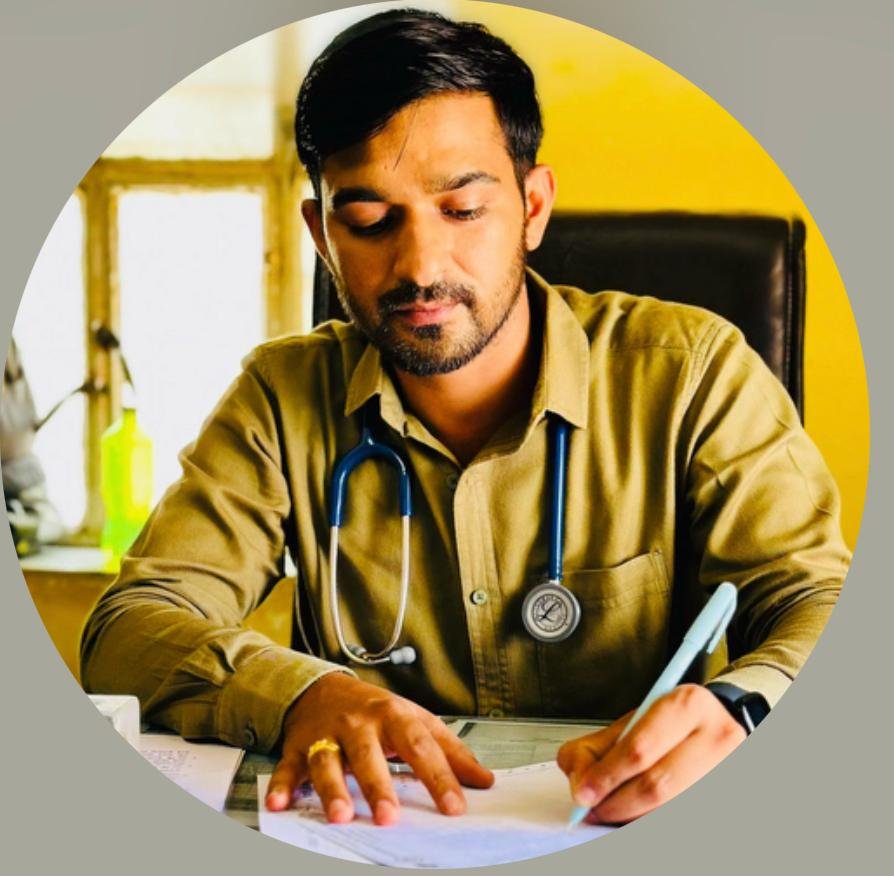
Authored & Medically Reviewed By
Dr. Anil Kumar
Dr. Anil Kumar reviews AtHomeCare’s patient education content to ensure it is medically accurate, practical, and safe for families. He insists on one rule for every article: tell families the truth about what support exists — and what it does not cover.
Medical Review Statement
This article on home healthcare subsidy assistance in Amritsar has been reviewed by Dr. Anil Kumar (Medical Registration No. RMC-79836, 7 years of clinical experience) for medical accuracy, clarity, and patient safety. The reviewer confirms that the article correctly distinguishes between medical care guidance and government-scheme information, and that all scheme-related content is presented for general awareness only.
Disclaimer: Government scheme names, eligibility rules, benefit amounts, and application procedures change periodically. This article is general information, not legal, financial, or tax advice, and not a government communication. Final eligibility and benefits are determined solely by the concerned government department, hospital, bank, or insurer — please verify directly with the relevant authority before making financial decisions. AtHomeCare provides guidance only and does not sanction, approve, or guarantee any government benefit.
Last reviewed: 15 February 2026
Planning Care for a Parent in Amritsar? Start with a Free Guidance Call
Tell us the patient’s age, condition, and work history — our care coordinators will walk you through which scheme categories to check, which documents to prepare, and how to build a care plan your family can actually afford. Serving patients across Amritsar through our regional care network.