Hospital Discharge to Home in Mohali: Complete Home Care Checklist for Faster Recovery
Hospital Discharge to Home in Mohali: Complete Home Care Checklist for Faster Recovery
Discharging a patient from hospital to home in Mohali requires careful planning across medication management, home environment setup, caregiver readiness, equipment arrangement, and emergency protocols. This checklist covers every step families must follow to prevent complications and support faster recovery.
Mohali residents discharged from Fortis, PGIMER Chandigarh, Max Hospital, or other local facilities face unique challenges including coordination with Tricity traffic, finding trained nursing staff locally, and managing equipment logistics in apartment complexes. This guide addresses each of these with actionable steps.
Why the First 72 Hours After Hospital Discharge Are the Most Dangerous
The first 72 hours after discharge carry the highest risk of medication errors, wound complications, falls, and unexpected deterioration. Studies show that nearly 20% of patients experience adverse events within this window, many of which are preventable with proper home care preparation.
When a patient leaves a Mohali hospital, they transition from a monitored environment with 24/7 clinical staff to a home setting where the first line of defense is often an untrained family member. This transition gap is where most post-discharge complications originate.
What Makes the First 72 Hours High-Risk
| Risk Factor | Why It Happens | Prevention |
|---|---|---|
| Medication errors | New prescriptions, changed dosages, multiple drugs started simultaneously | Medication reconciliation by trained nurse |
| Wound infection | Sterile technique not followed during dressing change | Professional wound care on Day 1 and Day 3 |
| Falls | Patient overestimates mobility, unfamiliar home layout at night | 24/7 attendant, night light, grab bars |
| Fluid imbalance | IV fluids stopped, oral intake insufficient, especially in elderly | Strict intake-output monitoring |
| Delayed recognition | Vital signs not checked, subtle changes missed | 4-hourly vitals monitoring by nurse |
| Catheter/tube displacement | Movement during transfer, improper securing | Nurse checks all lines on arrival |
Pre-Discharge Checklist: What to Do Before Leaving the Hospital
Before leaving any Mohali hospital, families must collect the discharge summary, understand every prescribed medication, arrange home equipment, confirm follow-up appointments, and ensure a caregiver will be present from the first hour at home. Skipping any of these steps significantly increases complication risk.
Documents to Collect Before Leaving
- Discharge summary with diagnosis, procedures, and treatment plan
- Prescribed medication list with exact dosages, timing, and duration
- Lab reports from the current admission
- Imaging CDs or digital access (X-ray, CT, MRI if applicable)
- Wound care instructions with photos if available
- Dietary instructions specific to the condition
- Follow-up appointment details with dates and doctor names
- Emergency contact numbers from the treating team
- Insurance claim documents and payment receipts
- Medical certificate for leave if employed
Clinical Questions to Ask the Doctor Before Discharge
- What specific warning signs should make us rush to the emergency?
- Which medications from before admission should be stopped or continued?
- What is the expected recovery trajectory for the first week?
- When should the first follow-up visit happen?
- Are there any dietary restrictions or required supplements?
- What level of home care support do you recommend?
- If the patient has a fever of 99.5°F, is that an emergency or expected?
- Can you provide a written note for home nursing with specific care orders?
Setting Up the Home Environment in Mohali
The patient’s room should be on the ground floor if possible, near a bathroom, with clear pathways, adequate lighting, a hospital bed if bedridden, and all essential supplies within arm’s reach. For Mohali apartments, elevator access and doorway width for equipment must be verified.
Room Preparation Checklist
- Ground-floor room or confirmed elevator access to the room floor
- Doorway minimum 32 inches wide for hospital bed and wheelchair passage
- Room temperature maintained at 24-26°C with fan or AC
- Adequate lighting including a night lamp within reach
- Non-slip mat placed near the bed and in the bathroom
- Grab bars installed in the bathroom (especially near toilet and shower)
- Bedside table for medications, water, phone, and call bell
- Extra pillows for elevation support (2-3 for back or leg elevation)
- Clean bed linen changed on the day of arrival
- Waste bin with lid and separate biomedical waste bag if wound care needed
- Emergency contact list displayed on the wall near the bed
- Oxygen cylinder or concentrator positioned if prescribed (with proper ventilation)
Essential Supplies to Have Ready
| Category | Items | Where to Get in Mohali |
|---|---|---|
| Vitals monitoring | Pulse oximeter, digital thermometer, BP monitor | AtHomeCare provides with nurse deployment |
| Wound care | Sterile gauze, antiseptic solution, surgical tape, gloves | AtHomeCare integrated pharmacy delivery |
| Hygiene | Wet wipes, adult diapers if needed, hand sanitizer, bedpan | Medical stores in Phase 7, Sector 62 |
| Nutrition | ORS packets, protein supplements, soft diet ingredients | Local supermarkets, AtHomeCare pharmacy |
| Emergency | Emergency contact list, ambulance numbers, nearest ER address | Pre-printed by AtHomeCare nurse on Day 1 |
| Comfort | Extra bed sheets, towels, comfortable clothing with front buttons | Home preparation |
Medication Management After Hospital Discharge
Post-discharge medication errors are among the leading causes of preventable readmissions. A typical elderly patient in Mohali leaves the hospital with 5-8 new medications, each with specific timing, food interactions, and potential side effects that family members often fail to manage correctly.
The Medication Reconciliation Process
AtHomeCare nurses perform a structured medication reconciliation on arrival at the patient’s Mohali home:
- Collect all medications — Gather every pill bottle, strip, syrup, and injection from the hospital and home
- Cross-check with discharge summary — Verify each prescribed drug matches what was dispensed
- Stop old medications — Identify pre-admission drugs that the hospital has explicitly discontinued
- Create a medication chart — Prepare a visual timetable with drug name, dose, time, and route
- Set up a pill organizer — Sort medications into a weekly box with compartments by day and time
- Document allergies — Highlight any drug allergies prominently on the chart
- Identify interactions — Flag potential drug-drug or drug-food interactions
| Time | Medication | Dose | With/Without Food | Special Instructions |
|---|---|---|---|---|
| 6:00 AM | Tab. Telmisartan | 40 mg | Empty stomach | Monitor BP after 1 hour |
| 7:00 AM | Tab. Metformin | 500 mg | After breakfast | Check blood sugar before breakfast |
| 8:00 AM | Tab. Ecosprin | 75 mg | After breakfast | Watch for bleeding/bruising |
| 12:00 PM | Cap. Pantoprazole | 40 mg | Before lunch | Give 30 min before food |
| 1:00 PM | Tab. Atorvastatin | 20 mg | After lunch | Report muscle pain |
| 8:00 PM | Tab. Metformin | 500 mg | After dinner | Check blood sugar before dinner |
| 9:00 PM | Tab. Telmisartan | 40 mg | After dinner | Monitor BP after 1 hour |
Wound Care and Infection Prevention at Home
Surgical wounds need sterile dressing changes every 24-72 hours depending on the type and drainage. Improper technique at home is the primary cause of surgical site infections, which can delay healing by weeks and sometimes require re-hospitalization.
Wound Assessment: What to Look For
| Sign | Normal | Abnormal (Report Immediately) |
|---|---|---|
| Color around wound | Slight pink | Increasing redness spreading outward |
| Swelling | Mild, localized | Increasing, warm to touch |
| Drainage | Clear or slight serous | Purulent (yellow/green), foul-smelling, increasing amount |
| Pain | Decreasing daily | Increasing or throbbing |
| Temperature | Below 99°F | Above 99.5°F or sudden spike |
| Skin around wound | Intact | Red streaks moving toward lymph nodes |
| Suture line | Closed, approximated | Gaping open, sutures missing |
AtHomeCare’s Infection Prevention Protocol at Home
AtHomeCare follows a hospital-grade infection prevention protocol at every Mohali home care assignment. This includes hand hygiene before and after every patient contact, sterile dressing technique, proper biomedical waste segregation, daily surface disinfection, and ongoing wound assessment using standardized scoring tools.
- Hand hygiene: WHO’s 5 Moments of Hand Hygiene strictly followed — before patient contact, before aseptic task, after body fluid exposure, after patient contact, and after touching patient surroundings
- Sterile technique: Wound dressing performed using sterile gloves, sterile drapes, and sterile instruments opened in front of the patient
- Biomedical waste: Used dressings, gloves, and sharps segregated into color-coded bags — red for infectious waste, yellow for contaminated, white for sharps — collected by authorized biomedical waste handler
- Surface disinfection: High-touch surfaces (bed rails, bedside table, door handles, commode) disinfected twice daily with hospital-grade disinfectant
- Linen management: Changed daily or immediately if soiled, washed at 60°C minimum, stored separately from family laundry
For detailed wound care protocols, read our guide on personalized wound care and infection prevention.
Mobility Support and Fall Prevention
Falls are the most common post-discharge emergency in elderly patients, often resulting in fractures that require re-hospitalization. Patients who were ambulatory before admission may have significant weakness after even 3-5 days of bed rest, and they frequently underestimate this decline.
Fall Risk Assessment in Mohali Homes
Every AtHomeCare patient in Mohali receives a fall risk assessment within the first hour using the Morse Fall Scale. This evaluates history of falling, secondary diagnosis, ambulatory aid use, IV therapy, gait, and mental status to assign a risk score that determines the level of mobility supervision needed.
| Fall Risk Factor | Present in Patient? | Required Intervention |
|---|---|---|
| Age above 65 | Yes/No | Minimum 1-person assist for all mobility |
| History of falls in past 3 months | Yes/No | 2-person assist, bed alarm, continuous supervision |
| Using walker, cane, or support | Yes/No | Ensure device is correctly fitted and within reach |
| Confusion or disorientation | Yes/No | Bed rails up, never leave unattended, call bell within reach |
| IV line or catheter | Yes/No | Secure all lines during transfers, clear pathway |
| Blood pressure medication | Yes/No | Assist slow position changes (lying to sitting to standing) |
| Urinary urgency or incontinence | Yes/No | Commode chair beside bed, scheduled toileting |
| Night-time mobility need | Yes/No | Night lamp, attendant awake at night |
Nutrition and Hydration for Recovery
Proper nutrition after hospital discharge directly impacts wound healing, immune function, and muscle recovery. Many elderly patients in Mohali eat significantly less after returning home due to weakness, loss of appetite, or difficulty accessing food, leading to dehydration and delayed recovery.
Recovery Diet Plan by Condition
| Condition | Foods to Include | Foods to Avoid | Special Notes |
|---|---|---|---|
| Post-surgery (general) | High-protein: paneer, dal, eggs, chicken, curd; Vitamin C: citrus, amla; Iron: spinach, jaggery | Spicy food, fried items, excessive sugar, processed food | Small frequent meals, 6 per day |
| Cardiac surgery / heart disease | Low-salt diet, oats, whole grains, fish, olive oil, walnuts, flaxseeds | Pickles, papad, canned food, butter, ghee, red meat | Salt limit: 5g/day, avoid heavy meals |
| Diabetes (post-discharge) | Bitter gourd, methi seeds, whole wheat, millets, nuts, salad | White rice, sugar, sweets, fruit juice, refined flour | Monitor sugar before each meal |
| Stroke / difficulty swallowing | Pureed food, thickened liquids, mashed dal, custard, smoothies | Thin liquids, hard/chewy foods, mixed textures, very hot food | Upright position during and 30 min after feeding |
| Kidney disease | Low-potassium fruits (apple, guava), limited protein, white rice | Banana, coconut water, tomato, potato, high-protein supplements | Strict fluid restriction if prescribed |
| Orthopedic surgery | Calcium: milk, ragi, sesame; Protein: eggs, soy; Vitamin D supplements | Excessive caffeine, alcohol, carbonated drinks | Calcium 1000-1200mg/day |
Caregiver Training: What Family Members Must Know
Family caregivers in Mohali often take on complex medical tasks with no formal training, leading to errors in medication administration, wound care, and emergency response. Structured caregiver training — even a 2-hour session — significantly reduces these errors and builds confidence in managing the patient at home.
Essential Skills Every Family Caregiver Must Learn
- Measuring and recording vital signs — Using a digital BP monitor, pulse oximeter, and thermometer correctly and documenting readings
- Medication administration — Correct dosage, timing, route (oral, sublingual, topical), and what to do if a dose is missed
- Recognizing warning signs — When to call the nurse, when to call the doctor, and when to call an ambulance
- Safe patient transfer — Assisting from bed to chair, bed to commode, and chair to standing without injuring the patient or the caregiver’s back
- Basic wound observation — Identifying signs of infection without touching the wound (redness, swelling, discharge, smell)
- Oral feeding assistance — Correct positioning, pace of feeding, and aspiration prevention for patients with swallowing difficulty
- Catheter and tube care basics — Recognizing blockage, displacement, or infection in urinary catheters and Ryle’s tubes
- Emergency response — CPR basics, recovery position, and what information to give when calling an ambulance
AtHomeCare’s Caregiver Training Process
AtHomeCare provides hands-on caregiver training to family members at the Mohali patient’s home during the first 48 hours of service. This training is conducted by the assigned nurse and covers condition-specific skills. The training is documented, and a quick-reference guide is left at the bedside for ongoing reference.
- Recruitment: Caregivers are recruited through verified nursing institutions and experienced candidate networks in Punjab and neighboring states
- Screening: Minimum qualification of GNM/BSc Nursing for nurse roles; 10th pass with care certification for attendant roles
- Caregiver verification: Government ID (Aadhaar, PAN), nursing council registration, previous employer reference calls, criminal background verification through police records
- Training: 40-80 hours initial training covering vital signs, medication administration, wound care, catheter care, fall prevention, emergency response, infection control, and communication
- Supervision: Daily supervisor check-ins during the first week, then weekly visits with unannounced quality audits
- Quality monitoring: Patient satisfaction surveys, clinical outcome tracking, and incident reporting system with root-cause analysis
While this guide references caregiver training as a concept applicable across cities, Mohali families can access AtHomeCare’s structured training programs locally. For reference on broader training standards, families in other regions may explore what makes quality caregivers different.
Vital Signs Monitoring at Home
Regular vital signs monitoring is the single most effective way to detect early deterioration after hospital discharge. AtHomeCare nurses in Mohali record vitals every 4 hours for high-risk patients and every 8 hours for stable patients, creating a trend chart that reveals problems before they become emergencies.
| Vital Sign | Normal Range | Monitor Frequency | Alert Threshold |
|---|---|---|---|
| Blood Pressure | 120/80 mmHg (±10) | Every 4-8 hours | <90/60 or >160/100 mmHg |
| Heart Rate | 60-100 bpm | Every 4-8 hours | <50 or >110 bpm |
| Respiratory Rate | 12-20 breaths/min | Every 4 hours | <10 or >24 breaths/min |
| Oxygen Saturation (SpO2) | 95-100% | Every 2-4 hours (if on O2) | <92% |
| Temperature | 97.8-99°F (36.5-37.2°C) | Every 8 hours | >99.5°F or <96°F |
| Blood Sugar (fasting) | 80-130 mg/dL | Before breakfast and dinner | <70 or >250 mg/dL |
| Urine Output | 800-2000 mL/day | Every shift (8 hours) | <30 mL/hour for 2+ hours |
Recovery Timelines by Condition
Recovery time after hospital discharge varies dramatically by condition, patient age, and comorbidities. Below are general timelines that help families set realistic expectations. Elderly patients in Mohali typically take 1.5 to 2 times longer than these averages due to multiple health conditions and reduced physiological reserve.
Week 1: Acute Recovery Phase
Focus on wound healing, pain management, infection prevention, medication stabilization. Patient is mostly bed-bound or limited to bathroom trips with assistance. Nursing support is at its highest intensity.
Weeks 2-3: Early Mobility Phase
Gradual increase in activity. Physiotherapy begins if prescribed. Wound dressing frequency reduces. Medication list may be adjusted at first follow-up. Family confidence increases but risk of overexertion is high.
Weeks 4-6: Functional Recovery Phase
Patient can move independently with aids. Dressings may be off. Sutures/staples removed. Physiotherapy intensifies. Nursing can often transition from 24/7 to part-time or daily visits.
Weeks 7-12: Rehabilitation Phase
Focus shifts to strength building and returning to pre-hospitalization activity level. Follow-up visits confirm healing. Medications may be reduced. Care can often transition to family management with periodic nurse visits.
Months 3-6: Full Recovery Phase
For major conditions (stroke, joint replacement, cardiac surgery), this is when patients approach their maximum recovery potential. Continued physiotherapy and medical follow-up guide long-term management.
| Condition | Minimum Home Care | Recommended Home Care | Full Recovery |
|---|---|---|---|
| Minor surgery (gallbladder, hernia) | 1-2 weeks | 2-4 weeks | 4-6 weeks |
| Major abdominal surgery | 3-4 weeks | 6-8 weeks | 8-12 weeks |
| Knee/hip replacement | 4 weeks | 8-12 weeks | 3-6 months |
| Cardiac bypass (CABG) | 4 weeks | 8-12 weeks | 3-4 months |
| Stroke (mild-moderate) | 8 weeks | 3-6 months | 6-12 months |
| ICU discharge (stable) | 2-4 weeks | 4-12 weeks | Varies by condition |
| Cancer surgery + chemo | 4-6 weeks | 2-6 months | Ongoing management |
When to Call the Doctor vs When to Call Emergency
Knowing the difference between a “call the doctor in the morning” situation and a “call an ambulance now” situation saves lives. This distinction is particularly critical for elderly patients in Mohali where traffic to PGIMER or Fortis emergency can take 20-45 minutes during peak hours.
Call Ambulance Immediately (108 or Hospital Emergency)
- Chest pain, pressure, or tightness lasting more than 5 minutes
- Sudden difficulty breathing or gasping for air
- Sudden weakness or numbness on one side of face or body
- Sudden confusion, slurred speech, or inability to respond
- Seizure lasting more than 2 minutes
- Large amount of blood in vomit, stool, or urine
- Oxygen saturation below 90% and not improving with prescribed oxygen
- Blood pressure below 80/50 mmHg with dizziness or confusion
- Unconscious or unresponsive patient
- Severe allergic reaction — swelling of face/throat, difficulty swallowing
Call the Treating Doctor Within 1-2 Hours
- Fever above 100.5°F (not responding to paracetamol)
- Wound showing increasing redness, warmth, or pus
- New or worsening pain at the surgical site
- Catheter not draining for 4+ hours
- Ryle’s tube displaced or blocked
- Blood sugar consistently above 300 or below 60 mg/dL
- Persistent nausea or vomiting preventing medication intake
- Mild to moderate swelling in legs not relieved by elevation
- Blood pressure consistently above 160/100 despite medication
- Confusion or behavioral change that is new (not pre-existing dementia)
Discuss at Next Follow-Up (Not Urgent)
- Mild fatigue that is slowly improving
- Small amount of clear drainage from wound (decreasing daily)
- Mild loss of appetite (eating at least 50% of meals)
- Occasional difficulty sleeping (less than 3 nights in a row)
- Mild constipation (manageable with diet and movement)
- PGIMER Chandigarh Emergency: 0172-2756565
- Fortis Hospital Mohali Emergency: 0172-4692222
- Max Super Speciality Hospital Mohali Emergency: 0172-6628888
- Government Ambulance: 108
- AtHomeCare 24/7 Clinical Helpline: Available with every care plan
Decision Tree: Does the Patient Need Professional Home Care?
Not every hospital discharge requires professional home nursing. This decision tree helps Mohali families objectively assess whether family caregiving is sufficient or whether professional support is medically necessary based on the patient’s discharge condition, home environment, and family availability.
Family Care vs Professional Home Nursing: Honest Comparison
Many Mohali families believe they can manage post-discharge care with family members alone, but this often leads to caregiver burnout, medication errors, and delayed detection of complications. Professional home nursing provides clinical expertise, consistent monitoring, and emergency readiness that untrained family members cannot replicate.
🔴 Family Caregiving Only
- No clinical training in vital signs interpretation
- Medication errors common (wrong dose, missed dose, wrong time)
- Wound dressing technique often non-sterile
- Sleep deprivation affecting caregiver health within 3-5 days
- No emergency escalation protocol
- Inconsistent monitoring — checking only when patient “looks unwell”
- Caregiver burnout by end of Week 1
- Unable to manage catheters, tubes, or IV lines
- No documentation of clinical observations
- Cost: ₹0 direct but high hidden cost of errors and readmission
🟢 Professional Home Nursing (AtHomeCare)
- Trained nurse with clinical assessment skills
- Medication reconciliation and supervised administration
- Sterile wound care technique with infection monitoring
- Shift-based care — caregivers are rested and alert
- Structured emergency escalation protocol
- 4-8 hourly vitals monitoring with trend documentation
- Sustainable care with supervisor oversight
- Competent management of all invasive devices
- Daily clinical reports shared with family and doctor
- Cost: ₹1,200-₹3,500/day but prevents ₹50,000-₹2,00,000 readmission
Common Mistakes Families Make After Hospital Discharge
The same discharge-related mistakes occur repeatedly across Mohali homes, often with serious consequences. Being aware of these patterns helps families avoid them and protect their loved ones during the vulnerable recovery period.
Stopping pre-admission medications without doctor’s advice
Many patients assume that if a medication wasn’t given in the hospital, it should be stopped at home. This is dangerous. Some chronic medications (like thyroid tablets or anti-epileptics) may not have been relevant to the acute admission but must be continued. The discharge summary should explicitly list which medications to stop and which to continue. If unclear, always ask the doctor before stopping anything.
Assuming the patient can self-manage because they “look fine”
Patients often put on a brave face, especially in front of family. They may minimize pain, hide difficulty breathing, or say they’ve taken medications when they haven’t. Elderly patients may have reduced pain perception. Never rely on the patient’s self-assessment alone. Objective vital signs monitoring tells the real story. Read about why apparently stable patients can suddenly deteriorate.
Delaying equipment setup until after the patient arrives
Waiting until the patient is home to arrange a hospital bed, oxygen concentrator, or commode creates a dangerous gap. The patient may be placed on a regular bed that is too low, too soft, or lacks side rails, increasing fall risk. Oxygen-dependent patients may arrive without oxygen support. AtHomeCare’s protocol requires all equipment to be set up and tested at least 2 hours before the patient’s arrival.
Missing follow-up appointments
Follow-up appointments are when the doctor assesses wound healing, adjusts medications, and catches early complications. Missing them — which is common because families feel the patient is “recovering well” — can allow silent problems (internal infection, anemia, organ dysfunction) to progress unchecked. AtHomeCare nurses track all follow-up dates and remind families 24 hours before each appointment.
Overfeeding or giving wrong foods after surgery
Indian families often express love through food, and after hospital discharge, there’s a tendency to prepare rich, heavy meals to “build strength.” Post-surgical patients, especially after abdominal or cardiac procedures, need light, easily digestible food in small portions. Heavy meals can cause nausea, bloating, and in cardiac patients, increased cardiac workload. Always follow the dietary instructions in the discharge summary.
Letting the patient walk to the bathroom alone on Day 1
Even if the patient walked independently before admission, 3-5 days of bed rest causes significant deconditioning. Blood pressure drops when standing (orthostatic hypotension), muscles are weak, and balance is impaired. Falls in the bathroom are the most common and most dangerous post-discharge falls. A caregiver must accompany every bathroom trip for at least the first 72 hours.
Ignoring mental health and emotional state
Post-hospital depression, anxiety, and delirium are extremely common but frequently overlooked. The patient may be withdrawn, refuse food, express hopelessness, or show confusion that wasn’t present before. These are not “just mood swings” — they are clinical signs that require attention. AtHomeCare nurses screen for depression and delirium using standardized tools and flag concerns to the family and treating physician.
AtHomeCare’s Discharge-to-Home Protocol in Mohali
AtHomeCare follows a structured 8-step discharge-to-home transition protocol designed to eliminate the gaps that cause post-discharge complications. This protocol has been refined through thousands of transitions across Mohali, Chandigarh, and the Tricity region.
Step-by-Step Operational Workflow
-
Discharge Summary Receipt
AtHomeCare receives the discharge summary from the hospital (either directly from the hospital’s discharge team or from the family). A clinical coordinator reviews the document within 30 minutes and creates a preliminary care plan.
-
Pre-Discharge Home Assessment
A supervisor visits the Mohali home (or conducts a video assessment for NRI families) to evaluate room setup, doorway widths, elevator access, bathroom conditions, and identify fall hazards. Equipment requirements are confirmed.
-
Equipment Logistics and Setup
Required equipment — hospital bed, oxygen concentrator, suction machine, multipara monitor, commode, walker — is delivered and set up before the patient arrives. Each device is tested for function, and the family is given a brief orientation on power backup and basic operation. For home ICU setups, the full deployment follows AtHomeCare’s home ICU setup guide.
-
Caregiver/ Nurse Matching and Deployment
Based on the clinical requirements, a nurse or attendant is assigned. Factors matched include: clinical skills (ICU-trained vs general), language preference (Punjabi, Hindi, English), gender preference, experience with the specific condition, and temperament fit. The caregiver arrives at the home before the patient.
-
Patient Arrival and Immediate Assessment
Within 30 minutes of the patient arriving home, the nurse conducts: full vital signs measurement, pain assessment, wound inspection, verification of all invasive devices (catheter patency, Ryle’s tube position, IV line integrity), medication reconciliation against the discharge summary, and fall risk scoring.
-
Shift Handover System
For 24/7 care, shift handovers occur at fixed times (8 AM, 2 PM, 8 PM, 2 AM). Each handover includes: written report with vitals trend, medications given, intake-output totals, wound status, behavioral observations, and pending tasks. The outgoing and incoming nurse conduct a joint patient check.
-
Integrated Pharmacy Support
AtHomeCare’s integrated pharmacy handles medication procurement, refill management, and delivery to the Mohali home. This eliminates the common problem of families struggling to find specific medications at local chemists. The pharmacy also coordinates with the treating doctor for any prescription changes.
-
Emergency Escalation Protocol
A 24/7 clinical coordinator is assigned to every case. The escalation chain is: Nurse → Clinical Coordinator → Treating Doctor → Hospital Emergency → Ambulance. Response time targets: Clinical coordinator callback within 10 minutes, ambulance arrangement within 15 minutes of decision. For accommodation support during long-term assignments, AtHomeCare arranges nearby lodging for outstation caregivers.
Cost Comparison: Home Care vs Extended Hospital Stay in Mohali
Home care after discharge is significantly more affordable than extended hospitalization in Mohali while providing comparable clinical safety for stable patients. The cost difference becomes even more pronounced for longer durations, making home care the financially sensible choice for most post-discharge recovery scenarios.
| Parameter | Hospital Stay (Mohali) | AtHomeCare Home Nursing |
|---|---|---|
| Room charge per day | ₹8,000 – ₹25,000 | ₹0 (own home) |
| Nursing care per day | Included in room | ₹1,200 – ₹3,500 |
| Doctor visits per day | Included (rounded) | ₹600 – ₹1,500 per visit |
| Medications | Hospital rates (often 20-30% higher) | AtHomeCare pharmacy (MRP or lower) |
| Food | ₹500 – ₹1,500 per day | Home-cooked (₹200 – ₹400) |
| Equipment | Included | ₹200 – ₹2,000/day rental |
| Investigations | Hospital rates | Home collection available at comparable rates |
| Total per day (approximate) | ₹10,000 – ₹30,000 | ₹2,000 – ₹7,000 |
| Monthly cost (30 days) | ₹3,00,000 – ₹9,00,000 | ₹60,000 – ₹2,10,000 |
| Emotional comfort | Low — clinical environment | High — familiar surroundings, family presence |
| Infection risk | Higher (hospital-acquired infections) | Lower (controlled home environment) |
Special Discharge Situations
Certain discharge scenarios require specialized preparation beyond the standard checklist. ICU-to-home transitions, tracheostomy care, stroke rehabilitation, and post-ventilator recovery each have unique requirements that must be addressed before the patient leaves the hospital.
ICU Discharge to Home
Patients stepping down from ICU to home require the highest level of home care preparation. AtHomeCare’s home ICU setup includes multipara monitors, BiPAP/ventilator if needed, oxygen concentrators with backup cylinders, suction apparatus, emergency medication kit, and ICU-trained nurses with 12-hour or 8-hour shifts.
- Continuous SpO2, BP, heart rate, and respiratory rate monitoring
- Emergency intubation kit kept ready (for trained nurses to manage airway)
- Standing emergency orders from the treating intensivist
- Daily clinical report sent to the ICU team for the first 7 days
- Backup oxygen cylinder always available in case of concentrator failure
Tracheostomy Care at Home
Patients discharged with a tracheostomy tube need specialized airway management. AtHomeCare provides nurses trained in tracheostomy suctioning, inner cannula cleaning, tube change, humidification management, and emergency obstruction response. For detailed protocols, see our tracheostomy tube care guide.
- Suction machine with sterile catheters — tested and positioned at bedside
- Humidifier attached to tracheostomy collar (especially in Mohali’s dry summers)
- Spare tracheostomy tube (same size) kept at bedside
- Emergency tracheostomy tube change kit prepared
- Normal saline bullets for humidification and suctioning
Stroke Discharge to Home
Stroke patients require a combination of nursing care, physiotherapy, speech therapy, and emotional support. AtHomeCare coordinates a multidisciplinary team for stroke recovery at home. Read our detailed guide on post-stroke care at home.
- Aspiration prevention during feeding (upright positioning, thickened liquids)
- Hemiplegic side positioning to prevent shoulder subluxation and contractures
- Passive range-of-motion exercises for affected limbs
- Speech and swallowing assessment within first 48 hours
- Bowel and bladder management program
- Emotional support and depression screening
Post-Ventilator Care at Home
Patients weaned off ventilator support in the hospital but still requiring respiratory support at home need careful transition. AtHomeCare provides post-ventilator home care with BiPAP/CPAP management, chest physiotherapy, oxygen therapy, and gradual weaning protocols under pulmonologist guidance.
Catheter and Ryle’s Tube Management
Patients discharged with urinary catheters (Foley’s) or feeding tubes (Ryle’s tube/PEG) need trained management to prevent blockage, infection, and displacement. AtHomeCare nurses are trained in:
- Foley catheter care — daily meatal cleaning, bag emptying, output monitoring, change every 14-21 days
- Ryle’s tube feeding — correct positioning, feed volume and rate, flush protocol, residual check
- Stoma/colostomy care — bag changing, skin protection, output monitoring
Mohali Hospital Discharge Coordination
Mohali is part of the Chandigarh Tricity healthcare corridor, with patients frequently discharged from PGIMER, Fortis, Max, and GMSH-16 Chandigarh. Each hospital has different discharge processes, and understanding these helps families plan the home care transition more effectively.
| Hospital | Discharge Process | Typical Discharge Timing | Key Consideration |
|---|---|---|---|
| PGIMER Chandigarh | Discharge summary from ward, medicines from PGIMER pharmacy, follow-up in same OPD | Often afternoon (2-5 PM) | High patient volume; summary may take 3-4 hours. Plan home care setup in advance. |
| Fortis Hospital Mohali | Structured discharge process with dedicated discharge coordinator, medicines from in-house pharmacy | Morning to afternoon | Insurance formalities may delay discharge by 2-3 hours. Coordinate with TPA simultaneously. |
| Max Super Speciality Mohali | Discharge planner assigns case manager, medicines from hospital pharmacy, follow-up scheduled before discharge | Morning to early afternoon | Efficient process but equipment from external vendor needs early arrangement. |
| GMSH-16 Chandigarh | Discharge summary from resident doctor, medicines from hospital dispensary, OPD follow-up | Variable, often late morning | Government hospital; families handle most logistics independently. External home care coordination essential. |
| Healing Hospital Mohali | Discharge coordinator manages process, pharmacy in-house | Morning | Smaller facility; faster discharge process. Home care setup can be quicker. |
Frequently Asked Questions: Hospital Discharge to Home in Mohali
What should I do in the first 24 hours after bringing a patient home from hospital in Mohali?
Complete a full medication reconciliation against the discharge summary. Set up the patient’s sleeping area with side rails if needed. Verify all prescribed medications are available at home — if any are missing, arrange them immediately through AtHomeCare’s pharmacy. Ensure emergency contacts (treating doctor, ambulance, AtHomeCare clinical coordinator) are displayed near the bed. Take baseline vitals: temperature, pulse, blood pressure, respiratory rate, and oxygen saturation if a pulse oximeter is available. Ensure the patient is comfortable, hydrated, and positioned correctly for their condition. Do not leave the patient alone at night.
How soon after discharge from a Mohali hospital should I arrange home nursing?
Ideally, home nursing should be arranged before discharge day — preferably 24-48 hours in advance. AtHomeCare can deploy a trained nurse to your Mohali home within 2-4 hours of confirmation for urgent cases. For ICU step-down patients, nursing should begin from the first hour at home. For post-surgical patients with no invasive devices, same-day or next-morning deployment is acceptable but not ideal. Delaying nursing arrangement by even 1 day increases the risk of unmanaged complications.
What equipment do I need at home after hospital discharge in Mohali?
The equipment needed depends on the patient’s condition. Commonly required items include: adjustable hospital bed (essential for bedridden patients), pulse oximeter, digital thermometer, blood pressure monitor, nebulizer (for respiratory conditions), oxygen concentrator (if prescribed), suction machine (for tracheostomy or excessive secretions), air mattress (for bedridden patients to prevent pressure ulcers), commode chair, and walker or wheelchair. AtHomeCare provides all equipment on rent in Mohali with delivery, setup, and maintenance included. The specific equipment list is determined during the pre-discharge home assessment based on the discharge summary.
How do I know if my elderly parent needs professional home care after discharge or if family can manage?
Professional home care is recommended if any of the following apply: the patient has multiple comorbidities (diabetes + heart disease + kidney issues), requires wound dressing, has a urinary catheter or Ryle’s tube, is on oxygen therapy, was discharged from ICU, has dementia or confusion, is on more than 5 medications, had a stroke with paralysis, or if family members work full-time and cannot provide 24/7 supervision. A simple rule of thumb: if the discharge summary has more than 3 medications or any invasive device, professional support is strongly advisable for at least the first week.
What are the red flags after hospital discharge that require immediate emergency visit?
Seek emergency care immediately for: chest pain or pressure lasting more than 5 minutes, sudden difficulty breathing or gasping, sudden weakness or numbness on one side of the body, sudden confusion or slurred speech, high fever above 102°F not responding to paracetamol, severe wound bleeding or pus with increasing redness, sudden loss of consciousness, blood in vomit (more than streaks), blood in stool (black tarry or bright red), severe abdominal pain, sudden drop in blood pressure below 90/60 mmHg with dizziness, oxygen saturation dropping below 90% despite prescribed oxygen, or seizure lasting more than 2 minutes.
How does AtHomeCare coordinate with Mohali hospitals for discharge planning?
AtHomeCare’s coordination process works as follows: First, the clinical coordinator receives the discharge summary (either from the hospital team directly or from the family). Within 30 minutes, a preliminary care plan is created. A pre-discharge home assessment is conducted — either in-person or via video call for NRI families. Equipment is delivered and set up before the patient arrives. A matched nurse or attendant is deployed based on the patient’s clinical needs, language preference, and condition-specific experience. On the day of discharge, the caregiver can accompany the patient in the ambulance from the hospital to ensure continuity. A direct communication channel is established with the treating hospital’s team for the first 7 days.
What is the cost of home nursing after discharge in Mohali compared to hospital stay?
A day in a private hospital room in Mohali (Fortis, Max) typically costs ₹8,000-₹25,000 depending on the room category and hospital. AtHomeCare’s home nursing costs ₹1,200-₹3,500 per day depending on the level of care (attendant vs GNM nurse vs BSc nurse vs ICU-trained nurse). Even with equipment rental (₹200-₹2,000/day) and doctor home visits (₹600-₹1,500/visit), the total daily cost of home care is typically ₹2,000-₹7,000 — which is 60-80% less than hospital stay. Over a 30-day period, this translates to savings of ₹2,40,000 to ₹6,90,000. Additionally, most insurance policies cover post-hospitalization home nursing for 60-90 days.
How do I manage medications for an elderly patient after discharge?
First, perform a complete medication reconciliation: lay out every medication from the hospital and compare against the discharge summary. Identify which pre-admission medications to continue and which to stop. Create a written medication chart with columns for drug name, dose, timing, route, and special instructions. Use a pill organizer sorted by day and time slot. Set phone alarms for each medication time. For the first 2 weeks, have a trained person (nurse or trained family member) physically hand each medication to the patient and watch them take it. Document every dose given. Monitor for side effects like dizziness, nausea, rash, or unusual bleeding. AtHomeCare nurses handle the entire medication management process and train family members for the transition.
Can a patient be discharged directly from ICU to home in Mohali?
Yes, with proper home ICU setup and the treating doctor’s explicit approval. This is suitable for patients who have stabilized in the ICU but still require continuous monitoring — for example, patients on stable oxygen therapy, those weaned off ventilator but still on BiPAP, or tracheostomy patients who are clinically stable. AtHomeCare deploys ICU-trained nurses, installs multipara monitors for continuous vitals tracking, sets up BiPAP/ventilator if needed, oxygen concentrators with backup cylinders, suction apparatus, and emergency medication kits. The treating intensivist provides standing emergency orders. Daily clinical reports are shared with the hospital team. However, this is not appropriate for patients who are actively unstable or requiring interventions that cannot be performed at home.
What is a discharge summary and why is it critical for home care?
A discharge summary is a comprehensive document prepared by the treating hospital that includes: admission diagnosis, procedures performed (surgery details, if any), medications prescribed at discharge (with doses and duration), dietary instructions, activity restrictions, wound care instructions, follow-up appointment details, and warning signs that require emergency attention. It is the single most important document for home care because it guides the entire care plan — from what medications to give, to what to watch for, to when to see the doctor next. Without it, medication errors, missed complications, and inappropriate care are significantly more likely. Always collect it before leaving the hospital and share it with your home care provider.
How do I prevent falls for an elderly patient after hospital discharge?
Remove all loose rugs, mats, and clutter from walkways between the bed and bathroom. Install grab bars in the bathroom near the toilet and inside the shower area. Place non-slip mats on the bathroom floor and inside the shower. Ensure adequate lighting, especially a night lamp that the patient can reach from bed. Keep a commode chair next to the bed if the bathroom is not adjacent. Ensure the patient wears non-slip footwear (not just socks) when walking. Use the prescribed walking aid (walker, cane) for every transfer — never let the patient walk unassisted in the first week. For position changes from lying to sitting, have the patient sit on the edge of the bed for 1-2 minutes before standing to prevent dizziness from blood pressure drop. AtHomeCare conducts a formal fall risk assessment and implements all necessary precautions on Day 1.
What should I feed a patient in the first week after hospital discharge?
Always start with the dietary instructions in the discharge summary — these are condition-specific. Generally, for the first 2-3 days: serve light, easily digestible food in small portions — khichdi, moong dal, soft roti, curd rice, steamed vegetables, and seasonal fruits. Avoid spicy, fried, and heavy foods. For diabetic patients, maintain strict sugar control with low-glycemic foods and monitor blood sugar before each meal. For cardiac patients, follow a low-salt (less than 5g/day), low-fat diet. Ensure adequate hydration — 2-3 liters of water daily unless fluid restriction is prescribed. For patients on Ryle’s tube feeding, follow the hospital’s feeding schedule precisely — do not change the feed volume, rate, or timing without doctor’s orders. Gradually transition to normal food over 7-10 days as tolerated.
How do shift handovers work in AtHomeCare’s home nursing service in Mohali?
Each shift change follows a structured handover protocol. The outgoing nurse prepares a written handover report that includes: all vital signs recorded during the shift (with times), medications administered (with times and any patient reactions), intake and output measurements, wound status and any dressing changes, patient’s pain level and pain medication given, any behavioral or cognitive changes observed, bowel and bladder activity, and pending tasks for the next shift. The outgoing nurse briefs the incoming nurse in person at the patient’s bedside. Both nurses together verify the patient’s vitals, check all invasive devices (catheter, tubes, IV lines), and count medications. A clinical supervisor reviews all handover logs daily and conducts random spot-checks to ensure compliance.
What training do AtHomeCare caregivers receive for post-discharge care?
All AtHomeCare caregivers undergo structured training before deployment. General Duty Attendants (GDAs) receive 40 hours of training covering: vital signs measurement, patient hygiene and personal care, feeding assistance, mobility and transfer support, fall prevention basics, communication with patients and families, and infection control hand hygiene. Nurses (GNM/BSc) receive 60-80 hours of training covering all of the above plus: medication administration and reconciliation, wound care and dressing techniques, catheter and tube management, IV therapy, injection administration, oxygen therapy management, and clinical assessment skills. ICU-trained nurses receive additional specialized training in: ventilator and BiPAP management, advanced cardiac monitoring, tracheostomy care and suctioning, arterial blood gas interpretation, and emergency response protocols. All training includes practical assessments — caregivers must demonstrate competence before being deployed.
How long does full recovery take after hospital discharge?
Recovery time varies significantly by condition and patient age. As general guidelines: minor surgeries (gallbladder, hernia) take 4-6 weeks for full recovery; major abdominal surgery takes 8-12 weeks; joint replacement (knee/hip) takes 3-6 months for full mobility recovery; cardiac bypass surgery takes 3-4 months; stroke recovery takes 6-12 months (and may not be complete); ICU discharge for stable patients takes 4-12 weeks depending on the underlying condition. Important caveat: elderly patients (above 65) typically take 1.5 to 2 times longer than younger patients for equivalent conditions due to reduced physiological reserve, multiple comorbidities, and slower tissue healing. These are estimates — actual recovery depends on individual factors, adherence to rehabilitation, and quality of home care support.
What happens if the patient’s condition worsens at night in Mohali?
AtHomeCare follows a structured 24/7 emergency escalation protocol. Step 1: The night-shift nurse immediately assesses the patient and initiates stabilization measures (oxygen adjustment, position change, emergency medications if standing orders exist). Step 2: The nurse calls AtHomeCare’s clinical coordinator, who is available 24/7 and will call back within 10 minutes. Step 3: The clinical coordinator contacts the treating hospital’s emergency line or the on-call doctor for guidance. Step 4: If hospital transfer is needed, AtHomeCare arranges an ambulance to the nearest appropriate Mohali/Chandigarh hospital while the nurse continues stabilization. Step 5: The nurse accompanies the patient in the ambulance and provides a handover report to the hospital emergency team. AtHomeCare maintains active relationships with Fortis, Max, PGIMER, and GMSH-16 emergency departments for rapid admissions. Families are informed at every step.
How is infection prevention managed at home after discharge?
AtHomeCare implements hospital-grade infection prevention at home. Hand hygiene is the first and most critical measure — nurses follow WHO’s 5 Moments of Hand Hygiene before and after every patient contact. Wound dressings are performed using sterile technique: sterile gloves, sterile drapes, sterile instruments opened in front of the patient. All high-touch surfaces (bed rails, bedside table, door handles, commode chair, phone) are disinfected twice daily with hospital-grade disinfectant. Biomedical waste (used dressings, gloves, cotton) is segregated into color-coded bags — red for infectious waste, yellow for contaminated items, white puncture-proof containers for sharps — and collected by an authorized biomedical waste handler. Clean linen is changed daily or immediately when soiled. Catheter care follows aseptic technique with daily meatal cleaning. The nurse monitors for early signs of infection (fever, redness, swelling, discharge) at every assessment and reports immediately.
Can AtHomeCare manage a patient with a tracheostomy at home in Mohali?
Yes. AtHomeCare regularly manages tracheostomy patients at home in Mohali. The assigned nurse is specifically trained and experienced in tracheostomy care. Services include: regular suctioning (as needed, using sterile technique), inner cannula cleaning (2-3 times daily or as prescribed), humidification management (especially critical in Mohali’s dry climate), tracheostomy tube change (as per schedule, using sterile technique), stoma site care and monitoring for infection, emergency obstruction management (the nurse is trained to detect and respond to tube blockage), and family training on basic tracheostomy care. Equipment provided includes: suction machine with sterile catheters, humidifier with distilled water, spare tracheostomy tube (same size) at bedside, normal saline bullets, and emergency tracheostomy tube change kit. For detailed protocols, refer to our tracheostomy home care guide.
What follow-up appointments are needed after hospital discharge in Mohali?
Follow-up needs depend on the condition, but commonly required appointments include: first surgical wound review at 7-10 days post-discharge (to assess healing and plan suture/staple removal), suture or staple removal at 10-14 days, lab tests (CBC, blood sugar, kidney/liver function) at 1 week and 1 month, physiotherapy assessment within 3-5 days for patients with mobility limitations, cardiac follow-up at 2 weeks for heart surgery or heart attack patients, dialysis coordination for chronic kidney disease patients, oncology follow-up for cancer surgery patients, and neurology review for stroke patients at 2-4 weeks. AtHomeCare nurses track all follow-up dates from the discharge summary, remind families 24 hours before each appointment, and can arrange transport if needed.
How do I verify that a home nurse is qualified and trustworthy?
AtHomeCare conducts multi-layer verification before any nurse or attendant is deployed. This includes: government ID verification (Aadhaar card, PAN card — physically verified), nursing council registration check (verified on the respective state nursing council website), previous employment verification (direct calls to previous employers/hospitals), criminal background check (through police verification), and reference checks from at least 2 previous supervisors. All educational certificates (GNM/BSc nursing, ANM) are physically verified. Families receive a complete profile of the assigned caregiver including verified credentials, total experience, specific condition experience, and language skills before deployment. During the assignment, performance is monitored through daily clinical reports, supervisor visits (daily in Week 1, then weekly), and family feedback. Any concerns trigger an immediate investigation and replacement if needed.
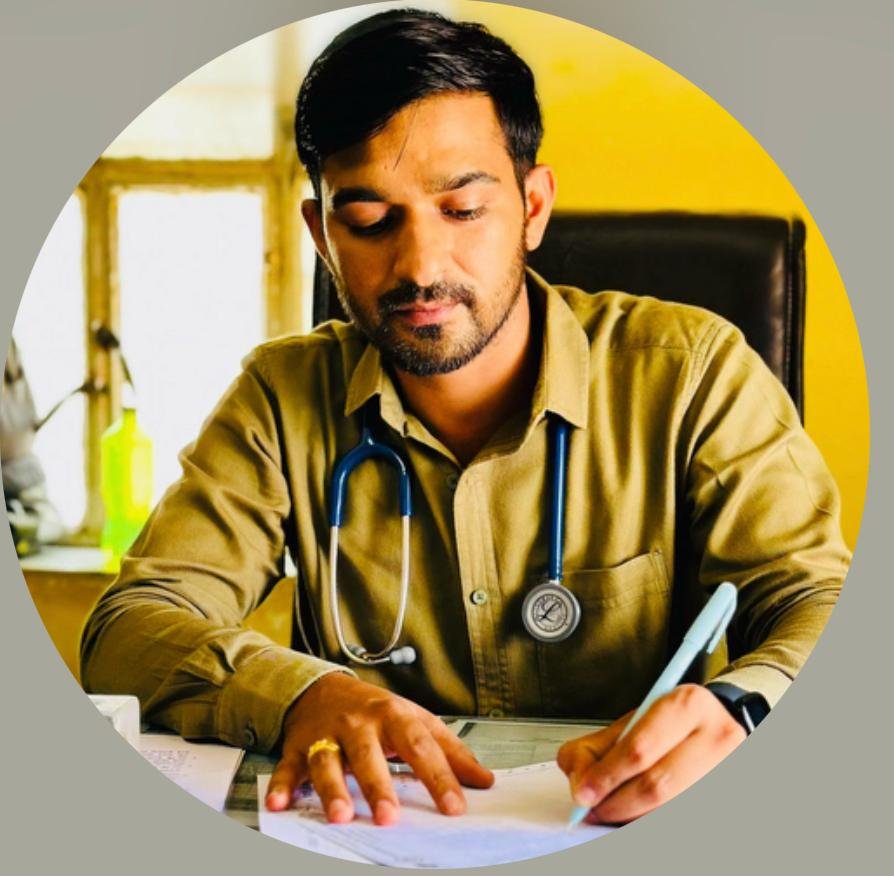
Medical Review and Accountability Statement
This article has been medically reviewed for accuracy and completeness. It is intended for informational purposes only and does not constitute medical advice. Always consult your treating physician for decisions specific to your health condition.
Need Home Care After Hospital Discharge in Mohali?
AtHomeCare can deploy a trained nurse to your Mohali home within 2-4 hours. Get a free care assessment and customized recovery plan.