Home Physiotherapy in Mohali
Home Physiotherapy in Mohali: Complete Recovery Guide After Stroke, Surgery & Orthopedic Injuries
Home physiotherapy in Mohali helps stroke survivors regain movement, helps surgery patients recover faster, and helps elderly individuals stay mobile and independent. This guide explains how physiotherapy at home works, what conditions it treats, how recovery progresses week by week, and how AtHomeCare delivers supervised rehabilitation directly to your doorstep in Mohali.
Serving patients across Mohali through our regional care network.
What Is Home Physiotherapy?
Home physiotherapy means a qualified physiotherapist visits your home to assess, treat, and rehabilitate you for movement problems, pain, and loss of function — without you needing to travel to a clinic or hospital.
A physiotherapist at home in Mohali does everything that happens in a clinic: muscle strength testing, joint movement measurement, hands-on treatment, exercise prescription, and progress tracking. The only difference is the location. Instead of you going to a physiotherapy center, the physiotherapist comes to your living room, bedroom, or whichever space works best for your recovery.
Home physiotherapy is not basic stretching or massage. It is a clinical service delivered by a licensed professional who has completed a Bachelor of Physiotherapy (BPT) or Master of Physiotherapy (MPT) degree and is registered with a state physiotherapy council. The treatment is based on your medical diagnosis, surgical notes if applicable, and a detailed physical assessment.
For patients in Mohali, this matters because traveling to a physiotherapy clinic in Chandigarh or Mohali sector areas can be difficult after surgery, during stroke recovery, or for elderly patients who cannot sit in a car for long. Home physiotherapy removes this barrier completely.
Rehabilitation at home in Mohali covers a wide range of conditions. These include neurological conditions like stroke and Parkinson’s disease, orthopedic conditions like fractures and joint replacements, post-surgical recovery, chronic pain conditions, and age-related mobility decline. Each condition requires a different treatment approach, which is why the initial assessment is so important.
Who Needs Home Physiotherapy?
Home physiotherapy is needed by anyone who has difficulty traveling to a clinic due to a medical condition, recent surgery, stroke, severe pain, old age, or lack of family transport. It is also chosen by families who want supervised recovery in a familiar environment.
The most common callers we receive at AtHomeCare for home physiotherapy in Mohali fall into these groups:
- Stroke survivors who have been discharged from Fortis, PGIMER, or Max Hospital and need ongoing rehabilitation
- Post-surgery patients who have had knee replacement, hip replacement, spinal surgery, or fracture fixation
- Elderly individuals in sectors like 70, 71, 60, 61, and surrounding Mohali areas who are losing mobility and independence
- Patients with chronic conditions like Parkinson’s disease, arthritis, or COPD who need ongoing mobility support
- Families of bedridden patients who need passive exercises to prevent contractures and bedsores
Conditions Treated with Home Physiotherapy in Mohali
Home physiotherapists in Mohali treat stroke paralysis, post-surgical stiffness and weakness, joint replacements, fractures, back pain, frozen shoulder, Parkinson’s disease, balance disorders, and age-related mobility loss. Each condition has a specific rehabilitation protocol.
| Condition | Primary Goals | Typical Duration | Related Service |
|---|---|---|---|
| Stroke (Ischemic/Hemorrhagic) | Regain movement, improve balance, restore walking, arm function recovery | 3 to 12 months | Post-Stroke Care |
| Knee Replacement (TKR) | Achieve full knee bend, strengthen quadriceps, walk without support | 8 to 12 weeks | Knee Replacement Rehab |
| Hip Replacement (THR) | Safe weight-bearing, gait training, prevent dislocation | 8 to 12 weeks | Hip Fracture Care |
| Spinal Surgery | Core stabilization, safe movement patterns, pain reduction | 10 to 16 weeks | Spine Surgery Care |
| Fracture (Leg/Arm/Shoulder) | Restore range of motion, rebuild muscle strength, functional use | 4 to 12 weeks | Orthopedic Recovery |
| Parkinson’s Disease | Improve gait, reduce freezing, maintain balance, delay decline | Ongoing | Parkinson’s Care |
| Frozen Shoulder | Restore shoulder movement, reduce pain, regain functional use | 8 to 20 weeks | Frozen Shoulder Guide |
| Age-Related Decline | Maintain independence, prevent falls, improve strength and balance | Ongoing | Elderly Care |
| Bedridden Patient | Prevent contractures, maintain joint range, chest physiotherapy | Ongoing | Bedridden Patient Care |
Stroke Rehabilitation at Home in Mohali
Stroke rehabilitation at home focuses on helping the brain relearn movement through repeated exercises. A physiotherapist visits daily or several times per week to work on paralysis recovery, balance, walking, and daily function. The earlier rehab starts after discharge, the better the outcomes.
When a stroke patient is discharged from hospitals like PGIMER Chandigarh or Fortis Mohali, the most critical phase of recovery is just beginning. The brain has neuroplasticity — the ability to rewire itself — but this ability is strongest in the first 3 to 6 months after the stroke. Every day of delayed physiotherapy is a lost opportunity for recovery.
Understanding Stroke Paralysis
A stroke damages part of the brain that controls movement. This usually affects one side of the body — a condition called hemiplegia or hemiparesis. The arm and leg on the affected side may be completely paralyzed or partially weak. The face muscles, swallowing, and speech may also be affected, though speech therapy is handled by a separate specialist.
The physiotherapist’s job is to teach the brain to use new pathways to control the affected limbs. This is done through:
- Passive movement: The therapist moves the paralyzed arm and leg through their full range of motion to keep joints flexible and prevent stiffness
- Active-assisted movement: The patient tries to move with the therapist’s help
- Active movement: The patient moves without help as strength returns
- Task-specific training: Practicing real activities like reaching for a cup, standing up, or walking
- Balance and coordination: Sitting balance, standing balance, and eventually walking balance
Stroke Recovery Timeline at Home
Full physical assessment of muscle strength, joint range, sensation, balance, and functional ability. Setting up safe positioning in bed. Beginning passive range-of-motion exercises for the affected side. Family training on safe handling and positioning.
Working on sitting balance on the edge of the bed. Transferring from bed to chair with assistance. Beginning standing with support. Starting active-assisted movements of the affected arm. Preventing shoulder subluxation with proper arm support.
Standing balance without support. Walking with a walker or cane. Grip strengthening exercises. Fine motor activities for the hand. Climbing stairs with supervision. Increasing exercise intensity as the brain adapts. This is the fastest recovery period for most patients.
Progressing from walker to cane to independent walking. Practicing walking on different surfaces. Outdoor walking practice. Reaching, grasping, and using the affected hand for daily tasks. Improving walking speed and endurance.
Recovery slows but continues. Focus on quality of movement rather than just achieving it. Advanced balance training. Community mobility — walking in markets, parks. Home exercise program for long-term maintenance. Reduced frequency of therapist visits.
If the stroke patient suddenly develops new weakness, confusion, difficulty speaking, severe headache, or loss of consciousness, call emergency services immediately. Do not wait for the physiotherapy session. Every minute matters in stroke treatment.
What Families Must Understand About Stroke Rehab
Stroke recovery is not linear. Some weeks show dramatic improvement, and some weeks feel like no progress at all. This is normal. The brain is working hard to build new connections, and this happens in bursts, not steadily.
Families in Mohali often ask how much recovery to expect. The honest answer depends on the stroke severity, the area of brain damage, the patient’s age and fitness, and how consistently rehabilitation is done. A patient with mild hemiparesis may walk independently within 2 to 3 months. A patient with severe hemiplegia may need 6 to 12 months to walk with a cane, and may never fully recover arm function. But meaningful improvement is possible at every stage.
AtHomeCare’s stroke rehabilitation in Mohali is integrated with post-stroke home care that may include nursing support for medications, feeding assistance for patients with swallowing difficulty, and hygiene support for hemiplegic patients who cannot manage self-care.
Post-Surgery Physiotherapy at Home
Post-surgery physiotherapy at home helps patients recover safely after operations like joint replacement, spinal surgery, fracture repair, and abdominal surgery. The physiotherapist follows the surgeon’s specific protocol to restore movement, manage pain, and rebuild strength without risking the surgical repair.
Every surgery creates tissue damage. The body heals this damage, but healing creates scar tissue. Without proper movement, scar tissue tightens around joints and restricts movement permanently. This is why physiotherapy after surgery is not optional — it is essential to prevent the surgery from causing new problems.
Types of Surgeries That Require Home Physiotherapy
Orthopedic Surgeries
- Total Knee Replacement (TKR): The most common surgery requiring home physiotherapy in Mohali. The knee must bend to at least 90 degrees for normal sitting and climbing stairs. Without physiotherapy, many patients never achieve this range.
- Total Hip Replacement (THR): Requires careful attention to hip precautions to prevent dislocation. The physiotherapist teaches safe movement patterns and gradually increases weight-bearing.
- Fracture Fixation: After plates, screws, or rods are placed to fix a fracture, the surrounding muscles become weak from immobilization. Physiotherapy rebuilds this strength safely.
- Spinal Surgery: Discectomy, laminectomy, or spinal fusion require careful core strengthening and movement retraining. Wrong movements can damage the surgical repair.
- Rotator Cuff Repair: Shoulder surgery requires a very specific protocol with protected movement phases to allow the tendon to heal while preventing frozen shoulder.
Non-Orthopedic Surgeries
- Cardiac Surgery (Bypass, Valve Replacement): Early mobilization prevents pneumonia and blood clots. Cardiac rehabilitation at home progresses gradually under monitoring. AtHomeCare provides integrated post-CABG home care with physiotherapy and nursing.
- Abdominal Surgery: Deep breathing exercises and early walking prevent lung complications and blood clots.
- Amputation: Stump care, residual limb shaping, and preparation for prosthesis fitting. See our post-amputation care program.
Post-Surgery Recovery Phases
| Phase | Timing | Focus | Session Frequency |
|---|---|---|---|
| Protective Phase | Day 1 to Week 2 | Pain management, gentle movement, prevent blood clots, breathing exercises, wound protection | Daily |
| Early Recovery Phase | Week 2 to Week 6 | Increase range of motion, begin strengthening, progress walking distance, reduce pain medication | 5 to 6 times per week |
| Strengthening Phase | Week 6 to Week 12 | Progressive resistance training, balance training, functional activities, return to daily tasks | 3 to 4 times per week |
| Return to Function Phase | Week 12 onwards | Advanced activities, sport-specific training if needed, maintenance program, discharge from physiotherapy | 2 to 3 times per week, then weekly |
Every surgeon gives specific restrictions after surgery. For example, after hip replacement, the patient must not cross their legs or bend the hip beyond 90 degrees for several weeks. After rotator cuff repair, the arm must stay in a sling for 4 to 6 weeks. The home physiotherapist must receive and follow these exact protocols. AtHomeCare collects the discharge summary and surgical notes before starting treatment.
For patients who need comprehensive post-surgical support, AtHomeCare provides integrated packages that combine home nursing for wound care and medication management with physiotherapy for mobility recovery. This is especially important for post-surgery recovery at home where both medical and physical recovery need attention simultaneously.
Knee Replacement Rehabilitation at Home in Mohali
Knee replacement rehabilitation at home is a structured 8 to 12 week program focused on achieving full knee bending, straightening the knee completely, strengthening the thigh muscles, and walking independently. Daily physiotherapy sessions in the first 4 weeks are critical for a good outcome.
Total knee replacement is one of the most common surgeries among adults above 60 in Mohali and Chandigarh. The surgery replaces the damaged surfaces of the knee joint with metal and plastic implants. But the surgery alone does not restore function — the rehabilitation does. A knee replacement without proper physiotherapy can leave the patient with a stiff, painful knee that is barely better than before surgery.
Week-by-Week Knee Replacement Recovery at Home
Goal: Achieve 70 to 90 degrees of knee bend. The physiotherapist helps with gentle bending exercises, straightening exercises using a towel roll under the heel, quadriceps tightening exercises, and ankle pumps to prevent blood clots. The patient begins walking with a walker. Pain management with ice and medication is coordinated. Wound dressing is checked by the nurse.
Goal: Achieve 90 to 100 degrees of bend. The patient should be able to sit on a chair comfortably. Walking distance increases. Stair climbing begins — going up with the good leg first, coming down with the operated leg first. Strengthening exercises become more active. Swelling management continues.
Goal: Achieve 100 to 115 degrees of bend. Transition from walker to cane for most patients. Straight leg raising without difficulty. Standing balance on the operated leg. The physiotherapist introduces resistance band exercises. Outdoor walking begins. Sessions reduce to 5 per week.
Goal: Achieve 115 to 125 degrees of bend. Walking without any support for short distances. Climbing stairs normally. Squatting attempts begin if the surgeon allows. Cycling on a stationary bike. Advanced strengthening with weights or resistance. Sessions reduce to 3 to 4 per week.
Goal: Near-full bend (120 to 135 degrees). Independent walking including outdoors. Return to most daily activities. Driving may be possible if the left knee was operated and the surgeon clears it. A home exercise program is established for continued improvement. Sessions reduce to 2 per week and then discharge.
A key milestone after knee replacement is bending the knee to 90 degrees. This is the angle needed to sit in a normal chair, climb stairs, and get into a car. Most patients reach this by the end of week 1 or 2 with daily physiotherapy. If the knee is stuck below 90 degrees after 3 weeks, the surgeon may need to consider manipulation under anesthesia — a situation that good physiotherapy prevents.
Common Problems During Knee Replacement Rehab
- Stiff knee: The most common problem. Caused by scar tissue formation when exercises are not done consistently. Requires more aggressive stretching and sometimes scar tissue mobilization by the physiotherapist.
- Swelling: Normal for 6 to 8 weeks. Managed with ice packs, elevation, compression, and balancing exercise with rest.
- Quadriceps weakness: The thigh muscle shuts down after surgery due to pain and swelling. Specific exercises like straight leg raises and terminal knee extensions rebuild this strength.
- Pain during exercises: Some pain is expected and necessary for progress. The physiotherapist distinguishes between productive discomfort and harmful pain.
- Difficulty sleeping: Common due to swelling and discomfort at night. The physiotherapist teaches positioning techniques and night-time strategies.
AtHomeCare’s knee replacement rehabilitation in Mohali can be combined with wound dressing at home, medication delivery, and if needed, medical equipment rental like walkers, elevated toilet seats, and continuous passive motion machines.
Elderly Physiotherapy at Home in Mohali
Elderly physiotherapy at home helps seniors maintain mobility, prevent falls, manage chronic pain, and stay independent for longer. It is not only for those who have had surgery — it is for any older adult who is slowing down, having difficulty walking, or has fallen.
Aging causes gradual loss of muscle mass, bone density, joint flexibility, and balance reflexes. This process starts around age 65 and accelerates after 75. In Mohali, many elderly individuals live alone or with a spouse who is also aging. Children may be working in Chandigarh, Delhi, or abroad. When an elderly parent starts having difficulty getting up from a chair, walking to the bathroom, or climbing stairs, the family often does not know what to do.
Elderly physiotherapy at home addresses this exact situation. The physiotherapist assesses the older adult’s current abilities, identifies the specific problems causing difficulty, and creates a program to maintain or improve function.
Key Focus Areas in Elderly Physiotherapy
Balanced Training and Fall Prevention
Falls are the leading cause of serious injury in elderly Indians. A hip fracture from a fall can permanently change an older adult’s life. Balance training is the single most effective way to reduce fall risk. The physiotherapist uses exercises like standing on one leg, walking heel-to-toe, turning practice, and balance board exercises to improve the body’s balance reflexes.
AtHomeCare’s fall prevention program also includes a home safety assessment to identify trip hazards like loose rugs, poor lighting, and unsafe bathrooms.
Strength Training
Leg strength is directly linked to the ability to stand up from a chair, climb stairs, and walk without falling. The physiotherapist prescribes exercises like sit-to-stand repetitions, calf raises, step-ups, and resistance band exercises. These are done at home with minimal equipment.
Joint Mobility
Stiff joints are common in aging — knees, shoulders, hips, and spine all lose flexibility. Gentle stretching and joint mobilization techniques keep joints moving freely. For conditions like arthritis, the physiotherapist uses methods that reduce pain while improving movement.
Walking and Gait Training
Many elderly people develop an abnormal walking pattern — short steps, shuffling, not lifting the feet properly. This increases fall risk. The physiotherapist corrects gait patterns and helps the patient walk more efficiently and safely.
Research shows that elderly adults who participate in regular physiotherapy-guided exercise reduce their fall risk by 30 to 50 percent. This is more effective than any medication or supplement for fall prevention. Yet most families in Mohali only consider physiotherapy after a fall has already happened. Starting earlier can prevent the fall entirely.
When Should You Arrange Elderly Physiotherapy?
- The elderly person has had at least one fall in the past 6 months
- They need to use their arms to push up from a chair
- They walk slowly, take small steps, or shuffle their feet
- They avoid going out of the house because of walking difficulty
- They have stopped doing activities they used to enjoy because of mobility
- They complain of frequent joint pain or stiffness
- They have been diagnosed with osteoporosis, arthritis, or Parkinson’s disease
- They seem unsteady or hold onto furniture while walking at home
- They have recently been discharged from hospital after any illness or surgery
- Family members living far away want professional monitoring of the parent’s mobility
For elderly patients who need more than just physiotherapy, AtHomeCare provides comprehensive elderly care at home including nursing services, caregiver support, and doctor home visits in the Mohali region.
Mobility Rehabilitation Program
Mobility rehabilitation is a structured program to help patients regain the ability to move safely and independently — from getting out of bed to walking outdoors. It is used for stroke, surgery recovery, deconditioning after long illness, and age-related decline.
Mobility means different things at different stages of recovery. For a bedridden patient, mobility means being able to sit up. For a patient who can sit, it means standing. For someone who can stand, it means walking. The physiotherapist breaks down the recovery into achievable steps.
The Mobility Ladder
| Level | Ability | What the Physiotherapist Works On | Assistance Needed |
|---|---|---|---|
| Level 1 | Bed-bound | Passive exercises, sitting on bed edge, bed mobility | Full assistance (2 people may be needed) |
| Level 2 | Can sit with support | Sitting balance, transfer to chair, standing with frame | Maximum assistance |
| Level 3 | Can stand with support | Standing balance, stepping in place, walking with walker | Moderate assistance |
| Level 4 | Can walk with walker | Walker to cane transition, stair practice, outdoor walking | Minimal assistance / supervision |
| Level 5 | Can walk with cane | Cane to independent walking, uneven surfaces, crowded areas | Standby assistance |
| Level 6 | Independent walking | Speed, endurance, advanced balance, community mobility | No assistance needed |
For patients at Levels 1 and 2, physiotherapy alone may not be enough. These patients often need 24-hour attendant care for positioning, feeding, and hygiene between physiotherapy sessions. AtHomeCare coordinates both services so the patient receives continuous care.
For patients recovering from conditions that affect breathing, such as COPD or post-COVID weakness, mobility rehabilitation is combined with chest physiotherapy and breathing exercises to build endurance safely.
Home vs Clinic Physiotherapy: Which Is Better?
For most patients recovering from stroke, surgery, or with mobility limitations, home physiotherapy is as effective as clinic-based physiotherapy and often produces better results because patients are more consistent, sessions happen in the real environment where they need to function, and there is no travel stress or infection risk.
| Factor | Home Physiotherapy | Clinic Physiotherapy |
|---|---|---|
| Travel required | No — therapist comes to you | Yes — patient must travel to clinic |
| Infection risk | Very low — controlled home environment | Higher — exposure to other patients |
| Equipment availability | Portable equipment brought by therapist; larger items can be rented | Full gym equipment available on site |
| Real-world practice | Exercises done in actual home setting — stairs, furniture, bathroom | Exercises done in clinic setting — may not transfer perfectly to home |
| Session consistency | Higher — no travel barriers, fewer missed sessions | Lower — patients often skip sessions due to travel difficulty |
| Family involvement | Family can observe and learn, participate in exercises | Family usually waits outside |
| Cost per session | Slightly higher (includes travel) | Lower per session |
| Total cost | Often lower overall — fewer sessions needed due to better adherence | May be higher overall if patient drops out or extends timeline |
| Best for | Stroke, post-surgery, elderly, bedridden, severe pain, post-ICU | Athletes, minor injuries, patients who prefer gym equipment |
The key insight from research and from AtHomeCare’s experience across multiple cities is that consistency matters more than location. A patient who does physiotherapy 5 times a week at home will almost always recover faster than a patient who goes to a clinic 2 times a week because of travel difficulties. For more on this topic, read our detailed analysis on whether home physiotherapy is better than clinic visits.
How AtHomeCare Physiotherapy Works in Mohali
AtHomeCare assigns a verified physiotherapist based on your condition, collects your medical records, creates a personalized treatment plan, and provides supervised sessions at your home with regular progress reporting to your doctor. The process is managed by a clinical coordination team from booking to discharge.
Here is how the system works, explained as operational practices rather than marketing claims:
Step 1: Clinical Intake
When you call or message AtHomeCare, a clinical coordinator collects basic information: the patient’s diagnosis, date of surgery or stroke, current abilities and limitations, medications, and the treating doctor’s name and hospital. If available, the discharge summary and surgical notes are collected. This information is reviewed by AtHomeCare’s medical team before a physiotherapist is assigned.
Step 2: Physiotherapist Matching and Verification
AtHomeCare maintains a roster of physiotherapists who have been through a verification process. This includes:
- Degree verification (BPT or MPT from a recognized university)
- State council registration check
- Experience verification with previous employers
- Background verification including identity and address proof
- Reference checks from medical professionals
The physiotherapist is matched to the patient based on their specialization — a neuro-physiotherapist for stroke, an orthopedic physiotherapist for joint replacement, and so on.
Step 3: First Assessment Session
The assigned physiotherapist visits the home for a detailed assessment lasting 45 to 60 minutes. This includes measuring joint range of motion with a goniometer, testing muscle strength on a standard grading scale, assessing balance using validated tests, evaluating gait pattern, checking sensation, and reviewing pain levels. The physiotherapist sets measurable goals — for example, “achieve 90 degrees knee bend in 10 days” or “walk 20 meters with walker in 2 weeks.”
Step 4: Treatment Plan Execution
Based on the assessment, a treatment plan is created with specific exercises, manual therapy techniques, and modalities. Each session lasts 45 to 60 minutes. The physiotherapist documents every session with objective measurements.
Step 5: Supervision and Quality Monitoring
AtHomeCare’s clinical supervisors periodically review patient progress. If progress is not on track, the treatment plan is adjusted. Families receive regular updates. If the patient’s condition changes — improvement or deterioration — the physiotherapist escalates this to the coordination team.
Step 6: Doctor Communication
With the patient’s consent, progress reports are shared with the treating doctor. If the doctor has specific instructions, these are incorporated into the treatment plan. This ensures continuity between hospital care and home rehabilitation.
Step 7: Equipment and Logistics
AtHomeCare’s medical equipment rental service supports physiotherapy by providing walkers, wheelchairs, exercise cycles, continuous passive motion machines, elevated toilet seats, and other aids. Equipment is delivered to the home, set up, and collected when no longer needed.
Step 8: Infection Prevention
Physiotherapists follow hand hygiene protocols, carry hand sanitizer, use clean equipment, and wear masks when indicated. For post-surgical patients, wound contact is avoided unless the physiotherapist is also trained in wound dressing, in which case sterile protocols are followed.
Step 9: Emergency Escalation
If during a session the patient shows warning signs — chest pain, sudden severe pain, new neurological symptoms, or any acute deterioration — the physiotherapist follows a defined escalation protocol. This includes stopping the session, informing the family, contacting the AtHomeCare medical team, and if needed, facilitating hospital transfer.
Step 10: Shift Handover and Continuity
For long-term assignments, if a physiotherapist needs to be replaced due to leave or any reason, a proper handover is done. The incoming physiotherapist receives the full treatment history, current status, and ongoing plan. The patient and family are informed in advance. AtHomeCare maintains zero-absenteeism protocols to minimize disruptions.
Unlike standalone physiotherapy providers, AtHomeCare can integrate physiotherapy with home nursing, patient care, home ICU setup, doctor visits, and pharmacy delivery. This means a knee replacement patient can receive wound care from a nurse, physiotherapy from a therapist, and pain medication from the pharmacy — all coordinated through one team.
Preparing Your Home for Physiotherapy
Prepare a clear space of about 6 by 8 feet for exercises, remove loose rugs and trip hazards, ensure good lighting, keep a firm chair nearby for seated exercises, and have the patient’s medical reports and medication list ready for the first session.
- Clear a space on the floor large enough for a mat (at least 6 feet by 8 feet)
- Remove loose rugs, electric cords, and low furniture from walking paths
- Ensure the bathroom has non-slip mats and grab bars if possible
- Keep a sturdy chair without armrests (or with removable arms) for sit-to-stand exercises
- Have good lighting in the exercise area
- Keep the discharge summary, surgical notes, and current medication list accessible
- Inform the physiotherapist about any stairs in the building and whether a lift is available
- If the patient uses a bedpan or urinal at night, inform the therapist for bladder training planning
- Keep ice packs ready in the freezer for post-session swelling management
- Ensure someone from the family is present during the first few sessions to learn exercises
For a comprehensive guide on making the home safe for elderly patients, see our senior-friendly home modifications resource.
Equipment and Supplies Needed for Home Physiotherapy
Most home physiotherapy sessions need only basic equipment like an exercise mat, resistance bands, and a firm chair. The physiotherapist brings portable equipment. For specific conditions, additional items like walkers, knee supports, or pedal exercisers may be recommended and can be rented.
| Equipment | Provided By | Used For |
|---|---|---|
| Exercise mat | Family / Therapist | Floor exercises, stretching, lying down exercises |
| Resistance bands | Therapist brings | Strengthening exercises for arms and legs |
| Therapy ball | Therapist brings | Balance training, core exercises |
| Gait belt | Therapist brings | Safe support during walking and transfers |
| Walker / Walking frame | AtHomeCare rental | Walking support after surgery or stroke |
| Elevated toilet seat | AtHomeCare rental | Safe toilet use after knee or hip surgery |
| Continuous Passive Motion machine | AtHomeCare rental | Knee bending after knee replacement (if prescribed) |
| Pedal exerciser | AtHomeCare rental | Leg cycling while seated for knee rehab |
| Ice packs | Family | Swelling and pain management after exercises |
| Towel roll | Family | Placed under heel for knee straightening exercises |
AtHomeCare provides medical equipment on rent in the Mohali region. Equipment is delivered, installed, and collected at the end of the rental period. This avoids the cost of purchasing equipment that is only needed for a few weeks.
Warning Signs During Recovery That Need Immediate Attention
During home physiotherapy recovery, certain symptoms require stopping exercise and seeking medical help immediately. These include sudden severe pain, new numbness or weakness, chest pain, difficulty breathing, swelling that worsens rapidly, redness or warmth around a surgical wound, and fever above 100.4°F.
Chest pain or pressure • Sudden shortness of breath • New weakness or numbness in any limb • Loss of consciousness or confusion • Sudden severe headache • Signs of blood clot: swelling, redness, warmth in calf • Surgical wound opening or pus • Fever above 100.4°F (38°C) • Inability to move a joint that was previously moving • Sudden inability to bear weight on a operated leg
Non-Emergency Concerns to Report to Your Physiotherapist
- Pain that does not reduce within 2 hours after a session
- Swelling that increases significantly after exercises
- Joint stiffness that is getting worse instead of better
- Difficulty sleeping due to pain
- Fear or anxiety about doing exercises
- Feeling that exercises are too easy or too hard
- Any new symptom that was not present before the session
Good communication between the patient, family, and physiotherapist prevents most complications. AtHomeCare physiotherapists are trained to recognize early warning signs in patients and escalate appropriately.
Recovery Milestones Checklist
Tracking recovery milestones helps patients and families see progress, stay motivated, and know when treatment goals are being met. The physiotherapist uses standardized measurements, but families can also track these visible signs of improvement.
For Stroke Recovery
- Can sit on bed edge without support for 30 seconds
- Can transfer from bed to chair with minimal help
- Can stand with support for 1 minute
- Can take steps with a walker
- Can lift affected arm to shoulder level
- Can grip objects with affected hand
- Can walk 10 meters with walker
- Can walk with a cane
- Can climb stairs with rail and supervision
- Can walk independently indoors
For Knee Replacement Recovery
- Knee bends to 90 degrees
- Knee straightens completely (0 degrees)
- Can do straight leg raise without difficulty
- Can sit on a normal-height chair comfortably
- Can walk with a walker
- Can climb stairs (up and down)
- Can transition from walker to cane
- Can walk without any support
- Knee bends to 120 degrees
- Can squat partially
For Elderly Mobility Improvement
- Can stand up from chair without using arms
- Can balance on one leg for 10 seconds
- Can walk 20 meters without stopping
- Can turn around without losing balance
- Can climb a flight of stairs safely
- Can pick up an object from the floor without falling
- Can walk outdoors on uneven ground
- Can get in and out of a car independently
Frequently Asked Questions About Home Physiotherapy in Mohali
How soon after stroke can home physiotherapy start in Mohali?
How many physiotherapy sessions are needed after knee replacement surgery?
Is home physiotherapy as effective as clinic-based physiotherapy?
What equipment does the physiotherapist bring to my home in Mohali?
Can physiotherapy at home help my elderly parent who has never had surgery?
How do I know if my family member needs physiotherapy after a fall?
What qualifications should I check before hiring a physiotherapist at home?
Does insurance cover home physiotherapy in Mohali?
How long does stroke rehabilitation take at home?
Can a bedridden patient receive physiotherapy at home?
What happens during the first home physiotherapy session?
Can home physiotherapy prevent future falls in elderly patients?
How is pain managed during home physiotherapy sessions?
What is the difference between a physiotherapist and a caretaker for mobility help?
Can physiotherapy help with frozen shoulder at home?
How do AtHomeCare physiotherapists coordinate with my hospital doctor?
Is it safe to do physiotherapy at home for spine surgery patients?
What should I do if pain increases after a physiotherapy session?
Can home physiotherapy help after a hip fracture in elderly patients?
How do I track recovery progress during home physiotherapy?
Corporate Office
Unit No. 703, 7th Floor
ILD Trade Centre
Sector 47
Gurgaon
Haryana
122018
Phone: 9910823218
Email: care@athomecare.in
Regional Operations
Office: A-212, P C Colony Road, Kankarbagh, Patna 800020 India
Phone: +91-9229662730
Service Area: Serving patients across Mohali through our regional care network.
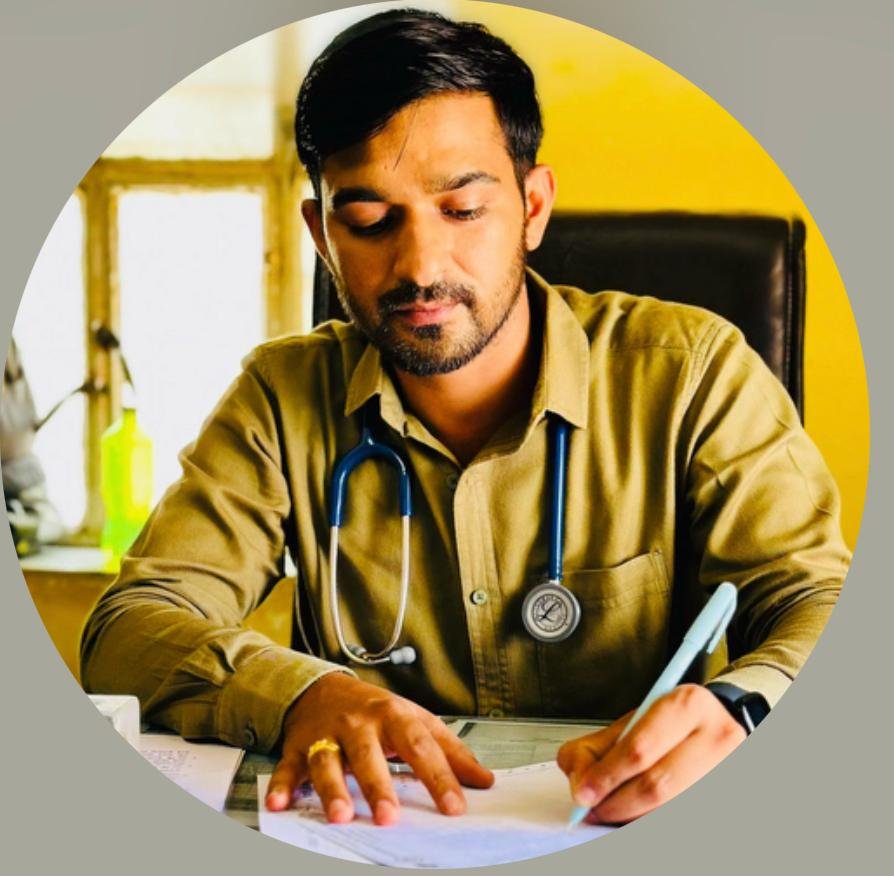
Dr. Anil Kumar
Dr. Anil Kumar has 7 years of clinical experience in patient care and home healthcare management. He oversees clinical protocols and treatment quality at AtHomeCare, ensuring that all physiotherapy and nursing services meet evidence-based medical standards. His expertise includes post-surgical rehabilitation, stroke recovery management, and elderly care coordination.
Medical Review Certification
| Doctor Name | Dr. Anil Kumar |
| Qualification | MBBS |
| Speciality | General Medicine |
| Registration Number | RMC-79836 |
| Years of Experience | 7 |
| Review Date | June 20, 2025 |
Book a Home Physiotherapy Assessment in Mohali
A qualified physiotherapist will visit your home, assess the patient, and create a personalized recovery plan. No travel needed. No waiting in hospital queues.