Wound Care at Home in Kolkata: Dressing, Diabetic Wounds & Pressure Ulcer Prevention
Professional wound care at home in Kolkata provides specialized dressing support, diabetic ulcer management, and pressure sore prevention, ensuring safe healing and infection control under expert nursing supervision.
Table of Contents
Understanding Wound Care at Home
Managing a wound at home requires clinical expertise, especially for patients with diabetes, limited mobility, or post-surgical incisions. AtHomeCare provides specialized wound care nursing services in Kolkata, bringing hospital-grade sterile techniques directly to your residence. Our home nurse for wound dressing in Kolkata is trained to handle complex wounds, ensuring that healing progresses smoothly without the risk of hospital-acquired infections.
Why Choose Home-Based Wound Care?
For many patients, traveling to a hospital or clinic for a simple dressing change is physically exhausting and increases the risk of infection. This is particularly true for bedridden patient wound care in Kolkata, where transporting the patient is not feasible. Home care allows for timely intervention in a controlled environment. Furthermore, our nurses can simultaneously assess the patient’s overall health, coordinate with physiotherapy if mobility is an issue, and provide comprehensive patient care services.
| Feature | Hospital/Clinic Dressing | AtHomeCare Dressing |
|---|---|---|
| Environment | High risk of cross-infection | Controlled, familiar home environment |
| Travel | Required, stressful for bedridden patients | Zero travel; nurse visits you |
| Wait Time | Long queues and appointments | Scheduled, dedicated time slots |
| Continuity | Different nurses may attend | Dedicated nurse for continuous monitoring |
Types of Wounds We Treat
Our wound dressing nurse at home in Kolkata handles a wide spectrum of wound etiologies:
- Diabetic Wound Care: Diabetic foot ulcers are prone to infection and poor healing due to compromised blood flow. We use specialized antimicrobial dressings and offloading techniques.
- Pressure Ulcer Care (Bedsores): For stage I to IV pressure injuries, we provide wound debridement, packing of cavities, and barrier creams to protect surrounding skin.
- Post-Surgical Wounds: Care for incisions, drain sites, and surgical dehiscence, ensuring sutures or staples remain intact and free from infection.
- Chronic Wounds: Management of venous stasis ulcers and arterial ulcers requiring compression therapy and exudate management.
AtHomeCare Operational Workflow
Safety and quality are the cornerstones of our service. We do not simply send a nurse; we deploy a clinically governed system.
Recruitment & Screening
Our wound care nurses are GNMs or BSc Nursing graduates with critical care experience. They undergo rigorous background checks, police verification, and credential validation. Before deployment, they receive specialized training in advanced wound management protocols.
Infection Prevention & Equipment Logistics
Strict aseptic techniques are non-negotiable. Nurses carry standardized sterile kits. We coordinate logistics for any medical equipment needed, such as air mattresses for pressure ulcer prevention or Home ICU setups for critical patients. Our integrated pharmacy ensures timely delivery of specialized dressings (alginates, hydrocolloids, silver-impregnated dressings).
Supervision & Emergency Escalation
All wound cases are documented photographically (with consent) for clinical progression tracking. Senior nursing supervisors review complex cases. If a wound shows signs of systemic infection, we have a rapid emergency escalation protocol to coordinate a Doctor Home Visit or hospital transfer.
Wound Assessment & Dressing Process
Every wound dressing at home in Kolkata follows a standardized clinical pathway to ensure consistency and safety.
Pressure Ulcer (Bedsore) Prevention Checklist
Prevention is always better than cure. For patients requiring bedsore care at home in Kolkata, our team focuses heavily on prevention protocols. Family members can also follow this checklist:
- Reposition the patient every 2 hours (or more frequently if redness occurs).
- Use an alternating pressure air mattress for redistribution.
- Keep the skin clean and completely dry after bathing or incontinence.
- Apply barrier creams (zinc oxide) to protect against moisture.
- Ensure adequate protein and vitamin intake to promote skin integrity.
- Check pressure points daily: heels, sacrum, elbows, and hips.
- Avoid dragging the patient during transfers to prevent shear injuries.
Warning Signs & Emergency Escalation
- Increased pain, swelling, or warmth around the wound.
- Red streaks extending from the wound site.
- Foul-smelling, thick yellow or green discharge (pus).
- Fever, chills, or confusion (signs of sepsis).
- Rapid discoloration or blackening of wound edges (necrosis).
Home healthcare complements, but does not replace, emergency medical services. Call 1066 or your nearest hospital immediately for systemic infections.
Wound Healing Timeline
The wound swells slightly, and the body clears debris. Dressings focus on protection and absorbing mild exudate.
New tissue (granulation) forms. The wound shrinks. Moisture-retentive dressings are used to promote cell migration.
Collagen reorganizes, and scar tissue strengthens. For chronic wounds, this phase is delayed and requires continuous offloading and nutritional support.
Frequently Asked Questions
What is wound care at home?
Can I get a nurse for wound dressing at home in Kolkata?
How often should a wound dressing be changed?
What is included in your wound care service?
How do you treat diabetic wounds at home?
Can bedsores (pressure ulcers) be treated at home?
Do you bring the dressing materials?
What are the signs of a wound infection?
Is home wound care safe for post-surgical wounds?
How long does it take for a bedsore to heal?
Can you manage heavily bleeding wounds?
How do you prevent pressure ulcers in bedridden patients?
Do you provide negative pressure wound therapy (NPWT) at home?
Can a family member learn to dress the wound?
What is the difference between wound care and home nursing?
What should I do if the wound smells bad?
Do you coordinate with our primary doctor?
What areas of Kolkata do you cover?
Can you handle wound care for patients with a tracheostomy or feeding tube?
How do I book a wound care nurse?
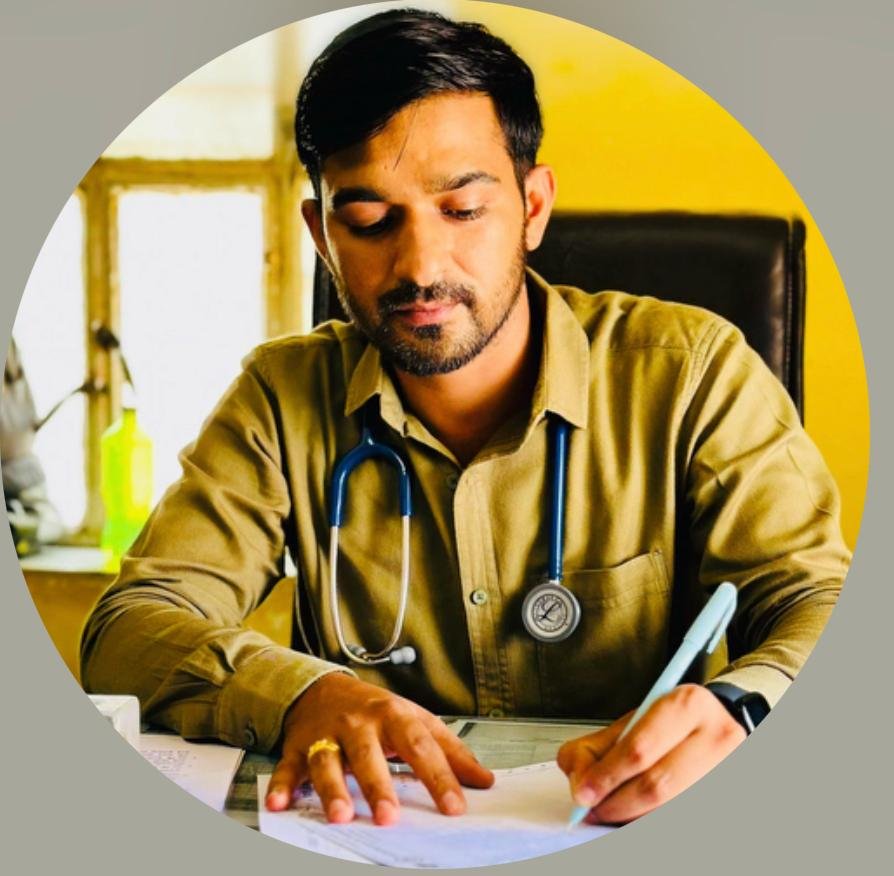
Medically Reviewed by Dr. Anil Kumar
Qualification: MBBS, MD (Internal Medicine)
Speciality: General Medicine & Critical Care
Registration No.: RMC-79836
Experience: 7 Years
“Proper wound care is critical to preventing sepsis and amputations, especially in diabetic and bedridden patients. Home-based sterile dressing not only accelerates healing but shields vulnerable patients from hospital-acquired infections.”
Need Professional Wound Care at Home?
Contact our care team today to schedule a sterile wound dressing visit in Kolkata.
Call 9910823218