What Defines Truly Professional Home Healthcare? A Practical Guide for Families Choosing Care in Kolkata
Choosing professional home healthcare in Kolkata for a loved one is a critical medical decision, not just a convenience. This guide breaks down the exact clinical indicators and operational standards that separate qualified nursing providers from untrained attendants, ensuring safe recovery at home.
Why “Professional” Home Healthcare is a Medical Necessity
Professional home healthcare is a clinically supervised service where qualified nurses deliver medical care—such as wound management, injections, and vital monitoring—in a home setting. Unlike basic attendant care, it requires rigorous patient assessment, personalized clinical pathways, and emergency readiness to prevent hospital readmissions.
When a family member is discharged after surgery, a stroke, or ICU care, the clinical risks do not end at the hospital gate. In Kolkata, families often mistake hiring a caregiver or attendant for hiring a nurse. This gap can lead to undetected complications, infections, or delayed emergency responses. Understanding what defines quality home care in Kolkata is the first step toward ensuring your loved one recovers safely.
1. Comprehensive Patient Assessment
A professional home healthcare provider always begins with a comprehensive clinical assessment, not just a booking form. This assessment evaluates the patient’s physical status, medical history, cognitive function, and home infrastructure to determine the exact level of skilled nursing required.
Without a baseline assessment, it is impossible to create a safe care plan. For example, a post-stroke patient needs evaluation of swallowing ability (to prevent aspiration pneumonia), while a post-surgical patient needs wound evaluation.
💡 What You Should See
A qualified nurse or clinical coordinator visiting your Kolkata home before or on day one to document vitals, check medical equipment, and review discharge summaries.
2. Personalized Care Plans
Personalized care plans translate hospital discharge summaries into daily, actionable nursing protocols. They detail medication schedules, wound dressing frequencies, physiotherapy goals, and diet, ensuring every shift follows a unified clinical pathway rather than ad-hoc decisions.
Generic care plans fail because no two patients are alike. A diabetic patient requiring foot ulcer care has vastly different needs than a cardiac patient needing fluid balance monitoring. Professional home nursing services in Kolkata will provide you a written care plan.
3. Qualified and Background-Verified Staff
Truly professional home healthcare relies on qualified, credentialed, and background-verified staff. This means nurses with valid GNM/BSc degrees and attendants with verified identities and police clearances. Hiring unverified staff poses severe safety and medical risks to vulnerable patients.
In an unregulated market, anyone can claim to be a “nurse.” AtHomeCare ensures every caregiver in Kolkata deployed to your home has undergone rigorous clinical skill assessment and background verification.
⚠️ Warning
Never accept a nurse or attendant without verifying their ID, nursing council registration, and police verification certificate. Unverified staff are a medical and security liability.
4. Clinical Supervision & Shift Handovers
Professional home healthcare requires active clinical supervision and structured shift handovers. This ensures that senior nursing staff oversee junior nurses, and critical patient information—like vital sign trends or wound status—is seamlessly transferred between shifts without data loss.
Without supervision, a nurse might miss subtle signs of deterioration. AtHomeCare implements strict shift handover protocols and periodic clinical supervisory visits to ensure patient care services in Kolkata meet hospital-grade standards.
5. Emergency Response Readiness
Emergency response readiness means having a clinical escalation protocol in place before a crisis happens. Professional providers equip nurses with emergency guidelines, direct lines to senior doctors, and oxygen/ambulance coordination to manage sudden patient deterioration instantly.
If a post-ICU patient’s oxygen drops at 2 AM, a lone attendant will not know what to do. A professional home healthcare company in Kolkata trains its nurses in BLS (Basic Life Support) and has a 24/7 control room for emergency escalation. Read about emergency warning signs here.
🚨 Emergency Note
Always ask your provider: “If my parent’s vitals crash at 3 AM, what exactly will the nurse do in the first 5 minutes?” If they don’t have a structured answer, they are not a professional provider.
6. Transparent Communication & Documentation
Transparent communication and rigorous documentation keep families and physicians clinically aligned. Professional providers maintain daily vital charts, nursing notes, and progress reports, sharing them transparently with the family so they are always aware of the recovery trajectory.
For NRIs arranging nursing care at home in Kolkata for their parents, digital daily updates and verified photographic documentation of wound healing or medication administration are non-negotiable for peace of mind.
7. Infection Prevention Practices
Infection prevention practices are critical in home settings to avoid cross-contamination. Professional agencies enforce strict hand hygiene, sterilization of medical equipment, safe biomedical waste disposal, and mask/glove protocols, protecting vulnerable patients from hospital-acquired infections.
A nurse performing a tracheostomy suction or catheter care without strict aseptic technique can introduce deadly infections. Professional providers mandate infection control training.
8. Ethical Caregiving Standards
Ethical caregiving standards ensure that patient dignity, privacy, and informed consent are never compromised. Professional nurses are trained to respect cultural sensitivities, maintain patient confidentiality, and involve families in care decisions, rather than treating the patient as a task list.
This is especially crucial in palliative and end-of-life care, where comfort and dignity are the primary clinical goals.
9. Multidisciplinary Coordination
Multidisciplinary coordination integrates home nursing with physiotherapy, pharmacy, and physician visits. A professional provider coordinates these services seamlessly, ensuring the patient receives holistic care without the family having to manage multiple vendors, prescriptions, and schedules.
AtHomeCare coordinates physiotherapy, pharmacy deliveries, and doctor visits, creating a complete circle of care for patients in Kolkata.
Professional Home Nursing vs. Untrained Attendants
Families in Kolkata often hire untrained attendants due to lower costs, unaware of the clinical dangers. Here is a practical comparison to help you make an informed choice.
| Clinical Parameter | Professional Home Nurse | Untrained Attendant |
|---|---|---|
| Wound Dressing | Aseptic, sterile tools, documented | Often unsterile, high infection risk |
| Medication | Exact dosage, time, interaction checks | Risk of overdoses or missed doses |
| Vitals Monitoring | Graphed, analyzed for trends | May not know normal ranges |
| Emergency Response | BLS trained, escalation protocol | Panics, delays in calling doctor |
| Catheter/Tube Care | Sterile maintenance, block prevention | High risk of UTI or blockage |
AtHomeCare’s Operational Workflow: How We Ensure Quality
Transparency is central to our operations. When you choose AtHomeCare for home healthcare services in Kolkata, here is the exact workflow we follow to ensure clinical safety:
- Recruitment & Screening: We hire only GNM/BSc qualified nurses. Every credential is verified with the nursing council.
- Caregiver Verification: Police verification, address proof, and identity checks are mandatory before deployment.
- Training: Nurses undergo refresher training in infection control, BLS, and specific protocols like tracheostomy care and injection administration.
- Care Plan Creation: A clinical coordinator creates a personalized care plan based on the hospital discharge summary.
- Supervision & Quality Monitoring: Senior nurses conduct periodic home visits to audit care quality and charting accuracy.
- Shift Handovers: Bedside handovers ensure no clinical data is lost between nursing shifts.
- Emergency Escalation: 24/7 clinical hotline and pre-defined hospital escalation routes.
- Equipment & Pharmacy Logistics: We coordinate medical equipment rentals and pharmacy refills so you don’t have to.
Decision Tree: Do You Need Professional Home Healthcare?
If you are unsure whether your loved one needs a professional nurse or a basic attendant, answer these questions:
- Does the patient have an open wound, surgical drain, or incision?
- Do they require IV antibiotics, insulin injections, or pain patches?
- Do they have a catheter, Ryles tube, or tracheostomy?
- Are they at risk of sudden deterioration (e.g., recent ICU discharge, severe heart failure)?
- Do they need strict monitoring of vitals (BP, SpO2, sugar) multiple times a day?
If you answered YES to any of the above, you need professional home healthcare, not a general attendant.
Frequently Asked Questions
How do I verify if a home nurse in Kolkata is professionally qualified?
Ask the provider for the nurse’s ANM/GNM/BSc Nursing certificate, nursing council registration number, and police verification report. A professional agency will readily share these credentials.
Is home healthcare safe for post-ICU patients in Kolkata?
Yes, provided the agency supplies ICU-trained nurses, multipara monitors, and has an emergency escalation protocol. Untrained attendants are highly unsafe for post-ICU patients.
What is the difference between a caregiver and a home nurse?
A caregiver (attendant) assists with daily activities like bathing, feeding, and mobility. A home nurse is clinically trained to manage wounds, injections, catheters, and vital sign monitoring.
Can home nurses administer IV injections and drips?
Yes, qualified home nurses are trained to administer IV medications, IM injections, and manage IV drips under the supervision of a physician’s prescription.
How are emergencies handled by home healthcare providers?
Professional providers equip nurses with BLS training and emergency drugs. They have a 24/7 control room to coordinate ambulance services and immediate hospital admission.
What does a personalized care plan include?
It includes medication schedules, vitals monitoring frequency, wound care protocols, diet instructions, and physiotherapy goals, all derived from the doctor’s prescription.
How do you prevent infections during home nursing care?
By enforcing strict hand hygiene, using sterile gloves and dressings, sanitizing equipment, and safely disposing of biomedical waste in designated bags.
Can I hire a nurse for just 12 hours a day?
Yes, professional agencies offer both 12-hour and 24-hour shift options. However, high-risk patients (e.g., bedridden with catheters) usually require 24-hour monitoring.
How does shift handover work in home nursing?
The outgoing nurse briefs the incoming nurse at the bedside, transferring vital sign charts, medication given, and any clinical changes, ensuring continuity of care.
Do home nurses help with physiotherapy exercises?
Nurses can assist with basic range-of-motion exercises prescribed by a physiotherapist. For specialized rehab, a separate physiotherapist is coordinated.
What if the nurse goes on leave? Will there be a gap in care?
Professional agencies maintain a backup roster. A replacement nurse is deployed before the current nurse proceeds on leave, with a proper handover.
Is it better to hire independently or through an agency?
Hiring through an agency ensures background verification, clinical supervision, replacement guarantees, and emergency support, which independent hires cannot provide.
How are daily updates provided to NRIs?
Professional providers send digital updates via WhatsApp or apps, including vital signs, medication logs, and photos/short videos of wound healing or patient status.
Can home nurses manage tracheostomy patients?
Yes, ICU-trained nurses can manage tracheostomy suction, inner cannula cleaning, and stoma care, preventing fatal blockages and infections.
What is the cost of professional home healthcare in Kolkata?
Costs vary based on the nurse’s qualification (GNM vs BSc), shift duration (12h vs 24h), and patient condition. Contact us for a transparent, customized quote.
Do nurses manage urinary catheters and Ryles tubes?
Yes, trained nurses handle Foley catheterization, Ryles tube feeding, PEG tube care, and colostomy bag management with strict aseptic protocols.
How quickly can a nurse be deployed after hospital discharge?
AtHomeCare can deploy a verified nurse within 2-4 hours of confirmation, ensuring seamless transition from hospital to home.
Will the nurse coordinate with my existing doctor?
Absolutely. A core duty of a professional home nurse is to follow the treating physician’s orders and report any clinical changes directly to them.
What safety checks should I do on day one?
Ask for the nurse’s ID card, check their uniform and hygiene kit (gloves, sanitizer, pulse oximeter), and ensure they have reviewed the discharge summary.
Does insurance cover professional home healthcare?
Some health insurance policies cover home nursing if it reduces hospital stay. You must check with your provider. AtHomeCare provides invoices for insurance claims.
Author & Medical Reviewer
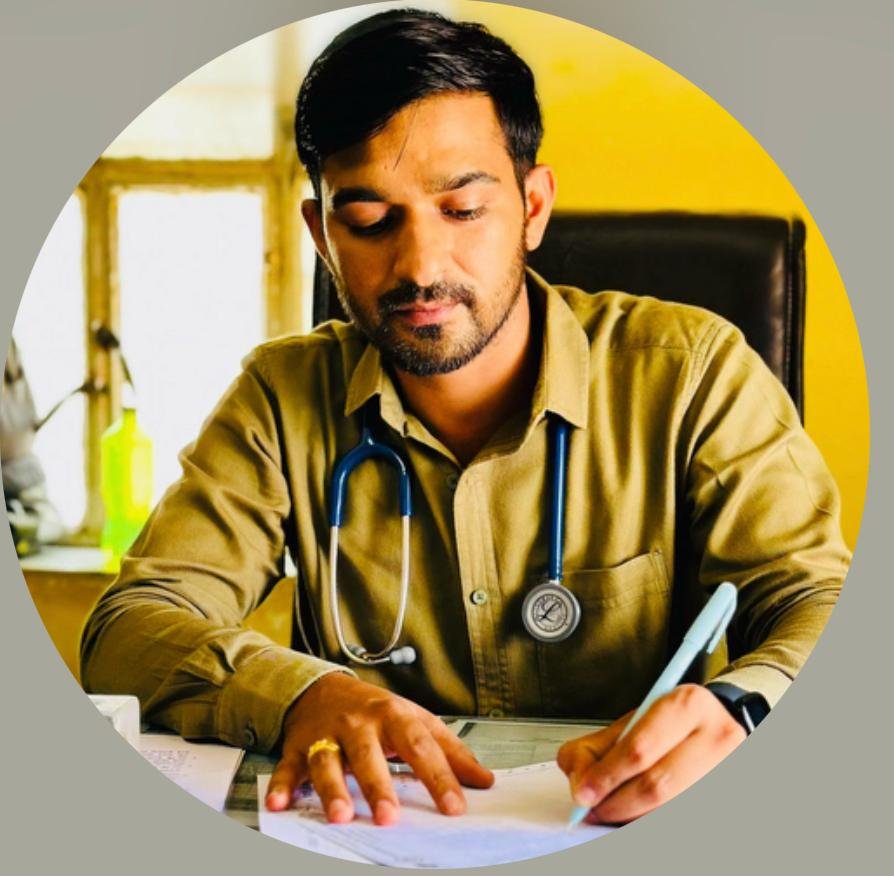
Dr. Anil Kumar
MBBS | General Medicine
Registration No: RMC-79836
Experience: 7 Years
Dr. Kumar oversees clinical protocols, nursing training, and quality supervision at AtHomeCare. His expertise ensures that all home healthcare guides meet stringent medical and ethical standards for patient safety.