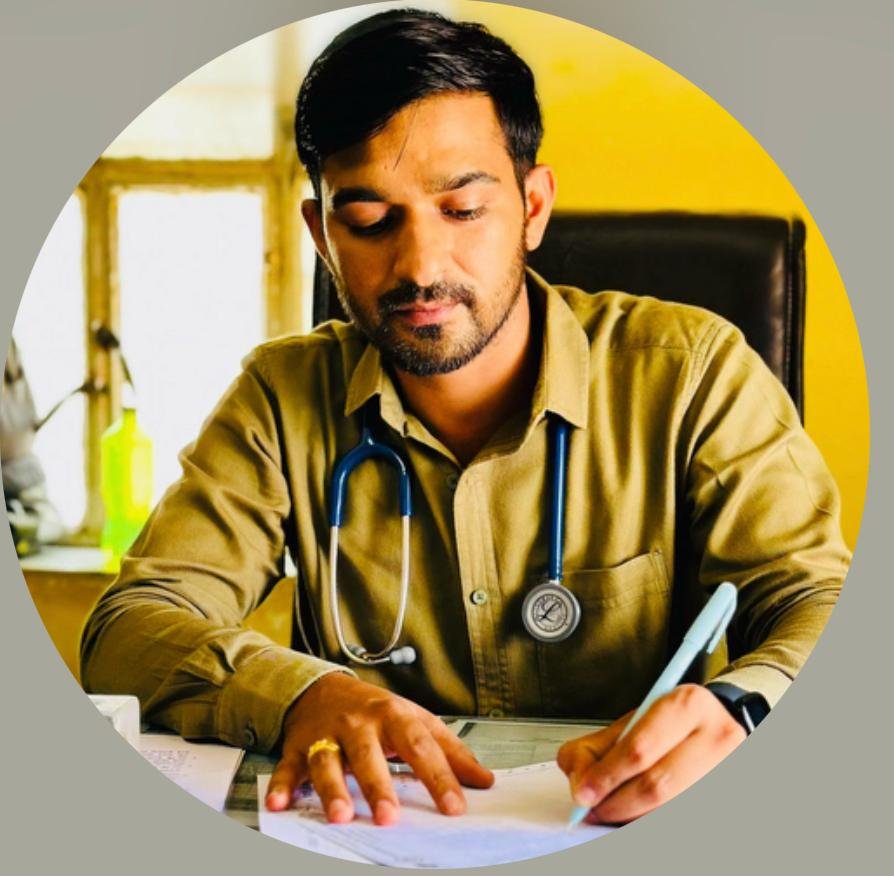
In my years of practice across Delhi's hospitals and homes, I've observed how patients requiring assisted feeding face unique challenges in our city. When a patient needs assistance with nutrition due to medical conditions, the situation becomes particularly complex in Delhi's environment. The combination of pollution, population density, and healthcare infrastructure limitations creates specific hurdles that families and patients navigate daily.
The Delhi Context: Environmental Factors
Delhi's air quality directly impacts patients with feeding difficulties. The high particulate matter in our air aggravates respiratory conditions, which in turn affects swallowing mechanics. Patients with existing neurological conditions or post-stroke complications experience exacerbated symptoms during pollution spikes. I've seen cases where patients who were managing with minimal assistance suddenly require full feeding support during high AQI days.
Temperature extremes in Delhi also play a role. During summer months, dehydration becomes a significant concern for patients with limited mobility or impaired swallowing reflexes. The winter season brings its own challenges with increased respiratory infections that can complicate feeding regimens.
Research indicates that elderly patients in high-pollution cities like Delhi have a 23% higher risk of developing dysphagia (swallowing difficulties) compared to those in cleaner environments. This correlation becomes critical when planning nutritional support.
Urban Healthcare Challenges in Delhi
Delhi's healthcare system operates under tremendous pressure. OPD visits in major government hospitals often involve waiting for hours, which is particularly challenging for patients with feeding needs. The travel time itself—what should be a 30-minute journey often extends to 2 hours due to traffic—can exhaust patients before they even receive consultation.
Once patients leave the hospital, visibility becomes limited. As doctors, we lose critical daily data about nutritional intake, hydration status, and complication development. In Delhi's nuclear family structure, where working caregivers juggle professional responsibilities with patient care, important details often get missed or miscommunicated during brief hospital visits.
The Communication Gap
In my practice, I've identified a recurring pattern in Delhi homes. Attendants without medical training provide daily care but lack the clinical knowledge to recognize early warning signs. Family members, though well-intentioned, often act as unsafe decision filters—either downplaying symptoms or overreacting to normal variations.
For a patient on assisted feeding, this communication breakdown can be dangerous. Subtle changes in swallowing ability, minor aspiration events, or gradual weight loss may go unnoticed until they become serious complications requiring hospitalization.
Understanding Assisted Feeding
Assisted feeding encompasses various levels of support, from simple mealtime assistance to complex feeding tube management. The appropriate approach depends on the patient's specific medical condition, which may include:
- Neurological conditions like stroke or Parkinson's disease
- Post-surgical recovery periods
- Advanced dementia or cognitive decline
- Terminal illness requiring palliative nutrition
- Severe physical disabilities
Each condition requires different monitoring parameters and intervention strategies. What works for a post-stroke patient in South Delhi might not be suitable for an elderly person with COPD in North Delhi, even if both need feeding assistance.
A Typical Delhi Scenario
Consider Mr. Sharma, a 72-year-old stroke survivor living in Janakpuri. His son works in Gurgaon and leaves home at 8 AM, returning after 8 PM. An attendant provides basic care but has limited medical knowledge. Mr. Sharma requires thickened liquids and pureed foods, but the attendant doesn't recognize when his swallowing ability changes.
After two weeks of minor coughing during meals (an early sign of aspiration), Mr. Sharma develops pneumonia. The family rushes him to a hospital in Punjabi Bagh, where he spends seven days receiving treatment. This cycle repeats every few months, each time further weakening his condition.
This scenario plays out in countless Delhi homes. The problem isn't lack of care—it's lack of coordinated, medically-informed care that bridges the gap between hospital visits.
The Integrated Care Solution
What patients like Mr. Sharma need is an integrated approach where different healthcare professionals work together. In an ideal system:
- Nurses and attendants act as clinical eyes at home, providing daily data to doctors
- Doctors receive regular updates to adjust treatment plans proactively
- Nutritionists create customized meal plans considering Delhi's seasonal availability
- Physiotherapists address swallowing mechanics through targeted exercises
This coordinated approach reduces emergency escalations and hospital readmissions. When all care components work together under medical supervision, patients receive appropriate nutrition without the constant cycle of crises.
How Home Nursing Changes Outcomes
Professional home nursing services specifically address the gaps in Delhi's fragmented care system. A trained nurse can:
- Assess swallowing safety before each meal
- Monitor for early signs of complications
- Adjust feeding techniques based on daily condition changes
- Educate family members on proper positioning during feeding
- Coordinate with doctors for timely interventions
For patients requiring more specialized care, services like patient care services provide comprehensive support that goes beyond basic feeding assistance.
Special Considerations for Delhi Patients
Delhi's environment creates specific factors that must be considered in feeding plans:
- During high pollution days, patients may need increased fluid intake to help clear respiratory secretions
- Water quality varies across Delhi, so purified water is essential for patients with compromised immunity
- Seasonal food availability impacts nutrition plans—what's nutritious and easily available in winter differs from summer options
- Power cuts during summer can affect refrigeration of special foods, requiring planning for alternative storage
These local factors highlight why generic feeding protocols often fail in Delhi. Each patient needs a personalized approach that considers their medical condition, home environment, and the specific challenges of their locality.
The Role of Technology
Modern home care incorporates technology to bridge communication gaps. Digital monitoring tools allow doctors to track patient progress between visits. Video consultations reduce the need for stressful travel while maintaining medical oversight.
For families managing care from a distance, these technologies provide reassurance and involvement in the care process. They also create a data trail that helps all healthcare providers make informed decisions based on comprehensive information rather than fragmented snapshots.
Looking Forward
As Delhi's population ages and healthcare infrastructure continues to face pressure, home-based care will become increasingly important. Patients with feeding needs particularly benefit from consistent, professional care in their familiar environment.
The most successful cases I've seen involve families who recognize their limitations and seek appropriate professional support. They understand that caring for a patient with feeding needs requires more than good intentions—it requires medical knowledge, consistent monitoring, and coordinated care.
Patients with proper home-based feeding support have 40% fewer hospital readmissions and show better nutritional outcomes compared to those receiving only intermittent OPD care.
For Delhi families navigating the complex journey of caring for a loved one who needs assisted feeding, the key is finding the right balance between family involvement and professional medical support.