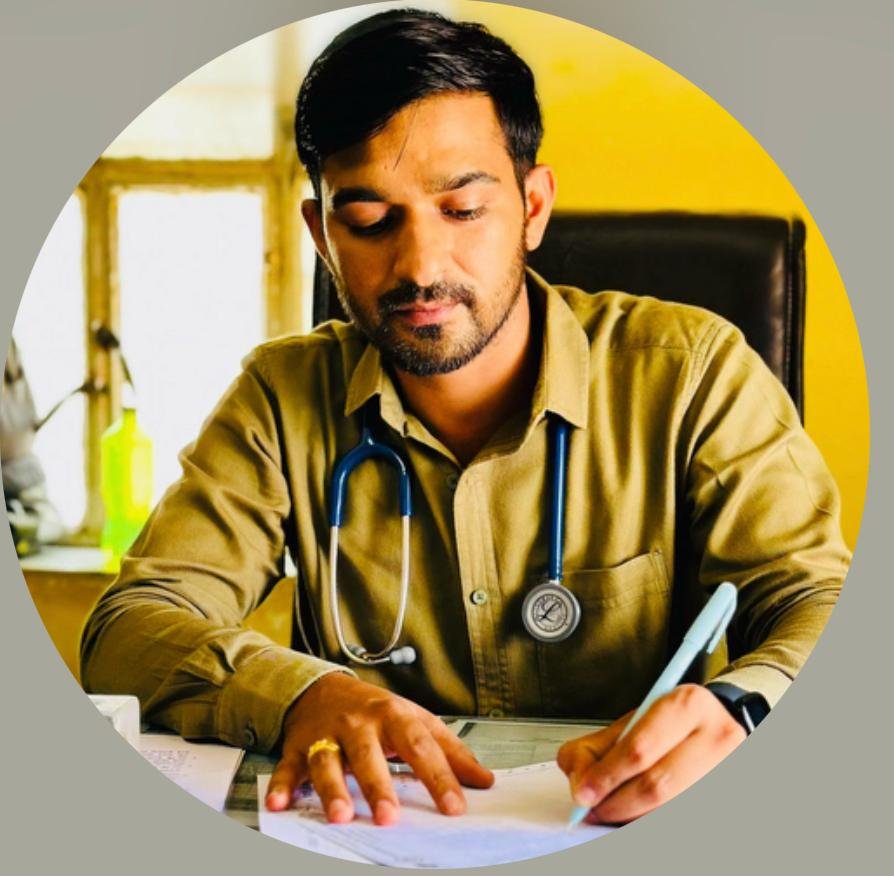
Managing a bedridden patient needing hydration monitoring presents unique clinical challenges. In Delhi, these challenges are magnified by our city's environment and healthcare landscape. A patient who cannot move or communicate thirst relies entirely on others for fluid intake. When this support fails, the consequences can be severe and escalate quickly in our context.
Why Hydration is a Critical Issue in Delhi
Dehydration is not just about not drinking enough water. For a bedridden patient, it is a complex medical problem. Delhi's extreme summers create a baseline risk. A room in a Rohini or Mayur Vihar apartment can get very hot, even with air conditioning. This increases insensible fluid loss through sweat.
Then there is pollution. High AQI levels in Delhi force patients with respiratory or cardiac conditions to work harder to breathe. This increased respiratory effort also leads to greater fluid loss. A patient with COPD living in Anand Vihar or a heart failure patient in Karol Bagh is at a much higher risk of dehydration than the same patient in a cleaner environment.
Clinical studies show that elderly patients in high-pollution zones have a 15-20% higher rate of uncontrolled fluid loss, making daily monitoring a medical necessity, not just a precaution.
The Gap Between Hospital and Home
When I discharge a bedridden patient from a hospital in Delhi, I know my visibility into their condition drops significantly. The OPD follow-up in three or four weeks is too long. In that time, a lot can go wrong at home.
Delhi's traffic makes travel difficult. A son working in Gurgaon cannot easily take a day off to bring his mother to a hospital in South Delhi for a minor concern. The family waits. They hope for the best. This delay in seeking help is a major reason why small problems become big emergencies.
The Role of the Attendant
Most families in Delhi hire attendants. These attendants are good at tasks. They can turn the patient, help with bathing, and offer water. But they are not clinicians. They do not know the early signs of dehydration.
They might not notice that the patient's urine output has decreased. They may not recognize subtle changes in skin turgor or mental status. They see the patient is sleepy and assume it is normal, not understanding it could be early-stage hypovolemia. The attendant provides care but without the clinical eyes to interpret what they see.
The Medical Mechanism of Dehydration
In a bedridden patient, the normal thirst mechanism is often blunted or absent. They cannot ask for water. Fluid intake is entirely dependent on the caregiver's schedule and understanding.
As dehydration begins, the body tries to compensate. The heart rate may increase slightly. The kidneys produce less urine, which becomes darker and more concentrated. If this continues, blood pressure can drop. The patient may become confused, lethargic, or disoriented. Family members might mistake these signs for dementia or just a "bad day."
In severe cases, dehydration can lead to acute kidney injury. This is a common reason for emergency hospital admissions among the elderly in Delhi, especially during the summer months. An admission that could have been prevented with proper monitoring.
A Real Delhi Home Scenario
Consider an 80-year-old woman recovering from a hip fracture, living in a third-floor walk-up in Lajpat Nagar. Her son works in Noida. Her daughter-in-law manages the home and children. They have an attendant.
It is June. The power goes out for a few hours in the afternoon. The room gets warm. The patient is already not feeling well and refuses water. The attendant does not insist. By evening, the patient is very sleepy and not responding well. The family gets worried. They decide to take her to the hospital in Lajpat Nagar. The journey is stressful. At the hospital, the diagnosis is severe dehydration with acute kidney injury. She needs admission and IV fluids. This entire situation was preventable.
How Integrated Home Care Addresses This
The solution is not just more water. It is a system of clinical oversight. An integrated home care model creates a bridge between the hospital and the home.
A trained nurse visiting the patient every few days can perform simple checks. They can check skin turgor, look at mucous membranes, and monitor urine output and color. They can take vital signs like blood pressure and heart rate. These are simple things, but they provide data.
This data is then shared with a doctor. The doctor does not need to be physically there. But by seeing this data regularly, they can spot trends. They can see that intake has been low for two days and intervene before the patient becomes critically dehydrated. They can adjust the fluid plan or prescribe medications to prevent complications.
Monitoring a bedridden patient needing hydration monitoring
For a bedridden patient needing hydration monitoring, the goal is to prevent emergencies. This requires a daily routine. The attendant should be trained to offer fluids every two hours, not just at meal times. Fluids should include water, but also lemonade, buttermilk, or ORS, especially in the summer.
A simple fluid chart can be kept at home. How much was offered? How much was consumed? What was the urine output? This chart is invaluable for the nurse and the doctor. It turns guesswork into data. Home nursing services can set up these systems and train the family and attendant.
For patients with specific conditions like heart failure, monitoring is even more critical. Too much fluid can be as dangerous as too little. This is where a doctor's oversight is essential. A nurse cannot make this decision alone. This coordinated approach is what prevents the cycle of hospitalization.
Preventive Monitoring Reduces Burden
Delhi's hospitals are overloaded. Many admissions are for problems that could have been managed at home. Dehydration is a classic example. By having a system of preventive monitoring in place, we reduce the burden on the entire healthcare system.
A patient who is stable at home does not need an ambulance. They do not need an emergency room bed. They do not need a hospital admission. This is better for the patient, who avoids the stress and infection risk of a hospital stay. It is better for the family, who avoids a crisis. And it is better for the city, whose healthcare resources can be used for those who truly need emergency care.
For a bedridden patient, consistent, informed care is not a luxury. It is the foundation of their stability and well-being. In a city as complex as Delhi, leaving this to chance is a risk we cannot afford to take.