Complete Guide to Home Healthcare for Cancer Patients in Amritsar
Navigating cancer care is challenging. This comprehensive guide explains how professional home healthcare in Amritsar provides specialized nursing, palliative care, pain management, and emotional support for patients and their families.
Cancer Patient Care at Home in Amritsar
A cancer diagnosis affects every aspect of a patient’s and family’s life. As treatments progress, the need for a safe, comfortable environment becomes paramount. Home healthcare bridges the gap between hospital treatments and daily life, allowing patients to recover surrounded by their loved ones.
Professional home nursing services in Amritsar ensure that complex medical needs, such as medication administration, wound care, and symptom management, are handled by trained professionals. This not only improves the patient’s quality of life but also prevents costly and exhausting hospital readmissions.
AtHomeCare Operational Workflow & Screening
Cancer patients often have compromised immune systems and require highly sterile, clinically precise care. We do not just deploy caregivers; we deploy a clinically supervised ecosystem.
1. Recruitment & Caregiver Verification
All nurses and patient care takers undergo strict background checks, police verification, and license validation. We verify the credentials of every Registered Nurse (RN) and General Nursing and Midwifery (GNM) graduate against the state nursing council.
2. Specialized Training & Infection Prevention
Staff undergo specialized orientation in oncology care protocols, including neutropenic precautions, central line management, and safe handling of bodily fluids post-chemotherapy. Strict hand hygiene and PPE usage are mandatory.
3. Shift Handovers & Quality Monitoring
For 24/7 care, shift handovers are documented in a structured nursing log. The incoming nurse is briefed on vitals, pain scores, medication given, and any adverse symptoms. Clinical supervisors conduct random audits to ensure compliance with the oncologist’s care plan.
4. Logistics & Emergency Escalation
Our integrated pharmacy ensures authentic medications are delivered on time. In case of medical emergencies, such as sudden high fever or severe pain crisis, nurses are trained to stabilize the patient and coordinate immediate transfer to the nearest network hospital.
Specialized Cancer Nursing Services
Cancer treatments like surgery, chemotherapy, and radiation leave patients physically vulnerable. Our home nurses are trained to manage these specific clinical needs safely at home.
Comparison: Hospital vs. Home Nursing Care
| Feature | Hospital Nursing | AtHomeCare Nursing |
|---|---|---|
| Environment | Clinical, high exposure to secondary infections | Familiar home setting, low infection risk |
| Attention | 1 nurse for multiple patients | 1 nurse dedicated to 1 patient |
| Family Access | Restricted visiting hours | 24/7 family presence |
Palliative Care & Pain Management at Home
Pain is one of the most feared complications of cancer. Effective pain management requires clinical precision and continuous monitoring. Unmanaged pain leads to depression, loss of appetite, and delayed healing.
Our palliative care approach includes:
- Administering oral, IV, and epidural pain medications safely.
- Monitoring for side effects like nausea, constipation, or drowsiness.
- Non-pharmacological pain relief (positioning, massage, heat/cold therapy).
- Emotional and psychological support for the patient and family.
For advanced stages, we coordinate with palliative care doctors for home visits to adjust pain management protocols as needed.
Infection Prevention & Neutropenic Care
Neutropenia is a condition where the body has a dangerously low count of white blood cells, making the patient highly susceptible to infections. A simple cold can become life-threatening.
Neutropenic Diet & Safety Checklist
- No raw or undercooked meats, seafood, or eggs.
- Avoid unpasteurized milk and dairy products.
- Wash all fruits and vegetables thoroughly; peel them before eating.
- Ensure all caregivers and visitors wash hands with soap and water or sanitizer before entering the room.
- Avoid fresh flowers or plants in the patient’s room (fungus risk).
Nutrition & Hydration Support
Cancer and its treatments often cause nausea, vomiting, taste changes, and loss of appetite. Malnutrition can force doctors to delay treatments. Our care team, including dietitians and home nurses, ensures the patient receives adequate nutrition.
For patients who cannot eat normally, our nurses expertly manage:
- Ryles Tubes: Nasogastric feeding for patients with swallowing difficulties.
- PEG Tubes: Percutaneous endoscopic gastrostomy feeding for long-term nutritional support.
- IV Hydration: Administering fluids at home to prevent dehydration during severe nausea.
Through our integrated pharmacy support, we ensure prescribed nutritional supplements and IV fluids are delivered directly to your home in Amritsar.
Medical Equipment Logistics & Home ICU
Creating a comfortable and safe environment for a bedridden or critically ill cancer patient requires specific hardware. We provide seamless rental and setup services.
Decision Tree: Care Level & Equipment Needed
Ambulatory Patient (Can Walk): Requires wheelchair for outdoor visits, bathroom grab bars, and basic vitals monitoring.
Bedridden Patient (Cannot Walk): Requires an electric hospital bed (to prevent bedsores), air mattress, bedside commode, and a suction machine.
Critical Patient (End-Stage): Requires a full Home ICU setup including ventilator, cardiac monitor, and oxygen concentrator, managed by critical care nurses.
Caregiver Support & Burnout Prevention
Family members often take on the role of primary caregiver, leading to severe physical and emotional burnout. Professional home healthcare is not just for the patient; it is a support system for the entire family.
Our elderly care and patient care services in Amritsar provide trained General Duty Assistants (GDAs) who handle:
- Bathing, dressing, and toileting assistance.
- Safe transfers from bed to chair to prevent falls.
- Feeding assistance and oral hygiene.
- Companionship and emotional support.
Frequently Asked Questions
1. What does a cancer home care nurse do?
A cancer home care nurse administers medications, manages IV lines and ports, performs wound dressing, monitors vital signs, and assesses symptoms like pain or nausea to ensure the patient remains stable and comfortable.
2. Can chemotherapy be given at home in Amritsar?
Most traditional systemic chemotherapies are administered in a hospital due to the risk of severe infusion reactions. However, targeted therapies, immunotherapy, and supportive IV fluids can often be safely given at home by our specialized nurses.
3. How do you manage severe cancer pain at home?
Our nurses follow the pain management plan prescribed by the oncologist or palliative care doctor. This includes administering oral analgesics, IV painkillers, and monitoring the patient for breakthrough pain, adjusting the timing to keep the patient comfortable.
4. What is neutropenic care at home?
Neutropenic care involves strict infection prevention protocols for patients with low white blood cell counts. It includes hand hygiene, restricting visitors, serving a specific diet, and monitoring for fever to prevent life-threatening infections.
5. Can home nurses manage feeding tubes (PEG/Ryles)?
Yes. Our nurses are fully trained to insert Ryles tubes, administer feed through PEG tubes, flush the tubes to prevent blockages, and monitor the patient for signs of aspiration or intolerance to the feed.
6. How do I arrange for a doctor to visit my cancer patient at home?
You can call us to schedule a doctor visit at home. We coordinate with general physicians or palliative care specialists who can visit the patient in Amritsar to assess their condition and adjust the care plan.
7. What medical equipment is usually needed for cancer patients?
Depending on the condition, patients may need a hospital bed, oxygen concentrator, suction machine, wheelchair, or IV stand. AtHomeCare handles the rental and setup of all necessary medical equipment.
8. How much does cancer home care cost in Amritsar?
The cost depends on the level of clinical care required (basic attendant vs. skilled nursing), shift duration, and medical equipment needed. Please contact our care team for a customized care plan and quote.
9. Do you provide 24-hour shift care for cancer patients?
Yes, we provide 24/7 care through two 12-hour shifts to ensure nurses remain alert. We also offer live-in nursing options for long-term palliative care cases.
10. Can a home nurse handle a sudden medical emergency?
Our nurses are trained in Basic Life Support (BLS). In an emergency, they will stabilize the patient, alert the family, coordinate with our central emergency desk, and arrange for immediate transfer to the nearest hospital.
11. How do you prevent bedsores in bedridden cancer patients?
Bedsores are prevented by repositioning the patient every two hours, using specialized air mattresses, keeping the skin clean and dry, and ensuring adequate nutrition to promote skin integrity.
12. What is the process for shifting a patient from hospital to home in Amritsar?
We review the hospital discharge summary, assess the home environment for safety, deploy the required medical equipment, and assign a qualified nurse or caretaker before the patient arrives home.
13. Do you provide separate attendants for bathing and toileting?
Yes, we provide trained General Duty Assistants (GDAs) who handle Activities of Daily Living (ADLs) like bathing, toileting, and dressing, under the clinical supervision of our nursing staff.
14. How do you ensure the nurses are qualified for cancer care?
All our nurses are verified RNs or GNM graduates. They undergo specific training in oncology care protocols, including infection control, pain management, and central line maintenance.
15. Can you provide home care for terminally ill cancer patients?
Yes. We provide specialized palliative and end-of-life care at home. The focus shifts entirely to comfort, dignity, pain relief, and emotional support for both the patient and the family.
16. How are shift handovers managed for 24/7 care?
Handovers are documented in a nursing logbook. The outgoing nurse briefs the incoming nurse on the patient’s vitals, pain scores, medication schedule, and any specific observations or family requests.
17. Do you offer physiotherapy for cancer patients at home?
Yes. Cancer patients often experience muscle weakness and fatigue. Our physiotherapy at home services include gentle range-of-motion exercises and mobility training to improve strength and reduce fatigue.
18. What areas in Amritsar do you cover?
We cover all major areas in Amritsar, including Ranjit Avenue, Lawrence Road, Mall Mandi, Green Avenue, and surrounding localities.
19. Is a doctor’s prescription required for home nursing?
While basic attendant care does not strictly require a prescription, clinical procedures like IVs, injections, and wound care require a valid prescription from a registered medical practitioner.
20. How do I start cancer home care services with AtHomeCare?
Simply call us or WhatsApp us. Our clinical coordinator will review the patient’s medical records, assess the home environment, and create a customized care plan before deploying staff and equipment.
Medical Review & Author
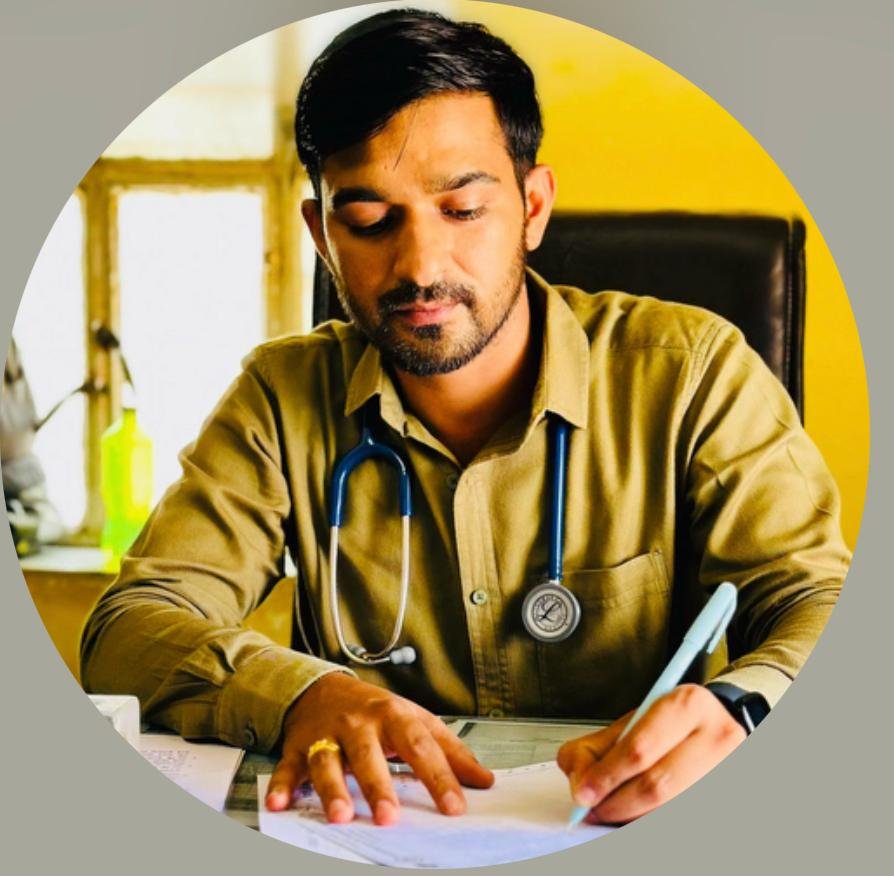
Dr. Anil Kumar
Registration No: RMC-79836
Experience: 7 Years
Medical Reviewer, AtHomeCare. Dr. Kumar ensures that all clinical guidelines regarding oncology nursing, palliative care, and patient safety adhere to the highest standards of evidence-based medical practice.
Doctor Name: Dr. Anil Kumar
Qualification: [Placeholder for Qualification]
Speciality: [Placeholder for Speciality]
Registration Number: RMC-79836
Years of Experience: 7