Managing Recovery After a Blood Transfusion: Follow-Up and Safety Guidance for Amritsar Families
A blood transfusion is often a turning point — the hospital step that brings a loved one back from dangerous weakness. But the days and weeks after discharge are when families have the most questions: Is this tiredness normal? When do we recheck the haemoglobin? Which symptoms need a doctor tonight? This doctor-reviewed guide answers them in plain language for families in Amritsar.
1. Why This Guide Matters for Amritsar Families
Blood transfusions are among the most common hospital procedures in India. In a city like Amritsar, families encounter them for many reasons: a grandmother with long-standing anaemia, a young mother with low haemoglobin after delivery, a worker injured in an accident, a patient with dengue whose platelets have dropped, a person with thalassemia who needs regular transfusions for life, or someone undergoing cancer or kidney treatment.
Inside the hospital, everything is managed — the blood is matched, the drip is watched, and nurses check the patient closely. The moment of discharge is different. A discharge summary is handed over, medicines are listed, instructions are given quickly — and then the family is home. Questions start arriving the same evening: “She still looks pale. Is that okay?” “Papa feels weak — should we wait or go back?” “When is the next blood test?”
This page answers those questions in the order families actually face them. It is written in simple language and medically reviewed, and it always points back to one central rule: your treating doctor’s instructions come first. Nothing here replaces your doctor. Everything here helps you follow your doctor’s advice more confidently.
- Families whose relative has returned home after a transfusion given in an Amritsar hospital or clinic
- Caregivers of elderly patients who received blood during or after an illness
- Parents and spouses of patients who need repeated transfusions (for example, thalassemia)
- Working children arranging care from another city for parents recovering in Amritsar
If you are also preparing a home recovery plan for a parent after a hospital stay, you may find our guide on post-hospital discharge care for senior citizens useful alongside this one.
2. What a Blood Transfusion Is — and Where It Happens
The different parts of blood that may be given
- Red blood cells — the most common transfusion. They carry oxygen. Given when haemoglobin is dangerously low, causing weakness, breathlessness or a fast heartbeat.
- Platelets — tiny cells that help blood clot. Often given in dengue and other conditions when platelet counts fall very low.
- Plasma — the fluid part of blood that carries clotting factors, given in specific bleeding or liver-related conditions.
Why transfusions are given
A transfusion is advised when the body cannot keep up on its own — for example, after major blood loss, in severe anaemia that medicines cannot correct quickly, during cancer treatment, in advanced kidney disease, or in inherited conditions like thalassemia. For general background on anaemia, you can read our guide on the signs and symptoms of anaemia in women, and for bleeding-related disorders, our explainer on what haemophilia is, its causes, symptoms and treatment.
How safe is transfused blood in India?
Blood banking in India follows national standards set under the National Blood Transfusion Council (NBTC). Every unit is tested for infections such as HIV, hepatitis B and C, syphilis and malaria before it is released. Blood group and cross-matching are done before every transfusion, and hospital staff observe the patient closely — especially during the first 15 minutes, when most immediate reactions would appear. This is why transfusions are performed in hospital settings and not at home.
Blood transfusions must only be given in a hospital or licensed clinical setting. If a doctor has advised another transfusion for your loved one, it will be arranged and performed by the hospital. Home care teams support the recovery that follows — they do not perform transfusions or replace hospital monitoring.
3. The First 24–48 Hours at Home: A Family Checklist
Use this checklist on the day your loved one returns home and keep it on the fridge or bedside table for two days. It follows the same structure our care teams use when preparing a home after a hospital discharge — including the routine described in our Amritsar guide to the first 3 days after surgery at home.
- Rest is the main treatment today. A quiet room, easy access to a bathroom, and no household responsibilities for the patient.
- Give medicines exactly as written on the discharge summary — especially iron, folic acid, antibiotics or other prescribed medicines. Never skip or double a dose.
- Encourage fluids — water, soup, milk — unless the doctor has restricted fluids (common in heart or kidney patients). Check the discharge summary first.
- Check the IV needle site (hand or arm) for redness, swelling or pain. A small bruise is normal; spreading redness or swelling is not.
- Keep the transfusion record or slip safe — date, blood group, unit type and hospital name. You will need it at every follow-up.
- Save two numbers on the phone: the treating hospital’s emergency desk, and 108 (ambulance) / 112 (national emergency).
- Have a thermometer at home and note any temperature. If a fever appears, write down the time and reading.
- Serve light, familiar food. Heavy oily meals on day one often cause nausea. See the nutrition section below for what helps rebuild blood.
- Keep the patient company at night. For elderly patients or those with heart or kidney disease, a family member should be reachable overnight.
- Do not plan travel or visitors for the first day or two unless the doctor has said otherwise.
If you want to track the patient’s pulse and blood pressure at home during recovery, our plain-language guide on understanding daily blood pressure and pulse readings explains what the numbers mean and how to record them correctly.
Write one line a day in a notebook: temperature, how the patient feels, medicines given, and anything unusual. This single habit makes every doctor visit faster and more accurate — and it is exactly the daily observation record our home nurses and attendants maintain for families.
4. Normal Recovery vs. Warning Signs: A Simple Comparison
Families often worry about every small sensation after a transfusion. The table below separates the ordinary from the concerning. Print it or save it on your phone.
| What you notice | Usually normal in recovery | Call your doctor the same day | Emergency — call 108 now |
|---|---|---|---|
| Energy and tiredness | Tired for 2–7 days, improving steadily | No improvement after 2 weeks, or tiredness getting worse | Sudden collapse, fainting, unable to stay awake |
| Temperature | No fever | Fever of 100.4°F (38°C) or above, or any fever with chills | Fever with confusion, breathlessness or shaking chills |
| Breathing | Normal breathing | New cough, breathless only on stairs, settling with rest | Breathless at rest, chest pain, blue lips |
| Skin | Small bruise or mild soreness at the needle site | Itching, hives, new rash appearing days later | Swelling of face, lips or tongue; difficulty breathing |
| Urine | Normal colour | Noticeably darker than usual | Red or cola-coloured urine |
| Skin/eye colour | — | Mild yellowish tinge in eyes | Deep jaundice with fever |
| Legs and feet | — | New or increasing ankle swelling | Severe breathlessness together with swelling (possible fluid overload) |
| Mental state | Extra sleep, quiet mood | Unusual drowsiness through the day | Confusion, a fit, fainting |
For a broader reference on spotting danger early in older patients, see our guide on warning signs and emergency response for the elderly.
5. Fatigue After a Blood Transfusion: What Is Normal?
Why tiredness continues even after “new blood”
Many families expect the patient to bounce back within a day of the transfusion. Understanding why tiredness lingers helps everyone stay calm:
- The underlying illness is still healing. A transfusion fixes the blood count, not the infection, surgery, delivery, kidney problem or nutritional gap that caused it.
- Iron and vitamin stores take time. If anaemia developed slowly over months, the body’s reserves are empty. Rebuilding them takes weeks of good food and prescribed supplements.
- The heart and muscles have de-conditioned. Weeks of weakness mean the body needs gentle rebuilding — rest first, then light activity, not a sudden return to full routine.
- Medicines play a part. Some prescribed medicines cause sleepiness; this usually settles as doses stabilise.
Each week is a little better than the last — walking a little further, eating a little more, needing a shorter afternoon nap. Progress is measured in weeks, not days, especially in elderly patients.
When fatigue is a warning sign
Contact your doctor the same day if any of these appear:
- Breathlessness during small efforts — walking to the bathroom, climbing four or five steps.
- Fatigue that is worse than the previous week instead of better.
- No improvement at all after two weeks, or feeling faint on standing.
- Fatigue with fever, dark urine or yellow eyes — see the delayed reaction section below.
Our article on understanding weakness and appetite loss — causes, effects and remedies covers the common reasons recovery strength returns slowly, and what genuinely helps.
6. Symptoms to Report After a Transfusion: Three Levels
Level 1 — Emergency: call 108 (or 112) and inform the hospital
- Breathlessness at rest or getting worse quickly
- Chest pain or pressure
- Confusion, fainting, a fit, or the patient cannot be woken
- Fever with shaking chills (rigors)
- Dark, red or cola-coloured urine
- Yellow eyes together with fever
- Swelling of face, lips or tongue with any breathing difficulty
- No urine passed for 8 hours or more, especially with swelling
After calling the ambulance, also call the hospital where the transfusion was done and tell them a transfused patient is coming in. Carry the transfusion slip and the medicine list.
Level 2 — Call your doctor or hospital the same day
- Fever of 100.4°F (38°C) or above, or any fever with chills
- New rash, itching or hives appearing at home
- Repeated vomiting or inability to keep medicines down
- New or increasing swelling of the ankles or legs
- Mild yellow tinge in the eyes without fever
- Pain, redness or swelling spreading from the old IV site
- Bleeding signs after a platelet transfusion — bleeding gums, nosebleeds, new bruises, black stools (see Section 11)
Level 3 — Note down and mention at the next follow-up
- Mild tiredness that is gradually improving
- A small, non-spreading bruise where the needle was inserted
- One mild headache that settles with rest and hydration
- Sleeping more than usual but waking normally
Decision tree: what to do, step by step
- Fever or chills appear
- Measure the temperature with a thermometer.
- 100.4°F (38°C) or above, or shaking chills → call the doctor/hospital now; go to emergency if the patient is also breathless or confused.
- 99–100°F once → give fluids, recheck in 2–4 hours, and inform the doctor the same day regardless.
- Breathlessness appears
- At rest, at night, or with chest pain → call 108 immediately.
- Only on stairs and settling with rest → call the doctor the same day and reduce activity until reviewed.
- Urine looks dark, red or the eyes look yellow
- Red/cola urine, or jaundice with fever → emergency now; carry the transfusion record.
- Mildly dark urine, patient well otherwise → contact the doctor the same day.
- Rash or itching appears
- Spreading rash with swelling of face or lips, or breathing trouble → 108 now.
- Small itchy patches without other symptoms → inform the doctor today; do not apply unprescribed creams.
- Tiredness continues
- Improving week by week → normal recovery; continue rest, food and medicines.
- Worsening, or no change after 2 weeks → book a review and ask whether the haemoglobin test is due.
Night-time changes deserve special attention, because deterioration at home often begins quietly in the night. Our guide on night-time emergency signs during home recovery explains what to watch for after dark.
7. Delayed Transfusion Reactions: What Families Should Know
Families are sometimes surprised that a reaction can appear days after the transfusion. It is rare, but knowing the pattern means you will never dismiss it as “just a viral”. The table below summarises what can appear at home, when, and what to do.
| Reaction | Typical timing | Common signs at home | What the family should do |
|---|---|---|---|
| Feverish (non-haemolytic) reaction | 1–6 hours after transfusion, sometimes up to a day | Fever, chills, feeling unwell | Usually noticed in hospital; if fever appears at home in this window, inform the doctor the same day |
| Mild allergic reaction | Minutes to hours, occasionally 1–3 days | Itching, hives, small rash | Call the doctor the same day; emergency care if there is any facial swelling or breathing difficulty |
| Delayed haemolytic reaction (rare) | 3–14 days after transfusion | Fever, dark urine, yellow eyes, tiredness suddenly worse, sometimes back pain | Same-day doctor contact; emergency (108) if fever with dark urine, confusion or breathlessness. Carry the transfusion record |
| Fluid overload (mainly elderly, heart or kidney patients) | Within hours, sometimes over the next day or two | Breathlessness, new leg swelling, cough when lying flat at night, rapid weight gain | Call the doctor the same day; 108 if breathless at rest. Stop extra fluids until advised |
| Transfusion-transmitted infection (very rare due to screening) | Days to weeks | Unexplained fever or illness in the weeks after transfusion | See the doctor and always mention the recent transfusion — this detail guides testing |
In the two weeks after a transfusion, treat any unexplained fever, dark urine or jaundice as transfusion-related until a doctor says otherwise. Tell every doctor you speak to: “My relative had a blood transfusion on [date] at [hospital].” That single sentence can change how quickly the right tests are ordered.
8. Haemoglobin Follow-Up After a Transfusion
Why a repeat test matters
A transfusion is a bridge, not the destination. The follow-up test answers three questions: Did the count rise as expected? Is the body maintaining it on its own? Is the underlying cause — ongoing blood loss, poor iron or vitamin levels, a marrow problem — being treated properly? Without the recheck, families only find out something is wrong when weakness returns.
How the follow-up is usually arranged
- Your treating doctor decides the timing — often a complete blood count (CBC) within days to two weeks, sooner if bleeding is a concern.
- The sample is a simple blood test, done at the hospital lab or a diagnostic laboratory.
- Always carry the transfusion slip and previous reports so the doctor can compare the trend, not just one number.
If your doctor has also asked for a white-cell review, our explainer on the differential leukocyte count describes what those components mean in simple terms.
Do not self-adjust medicines based on one test result. Iron tablets, vitamin supplements and other prescriptions are changed only by the treating doctor. Stopping iron “because haemoglobin is normal now” is one of the most common reasons anaemia returns within weeks.
- Transfusion slip/card and all previous blood reports
- Current medicine list (or the actual strips and bottles)
- Your one-line daily observation notebook
- List of questions — written down the night before
- Any symptom photographs (rash, swelling) if they came and went
If the haemoglobin is still low after the transfusion
This happens sometimes, and it does not mean the transfusion failed. Common reasons include continued slow blood loss, untreated iron or vitamin B12 deficiency, an ongoing illness, or the test being done at a different lab with a slightly different method. The correct response is a doctor’s review — not worry at home and not another hospital visit on your own decision. The doctor may adjust treatment, investigate further, or in some conditions plan the next transfusion.
Where available in Amritsar, AtHomeCare can help coordinate a lab visit or home sample collection through partner diagnostic centres when your doctor orders a test, and ensure the report reaches the family and the treating doctor. We support the logistics of follow-up; the medical decision always remains with your doctor.
9. Medicines, Iron and Nutrition at Home
Medicines: the non-negotiables
- Give medicines at the same times each day; use a weekly pill box to avoid missed or doubled doses.
- Complete the full course of iron, folic acid, vitamin B12 or antibiotics if prescribed.
- If a dose is missed, do not double the next one — continue normally and mention it at the follow-up.
- Do not add over-the-counter tonics, syrups or herbal preparations without telling the doctor.
- Take iron with a source of vitamin C — a squeeze of lemon on food, amla or orange — to improve absorption.
- Keep tea and coffee at least an hour away from the iron dose; they reduce absorption.
- Mild constipation or dark stools are common with iron. Increase water, vegetables and fruit; mention persistent trouble to the doctor.
Food that rebuilds blood
Amritsar kitchens already contain most of what recovery needs. Build meals around:
- Greens: palak (spinach), methi, bathua — as saag, in dal or parathas.
- Dals and beans: masoor, chana, rajma, lobia — protein and iron together.
- Eggs, chicken and fish where the family diet includes them.
- Dates, raisins, jaggery — traditional, practical iron-rich additions.
- Vitamin C foods: lemon, amla, guava, orange, capsicum — they help the body absorb iron.
- Whole grains: atta roti, dalia, oats for steady energy.
Kidney patients often need limits on potassium and fluids, and heart patients may need salt limits. If your doctor has given a special diet, that plan overrides all general food advice on this page. Our broader guide on nutrition’s role in disease prevention can help families plan balanced everyday meals.
When families struggle to keep medicines and diet on track, trained home support makes the difference. Our page on medication monitoring and management explains how this works in practice.
10. Rest, Activity and Fall Prevention
A gentle build-up plan
- Day 1–2: Rest, bathroom trips with company at night, light meals, no household duties.
- Day 2–4: Short walks inside the house, a few times a day, stopping before exhaustion.
- Week 1: Stairs only slowly and with a hand on the rail; avoid lifting anything heavier than a water glass; no driving if on sedating medicines.
- Week 2 onward: Resume normal light routine as strength allows; return to work only when the doctor agrees — desk work earlier, physical labour later.
If walking brings on dizziness, a racing heartbeat, chest discomfort or breathlessness, stop, sit down, and call the doctor the same day. These are review symptoms, not “push through” symptoms.
Fall prevention for elderly patients
A fall after a transfusion is far more dangerous than the tiredness that caused it. Simple changes protect elderly relatives:
- Night light between bed and bathroom — most falls happen in the dark on the way to the toilet.
- Clear pathways: no loose wires, rugs or stools in walking routes.
- Non-slip mats in the bathroom and a grab bar near the toilet.
- Supportive footwear or anti-slip socks — never walking in smooth slippers.
- Sit at the bed edge for a minute before standing up, especially at night.
Our combined guide on elderly nutrition and fall prevention expands on this, and if weakness after illness has made walking unsteady, home physiotherapy helps rebuild safe strength — see our explainer on why physiotherapy matters in healing through movement.
11. Special Situations: Elderly, Heart, Kidney, Dengue and Thalassemia
Elderly patients
Older adults recover more slowly and are more sensitive to extra fluid from the transfusion. Watch for breathlessness at night, new ankle swelling, confusion or unusual drowsiness. Falls are the biggest physical risk — apply the checklist in Section 10. If a parent lives alone in Amritsar, this is the stage where even a few hours of trained daily help prevents a crisis; our guide to elderly care at home explains the options.
Heart and kidney patients
Both groups can develop fluid overload after transfusions. Practical monitoring:
- Weigh daily at the same time, same clothes — a gain of more than about 1–2 kg in a few days should be reported.
- Watch for breathlessness when lying flat, needing extra pillows, or coughing at night.
- Follow the doctor’s fluid limits exactly — do not “push fluids” as general recovery advice would suggest.
For kidney patients, the tiredness after procedures and sessions is a familiar pattern — see our guide on managing post-dialysis weakness for supportive care ideas that also apply here.
Dengue and platelet transfusions
During and after dengue season in Punjab, families often manage recovery at home after platelet support. The key danger signs are bleeding signs: bleeding gums, repeated nosebleeds, new unexplained bruises, black or bloody stools, heavy menstrual bleeding, or red spots that spread. Any of these needs same-day medical contact; heavy active bleeding is an emergency. Also watch for severe tummy pain, persistent vomiting, or the patient becoming drowsy — all need urgent review.
Thalassemia and lifelong transfusion schedules
For patients who receive regular transfusions, recovery at home is a rhythm the family already knows. What matters most:
- Keeping transfusion and iron-overload records complete and in one place.
- Giving iron-removal (chelation) medicines exactly as prescribed — this protects the heart and liver over the years.
- Attending scheduled monitoring tests even when the patient feels perfectly well.
Patients on cancer treatment
A transfusion during chemotherapy often coincides with low immunity. At home, this means infection precautions: avoid crowds, ensure food is freshly cooked, maintain strict hand hygiene for everyone touching the patient, and treat any fever as urgent — a fever during low immunity is an emergency, not a wait-and-see situation.
Whatever the underlying condition, the treating specialist’s instructions override general guidance. When instructions and this page ever seem to differ, ask your doctor — and keep this page’s checklists as support, not substitutes.
12. How AtHomeCare Supports Amritsar Families at Home
Transfusions and their clinical monitoring are hospital procedures. If another transfusion is advised, your hospital arranges and performs it. AtHomeCare supports everything around it: preparing the home before discharge, daily care during recovery, observing and reporting changes, and coordinating logistics so the family’s energy goes into the patient, not paperwork.
Services families in Amritsar commonly use after a hospital transfusion
- Patient care attendants — bathing, dressing, feeding support, mobility help, companionship and constant observation for weak or elderly patients. Learn more about daily care assistance at home.
- Home nursing visits — where your doctor advises nursing input, our registered nurses handle defined tasks and observations. Read about home health nursing care.
- Doctor visit coordination — for reviews at home where advised, see our doctor home visit service.
- Medical equipment on rent — hospital beds, air mattresses, oxygen equipment, monitors and wheelchairs, delivered, installed and demonstrated. Start with our guide to renting medical equipment for home healthcare.
- Pharmacy support — medicine reminders, prescription refill coordination and delivery support through our integrated pharmacy workflow: medication delivery and refill management.
- Physiotherapy at home — rebuilding strength safely after weeks of weakness, with a plan matched to the doctor’s advice.
- Home ICU support — only when treating doctors advise ICU-level care at home; see how a home ICU setup is planned and deployed.
How we work: our operating practices, in plain words
Families trust us with vulnerable people, so you deserve to know exactly how our teams are built and run. These are our standing operational practices, not marketing claims.
| Practice area | What happens in practice |
|---|---|
| Recruitment | Caregivers and nurses are interviewed and assessed for skill and temperament before joining the network. |
| Screening & verification | Identity documents are verified, references are checked, and police/background verification is carried out before deployment. Families can read what to check independently in our guide to caregiver background checks. |
| Training | Staff complete structured training in personal care, safe mobility and transfers, observation of warning signs, infection prevention and first-response actions. Nurse qualifications are verified before nursing assignments. |
| Supervision | Every case runs on a written care plan. Supervisors make check-in calls and periodic visits; deviations from the care plan are corrected quickly. |
| Quality monitoring | Shift reports and daily observation notes are maintained for the family; feedback is recorded and acted upon; persistent issues trigger review or staff replacement. |
| Infection prevention | Hand hygiene before and after every contact, glove use where needed, safe handling of linen and waste, and extra precautions for low-immunity patients. |
| Shift handovers | Day and night staff hand over in writing and verbally — medicines given, food intake, sleep, mood, and anything unusual — so nothing is lost between shifts. |
| Integrated pharmacy | The current medicine list is maintained centrally; refills are coordinated before strips run out; dose reminders are given as part of daily care. |
| Equipment logistics | Beds, mattresses, oxygen equipment, monitors and mobility aids are delivered, installed, demonstrated to the family, and maintained or exchanged during the rental period. |
| Transportation coordination | Assistance arranging safe transport for hospital follow-ups, transfusion appointments and lab visits — including wheelchair-friendly options where needed. |
| Accommodation support | For long-term 24×7 assignments, live-in staff placements include defined rest hours and planned relief staff so care never depends on one exhausted person. |
| Emergency escalation | A defined chain: attendant or nurse reports changes to the care coordinator → family is informed → treating doctor or hospital is contacted → 108 is called immediately for emergencies. Staff are trained to act, not wait. |
If you are comparing providers, our guides on choosing the right caregiver and how to choose trained medical support staff give you evaluation checklists you can apply to any agency — including ours.
13. Coordinating With Your Hospital and Doctor
The most valuable document in home recovery is the discharge summary. Keep one copy with the patient’s file and share a copy with any home care team. Our observation notes, medicine reminders and handover records are designed to feed straight into your doctor’s follow-up visits — the same principle described in our guide to post-operative nursing care that supports a smooth recovery.
- Which symptoms should make us call you the same day?
- When exactly should the haemoglobin (CBC) test be repeated, and where?
- Are there fluid limits, salt limits or special diet instructions for this patient?
- What activity is allowed in the first week — stairs, walking, bathing?
- Does this patient need another transfusion later, and how will we know?
- Which medicines could cause sleepiness or dizziness at home?
- Who should we call after hours if something worries us?
- When should we come back for review even if everything seems fine?
| Responsibility | Hospital / treating doctor | Family & home care team |
|---|---|---|
| Giving transfusions | Always — hospital or licensed centre | Not performed at home |
| Diagnosing reactions | Doctor reviews and orders tests | Observe, record symptoms, report promptly |
| Changing medicines | Only the treating doctor | Give as prescribed; never self-adjust |
| Daily monitoring | At scheduled reviews | Daily observation notes, temperature, weight if advised |
| Follow-up tests | Doctor orders and interprets | Attend on time; carry all records; coordinate lab visits |
| Emergencies | Hospital emergency care | Call 108 immediately; inform the hospital; carry records |
14. Common Mistakes Families Make After a Transfusion
- Ignoring fever in the first two weeks. After a transfusion, fever is never “nothing” until a doctor says so.
- Stopping iron or supplements early. Feeling better is not the same as stores being refilled. Complete the prescribed course.
- Skipping the follow-up test. The transfusion is a bridge; the recheck confirms the bridge held.
- Rushing back to heavy work. The count is up, but muscles, heart and mind need weeks. Pace the return.
- Losing the transfusion slip. Every future doctor will ask about it. Photograph it and store it in the phone.
- Treating fatigue with tonics instead of review. Unexplained persistent tiredness deserves a doctor’s assessment, not a pharmacy purchase.
- Leaving an elderly patient alone at night. The first two nights matter most. Company and a reachable phone are simple, powerful safety measures.
15. Recovery Timeline After a Hospital Transfusion
- Rest and observation. Quiet day at home, medicines on time, fluids as allowed, family present overnight. Watch for early fever or breathlessness.
- Gentle movement begins. Short indoor walks, normal light meals, better colour and mood usually appear here. Stairs only with support.
- Steady improvement. Appetite returns, sleep improves, tiredness eases. Keep the daily notes; attend any test the doctor scheduled for this window.
- Review point. Many doctors plan the haemoglobin follow-up around now. Energy should be clearly better than discharge day. No improvement → book the review.
- Return to routine. Normal household activity, work for most patients (physical work as the doctor permits), and — for chronic conditions — the next cycle of the long-term plan.
| Phase | What usually happens | What the family does |
|---|---|---|
| Day 0–1 | Rest, mild tiredness, normal vital signs | Checklist care, night company, note temperature |
| Day 2–3 | Short walks, better appetite and colour | Encourage food and fluids as allowed; light activity |
| Week 1 | Energy improving week on week | Daily notes; watch for fever/rash; prepare for follow-up |
| Week 2 | Follow-up test and doctor review (as advised) | Carry records; ask the eight questions if not yet asked |
| Weeks 3–4+ | Return to routine; ongoing treatment continues | Complete iron course; keep transfusion records filed |
16. Emergency Red-Flag Card (Save or Print)
- Breathlessness at rest, or breathlessness that is worsening fast
- Chest pain or pressure
- Confusion, fainting, a fit, or cannot be woken
- Fever with shaking chills
- Dark, red or cola-coloured urine
- Yellow eyes with fever
- Swelling of face, lips or tongue with breathing difficulty
- No urine for 8+ hours with swelling
Then: call the hospital where the transfusion was done • carry the transfusion slip, discharge summary and medicine list • tell the ambulance crew: “Blood transfusion patient, transfused on [date].”
Same-day doctor call (not 108): fever alone, new rash or itching, repeated vomiting, new leg swelling, mild yellow eyes, spreading pain at the old IV site.
About This Page: How It Was Created and Reviewed
Medical disclaimer: The information on this page is for general education only. Every patient’s transfusion reason, medicines and follow-up plan are different. Always follow the specific instructions given by the treating hospital and doctor. If you believe a medical emergency is happening, call 108 (ambulance) or 112 (national emergency number in India) immediately.
Service clarification: AtHomeCare provides home healthcare services — attendants, nursing support as advised by doctors, physiotherapy, medical equipment, pharmacy coordination and related support. Blood transfusions and their clinical monitoring are hospital procedures and are not performed by AtHomeCare at home.
Editorial standard: Our health pages follow a write → clinical review → publish → periodic update process. Where guidance is general (for example, “follow your doctor’s timing for the follow-up test”), it is because the correct answer genuinely depends on the individual patient, and we prefer to say so rather than guess.
17. Frequently Asked Questions
1. How soon will the patient feel better after a blood transfusion?
Many people notice better colour and a little more energy within 24–48 hours. Full strength usually returns over one to two weeks, because the body also needs to recover from the illness that caused the low blood count. If there is no improvement after a week, or the patient feels worse, contact the treating doctor for a review.
2. Is fatigue after a transfusion normal, or should we worry?
Mild tiredness for a few days to a couple of weeks is normal — the body is healing the underlying illness and refilling iron stores. Worry if fatigue is worsening, comes with breathlessness on small efforts, or shows no improvement after two weeks. Those patterns need a doctor’s review, not more rest alone.
3. What kind of fever after a transfusion should worry us?
Any fever of 100.4°F (38°C) or above, or fever with shaking chills, needs a doctor’s attention the same day — especially within the first two weeks after a transfusion. A fever with confusion, breathlessness, rash or dark urine is an emergency: call 108 and inform the hospital where the transfusion was done.
4. When should the haemoglobin be rechecked after a transfusion?
The treating doctor decides the timing based on why the transfusion was given — commonly within days to two weeks, sooner if bleeding is a concern. Attend the test exactly on schedule, carry the transfusion slip and old reports, and never change medicines on your own based on a result.
5. Can a transfusion reaction appear days later, after we are home?
Yes, though it is uncommon. Mild rashes can appear within hours to days, feverish reactions within about a day, and rarely a delayed reaction three to fourteen days later with fever, dark urine, yellow eyes or suddenly worse tiredness. Any of these needs a same-day call to the doctor; with emergency red flags, call 108.
6. Which symptoms mean we should go to the hospital immediately?
Breathlessness at rest, chest pain, confusion or fainting, fever with shaking chills, dark red or cola-coloured urine, yellow eyes with fever, swelling of the face or lips with breathing trouble, and no urine for eight hours or more. Call 108, then inform the transfusing hospital, and carry all records with you.
7. Is it safe for the patient to sleep normally the same night after discharge?
Usually yes. Keep a phone and light within reach, and for elderly patients or those with heart or kidney disease, have a family member check once during the night. New breathlessness when lying flat, or waking gasping, should be reported immediately — it can signal fluid overload.
8. Can the patient walk, climb stairs and bathe normally after a transfusion?
Light indoor walking is usually fine from day one or two if the patient feels stable. Climb stairs slowly with support, avoid heavy lifting for about a week, and bathe with someone nearby at first if the patient feels weak. Always follow the hospital’s specific instructions, and stop any activity that brings dizziness or breathlessness.
9. What foods help recovery after a transfusion?
Build meals from iron-rich Indian staples — palak and other greens, dals, chana, rajma, eggs, chicken or fish if used — plus dates, raisins and jaggery, and add vitamin C sources like lemon, amla, guava and orange to improve iron absorption. Keep tea and coffee away from meals. Kidney and heart patients must follow their doctor’s special diet instead.
10. Should iron tablets be taken after the transfusion, and for how long?
Only if prescribed — and then the full course matters, even after the patient feels better, because iron stores refill slowly. Take iron with vitamin C food, keep tea and coffee an hour away, and expect mild constipation or dark stools. Never stop, start or change the dose without the treating doctor.
11. Is breathlessness after a transfusion normal in elderly patients?
No. Elderly patients are at higher risk of fluid overload after transfusions. Mild breathlessness only on stairs still needs a same-day doctor call; breathlessness at rest, at night, or with new leg swelling is an emergency — call 108. Also report rapid weight gain over a few days.
12. Can we manage recovery at home by ourselves, or do we need professional support?
A young, stable patient with an able-bodied family at home usually manages well with the checklists in this guide. Professional help makes a real difference when the patient is elderly or lives alone, has heart or kidney disease, is very weak, needs help with bathing and toileting, or when family members work full days. A care assessment can tell you honestly which category applies.
13. Does AtHomeCare provide blood transfusions at home in Amritsar?
No. Blood transfusions must be given in a hospital or licensed clinical setting — they require blood matching, sterile blood-bank handling and medical supervision. If another transfusion is advised, your hospital will arrange it. AtHomeCare supports the recovery around it: attendants, nursing visits as advised, equipment, medicine reminders and coordination of follow-up visits.
14. How exactly can a home caregiver help after a hospital transfusion?
A trained attendant helps with bathing, dressing, meals, safe walking and bathroom trips; reminds medicines on schedule; watches for the warning symptoms in this guide and reports them immediately; keeps a daily observation note; and accompanies the patient to follow-up appointments. The caregiver extends the family’s eyes and hands — medical decisions always stay with your doctor.
15. What details should we keep in the transfusion record or card?
Date of each transfusion, what was given (red cells, platelets or plasma), blood group, the hospital and blood bank name, any reaction noted at the time, the doctor’s follow-up advice, and medicines started after discharge. Photograph the slip and keep copies in the patient’s file — every future doctor will ask for this history.
16. Why is the haemoglobin still low after the transfusion?
It happens, and it does not mean the transfusion failed. Common reasons include continued slow blood loss, untreated iron or vitamin B12 deficiency, an ongoing illness affecting blood production, or simple lab-to-lab variation. The correct step is a doctor’s review with all reports in hand — not home worry, and not repeating hospital visits on your own decision.
17. Can a person need repeated transfusions, and is that safe?
Frequency depends entirely on the condition. Acute anaemia may need one transfusion and never again; conditions like thalassemia need regular lifelong transfusions under specialist care, with monitoring for iron overload and medicines to remove excess iron. The treating specialist plans the schedule — families’ role is to keep records complete and attend every monitoring test.
18. What should we do if the patient develops jaundice or dark urine at home?
Contact the doctor the same day and mention the recent transfusion explicitly. If dark urine or jaundice comes with fever, breathlessness, confusion or very low urine output, treat it as an emergency — call 108, and carry the transfusion record and medicine list to the hospital.
19. Is there any infection risk from transfused blood?
The risk is very low. In India, every blood unit is screened for HIV, hepatitis B and C, syphilis and malaria under national standards before release. Even so, if an unexplained fever or illness appears in the weeks after a transfusion, see the doctor and always mention the recent transfusion — it guides the right tests.
20. How do we arrange home support in Amritsar for a recovering patient?
Call AtHomeCare on 9910823218 or message us on WhatsApp. A care coordinator will discuss the patient’s condition, the doctor’s instructions and what the family needs — attendant support, nursing visits, equipment, physiotherapy or transport help — and arrange a plan and team accordingly. Serving patients across Amritsar through our regional care network.
About the Author
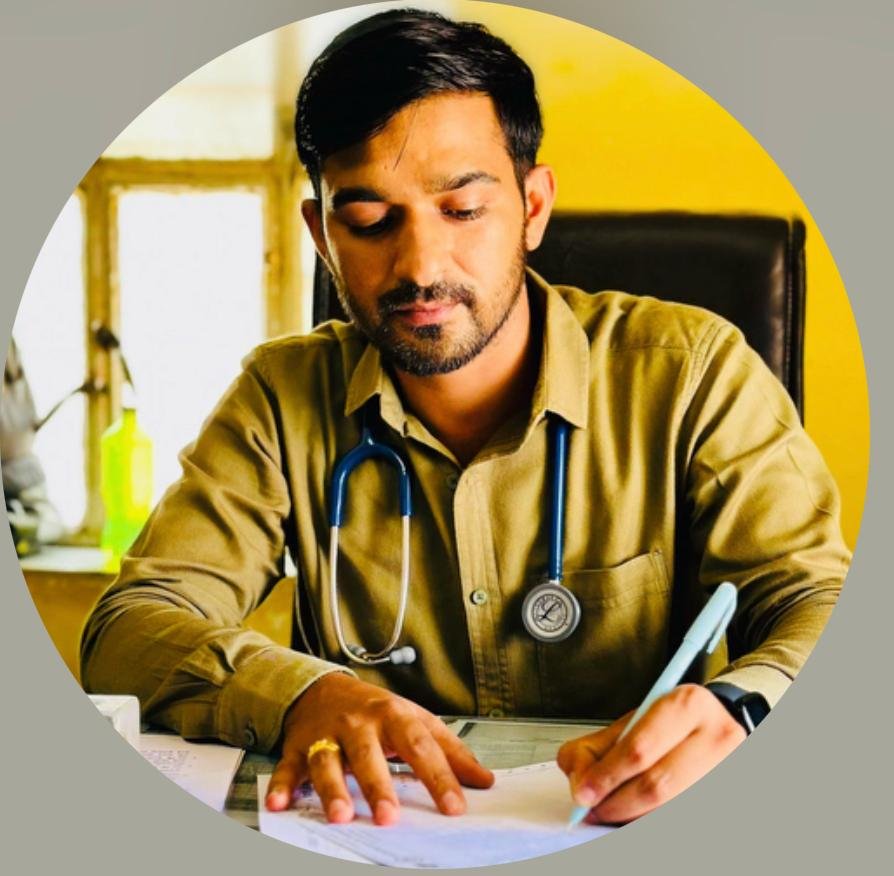
Doctor Review Statement
This article on managing recovery after a blood transfusion was reviewed and approved by Dr. Anil Kumar (Medical Registration No. RMC-79836, 7 years of clinical experience). The reviewer confirms that the information reflects standard post-transfusion care guidance: following the treating hospital’s instructions, recognising symptoms that require same-day or emergency medical attention, completing prescribed follow-up tests, and supporting recovery with rest, nutrition and safe activity at home.
- Doctor Name: Dr. Anil Kumar
- Qualification: [To be confirmed by editorial team]
- Speciality: [To be confirmed by editorial team]
- Registration Number: RMC-79836
- Years of Experience: 7
Need Dependable Home Support While Your Loved One Recovers?
Whether you need a trained attendant for the first two weeks, a hospital bed and monitor at home, medicine refill coordination, or help getting to follow-up appointments — AtHomeCare’s Amritsar care network is one call away. Serving patients across Amritsar through our regional care network.