Speech Therapy at Home in Kolkata: Communication, Swallowing & Rehabilitation Support
Regain your voice and swallow safely with expert home-based speech therapy in Kolkata. Our certified speech-language pathologists provide personalized treatment for stroke recovery, neurological conditions, and swallowing disorders right at your doorstep.
What Is Speech Therapy at Home?
Speech therapy at home delivers specialized rehabilitation for communication and swallowing disorders in a familiar environment. Certified speech-language pathologists provide customized exercises for articulation, language comprehension, cognitive-communication, and safe swallowing, ensuring faster recovery and family integration.
Speech therapy is a clinical health profession focused on the evaluation and treatment of communication disorders and swallowing abnormalities. When this service is brought into the home, it significantly reduces the physical and emotional stress of traveling for a patient who is already recovering from a severe illness, stroke, or neurological decline.
AtHomeCare’s speech therapy at home in Kolkata bridges the gap between hospital discharge and full recovery. By treating patients in their natural living environment, our therapists can incorporate daily household items and real-life conversations into the therapy, making the rehabilitation much more functional and meaningful.
Who May Need Speech Therapy in Kolkata?
Individuals requiring speech and swallowing therapy often have conditions affecting the brain, nerves, or mouth. This includes stroke survivors, patients with Parkinson’s or dementia, individuals with traumatic brain injuries, and those suffering from dysphagia to prevent malnutrition and aspiration pneumonia.
Speech therapy is not just for children with delayed speech. In the context of home healthcare, it is primarily utilized for adults and the elderly who have suffered neurological damage. The inability to communicate effectively or swallow safely can severely impact quality of life, leading to social isolation, depression, and severe medical complications like lung infections.
Signs You May Need a Speech Therapist at Home:
- Slurred speech or difficulty pronouncing words after a stroke.
- Inability to find the right words or understand what others are saying (Aphasia).
- Coughing or choking on food, liquids, or even saliva (Dysphagia).
- Memory problems or confusion affecting daily communication.
- Hoarseness or voice changes lasting more than two weeks.
- Facial weakness making it difficult to control lips or tongue.
If your loved one is receiving elderly care at home and showing these signs, a speech therapy assessment is highly recommended.
Speech Therapy for Stroke Patients
Speech therapy for stroke patients focuses on treating aphasia (language disorders) and dysarthria (motor speech disorders). Therapists use repetitive language drills, communication strategy training, and swallowing exercises to help rebuild neural pathways and restore safe, functional communication.
A stroke often damages the left hemisphere of the brain, affecting language centers. Patients may know what they want to say but cannot find the words. Our therapists work intensively on word retrieval and sentence construction. The rehabilitation process requires patience, as progress is often gradual.
Week 1: Acute Assessment
Comprehensive evaluation of speech, language, and swallow function. Establishing baseline communication methods to reduce patient frustration.
Weeks 2-4: Intensive Drills
Repetitive articulation exercises, listening comprehension tasks, and introducing alternative communication tools if speech is severely impaired.
Months 2-3: Functional Integration
Transitioning from clinical exercises to real-world conversations within the home. Training family members on communication support techniques.
Speech and Language Rehabilitation at Home
Speech and language rehabilitation at home involves structured exercises to improve articulation, voice projection, and language comprehension. Treating patients at home allows therapists to use familiar objects and routines, making therapy highly relevant to the patient’s daily life and recovery.
Unlike clinic-based therapy, home-based rehabilitation uses the patient’s actual environment. A therapist might practice naming items in the kitchen or role-playing a conversation with a family member. This real-life application significantly boosts cognitive engagement and speeds up recovery. If the patient also requires mobility support, our patient care services can be integrated alongside therapy.
Swallowing and Dysphagia Therapy
Swallowing therapy (dysphagia therapy) involves exercises to strengthen mouth and throat muscles, teaching compensatory swallowing postures like chin tucks, and recommending specific food textures. This prevents life-threatening aspiration pneumonia and ensures safe nutritional intake.
Dysphagia is a severe condition where food or liquid enters the airway. Our speech-language pathologists assess the swallow mechanism and recommend diet modifications (e.g., thickened liquids, pureed food) to ensure safe eating. They also teach caregivers how to position the patient correctly during meals.
Never leave a dysphagia patient alone while eating. Ensure they sit upright at a 90-degree angle during all meals and for 30 minutes afterward. If the patient coughs continuously, changes color, or has a wet vocal quality after eating, stop feeding immediately and contact a doctor.
Speech Therapy for Neurological Conditions
Speech therapy for neurological conditions like Parkinson’s, Multiple Sclerosis, and dementia targets vocal loudness, speech clarity, and cognitive-communication. Therapy helps maintain independence, improve swallowing safety, and slow the progression of communication deficits.
| Condition | Therapy Focus | Expected Outcome |
|---|---|---|
| Parkinson’s Disease | Vocal loudness, breath support, articulation | Stronger voice, clearer speech, improved facial expression |
| Dementia / Alzheimer’s | Cognitive-communication, memory strategies | Reduced confusion, maintained daily independence longer |
| Multiple Sclerosis | Speech rate control, swallowing safety, voice volume | Improved conversational clarity, safe oral intake |
For patients requiring complex medical management alongside therapy, our home nursing services can coordinate care effectively.
Benefits of Home-Based Speech Therapy
Home-based speech therapy eliminates travel stress for immobile patients, allows therapy in a familiar environment, and directly involves family caregivers in the treatment process. This leads to better compliance, faster functional recovery, and a highly personalized rehabilitation experience.
Therapists can directly observe the patient’s home setup and recommend environmental changes, such as removing background noise to help hearing-impaired patients understand speech better.
Role of Family Caregivers During Therapy
Family caregivers play a vital role in home speech therapy by reinforcing daily exercises, using prescribed communication strategies, and ensuring swallowing safety during meals. Therapists actively train families to create a supportive environment that accelerates the patient’s rehabilitation.
The therapist is only present for a few hours a week. For the rest of the time, the family is the primary facilitator of recovery. We ensure caregivers are fully trained on how to prompt the patient, use communication boards, and manage mealtime safely.
Caregiver Training Includes:
- Modifying food textures and liquid consistencies safely.
- Using short, simple sentences for patients with aphasia.
- Performing daily oral-motor exercises.
- Recognizing early signs of swallowing distress.
Speech Therapist vs. Patient Attendant
A speech therapist is a clinically certified professional diagnosing and treating medical communication and swallowing disorders. A patient attendant provides daily living support like feeding and hygiene. Both roles are essential, but the attendant does not perform clinical therapy.
| Aspect | Speech Therapist (SLP) | Patient Attendant |
|---|---|---|
| Qualification | BASLP / MASLP Degree, RCI Registered | General Caregiver Training / GDA |
| Role | Clinical assessment, dysphagia therapy, language drills | Daily hygiene, feeding, repositioning,陪伴 |
| Interaction | Designs and executes the rehabilitation plan | Follows the plan, assists with daily living as directed |
When to Consider Professional Speech Therapy
Consider professional speech therapy when a patient shows slurred speech, struggles to find words, coughs during meals, or experiences cognitive-communication decline after a stroke or neurological diagnosis. Early intervention prevents complications like aspiration and social withdrawal.
Decision Tree: When to Act
1. Does the patient choke or cough on liquids/food?
- Yes → Stop oral intake of thin liquids. Consult a doctor immediately and arrange a dysphagia assessment.
- No → Proceed to step 2.
2. Is the patient struggling to speak or find words after a stroke?
- Yes → Initiate speech therapy within the first 3-6 months for maximum neuroplasticity benefits.
- No → Proceed to step 3.
3. Is there a noticeable decline in memory or problem-solving affecting communication?
- Yes → Seek cognitive-communication therapy assessment.
If a doctor’s assessment is needed first, you can arrange a doctor visit at home in Kolkata through AtHomeCare.
How to Arrange Speech Therapy at Home in Kolkata
Arranging speech therapy at home in Kolkata involves contacting AtHomeCare, verifying medical needs, and matching with an RCI-certified therapist. Our operational workflow includes strict caregiver screening, clinical supervision, and emergency escalation protocols to ensure patient safety.
AtHomeCare maintains strict clinical standards. Here is how we deploy speech therapists into your home:
Recruitment and Screening
All speech therapists undergo a rigorous interview process evaluating their clinical knowledge, specifically in neurological rehabilitation and dysphagia management. We verify their degrees (BASLP/MASLP) and check their Rehabilitation Council of India (RCI) registration. Background checks and police verification are mandatory.
Training and Quality Monitoring
Before deployment, therapists complete an internal training module on home-care protocols, patient privacy, and infection prevention. Our clinical supervisors conduct random quality audits and review patient progress reports to ensure therapy goals are met.
For patients requiring multiple services, our speech therapists coordinate directly with our physiotherapists and home nurses. This ensures a unified approach to rehabilitation, where physical mobility exercises and speech exercises are scheduled safely without causing fatigue. We also handle equipment logistics and coordinate with our pharmacy for any prescribed medications.
Emergency Escalation
Therapists are trained in Basic Life Support (BLS). If distress occurs during swallowing therapy, they follow standard emergency protocols, including the Heimlich maneuver if necessary, and immediate escalation to hospital services or our Home ICU team if applicable.
Frequently Asked Questions (FAQs)
1. What is speech therapy at home?
Speech therapy at home involves a certified speech-language pathologist visiting your residence to assess and treat communication, language, and swallowing disorders in a familiar and comfortable environment. This eliminates travel stress and allows therapy to be highly functional.
2. How does home speech therapy differ from clinic-based therapy?
Home therapy allows the therapist to treat the patient in their actual living environment. They can practice using the patient’s own telephone, kitchen items, and family members, making the recovery more relevant. It also eliminates the physical exhaustion of traveling for patients who are already weak.
3. Who needs swallowing therapy at home?
Swallowing therapy (dysphagia therapy) is needed for patients who cough or choke while eating, have a weak cough, or take excessively long to eat. This is common after a stroke, head and neck cancer surgery, or in progressive neurological diseases like Parkinson’s.
4. Can speech therapy help after a stroke?
Yes, it is critical. Stroke can cause aphasia (loss of language) or dysarthria (muscle weakness for speech). A speech therapist helps retrain the brain’s language pathways and strengthens the muscles, significantly improving the patient’s ability to communicate their needs.
5. How long does a typical speech therapy session last?
A standard home session lasts between 45 to 60 minutes. However, for patients with severe fatigue or shortened attention spans, the therapist may break this into shorter 30-minute blocks to maximize effectiveness.
6. How many days a week is therapy needed?
Typically, 2 to 3 sessions per week are recommended for intensive recovery. The exact frequency depends on the severity of the condition and is determined after the initial assessment.
7. What is dysphagia therapy?
Dysphagia is difficulty swallowing. At home, it is treated by teaching compensatory postures (like tucking the chin), modifying food textures (e.g., thickened liquids), and performing oral-motor exercises to strengthen the swallowing muscles.
8. Can elderly patients with dementia benefit from speech therapy?
Yes. While dementia is progressive, speech therapy focuses on cognitive-communication. Therapists use memory books, spaced retrieval training, and environmental modifications to help maintain the patient’s independence and dignity for as long as possible.
9. What happens during the first home speech therapy assessment?
The therapist will review medical records, assess the patient’s oral motor strength, test language comprehension and expression, and evaluate swallowing safety (often using small sips of water). A customized care plan is then created.
10. Do you provide therapy for pediatric speech delays?
Our primary focus is adult and geriatric home healthcare, particularly for neurological and stroke rehabilitation. We recommend specialized pediatric clinics for childhood speech delays, though we can assist with specific pediatric swallowing issues if required.
11. Is home speech therapy covered by insurance?
Coverage depends on your specific health insurance policy. We provide all necessary medical prescriptions and therapy reports required for you to file a reimbursement claim. Please check with your provider regarding domiciliary rehabilitation benefits.
12. How do you ensure infection prevention during home visits?
Our therapists wear masks and gloves where clinically indicated, sanitize their hands before and after contact, and sanitize all assessment tools brought into the home. They also screen themselves for illness daily to protect vulnerable patients.
13. What equipment does the therapist bring?
Therapists bring basic assessment tools like tongue depressors, flashlights, cognitive testing materials, and swallow assessment items. For specialized therapy, we can coordinate medical equipment rental if needed.
14. Can a patient on a ventilator receive speech therapy?
Yes. For patients in our Home ICU program, therapists provide Passy-Muir valve training to help ventilator-dependent patients regain their voice, and manage severe swallowing complications safely.
15. How fast will I see improvements in speech?
Neuroplasticity takes time. While some patients show improvements in a few weeks, significant recovery usually takes 3 to 6 months. Consistency with home exercises is the most critical factor in speeding up recovery.
16. What is the family’s role in home speech therapy?
The family is crucial. Therapists train caregivers on how to prompt the patient, use communication boards, modify food textures safely, and facilitate daily practice. Without family involvement, progress is significantly slower.
17. How do you handle emergencies like choking during swallowing therapy?
Our therapists are trained in Basic Life Support (BLS). If choking occurs, they follow standard emergency protocols, including the Heimlich maneuver if necessary, and immediate escalation to hospital services.
18. Can therapy help with memory and cognitive issues?
Yes, cognitive-communication therapy specifically targets attention, memory, and problem-solving. This is highly beneficial for patients recovering from traumatic brain injuries or those in the early stages of dementia.
19. Do I need a doctor’s prescription to start speech therapy?
While you can directly book an assessment, we highly recommend obtaining a referral or prescription from your treating doctor. This ensures the therapy is aligned with your overall medical and neurological treatment plan.
20. How do I book a speech therapist in Kolkata?
Simply call us at 9910823218 or message us on WhatsApp. Our care team will take your medical details, verify the location in Kolkata, and schedule the initial assessment at your convenience.
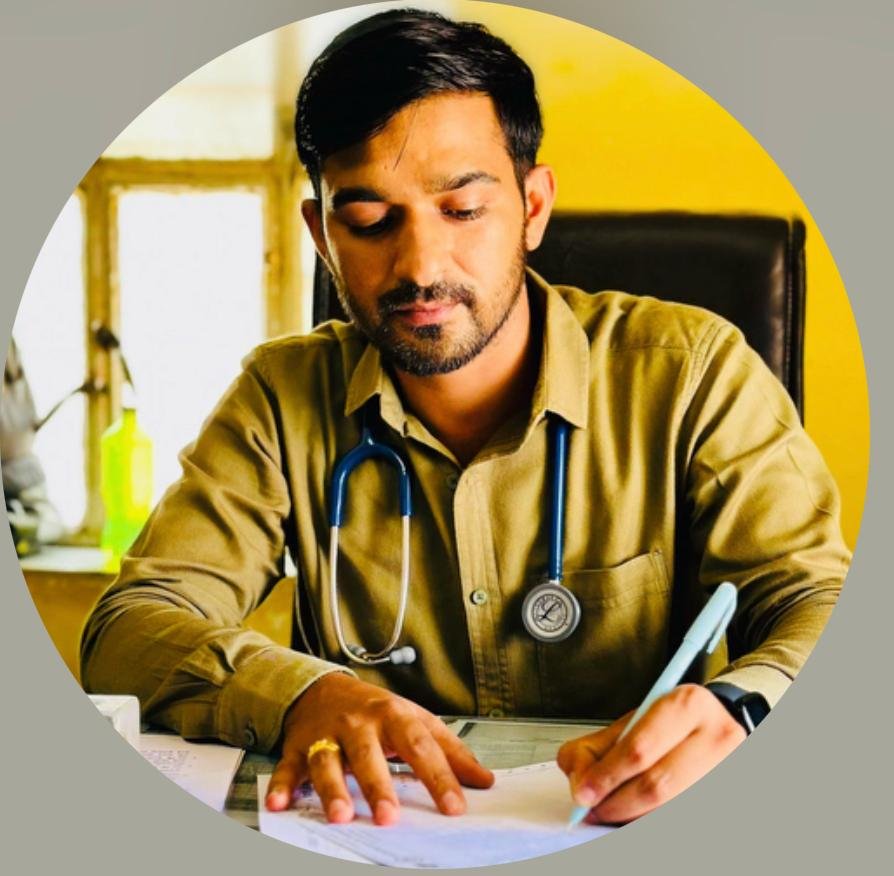
Medically Reviewed by Dr. ANIL KUMAR
Registration No: RMC-79836
Experience: 7 Years
Specialization: Internal Medicine & Home Healthcare
Dr. Anil Kumar ensures that all clinical protocols, rehabilitation guidelines, and patient safety standards mentioned in this article align with modern evidence-based medical practices. His oversight guarantees clinical accountability and trust for patients seeking home healthcare in Kolkata.