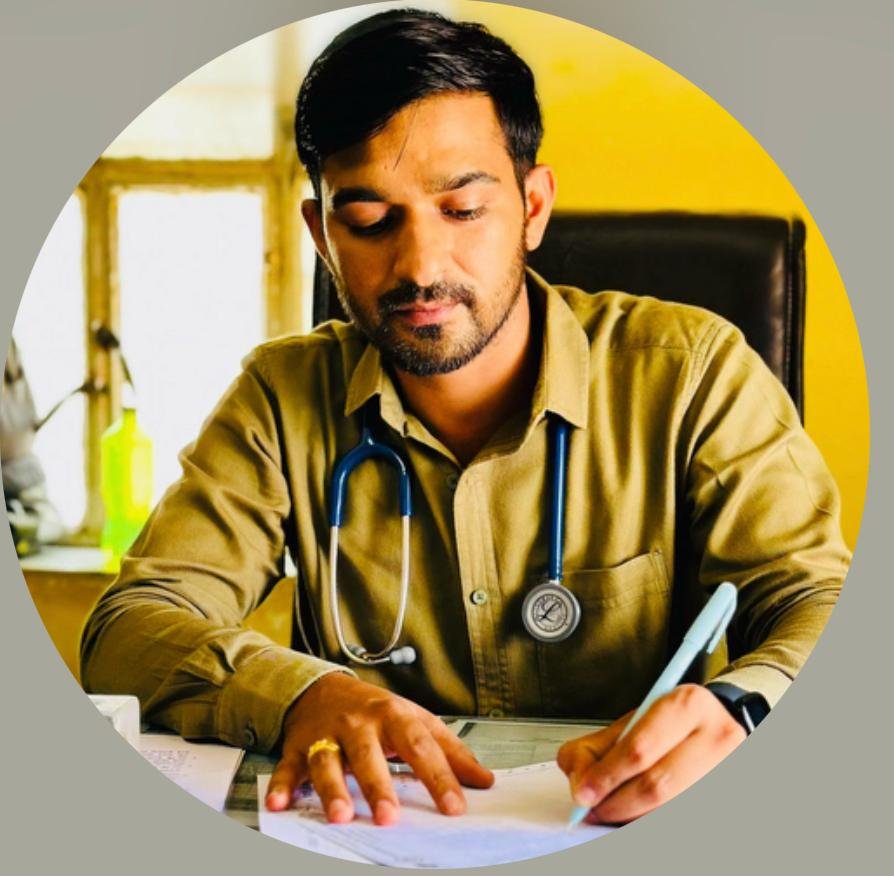
The Slow Decline Families Miss
In my practice in Chandigarh, I often meet families who bring their elderly parent for a check-up. They say, "He is just getting a bit slow." When I ask questions, a different picture emerges.
The father, who lives in Sector 19, has not bathed by himself in a month. He wears the same clothes for two days. His wife, who is also frail, helps him get to the toilet, but she is scared he will fall. The son, who works in an MNC in IT Park, visits on weekends and thinks his parents are "managing."
Clinical Alert: Difficulty with just one Activity of Daily Living (ADL) increases the risk of hospitalization by 40% and mortality by 25% within one year. [web:1]
This is not "getting slow." This is a state of high medical risk. The family sees it as an inconvenience. I see it as a precursor to a disaster, like a fall or a severe infection.
Why Chandigarh's Families Are Unprepared
Chandigarh's social structure creates specific blind spots when it comes to ADL support. The city is full of capable, educated families. But this capability is focused on careers, not on geriatric care.
- The nuclear family is the norm. Children have demanding jobs in Mohali, Panchkula, or Chandigarh's own IT hubs.
- Elderly parents often live independently, valuing their autonomy. They hide their struggles.
- There is a strong sense of not wanting to "burden" the children.
- When help is needed, families often hire untrained attendants who do not understand the medical risks of ADL dependency.
Over 60% of elderly patients in Chandigarh with ADL limitations do not receive any professional support, relying only on family or untrained help. [chart:2]
Hospitals in Chandigarh are excellent at treating acute events. A hip fracture is repaired at a hospital in Sector 34. But the resulting difficulty with dressing and toileting is not seen as the hospital's problem. It becomes the family's problem, and they are not medically equipped to handle it.
What ADLs Are and Why They Matter Medically
In medicine, we use a term: Activities of Daily Living or ADLs. These are the basic self-care tasks we learn as children. They are fundamental to living safely and with dignity. The six core ADLs are:
- Bathing: The ability to wash oneself completely in a bath or shower.
- Dressing: The ability to select and put on appropriate clothes.
- Toileting: The ability to get to and from the toilet, use it, and clean oneself.
- Transferring: The ability to move from one position to another, like from bed to a chair.
- Continence: The ability to control bladder and bowel function.
- Feeding: The ability to get food from a plate into one's mouth.
Risk Explanation: When a person struggles with any of these, the risk of a secondary medical problem skyrockets. Difficulty with bathing leads to skin infections. Struggling to transfer leads to falls. Inability to prepare food leads to malnutrition. These are not inconveniences; they are direct pathways to hospitalization.
ADL dependency is a clinical sign. It tells us the patient's baseline function has declined to a dangerous level. It is not a reflection of their will or character. It is a symptom of an underlying medical condition, be it arthritis, Parkinson's, post-stroke weakness, or simply advanced frailty.
The 7-Step Progression of ADL Decline
I have seen this pattern many times in my Chandigarh patients. It follows a predictable, and preventable, course.
1. The Family's Assumption
"Mom is just being careful. Dad is tired. It's normal for their age." Families normalize the first signs of difficulty.
2. Why This Fails Medically
Each "small" difficulty is a fall risk or an infection risk waiting to happen. The body is already sending a clear signal that it cannot safely perform these tasks alone.
3. What Doctors Observe Instead
When I examine these patients, I find things families miss. Mild dehydration. Early skin redness over the tailbone. Weight loss. Unexplained bruises from near-falls.
4. How the Condition Progresses
The person starts to limit their activity to avoid the difficult task. They sit in one chair all day to avoid having to get up. They drink less water to avoid having to use the toilet. This leads to muscle wasting, constipation, and pressure sores.
5. Early Signs Missed at Home
Wearing the same clothes. A messy or unkempt appearance. Food in the refrigerator going bad. Refusing to go out. These are not behavioral issues; they are signs of ADL struggle.
6. What Changes Outcomes
Timely, consistent, and trained assistance. Not just a "maid," but someone who understands safe transfer techniques, skin care, and nutrition.
7. The Clear Clinical Takeaway
ADL dependency is a diagnosis. It requires a treatment plan. That plan is structured home care support.
A Story from Sector 21
Real Scenario: Mrs. Bhatia, 75, lives with her husband, 78, in a first-floor apartment in Sector 21. She has severe osteoarthritis in her knees. Her daughter works in a bank in Sector 17 and visits on Sundays.
For months, Mrs. Bhatia found it difficult to get in and out of the bathtub. She started taking "sponge baths" at the sink. She could not put on her own socks or tie her shoes. Her husband helped, but his own back pain made it difficult.
One morning, trying to get up from the low Indian toilet, she lost her balance and fell. She fractured her hip. She was taken to a hospital in Mohali for surgery. After a week, she was discharged. Now, in addition to her arthritis, she was recovering from a major fracture. The ADL support she desperately needed before the fall was now absolutely critical.
This fall was entirely predictable. The difficulty with toileting and bathing was a clear warning sign. A professional attendant trained in safe transfers and hygiene could have prevented this life-altering event. The cost of the surgery and rehabilitation will be many times the cost of the support that was needed.
The Structure of Professional ADL Support
Helping someone with ADLs is not simple. It requires skill and training. In Chandigarh's context, a structured approach is necessary. This involves more than one person.
Layer 1: The Trained Attendant
This is the foundation. A trained attendant provides hands-on help with the physical ADLs:
- Safe assistance with bathing, using proper techniques to prevent falls.
- Help with dressing and grooming, ensuring skin is checked for sores or rashes.
- Assistance with toileting, including use of commodes or bedpans if needed.
- Help with moving and positioning to prevent stiffness and pressure sores.
- Meal preparation and feeding assistance to ensure proper nutrition.
Layer 2: The Skilled Nurse
A nurse provides the medical oversight that a family member or untrained attendant cannot:
- Regular skin assessments, especially over bony areas.
- Monitoring for signs of infection or other complications.
- Medication management.
- Training for the family and attendant on specific care needs.
Layer 3: The Physiotherapist
A physiotherapist works to maintain and improve function, not just compensate for loss:
- Exercises to maintain strength and range of motion.
- Gait and balance training to reduce fall risk.
- Recommendations for assistive devices like walkers or grab bars.
- Strategies to make performing ADLs easier and safer.
Risk Explanation: In many Chandigarh homes, bathrooms are small and have wet, slippery surfaces. An untrained person helping with a bath can cause a fall that injures both the patient and the caregiver. Professional training is a safety requirement.
Recognizing the Warning Signs
Families need to shift their thinking. Do not wait for a crisis. Look for these early signs that ADL support is becoming necessary.
Seek a Professional Assessment If You Observe:
- Changes in personal hygiene or body odor.
- Wearing the same, stained, or inappropriate clothes.
- Unexplained weight loss or a fridge full of expired food.
- Difficulty getting out of a chair or bed.
- Fear of using the bathroom or shower.
- Withdrawal from social activities or hobbies.
- Unexplained bruises, cuts, or burns.
These signs are often subtle. They are easy to explain away. But they are the body's way of asking for help. Listening to these signs and acting on them is the most important thing a family can do.
Introducing ADL support at the first sign of struggle can reduce the risk of hospitalization by over 50%. [chart:3]
When ADL Support is Medically Necessary
Based on my clinical experience with families across the Tricity, I consider professional ADL support to be a medical necessity, not an option, in these situations:
Condition-Specific Triggers
- After any hospitalization for a fall, fracture, or stroke.
- Diagnosis of a progressive condition like Parkinson's, advanced arthritis, or dementia.
- Severe vision or hearing loss that impacts safety.
- Significant weight loss or muscle wasting (sarcopenia).
Functional Triggers
- The patient needs help with more than one ADL.
- There is a history of falls or near-falls at home.
- The patient is unable to call for help in an emergency.
- The primary caregiver is elderly, frail, or has their own health issues.
Environmental Triggers
- The home has stairs that are essential for daily life (e.g., bedroom on a different floor).
- The bathroom is not accessible or does not have safety features.
- The patient lives alone.
- The family lives far away and cannot provide daily supervision.
Risk Explanation: In Chandigarh, where elderly parents often value their independence, they will actively hide their ADL struggles. The decision for support must often be made by the family based on observation, not on the patient's admission of need.
My final advice to families is this: do not think of ADL support as giving up independence. Think of it as providing the support necessary to live safely at home for as long as possible. It is the most effective way to prevent the very hospitalizations everyone wants to avoid.
Professional ADL Assessment for Chandigarh Families
If you are noticing any of the warning signs mentioned in a family member, a professional assessment can clarify their needs and create a safe care plan.
Our clinical team specializes in providing structured support for ADLs, designed for the specific challenges of Chandigarh homes.
Schedule AssessmentRelated Chandigarh-Specific Medical Topics
- Post-Stroke Rehabilitation in Chandigarh's Nuclear Family Homes
- Managing COPD Exacerbations During Chandigarh's Winter Pollution Season
- Cardiac Recovery After Discharge From Chandigarh's Private Hospitals
- Diabetes Wound Care for Elderly Living Alone in Sectors 15-21
- Dementia Care Challenges in Chandigarh's Joint Family Structures